Registering a Street-Legal Special Purpose Vehicle in West Virginia
Navigating the rules and regulations for ATVs and UTVs in West Virginia can feel like trying to untangle a knotted fishing line – especially when you dream of taking your machine from the trail to the paved road for a quick bite or to connect to the next adventure. Many riders get frustrated by the seemingly endless hoops and confusing terminology surrounding road legality. This guide is here to cut through that confusion, giving you a clear, step-by-step roadmap to understanding and achieving Special Purpose Vehicle (SPV) registration in the Mountain State, so you can ride with confidence and legality.
Understanding the West Virginia Special Purpose Vehicle (SPV) Designation
Before you even think about hitting the pavement, it's crucial to understand what West Virginia means by a "Special Purpose Vehicle" and why this designation is so important for ATV and UTV owners. It's not just a fancy name; it's the legal gateway to expanded riding opportunities. Without it, your machine is strictly for off-road use, and straying onto public roads can land you in a heap of trouble with local law enforcement.
What Exactly is an SPV in West Virginia?
In West Virginia, an SPV is essentially an off-highway vehicle (OHV) that has been equipped and registered to be used on public roads under specific, limited conditions. This designation primarily applies to ATVs and UTVs (side-by-sides), allowing them to bridge the gap between dedicated trail systems and local amenities, or even connect one trail system to another via short stretches of public highway. It’s a game-changer for folks who want a little more freedom with their machine but don't want to constantly load and unload it from a trailer.
Think about it: you're staying at a cabin deep in the mountains, and the nearest gas station or diner is just a couple of miles down a paved county route. Before the SPV designation became widely understood, making that trip on your quad or side-by-side was a huge risk. Now, with your SPV plate, that short hop becomes a legal, convenient part of your adventure. However, it's not a free pass to treat your ATV like a car; there are very specific rules about where and how you can ride. This is why it's distinct from, say, a golf cart, which might have different local ordinances governing its use on community roads.
Why the SPV Designation Matters for Riders
The SPV designation opens up a world of convenience for West Virginia riders. Primarily, it allows you to legally travel short distances on state-maintained roads to access trailheads, fuel stations, restaurants, or lodging. This means less time spent trailering and more time riding. For those who frequent the state's incredible trail systems, like the Hatfield-McCoy Trails, an SPV plate can literally connect your entire experience, turning a fragmented series of rides into one continuous adventure.
However, it's important to set realistic expectations. While it offers expanded access, the SPV designation comes with strict limitations that we'll dive into later. It’s about careful, limited road use, not becoming a daily street commuter. The benefits are immense for the right kind of rider, turning previously inaccessible areas into convenient links, and truly integrating your off-road experience with the charming trail towns scattered across the state. Without an SPV plate, you might find yourself constantly loading and unloading, or worse, facing fines for riding on roads where your machine isn't permitted. It is a specific plate for a specific type of riding.
Essential Equipment for a Street-Legal SPV
Making your off-highway vehicle street legal in West Virginia means more than just filling out some paperwork. Your machine itself needs to meet a specific set of safety and equipment standards, transforming it from a purely off-road warrior into a road-worthy, albeit limited, vehicle. This is where many riders realize the true investment involved beyond just the initial purchase price.
Non-Negotiable Safety Gear and Vehicle Modifications
To qualify as a Special Purpose Vehicle, your ATV or UTV needs to be outfitted with several pieces of equipment that might not be standard on a recreational off-road machine. These modifications are critical for safety on public roads and are rigorously checked during the inspection process. You can't cut corners here; safety is paramount.
Here's a breakdown of what you'll typically need:
- Headlights and Taillights: These must be in good working order and visible from appropriate distances, especially if you anticipate riding near dawn or dusk.
- Brake Lights: Essential for signaling your deceleration to other drivers.
- Turn Signals: Front and rear turn signals are required to indicate your intentions, just like any other road vehicle.
- Mirrors: You’ll need at least one rearview mirror, and often two (side mirrors), to give you proper visibility of traffic behind you.
- Horn: A functional horn is a must for signaling other vehicles or pedestrians. It needs to be an actual vehicle horn, not just a novelty item.
- Windshield: While not always explicitly required for all ATVs, most UTVs will need a safety glass windshield. For machines without a full windshield, adequate eye protection is mandatory for the rider.
- Seatbelts: If your machine has seats and is designed for multiple passengers (like a side-by-side), seatbelts must be present and fully functional for all occupants.
- DOT-Approved Tires: Your tires must be specifically designed and marked for highway use. Off-road-only knobby tires are generally not acceptable for SPV registration.
- Spark Arrester and Muffler: Your machine must have a U.S. Forest Service approved spark arrester and a muffler that keeps noise within legal limits. Aftermarket exhausts that are excessively loud can prevent you from passing inspection.
It's a significant list, and it's all designed to ensure your machine is as visible and controllable as possible when sharing the road with other traffic. Think of it as making your machine 'speak' the same language as cars and trucks when it comes to safety signals. The [Equipment a West Virginia SPV Must Carry] article provides even more detail on these specific requirements.
The Role of Inspections in the SPV Process
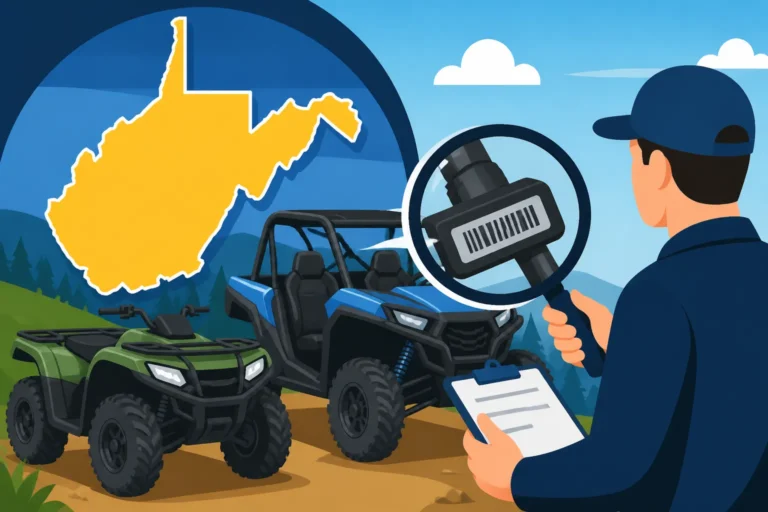
Once you've made all the necessary modifications to your ATV or UTV, the next crucial step is getting it inspected. This isn't a formality; it's a thorough check to ensure every single required piece of equipment is present, functional, and meets the state's standards. This inspection is typically conducted by an authorized inspection station, which could be a licensed mechanic or sometimes at a DMV facility, depending on local procedures.
The inspector will meticulously go through a checklist, verifying everything from the brightness of your headlights to the proper operation of your turn signals and the stamp on your tires. If your machine fails any part of the inspection, you'll be given a chance to fix the issue and get it re-inspected. This is why it's so important to do your homework and make sure everything is perfect before you go in. Imagine taking time off work, hauling your machine to the inspection station, only to be turned away because your horn doesn't work or your tires aren't DOT-approved. It's a waste of your valuable time and money. Investing in a pre-inspection check yourself, or even having a trusted mechanic give it a once-over, can save you a lot of headache and ensure a smooth path to getting that coveted SPV plate.
The Step-by-Step Registration Process at the West Virginia DMV
Once your machine is properly equipped and you're confident it'll pass inspection, the journey turns to paperwork and processing. This is often the part that feels most daunting for many folks, as it involves navigating the sometimes intricate world of the Department of Motor Vehicles (DMV). But with a clear plan, it's totally manageable.
Gathering Your Documents and Proof of Ownership
Before you even step foot in a West Virginia DMV office, you need to have all your ducks in a row when it comes to documentation. Missing even one crucial piece of paper can send you right back home, costing you time and another trip. The DMV staff can only work with what you provide, so make it easy for them.
Here's what you'll generally need:
- Original Certificate of Title: This is paramount. It proves you are the legal owner of the ATV or UTV. If you've just bought the machine, ensure the title has been properly signed over to you. If your machine needs a title and you don't have one, that's a hurdle you'll need to clear first. [Titling an ATV in West Virginia] is a great resource if you're dealing with a title issue.
- Bill of Sale: While the title is primary proof of ownership, a [West Virginia ATV Bill of Sale: What Belongs in It] can be very helpful, especially if you've recently purchased the machine privately. It clarifies the sale price (important for sales tax calculations) and the date of sale. Resources like LawDepot offer templates for creating a robust bill of sale, ensuring all necessary details are covered.
- Proof of West Virginia Motor Vehicle Liability Insurance: Your SPV needs to be insured for road use, similar to a car. This isn't your basic off-road trail insurance; it's specific liability coverage. We'll talk more about this later, but you need proof of it before you can register. [Insurance Required for a West Virginia SPV Plate] has more details.
- Valid Photo Identification: Your driver's license or another government-issued ID is essential to confirm your identity.
- Completed West Virginia Special Purpose Vehicle Application Form: This is the form where you provide all the details about yourself and your machine. Filling it out accurately and completely before you arrive will save you a lot of time. You can usually find this form on the West Virginia DMV website.
- Passed Inspection Certificate: The proof that your machine meets all the equipment requirements, as discussed in the previous section.
Ensure all these documents are original or certified copies where required. Making photocopies for your own records before you go is also a smart move. If you're bringing an out-of-state machine, be sure to check [West Virginia Title Rules for Out-of-State Machines] for any additional requirements.
Navigating the Application and Fee Payment
With your documents in hand, the next step is to formalize your application. The specific form you'll be looking for is the [West Virginia ATV Title Application Form] or a dedicated Special Purpose Vehicle registration application, often available directly from the West Virginia DMV website. Take your time filling it out; any errors can cause delays. You'll enter details about your vehicle (VIN, make, model, year), your personal information, and confirm that it meets the SPV requirements.
Once the application is complete and all your supporting documents are verified, you'll be responsible for paying the necessary fees. These typically include:
- SPV Registration Fee: This is the annual fee to keep your SPV plate active.
- SPV Plate Fee: A one-time fee for the physical license plate itself.
- Sales Tax: If you've recently purchased the machine and haven't paid sales tax yet, you'll likely need to pay it at the DMV. This is usually a percentage of the purchase price listed on your bill of sale, less any trade-in credit.
The exact amounts for these fees can change, so it's always best to check the current figures directly with the West Virginia DMV or their official website. The article [West Virginia SPV Registration Cost] can provide a general overview, but always verify the latest numbers. Be prepared to pay with a credit card, debit card, or check, as cash policies can vary. LawDepot can assist not just with bills of sale, but also with other legal forms that might be useful for tracking ownership details or preparing for any future sale of your SPV, ensuring consistency in your documentation.
What to Expect at the DMV Office
Visiting the DMV can sometimes feel like an expedition, but with preparation, it can be a relatively smooth process. Many [West Virginia DMV Offices That Handle ATV Titles] now offer online appointment scheduling, which can significantly reduce your waiting time. Checking the specific DMV office's website for their current procedures or even calling ahead is always a good idea. [West Virginia DMV Appointments for ATV Titles] can guide you on this.
When you arrive, you'll present your completed application, all your supporting documents, and your inspection certificate to a clerk. They will review everything, verify your identification, and process your payment. They might ask a few clarifying questions about your machine or its intended use. This is where having everything organized and ready really pays off – it minimizes back-and-forth and speeds up the entire transaction. Once everything is approved, you'll typically receive your SPV registration card and your physical SPV license plate right there on the spot. Make sure to double-check all the information printed on your registration card before you leave the counter to ensure there are no errors.
Insurance, Plates, and Maintaining Your SPV Registration
Getting your SPV registered isn't a one-and-done deal; there are ongoing responsibilities, especially concerning insurance and renewals. These elements are crucial for maintaining your street-legal status and ensuring you're protected should an unfortunate incident occur on public roads.
Securing the Right Insurance Coverage
This is a critical point that often catches riders off guard. Basic off-road ATV or UTV insurance, which you might carry for trail riding, is generally not sufficient for an SPV that will be operating on public roads. Just like a car or truck, your West Virginia Special Purpose Vehicle needs specific liability insurance that meets the state's minimum requirements for motor vehicles. This is non-negotiable for SPV registration.
The liability coverage protects you financially if you cause an accident while operating your SPV on a public road, covering damages to other vehicles, property, or injuries to other people. It's about protecting yourself and others. Your existing off-road policy might offer some personal injury protection or damage coverage for your machine, but the key difference here is the liability for road use. You'll need to contact your insurance provider and explicitly ask for coverage that meets West Virginia's requirements for a street-legal Special Purpose Vehicle. They'll understand what you need, and likely have specific policies tailored to SPVs or will adjust your existing policy. The article [Insurance Required for a West Virginia SPV Plate] delves deeper into these specific requirements, and [West Virginia ATV Liability Coverage Limits] outlines the minimum amounts you'll need to carry. Don't skip this step; riding an SPV on a public road without proper insurance can lead to severe penalties.
Receiving and Displaying Your SPV Plate
Once your application is approved and fees are paid, you'll be issued a distinct West Virginia Special Purpose Vehicle license plate. This isn't just a regular motorcycle plate or a standard vehicle tag; it will be clearly marked to identify your machine as an SPV. You'll also receive a registration card.
It is your responsibility to properly display this plate on your SPV according to West Virginia law. Typically, this means mounting it securely and visibly on the rear of the machine, where it won't be obscured by mud, equipment, or accessories. The plate needs to be legible at all times. Additionally, you must carry your SPV registration card with you whenever you operate the machine, especially when riding on public roads. This card serves as proof that your vehicle is legally registered for its designated purpose. Law enforcement officers will ask for it during any stop, so keep it in a secure, waterproof location on your machine or on your person. [What a West Virginia SPV Registration Card Shows] offers more insight into what's on this important document.
Renewing Your SPV Registration
Like all motor vehicle registrations, your West Virginia SPV registration is not permanent. It will need to be renewed periodically, typically annually. The DMV usually sends out renewal notices as your expiration date approaches, but it's ultimately your responsibility to track this date and ensure timely renewal.
The renewal process is generally simpler than the initial registration. You'll confirm your information, pay the renewal fee, and provide updated proof of insurance. Most renewals can be completed online, by mail, or in person at a DMV office. Failing to renew your SPV registration on time can result in fines and, more importantly, can mean your machine is no longer legal for road use. This could put you at risk for citations if you're caught riding on public roads with an expired tag. Stay on top of your renewals to keep your SPV adventures uninterrupted. For specifics on how and when to renew, check out [West Virginia SPV Plate Renewal].
Common Hurdles and Important Considerations for SPV Owners
While the SPV designation offers fantastic opportunities, it's not a blanket solution for every off-highway vehicle or every riding scenario. There are specific limitations and potential roadblocks that every prospective SPV owner should be aware of to avoid disappointment or legal trouble.
Machines That Won't Qualify and Why
Not every off-highway vehicle is eligible for SPV registration in West Virginia, and understanding these exclusions upfront can save you a lot of time and effort. While ATVs and UTVs are the primary candidates, other popular recreational vehicles often do not make the cut.
Here are some common exclusions:
- Dirt Bikes: Generally, conventional dirt bikes are not eligible for SPV plates. The state's definition and equipment requirements are typically geared towards ATVs and UTVs. While some states have specific "dual-sport" registrations for modified dirt bikes, West Virginia's SPV program typically does not extend to them. [Can a Dirt Bike Get a West Virginia SPV Plate?] touches on this common question.
- Golf Carts: Despite their use on some community roads, golf carts usually fall under different local ordinances or specific low-speed vehicle (LSV) categories, not the SPV designation. The rules for [Golf Carts and West Virginia Title Rules] are distinct and often vary by municipality.
- Certain Older or Homemade Machines: Vehicles without a clear title, a verifiable VIN, or those that are extensively homemade might struggle to meet the strict identification and safety standards required for SPV registration. The DMV needs to be able to positively identify the vehicle and its origins.
- Machines That Cannot Be Modified: If your ATV or UTV cannot physically accommodate the required equipment (lights, turn signals, DOT tires, etc.) or cannot pass a safety inspection, it won't qualify. For instance, some very old ATVs might not have electrical systems robust enough to power all the necessary lights.
The bottom line is that the SPV program is specifically tailored. Always verify your particular machine's eligibility before investing in costly modifications. The DMV or an authorized inspection station can offer preliminary guidance. The article [Machines That Cannot Become a West Virginia SPV] offers further examples and explanations.
Understanding the 20-Mile Centerline Limit and Other Rules
This is perhaps the most critical piece of information for any West Virginia SPV owner: the registration does not grant you unrestricted access to all public roads. The privileges are specific and limited.
The most notable restriction is the 20-mile centerline limit. This rule dictates that you generally cannot operate an SPV on any road that has a painted centerline for more than 20 miles. This is designed to prevent SPVs from being used for long-distance highway travel and to keep them primarily on secondary roads or for short connectors. Additionally, you are typically limited to a 25 mph speed limit when on public roads, even if the posted speed limit for other vehicles is higher. You must also adhere to daylight-only operation unless your SPV has been specifically equipped and inspected with all necessary lighting for night use, and even then, discretion is advised. All riders, regardless of age, must wear an approved helmet if they are under 18, but it's highly recommended for everyone on public roads.
It’s crucial to internalize these limits. Ignoring them isn't just risky; it’s illegal and can result in fines or losing your SPV privileges. The SPV is for connecting trails, going to town, or making short hops, not for lengthy commutes or high-speed travel. Understanding [West Virginia's 20-Mile Centerline Limit for an SPV] is absolutely vital for legal operation. Even when using a resource like LawDepot to draft documents for your machine, remember that those documents are only as good as your understanding and adherence to state rules like these. LawDepot can help you generate a bill of sale that clearly outlines the vehicle's SPV status and the buyer's responsibility to adhere to these rules, ensuring everyone is on the same page. The article [West Virginia ATV Road Rules for Young Riders] also highlights specific considerations for younger operators within these limits.
Street-Legal vs. "Trail-Town Friendly" Confusion
One common misconception is confusing an official West Virginia SPV registration with simply riding in designated "trail towns." While many towns across southern West Virginia are indeed "ATV-friendly" and have local ordinances allowing OHVs on certain streets, this is not the same as having a state-issued SPV plate.
- Trail-Town Friendly: These towns, often gateway communities to the Hatfield-McCoy Trails, have local laws that permit registered OHVs (including those with out-of-state registrations or just Hatfield-McCoy permits) to ride on specific town streets for access to businesses, lodging, and trailheads. These local rules are fantastic for riders, but they are limited to the specific boundaries of that town.
- West Virginia SPV Plate: This is a state-level designation that allows limited road use on any eligible public road (subject to the centerline limit, speed restrictions, etc.), not just within the confines of a specific trail town. An SPV can legally travel from one trail town to another, or from your home to a nearby trailhead, as long as it adheres to the state's rules.
While an SPV plate does give you more freedom to connect outside of strictly designated trail networks, you still must obey the local ordinances within trail-friendly towns. Always check both state SPV rules and any local signage. An SPV plate gives you broader access, but it doesn't exempt you from specific rules. Don't assume that because a town is "ATV-friendly," you can just disregard your SPV limitations. For more on these welcoming communities, refer to [West Virginia's ATV-Friendly Towns and What You Can Ride].
| Feature | Basic ATV Title (Off-Road Only) | SPV Registration (Street-Legal) |
|---|---|---|
| Primary Use | Off-road trails, private land | Off-road, plus limited public road use |
| Required Equipment | Basic operational (lights, brakes) | Extensive (DOT tires, turn signals, horn, etc.) |
| Insurance Type | Off-road liability/collision (optional) | Motor vehicle liability (mandatory for road use) |
| Road Access | Generally prohibited on public roads | Permitted on specific roads, with limitations |
| License Plate Issued | No | Yes (distinct SPV plate) |
| DMV Inspection | No | Yes (pre-registration) |
| Annual Renewal | No (title is one-time) | Yes (for registration/plate) |
| Speed Limit on Roads | N/A (prohibited) | 25 mph maximum |
| Centerline Rule | N/A (prohibited) | 20-mile limit on roads with centerlines |
Disclaimer
This article is for general informational purposes only and does not constitute professional advice. Laws, prices and regulations vary by location and change over time. Consult a qualified professional for guidance on your specific situation.