Flood-Damaged UTVs and What the Title Shows
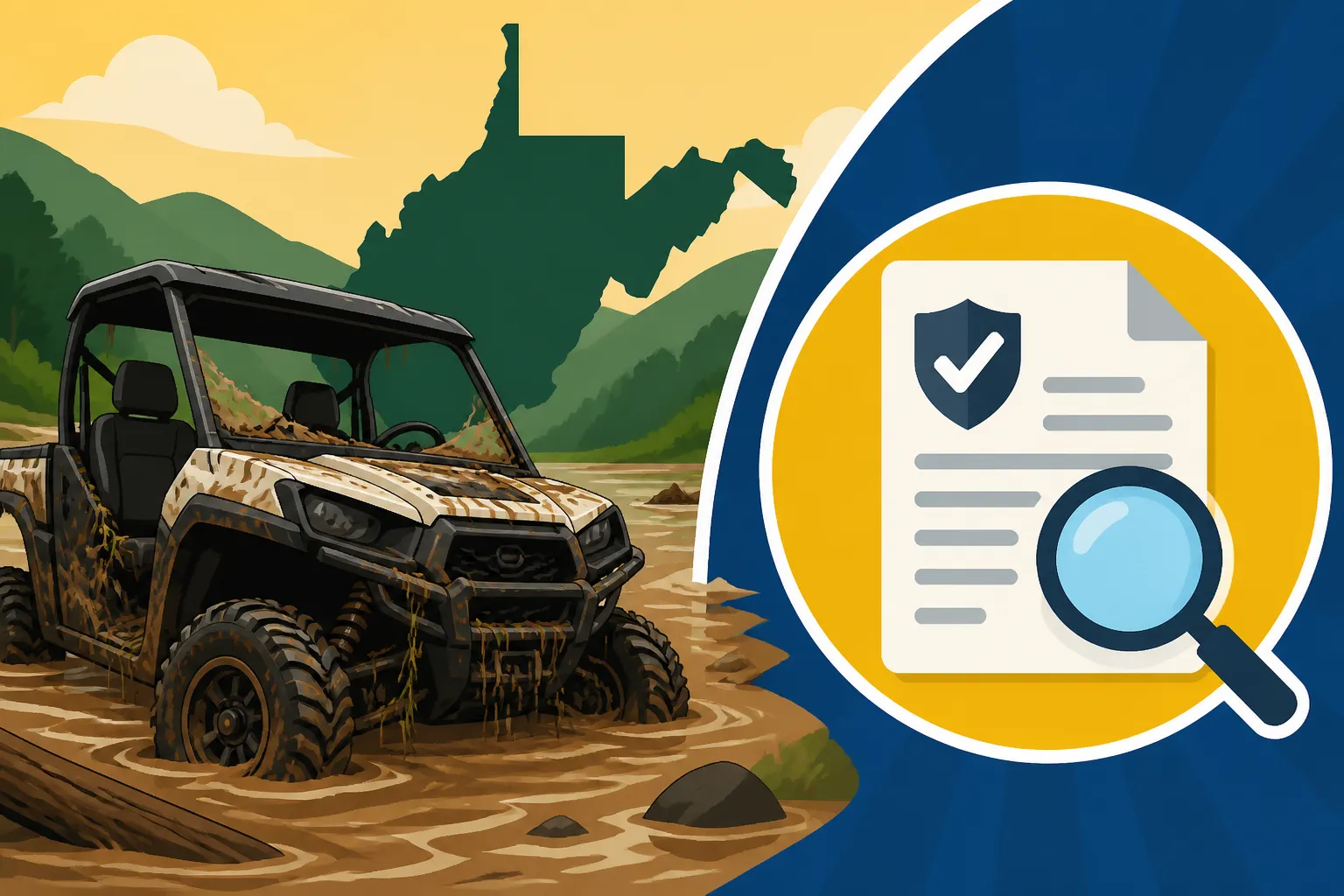
The devastating power of a flood can leave a trail of destruction that goes far beyond what you can see with the naked eye. For UTV owners in West Virginia, a machine caught in floodwaters isn't just a muddy mess; it's a potential financial nightmare that can haunt you long after the water recedes, especially when it comes to the UTV's title. This guide will walk you through what flood damage really means for your side-by-side, how West Virginia titles reflect this damage, and what you absolutely need to know whether you're buying, selling, or trying to recover from a flood.
The Harsh Reality of Flood Damage on UTVs
When people think of flood damage, they often picture obvious things like mud, water lines, and general grime. But with a UTV, especially one with complex electronics, an engine, and moving parts, the damage inflicted by water is often insidious and far-reaching, leading to long-term problems that can be costly and dangerous.
What Happens When Water Invades Your UTV
Imagine your UTV, a robust machine built for adventure, suddenly submerged. It's not just sitting in a puddle; it's an entire ecosystem of water, silt, mud, and contaminants invading every crevice. The engine, transmission, and differential housings, while designed to be somewhat water-resistant, are not truly waterproof. Water, especially dirty floodwater, can seep into lubricants, contaminating them and accelerating wear on gears, bearings, and seals. Electrical systems are particularly vulnerable. Modern UTVs are packed with wiring harnesses, sensors, ECUs (Engine Control Units), and various modules. When these components are submerged, they can short out immediately or, more commonly, begin a slow, corrosive death from within. Connectors might look fine on the outside, but corrosion can silently spread, leading to intermittent failures, warning lights, or complete system shutdowns down the line. Even the frame and suspension components can suffer. Floodwaters often carry abrasive grit that gets into bushings and pivots, wearing them prematurely. Steel frames, while painted, can begin to rust from the inside out in unsealed areas, compromising structural integrity over time.
Why a "Clean" Title Can Be Misleading
This is one of the trickiest parts of dealing with flood-damaged UTVs. You might find a UTV for sale with a "clean" title, meaning it doesn't explicitly state "flood damage" or "salvage" on the document itself. This can happen for several reasons. Sometimes, a UTV might be moved from a state with strict flood branding rules to one with less stringent ones, and the damage isn't immediately transferred to the new title. Other times, the damage might not have been reported to an insurance company, especially if the owner didn't have comprehensive coverage or chose to try and repair it themselves. In private sales, there's always a risk that a seller might not fully disclose the UTV's history, whether intentionally or due to a lack of understanding of the long-term effects of water damage. A "clean" title, in this context, only means that official records don't show flood damage. It doesn't mean the machine is free from water-related issues. This is why due diligence on your part, as a buyer, is absolutely critical. You can't just trust the piece of paper; you need to investigate the UTV's actual history and condition.
Understanding West Virginia's Flood Title Branding
West Virginia takes title branding seriously, especially for serious damage like floods. It's designed to protect buyers from unknowingly purchasing a compromised vehicle. Knowing what to look for and what these brands mean is crucial.
How West Virginia Identifies a Flood-Damaged Title
In West Virginia, when a UTV is declared a total loss by an insurance company due to flood damage, or if the owner reports substantial flood damage when applying for a new title, the West Virginia Division of Motor Vehicles (DMV) is supposed to brand the title. This "branding" is a permanent notation stamped directly on the UTV's title document, often stating "Flood" or indicating it was a "Total Loss – Flood." This mark is there to warn any future owners about the vehicle's history. It's not something that can easily be removed or erased. The goal is transparency in the secondary market. If you are ever presented with a title that has such a brand, it should immediately raise red flags and prompt you to proceed with extreme caution and a thorough inspection. The presence of this brand usually means the repair costs exceeded a certain percentage of the UTV's fair market value, making it an economic total loss.
The Importance of a Salvage Title
Often, a flood-damaged UTV will receive a salvage title. A salvage title is issued when a vehicle has been damaged to the extent that the cost of repairing it to its pre-damage condition is greater than a specified percentage of its fair market value. For UTVs affected by floods, this is very common because of the widespread, often hidden, damage that water causes to electrical systems, engines, and frames. A UTV with a salvage title cannot be registered or legally operated in West Virginia until it has undergone a specific repair and inspection process and been issued a "rebuilt" title. This involves demonstrating that all repairs were made using appropriate parts and methods, and passing a comprehensive safety inspection. The goal is to ensure that the UTV is once again safe for operation. Even after a rebuilt title is issued, the "salvage" history typically remains a permanent part of the vehicle's record and can significantly impact its resale value. It's a clear signal that the UTV has a significant past event. If you're looking into buying a UTV, understanding what it means to deal with [Salvage and Rebuilt ATV Titles in West Virginia] is paramount.
Protecting Yourself: What to Look For Before You Buy
Buying a used UTV is exciting, but it also carries risks, especially with the potential for hidden flood damage. Being proactive and knowing what steps to take can save you from a costly mistake.
The Critical VIN Check
Before you even think about handing over any money for a used UTV, performing a comprehensive Vehicle Identification Number (VIN) check is absolutely non-negotiable. This isn't just about looking for accident history; it's specifically about uncovering any hidden flood damage or title brands that the seller might not be disclosing. Services that provide VIN checks can access national databases that compile information from insurance companies, repair shops, and state DMVs. They can tell you if the UTV has ever been reported as salvaged, rebuilt, or, critically, if it was declared a total loss due to flood. Sometimes, a UTV might have been totaled in one state with a "flood" brand and then moved to West Virginia, and the VIN check will often reveal this prior history. Even if the current West Virginia title looks "clean," a VIN check can cross-reference information that might not have transferred directly. This is your first line of defense. Always run a VIN check, even if the UTV looks perfect on the surface. You'd be surprised what a good VIN check can uncover, far beyond what's stamped on a physical title.
Physical Inspection: Beyond the Title
Even with a clean VIN report and title, a thorough physical inspection is crucial for detecting flood damage. Water can leave tell-tale signs that are hard to completely erase. Start with your nose; a musty, moldy odor, especially when the UTV has been sitting with the doors closed, is a huge red flag. Look for mud, silt, or water lines in places that shouldn't have them: under the dashboard, inside the glove compartment, in storage bins, under the seats, or deep within the engine bay. Remove seat cushions and check the frame and wiring underneath for signs of corrosion or dried mud. Pay close attention to electrical components. Look for green or white corrosion on battery terminals, wiring harnesses, and fuse boxes. Check the headlights and taillights for condensation or water marks on the inside. Examine all gauges and warning lights – ensure they cycle properly when the key is turned. Check for rust on nuts, bolts, screws, and exposed metal parts, especially those that would typically be protected. Even if the exterior looks clean, check the underside for excessive rust on exhaust components, frame rails, or suspension parts. Mud and debris trapped in difficult-to-reach areas, like behind the skid plates or inside the frame, are almost impossible to completely clean out and are strong indicators of submersion. This meticulous inspection, combined with a VIN check, gives you the best chance of identifying a flood-damaged UTV. Make sure you're comfortable with what you're buying, and don't hesitate to walk away if something feels off. When you draw up your bill of sale, or any other private sale documents, using a trusted resource like LawDepot can help ensure you have all the necessary disclosures and legal protections in place.
Asking the Right Questions to the Seller
When you're considering a used UTV, especially from a private seller, an honest conversation is your best tool. Don't be shy about asking pointed questions about the UTV's history. Start by asking directly about any past accidents, major repairs, or, specifically, any flood exposure. Even if the seller says no, follow up with questions about where the UTV was stored, especially during significant local flood events. Ask if they were the original owner or how long they've had the machine, and if they have any service records. Inquire about why they're selling it. While not direct evidence of flood damage, inconsistencies in their story or evasive answers can be warning signs. Specifically, ask if the UTV has ever been declared a total loss by an insurance company. For good measure, ask them to confirm in writing, perhaps on the [West Virginia ATV Bill of Sale: What Belongs in It], that the UTV has never been flood-damaged or salvaged. While a verbal affirmation isn't legally binding, having it in writing strengthens your position if issues arise later. You might even consider having an independent mechanic, experienced with UTVs, perform a pre-purchase inspection. Their trained eye might spot things you missed. If a seller is unwilling to answer these questions or allow a thorough inspection, that's a red flag waving in the wind, and it might be time to move on.
Dealing with a Flood-Damaged UTV You Already Own
Discovering your own UTV has sustained flood damage can be a disheartening experience. You're suddenly faced with a complex decision about its future, balancing cost, safety, and legal obligations.
The Dilemma: Repair or Replace?
This is the big question for many owners. The immediate urge might be to fix it, especially if you have an emotional attachment to your UTV. However, flood damage is notoriously expensive and often leads to recurring issues. The cost of replacing compromised electrical components, cleaning out the engine and transmission, rebuilding axles, and addressing hidden rust can quickly escalate, often exceeding the UTV's actual value. Beyond the financial aspect, there's the safety concern. If critical frame components or steering mechanisms were compromised by rust or debris, even seemingly good repairs might not fully restore the UTV's structural integrity. You need to weigh the potential for ongoing repairs, decreased reliability, and the residual worry that something might fail unexpectedly. In many cases, especially with extensive submersion, selling the UTV for parts or as a documented salvage machine might be the more financially sound and safer decision than pouring endless money into repairs. Get professional assessments and multiple quotes before making a choice. Sometimes, cutting your losses is the best way to prevent future headaches.
Selling a Flood-Damaged UTV Legally
If you decide to sell your flood-damaged UTV, it is absolutely paramount to do so legally and ethically. In West Virginia, you have a legal obligation to disclose any known flood damage to a prospective buyer. This is not just a moral responsibility; failure to disclose could lead to legal repercussions, including lawsuits for misrepresentation or fraud. If your UTV's title has been branded "Flood" or "Salvage," that brand will automatically transfer with the title, serving as a permanent record. However, even if your title isn't branded (perhaps the damage wasn't reported to an insurer, or you bought it that way), you still need to be transparent. The best practice is to put all known damage, including the fact that it was flood-damaged, in writing on the bill of sale or a separate disclosure document. Use clear, unambiguous language. You might consider using a reputable template from a service like LawDepot to ensure all necessary disclosures are included. Being upfront protects you legally and fosters trust with the buyer. Trying to hide flood damage is a recipe for trouble, and it's simply not worth the risk. When documenting a private sale, a proper [West Virginia ATV Bill of Sale: What Belongs in It] should clearly outline the condition of the machine and any known defects.
| Type of Title Branding | Meaning for UTV Owners in West Virginia | Impact on Value | Legal Status |
|---|---|---|---|
| Clean Title | No adverse history recorded. Buyer beware, still inspect for hidden damage. | Highest | Ready to ride |
| Flood Branded | UTV declared total loss due to water damage by an insurer or owner reported severe water damage. | Significantly reduced | Likely salvage; must be rebuilt to ride |
| Salvage Title | UTV declared total loss due to damage (can include flood). | Heavily reduced | Cannot be registered/ridden until rebuilt |
| Rebuilt Title | UTV was previously salvaged, repaired, inspected, and deemed roadworthy again. | Still reduced, but higher than salvage | Ready to ride |
Disclaimer
This article is for general informational purposes only and does not constitute professional advice. Laws, prices and regulations vary by location and change over time. Consult a qualified professional for guidance on your specific situation.