Buying From an Unlicensed Seller in West Virginia
It's a common scenario: you're scrolling through online marketplaces or local classifieds, and a fantastic deal on an ATV or UTV pops up. The price is right, the machine looks good, but it's a private seller, not a dealership, and maybe they seem a little informal about the paperwork. This can leave you wondering about the safest way to navigate the purchase and ensure you don't end up with a headache instead of a trail-ready machine. This guide will walk you through everything you need to know about buying a side-by-side or quad from an unlicensed seller in West Virginia, focusing on how to protect yourself and make sure that sweet deal doesn't turn sour.
Understanding the "Unlicensed" Seller in West Virginia
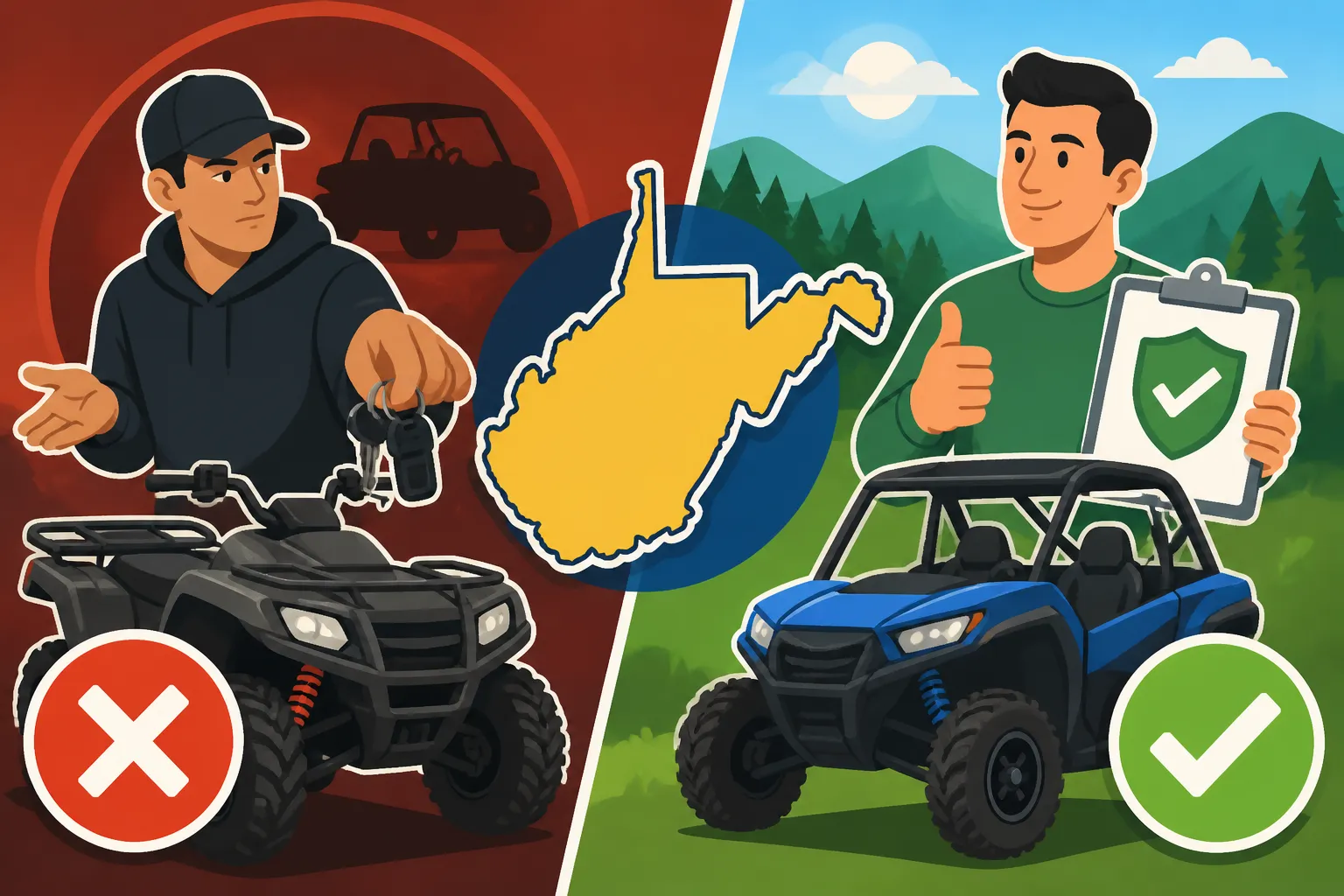
When we talk about an "unlicensed seller" in the context of buying an ATV or UTV in West Virginia, we're generally referring to a private individual who is selling their personal machine, not a business or dealership that holds a state license to sell vehicles. This distinction is crucial because the rules, protections, and paperwork expectations are entirely different. A licensed dealer, for example, is bound by specific consumer protection laws, often handles all the title and tax paperwork for you, and usually offers some form of warranty or inspection guarantee.
On the other hand, a private seller is typically just that – a person like you or me looking to sell their used machine. They don't have the same legal obligations as a dealer, and the sale is very much "as-is," unless otherwise explicitly agreed upon. This means that a lot of the due diligence falls squarely on your shoulders as the buyer. It's not that buying from a private seller is inherently bad; in fact, many great deals are found this way! It just requires a different approach and a greater awareness of the potential pitfalls.
One of the biggest differences is the transaction process itself. A dealer will usually provide a professional bill of sale, often submit your [West Virginia ATV Title Application at the DMV] directly, and collect sales tax on the spot. A private seller might offer a handwritten note or even no documentation at all beyond the signed title. This informal approach, while seemingly convenient, can leave you vulnerable if you're not careful. You're entering into a direct agreement with another individual, and without proper documentation, proving the terms of the sale or even ownership can become incredibly difficult if a dispute arises.
The Risks of Buying From a Private Seller Without Proper Scrutiny
While the allure of a lower price from a private seller is strong, going into the transaction without a thorough understanding of the risks can lead to significant problems down the line. Many of these issues revolve around the machine's legal status and the seller's transparency, which is exactly why vigilance is key.
Issues with the ATV's Title and Ownership
The most significant risk you face when buying from a private, unlicensed seller is related to the ATV or UTV's title. In West Virginia, ATVs and UTVs manufactured after 1989 are required to have a title. Without a clean, properly assigned title, you simply cannot prove legal ownership, which means you won't be able to [Titling an ATV in West Virginia] in your name. Imagine this scenario: you hand over a stack of cash, the seller gives you the keys, but they either don't have the title, or the one they provide has issues. Perhaps it's signed by someone who isn't the person selling it to you, or there's a lien listed that hasn't been released.
Without a clear title transfer, that machine isn't legally yours, even if it's sitting in your garage. This can lead to massive headaches at the DMV, where they'll likely turn you away. You might then find yourself trying to track down a seller who has disappeared, or worse, dealing with a machine that was reported stolen. This situation is frustrating, expensive, and completely avoidable with the right precautions. A legitimate seller should always be able to produce the physical title, free of any encumbrances, and be ready to sign it over correctly. Any hesitation or excuse about the title should be a huge red flag.
Potential for Undisclosed Liens or Stolen Machines
Another serious concern is that the machine could have a lien against it or, even more alarming, be stolen. Many people finance their ATVs and UTVs, and the lender holds a lien on the title until the loan is fully paid off. If you buy a machine with an outstanding lien, you could become responsible for that debt, or the lender could repossess the machine, leaving you out of your money and without the quad. It's a devastating situation, and one that often isn't obvious from just looking at the machine.
Similarly, an unlicensed seller might be trying to offload a stolen ATV. Without proper title, there's no way to trace the legitimate owner, and if you're caught with a stolen machine, you could face legal consequences, even if you bought it unknowingly. West Virginia law is clear on the penalties for riding an untitled machine, and the repercussions for owning a stolen one are far more severe. This is why a simple VIN check isn't just a suggestion; it's an absolute necessity. You need to verify that the VIN on the machine matches the title and that the VIN itself doesn't come back as stolen or reported with a lien.
Misrepresentation of the ATV's Condition or History
Unlike a licensed dealer who might have some legal obligations to disclose known issues, a private seller typically sells the machine "as-is." This means you're buying it in its current condition, with all its faults, whether known or unknown to you at the time of purchase. While most private sellers are honest, there are certainly those who will downplay existing mechanical problems, hide accident damage, or misrepresent the machine's true mileage or hours. They might even try to pass off a machine with a [Salvage and Rebuilt ATV Titles in West Virginia] as a clean one.
Without a professional inspection or a thorough pre-purchase check on your part, you could end up with a machine that needs thousands of dollars in repairs shortly after you buy it. This is why simply kicking the tires and taking a quick test ride isn't enough. You need to inspect the machine thoroughly, ask for service records, and ideally, have a trusted mechanic look it over. The seller's willingness to allow this kind of scrutiny can also be an indicator of their honesty. If they refuse to let you inspect it or provide maintenance history, it's time to be wary.
Essential Steps to Protect Yourself in a Private Sale
Navigating a private ATV or UTV sale can feel like walking a tightrope, but with the right preparation and a few key steps, you can significantly reduce your risks. The goal is always to gather as much information and documentation as possible before any money changes hands.
Verify the Seller's Identity and Legitimacy
Before you even think about looking at the machine, establish the seller's identity. This might seem intrusive, but it's a critical step. Ask for their full name and address. When you meet, compare their driver's license to the name on the title. If the names don't match, or if the seller claims they're selling it for a friend or family member, proceed with extreme caution. This could be a legitimate situation, like [Transferring a West Virginia ATV Title After a Death] or [Gifting an ATV in West Virginia and the Title That Follows], but it requires additional paperwork and verification. Make sure they have a valid power of attorney or other legal documents to sell the machine on someone else's behalf. If they balk at showing identification, it's a huge red flag.
Ideally, you want to meet the seller at their home, where the ATV is typically stored. This helps confirm they are the legitimate owner and not just brokering a stolen machine in a parking lot. If they insist on meeting in a neutral location, like a gas station, be extra cautious and bring a friend. Don't be afraid to ask direct questions about why they're selling the machine and its history. Their answers (or lack thereof) can tell you a lot about their trustworthiness. Remember, you're entering into a significant financial transaction, and you have every right to ensure the person you're dealing with is legitimate.
Conduct a Thorough VIN Check and Machine Inspection
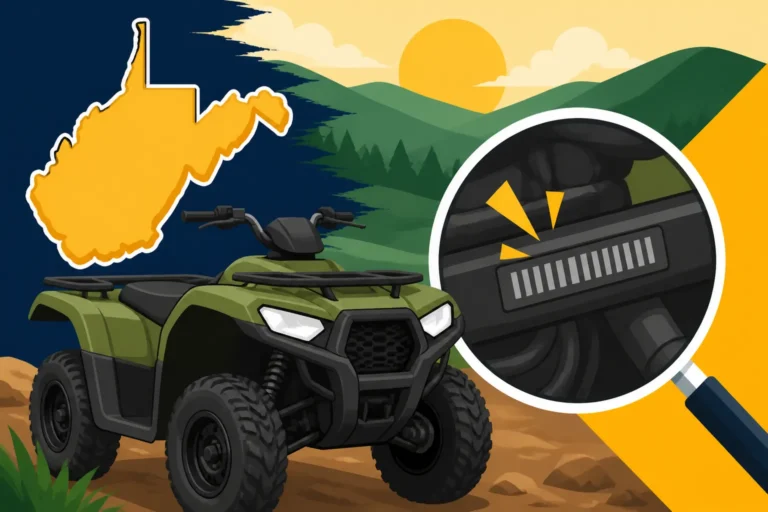
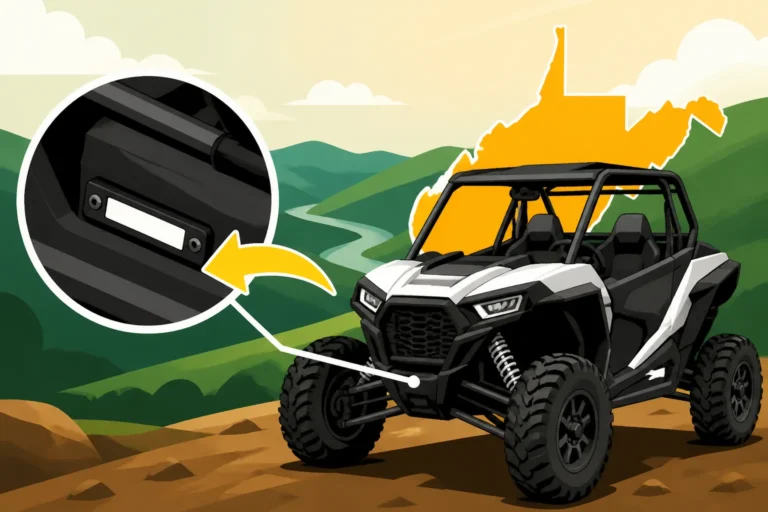
This step is non-negotiable. Every ATV and UTV has a unique Vehicle Identification Number (VIN) stamped on its frame, often in a visible location. Before you commit to anything, locate the VIN on the machine and compare it to the VIN listed on the title. If they don't match, walk away immediately. Then, use that VIN to run a comprehensive history check. Services exist that can reveal if the machine has been reported stolen, has outstanding liens, or has been declared a total loss in an accident. Don't rely solely on the seller's word; verify everything yourself. [Running a VIN Check Before You Buy] is your first line of defense against fraud.
Beyond the VIN, a thorough physical inspection of the ATV is paramount. Don't just give it a quick once-over. Check for signs of accident damage, rust, fluid leaks, and unusual wear. Test all the lights, brakes, and controls. Listen to the engine for strange noises and check the tires for excessive wear. If you're not mechanically inclined, seriously consider bringing a knowledgeable friend or even paying a local mechanic to perform a [Pre-Purchase Inspection Before You Sign]. A small investment in an inspection could save you thousands in unexpected repairs down the road. Pay special attention to the frame for any signs of tampering with the VIN, which can be an indicator of a stolen machine.
Demand a Comprehensive West Virginia Bill of Sale
Even with a perfectly signed-over title, a robust bill of sale is your legal safety net in a private transaction. Do not accept a simple receipt or a vague handwritten note. A comprehensive bill of sale should include:
- The full names, addresses, and contact information of both buyer and seller.
- The date of the sale.
- The purchase price.
- A detailed description of the ATV or UTV, including its make, model, year, color, and most importantly, the full VIN.
- A clear statement that the vehicle is sold "as-is" or any specific warranties or conditions agreed upon (though "as-is" is most common in private sales).
- A declaration from the seller that they are the legal owner, that the machine is free of liens, and that they have the right to sell it.
- Signatures of both buyer and seller. While [Does a West Virginia Bill of Sale Need a Notary] is not always legally required for a private sale to be valid, it adds an extra layer of authenticity and can prevent disputes over signatures later. Consider using a service like LawDepot to generate a professional, legally sound bill of sale template that covers all these bases.
This document serves as your proof of purchase and can be invaluable if you encounter issues with titling the machine, need to dispute the sale, or have questions about [West Virginia Sales Tax on an ATV Purchase] later on. Keep multiple copies, and ensure both you and the seller have a signed original.
Proper Title Transfer at the Time of Sale
This is where many private sales go wrong, or where buyers get nervous. For your protection, the seller must physically sign over the title to you at the time of sale, before you hand over any money. In West Virginia, the seller typically signs in a designated spot on the back of the title, releasing their ownership. Make sure they sign their name exactly as it appears on the front of the title. If there are multiple owners listed, all of them must sign.
Do not, under any circumstances, accept a title that is "open" or "floating" – meaning it's signed by a previous owner but not by the person selling it to you. This is a common tactic used to avoid sales tax or to hide a fraudulent transaction. You need a direct chain of ownership. If the seller can't produce the title, or if it has any discrepancies, simply walk away. It's not worth the risk. Once the title is properly signed over, you'll take it, along with your bill of sale, to the DMV to apply for your new title and pay any applicable [West Virginia Sales Tax on an ATV Purchase]. The DMV will usually accept your application to title the machine, but your ability to complete this depends on the seller providing you with correct documentation.
The Role of an Attorney or Legal Templates in Private Sales
For larger purchases, or if you feel uneasy about any aspect of the transaction, consulting with a local attorney can provide peace of mind. They can review your bill of sale and ensure all legal bases are covered. While this might seem like an extra expense, it's a small price to pay to avoid potentially massive legal or financial problems. For many, however, a well-drafted legal template for a bill of sale can be sufficient.
Websites like LawDepot offer customizable templates for bills of sale and other legal documents that are tailored to your state's requirements. Using a professional template ensures that you don't miss any critical information that could protect you in a dispute. It formalizes the transaction beyond a casual handshake and gives both parties a clear record of what was agreed upon. This can be particularly helpful if you're trying to prove the purchase price for sales tax purposes or if you ever need to apply for a [Bonded Title for an ATV in West Virginia] because of an issue with the original documentation.
What to Do If Things Go Wrong After the Purchase
Despite your best efforts, sometimes problems can still arise after you've bought an ATV or UTV from a private seller. Whether it's a title issue or a hidden mechanical defect, knowing your potential options can help you navigate these frustrating situations.
Dealing with Title Problems After the Sale
You've bought the machine, got it home, and now you're at the West Virginia DMV, only to find out there's a problem with the title. Maybe the seller's signature isn't valid, or there's an undisclosed lien. This is incredibly frustrating, but not necessarily a dead end.
First, try to contact the seller. A polite and firm approach is usually best. Explain the issue clearly and provide them with the specific problem the DMV identified. They might genuinely be unaware of the issue or willing to help resolve it. If the problem is a missing signature, they might agree to meet you again to sign correctly. If there's an undisclosed lien, they might work with you to clear it. Having that comprehensive bill of sale and their contact information is crucial here.
If the seller is unresponsive or uncooperative, your options become more limited. You might explore the possibility of a [Bonded Title for an ATV in West Virginia]. This is a process where you put up a surety bond to cover potential claims against the vehicle's ownership, allowing the DMV to issue you a title. It's typically a last resort and involves fees and a waiting period, but it can be a pathway to legal ownership when the original title chain is broken. In severe cases, especially if you suspect fraud or the machine is stolen, you'll need to contact law enforcement and potentially seek legal counsel. Keep all documentation related to the sale, including any communication with the seller and the DMV.
Recourse for Misrepresentation or Fraud
If you discover that the seller deliberately misrepresented the ATV's condition, history, or ownership (e.g., selling a known stolen machine, hiding major damage, or lying about liens), you might have grounds for legal action. This falls under consumer protection laws regarding fraud and misrepresentation. However, proving intent can be challenging in a private sale, especially with "as-is" agreements. This is where your detailed bill of sale and any other written or digital communication (texts, emails) with the seller become your key evidence.
Again, start by attempting to resolve the issue directly with the seller. If that fails, consider sending a formal letter (perhaps drafted by an attorney) detailing your grievances and demanding a resolution, such as a refund or compensation for repairs. If the amount of money involved is significant, pursuing legal action in small claims court or a higher court might be an option. However, be realistic about the time, effort, and cost involved in such proceedings. The best protection against misrepresentation is always a thorough pre-purchase inspection and verification of information before you buy.
Reporting the Seller and Protecting Other Buyers
If you suspect fraudulent activity, such as selling a stolen machine or engaging in title washing, it's important to report the seller to the appropriate authorities. This includes local law enforcement and the West Virginia DMV. While it might not directly resolve your personal situation, it can help prevent the seller from defrauding other buyers in the future. Provide them with all the documentation you have, including the bill of sale, VIN check results, and any communication.
In situations where a seller repeatedly sells machines without proper titles or engages in deceptive practices, they might actually be operating as an unlicensed dealer, which is illegal. West Virginia has specific [West Virginia Dealer License Rules for ATV Sales]. If you believe this is the case, reporting them to the state's regulatory body for motor vehicle dealers could lead to an investigation. While private sales are common, protecting yourself as a buyer requires vigilance, documentation, and a clear understanding of your rights and recourse options should the transaction go south.
| Step for a Safe Private ATV Sale | Description | Why It's Important |
|---|---|---|
| 1. Verify Seller ID | Confirm the seller's identity using a valid government-issued ID and ensure it matches the name on the title. | Prevents buying from someone who isn't the legal owner or from a fraudulent party. |
| 2. Inspect ATV Thoroughly | Perform a detailed physical and mechanical inspection, ideally with an expert, looking for damage, leaks, and operational issues. | Uncovers hidden problems that could lead to costly repairs and gives you leverage for negotiation. |
| 3. Run a VIN Check | Use the machine's VIN to check for stolen status, liens, accident history, and manufacturer recalls. | Crucial for avoiding stolen machines, undisclosed debts, or salvage titles. |
| 4. Demand Current Title | Insist on seeing the physical, original title at the time of sale. Do not accept copies or excuses. | The title is proof of ownership; without it, you cannot legally register the machine. |
| 5. Ensure Proper Title Transfer | The seller must sign the title over to you correctly and completely, ensuring all listed owners sign if applicable. | Establishes the legal transfer of ownership from the seller to you, critical for DMV titling. |
| 6. Get a Robust Bill of Sale | Use a detailed, written bill of sale that includes all parties' info, machine details (VIN!), price, and "as-is" clause. | Your primary legal document for proving purchase details, managing sales tax, and resolving disputes. Consider using a template from a service like LawDepot. |
| 7. Exchange Funds Safely | Use secure payment methods. Avoid carrying large amounts of cash. Consider a cashier's check or meeting at a bank. | Protects you from theft and provides a clear transaction record. |
| 8. Confirm Lien Release (If Applicable) | If a lien was present, ensure you have the official lien release document from the lender, attached to the title. | Guarantees the machine is free of debt and prevents repossession. |
| 9. Keep All Documents | Retain all copies of the bill of sale, title, VIN check reports, and any communication with the seller. | Essential evidence if you need to resolve title issues, disputes, or pursue legal action. |
Disclaimer
This article is for general informational purposes only and does not constitute professional advice. Laws, prices and regulations vary by location and change over time. Consult a qualified professional for guidance on your specific situation.