Keeping an ATV at a West Virginia Cabin Year-Round
So, you've got a little slice of heaven tucked away in the mountains of West Virginia, maybe a cozy cabin that serves as your getaway. Naturally, you want to keep an ATV or UTV there year-round, ready for those spontaneous trail rides or just for getting around the property. But then the nagging question hits you: how does titling and registering that machine work when it's not at your primary residence? It's a common point of confusion, and this guide is here to clear up exactly what you need to know to keep your cabin-bound quad legal and hassle-free in the Mountain State.
Why Your Cabin-Kept ATV Needs a West Virginia Title
It’s easy to think that if an ATV or UTV is "just for the cabin" or only used on private land, the usual titling rules might not apply. Unfortunately, that's often not the case, and assuming so can lead to a heap of trouble. West Virginia law is quite clear: most ATVs and UTVs need to be titled, regardless of where they spend the majority of their time. This isn't just about revenue for the state; it's fundamentally about proving ownership and protecting you as the owner.
Establishing Proof of Ownership
Imagine you drive up to your cabin after a long week, only to find your prized side-by-side has vanished. A nightmare, right? Without a West Virginia title in your name, proving that machine is actually yours becomes a monumental task. The title is the definitive document of legal ownership. It's the first thing law enforcement will ask for if your machine is stolen and, without it, the process of recovery can be incredibly difficult, if not impossible. A bill of sale is a great start, but the state-issued title is the final word.
Even if you're not worried about theft, a title provides peace of mind. Should there ever be a dispute over who owns the machine – perhaps in a family situation or if you decide to sell it down the road – the title clearly establishes your legal right to it. It acts as a formal record that helps prevent misunderstandings and legal headaches. For anyone moving a machine into West Virginia for their cabin, understanding [West Virginia Title Rules for Out-of-State Machines] is critical to ensuring proper ownership is transferred.
Avoiding Penalties and Fines
West Virginia has rules in place, and while you might feel like your ATV is in its own little world at the cabin, it's still subject to state statutes. Operating or even just possessing an untitled ATV or UTV can lead to unexpected fines and penalties. While the specifics can vary, nobody wants to spend their relaxing cabin weekend dealing with legal issues or paying avoidable fees. These aren't just minor inconveniences; they can be substantial and put a serious dent in your recreation budget.
Even if you only ride on your own private land adjacent to the cabin, the requirement for a title often still stands. The exception is generally for machines that were manufactured before a specific date, like those covered by [West Virginia Title Rules for a Pre-1989 ATV]. For anything newer, especially if it was sold after 1989, a title is almost certainly a necessity. Don't let a misunderstanding about private land use turn your peaceful retreat into a legal quagmire.
Titling an Out-of-State ATV for Your West Virginia Cabin
Many cabin owners in West Virginia reside in neighboring states or even further afield, bringing their ATVs or UTVs with them. If your machine is currently titled in another state, you'll need to transfer that title to West Virginia to comply with state law, especially if it's going to be kept here year-round. This process might seem daunting, but it's a standard procedure at the West Virginia DMV.
Establishing West Virginia Presence for Your Machine
Even if you aren't a full-time West Virginia resident, your ATV can still be titled here if it's primarily garaged or stored in the state. The key is that the physical location of the machine dictates where it needs to be titled. If your cabin is in West Virginia and that's where your ATV lives most of the time, then a West Virginia title is the appropriate course of action. This avoids any ambiguity about jurisdiction if, for example, the machine is involved in an incident or needs to be recovered.
You'll need to demonstrate that the machine's primary storage location is in West Virginia. This might involve using your cabin's address on the title application. It's not about declaring residency for yourself, but establishing the machine's "residency." Be prepared to provide clear documentation of your ownership, such as the out-of-state title, a bill of sale, and proof of identity. Remember, the DMV is looking for a clear paper trail to establish legal ownership and the machine's connection to the state. Don't forget to understand [West Virginia Sales Tax on an ATV Purchase] if you're bringing in a recently purchased machine.
The Titling Process for Non-Residents
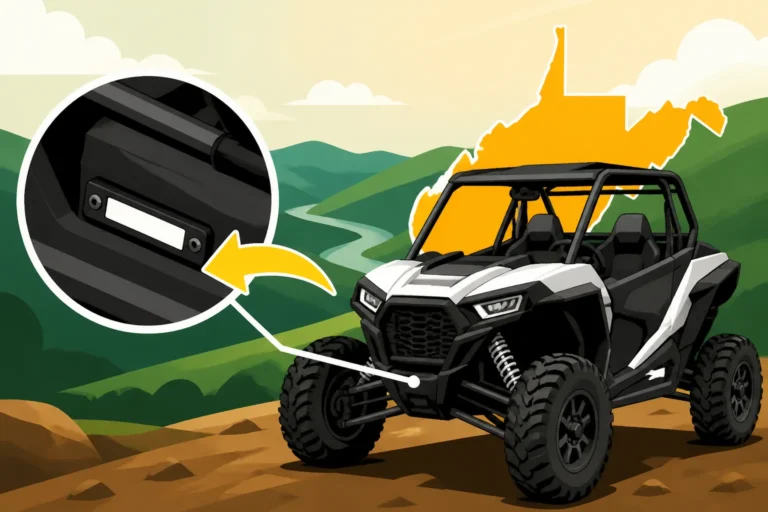
The actual process for titling an out-of-state ATV isn't drastically different for a non-resident keeping a machine at their West Virginia cabin. You'll typically visit a [West Virginia DMV Offices That Handle ATV Titles] location. You'll need your existing out-of-state title, a completed West Virginia ATV Title Application Form, and usually a VIN inspection. This inspection confirms the Vehicle Identification Number on your machine matches the paperwork, a crucial step to prevent fraud and ensure proper identification.
It's a good idea to gather all your documents beforehand. This includes a valid photo ID, proof of sales tax payment (if applicable), and any lien release documents if you previously had a loan on the machine. The DMV staff can guide you through the process, but having everything organized will make your visit much smoother. Sometimes, people are confused about what specific forms they need, or how to properly fill out a [West Virginia ATV Bill of Sale: What Belongs in It] if they just bought the machine out-of-state before bringing it to the cabin. Online resources or even tools like those found at LawDepot can assist in creating valid transactional documents if needed, especially if you're buying privately to bring to your West Virginia cabin.
Practical Steps for Titling Your Cabin ATV
Navigating the bureaucracy of titling can feel like a chore, especially when you're just trying to enjoy your time off. But with a clear plan, it's totally manageable. Here are the actionable steps to get your cabin-bound ATV or UTV legally titled in West Virginia.
Gathering Necessary Documentation
This is the cornerstone of a successful title transfer. You'll need more than just good intentions. Here's a general checklist of what to prepare:
- Original Certificate of Title: This is crucial. If you just bought the machine, ensure the seller has properly signed over their title to you.
- Bill of Sale: Even if you have the title, a detailed bill of sale is highly recommended. It records the purchase price (for sales tax calculation), date of sale, and identifies both buyer and seller. If you're using a template, ensure it covers all the necessary details. LawDepot, for example, offers customizable bill of sale templates that can help ensure you don't miss any critical information when you buy or sell.
- West Virginia ATV Title Application Form: This form will ask for details about the ATV, the seller, and you as the new owner. Fill it out completely and accurately.
- Proof of Identity: A valid driver's license or state ID.
- Proof of West Virginia Sales Tax Payment: If you purchased the ATV, you'll likely need to pay West Virginia sales tax unless an exemption applies (like gifting within family, for which you'd still need to declare it).
- Lien Release (if applicable): If there was a loan on the ATV, ensure you have the official documentation stating the loan has been paid off and the lien released.
- VIN Inspection: For out-of-state vehicles, this is usually mandatory. Some DMV offices can do it, or you may need to get it done by an authorized inspector or law enforcement.
This table provides a quick overview of common scenarios and requirements:
| Scenario | Key Documents Needed | WV Residency Required? | VIN Inspection Required? |
|---|---|---|---|
| Buying Used from WV Resident | Signed WV Title, Bill of Sale, ID | No (for machine's title) | Potentially, if title damaged |
| Buying Used from Out-of-State Resident | Signed Out-of-State Title, Bill of Sale, ID | No (for machine's title) | Yes |
| Gifting ATV (WV or Out-of-State) | Signed Title, Gift Affidavit, ID | No (for machine's title) | Yes (for out-of-state) |
| New ATV from WV Dealer | Dealer Handles Most Paperwork | No (for machine's title) | No (dealer confirms VIN) |
| Moving to WV with Out-of-State ATV | Signed Out-of-State Title, Proof of Ownership, ID | Yes (for owner) | Yes |
Visiting the West Virginia DMV
Once you have all your documents in order, your next step is to visit a West Virginia DMV office. While some states offer online titling options for certain vehicles, for ATVs, especially with out-of-state transfers or specific circumstances, an in-person visit is often the most reliable way to ensure everything is processed correctly. You can usually find a list of [West Virginia DMV Offices That Handle ATV Titles] on the state's official website.
During your visit, a clerk will review your paperwork, verify your identity, and process the title application. You'll pay any applicable title fees and sales tax at this time. Be prepared for a wait, especially during peak hours. Patience is key! Once your application is accepted, the DMV will usually issue you a temporary registration or a receipt, and your official West Virginia title certificate will be mailed to your designated address (your cabin's address, if that's what you used for the machine) within a few weeks. Remember, an untitled machine can lead to [Penalties for an Untitled ATV in West Virginia], so getting this done is not just about compliance, but about protecting your investment and your peace of mind.
What if You're Using a Street-Legal SPV?
If your vision for your cabin ATV includes riding it legally on public roads to access trails or nearby towns, you're looking at a whole different ballgame. West Virginia has a specific program for Street-Legal Special Purpose Vehicles (SPVs), which allows certain modified ATVs and UTVs to be registered for road use. This is distinct from simply titling an ATV for off-road use.
To qualify for a [West Virginia's Street-Legal Special Purpose Vehicle Plate], your machine will need to meet stringent equipment requirements, including things like headlights, taillights, turn signals, mirrors, a horn, and DOT-approved tires. This conversion process is an additional step beyond just obtaining a standard ATV title. If you're serious about making your cabin machine street-legal, you'll need to go through the title process first, and then apply for the SPV registration once your machine meets all the necessary safety and equipment standards. It's a larger undertaking but opens up many more possibilities for using your machine from your cabin.
Maintaining Your ATV's Legal Status While Cabin-Bound
Getting the title is a big step, but your responsibilities don't end there. Keeping your ATV or UTV legally compliant year-round, especially when it's kept at a secondary residence, requires a bit of ongoing attention. This mostly revolves around keeping your records up to date and understanding any state-specific requirements for riding.
Keeping Your Title Information Current
Life happens, and sometimes your information changes. If you move your primary residence, sell the cabin, or even decide to store the ATV at a different location for an extended period, you might need to update the address on your title. It's good practice to ensure the address on file with the DMV for your ATV title is where you receive mail for that machine. This ensures you get any important notices from the state regarding your vehicle.
If you ever need to [Replacing a Lost West Virginia ATV Title], having your current information on file makes the process much simpler. Always keep your physical title certificate in a safe, secure place, not necessarily on the machine itself. A copy can be carried when riding, but the original should be protected from loss or damage.
Understanding Riding Regulations
Even with a perfectly titled ATV, knowing where and how you can legally ride from your cabin is paramount. West Virginia is famous for its extensive trail systems, like [The Hatfield-McCoy Trails, West Virginia's 1,200-Mile Network], but accessing them from your cabin might involve some road riding. This is where understanding [Riding an ATV on the Road in West Virginia] becomes crucial. There are strict rules about speed limits, how far you can travel on certain roads, and mandatory safety equipment like helmets and eye protection, even for adults in many situations.
If your cabin is located near a trail system, you'll also want to familiarize yourself with any permit requirements for those specific trails. A West Virginia title makes your machine legal for possession, but a trail permit makes it legal for riding on the designated trails. Don't let the excitement of a new ride lead to a citation for riding where you shouldn't, or without the proper permits. Staying informed means your year-round cabin ATV experience will be one of enjoyment, not unexpected legal hassle.
Insurance Considerations for Your Cabin ATV
While titling handles ownership, insurance handles protection. While West Virginia doesn't require insurance for standard off-road ATV use (unless it's an SPV for road use), it's highly recommended, especially for a machine you're keeping at a secondary residence. Accidents can happen, and without proper coverage, you could be facing significant out-of-pocket costs for repairs, medical bills, or liability if someone else is injured or property is damaged.
Consider specific ATV insurance policies, as your homeowner's policy might not cover your ATV or UTV adequately, especially if it's stored at a different location from your primary residence. Talk to your insurance provider about options for comprehensive coverage, liability, and even theft protection for your cabin-kept machine. Ensuring you have the right insurance adds another layer of security and peace of mind to your West Virginia cabin adventures.
Disclaimer
This article is for general informational purposes only and does not constitute professional advice. Laws, prices and regulations vary by location and change over time. Consult a qualified professional for guidance on your specific situation.