Gifting an ATV in West Virginia and the Title That Follows
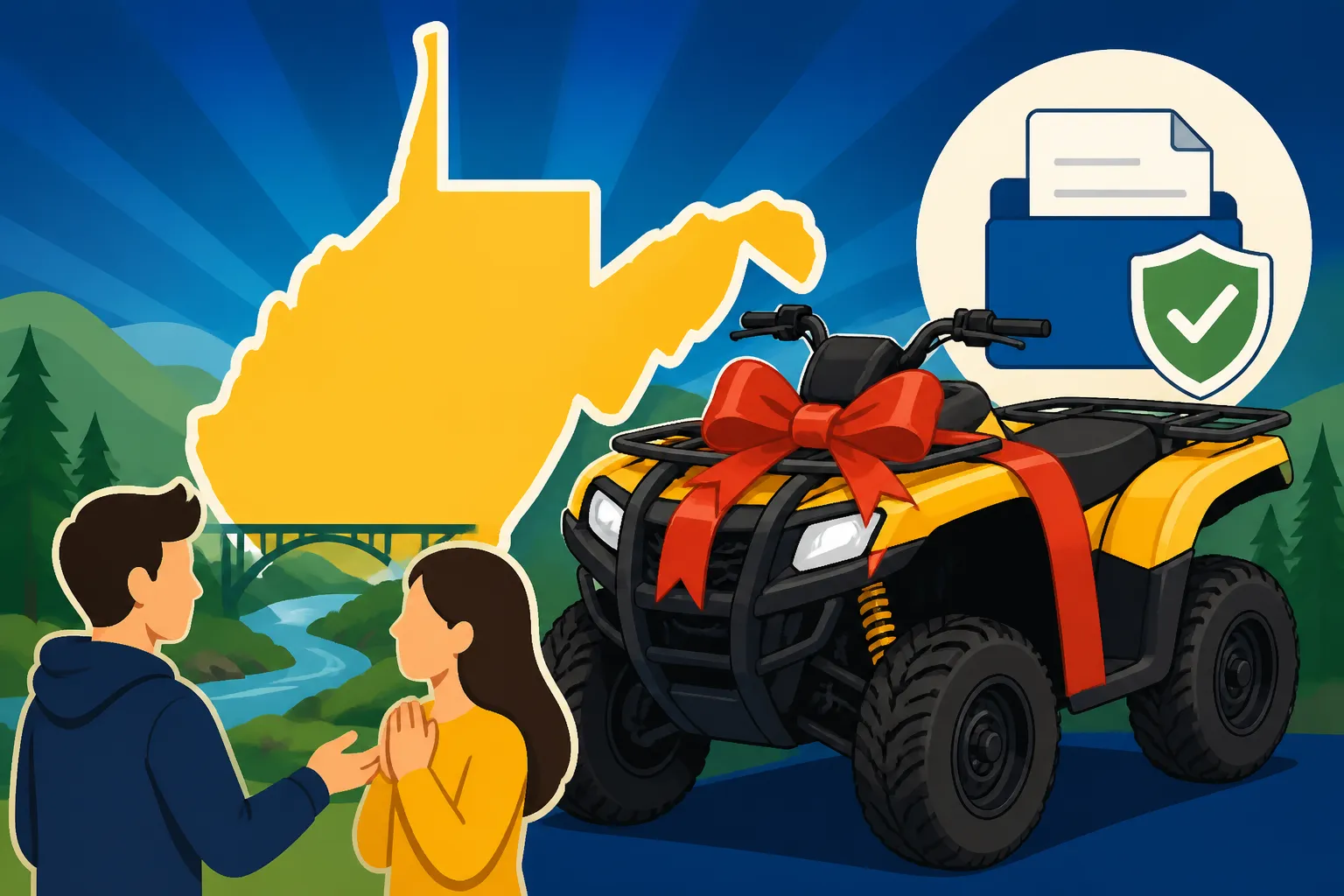
It's such a generous gesture to want to gift an ATV or UTV to a family member or a close friend in West Virginia. But let's be real, the moment you start thinking about the title, that warm fuzzy feeling can quickly turn into a knot of confusion. You want to do the right thing and make sure the machine is properly transferred, avoiding any headaches down the road. This guide is here to walk you through the nitty-gritty of gifting an ATV or UTV in the Mountain State, focusing on how to handle the title change smoothly and legally.
The Heart of the Gift: Why a Title Matters for an ATV
When you're giving away a valuable piece of equipment like an ATV or UTV, it's easy to think a simple "here you go" is enough. But West Virginia, like most places, has specific rules about who officially owns what, especially when it comes to off-road vehicles. Understanding why that title is so crucial, even for a gift, is the first step in making sure your generous act doesn't create future problems.
More Than Just a Handshake: Legal Proof of Ownership
Imagine giving your son that quad he's always wanted, a beloved machine you've had for years. You hand over the keys, he takes it for a spin, and everyone's happy. But if you haven't formally transferred the title, in the eyes of the law, you still own that ATV. The title document itself is the iron-clad legal proof of ownership. It's not just a fancy piece of paper; it's the official record that ties a specific vehicle identification number (VIN) to a specific person or entity.
Without this formal transfer, your son might encounter significant hurdles if he ever needs to prove the ATV is his. What if it gets stolen? Without a title in his name, it becomes incredibly difficult for him to report it as his property or for law enforcement to legally help him recover it. Even if you're there to vouch for him, the lack of a proper title transfer can complicate everything, from insurance claims to simple questions of who truly possesses the machine. A properly signed-over title protects both you, the generous giver, and the lucky recipient by creating an undeniable legal record of the ownership change. It's the ultimate paper trail for your peace of mind.
Avoiding Future Headaches: Registration and Resale
Beyond basic ownership proof, a correctly titled ATV or UTV opens doors for the new owner. Say your friend wants to use the gifted side-by-side on the Hatfield-McCoy Trails, or perhaps they're considering applying for a [West Virginia's Street-Legal Special Purpose Vehicle Plate] down the line to ride connector roads in towns like Gilbert or Man. Both of these scenarios require the vehicle to be properly titled in their name. You can't get a trail permit or an SPV plate for a machine you don't legally own. The state DMV won't issue it.
And let's be realistic, even a cherished gift might someday need to be sold. Life happens, interests change, or an upgrade might be in order. If the title wasn't transferred properly when you gifted it, your friend will face a huge obstacle when they try to sell it. They won't have a title in their name to sign over to the next buyer. This often means they'd have to track you down, the original giver, to ask you to apply for a duplicate title in your name, then sign it over to them, and then they can sign it over to their buyer. It's a convoluted, time-consuming process that can easily deter potential purchasers. A clean, properly transferred title from the start ensures that if your friend ever decides to sell, the transaction will be straightforward, just as if they had bought it themselves.
Essential Paperwork for Gifting an ATV in West Virginia
Gifting an ATV or UTV isn't quite as simple as just handing over the keys and waving goodbye. To ensure the transfer is legitimate and avoids any unintended tax implications or legal snags, you'll need to prepare a few key documents. This paperwork serves to clearly communicate to the West Virginia Division of Motor Vehicles (DMV) that the vehicle is indeed a gift, not a sale.
The Signed-Over Title: Your Primary Document
The most critical piece of paper in this whole process is the original ATV or UTV title itself. This is the document that explicitly states who the legal owner of the machine is. As the giver, your role is to properly sign this title over to the recipient. On most West Virginia titles, there's a specific section for "Assignment of Title by Owner" or something similar. This is where you, as the seller (even though it's a gift), will print and sign your name.
It's absolutely essential to fill out this section completely and accurately. You'll usually need to include the date of the transfer, the recipient's name and address, and sometimes an odometer reading. While ATVs and UTVs don't always have odometers that are as legally significant as those on cars, if your machine does have one, it's good practice to record the mileage. Most importantly, make sure your signature is clear and matches the name printed on the title as the current owner. If there are two owners listed with "AND" between their names, both will need to sign. If it's "OR," only one is typically required. Pay close attention to [Who Signs a West Virginia ATV Title] to ensure you're following the correct procedure for your specific title. Any errors or omissions here could cause delays and require you to visit the DMV again, which nobody wants.
The Bill of Sale: Proving the "Gift" Value
"But it's a gift, why do I need a bill of sale?" That's a fair question, and it’s one many people ask. Even for a gifted ATV or UTV, a bill of sale is incredibly important for the West Virginia DMV. Its primary purpose in this context is to explicitly state the transaction price as zero dollars and zero cents. This clear declaration is what signals to the DMV that no money changed hands, and therefore, no sales tax is due on the transfer. Without it, the DMV might assume a private sale and try to levy sales tax on an estimated value, creating an unnecessary financial burden for the recipient.
You don't need anything fancy for this. A simple, clear bill of sale stating "Gift" or "Value: $0.00" is usually sufficient. It should still include the full names and addresses of both the giver and receiver, a detailed description of the ATV (make, model, year, VIN), and the date of the transfer. While not always legally required for a gift, it's wise to get both parties to sign it. You can find many generic templates online, or use a service like LawDepot to generate a customized one, ensuring it covers all the necessary bases. For more details on what to include, check out [West Virginia ATV Bill of Sale: What Belongs in It]. Having this document makes the DMV visit much smoother and leaves no room for doubt regarding the nature of the transaction.
Affidavit of Gift: When It Helps and What It States
While a $0 bill of sale usually does the trick for proving a gift, some people prefer to go an extra step for absolute clarity, or the DMV might specifically request it in certain situations. This is where an Affidavit of Gift comes in. An affidavit is a sworn statement of fact, made under oath or affirmation. In this case, it's a formal declaration from you, the giver, explicitly stating that the ATV or UTV is being transferred as a gift, with no monetary exchange.
This document can be particularly useful if the DMV has specific concerns or if you want an undeniable record that the transaction was purely gratuitous. It reiterates that the transfer is not a sale, thereby reinforcing the sales tax exemption. The affidavit should clearly identify the giver and receiver, fully describe the ATV (including its VIN), state the date of the gift, and unequivocally declare that no consideration (payment) was received for the vehicle. It must be signed by the giver, and often notarized, which adds an extra layer of legal weight. While not always a mandatory step, having an Affidavit of Gift can streamline the process, especially if you're dealing with an unusually scrutinizing DMV clerk or if the vehicle has a particularly high market value that might otherwise raise questions about tax avoidance.
Navigating the West Virginia DMV for a Gifting Title Transfer
Once you've got your paperwork in order, the next step is actually making the title transfer official with the West Virginia Division of Motor Vehicles (DMV). This part can feel daunting, but breaking it down into steps for both the giver and receiver can make the process much more manageable. Remember, a little preparation goes a long way in avoiding multiple trips!
Steps for the Giver: Preparing the ATV for Its New Owner
As the generous person giving the ATV, your main responsibility actually comes before the receiver even steps foot in the DMV. Your primary job is to ensure the title is ready for transfer and that there are no lingering issues tied to the machine.
First and foremost, locate the original physical title. If you've misplaced it, you, as the current owner, will need to apply for a [Replacing a Lost West Virginia ATV Title] before you can gift it. You can't transfer what you don't physically possess. Once you have the title, carefully fill out the "Assignment of Title by Owner" section as detailed above. Print and sign your name exactly as it appears on the title. Ensure the date of transfer and the recipient's full legal name and address are accurate.
Next, make sure there are no existing liens on the ATV. If you ever financed the machine, the lender would have held the title or had their name recorded on it as a lienholder. Before you can gift it, that lien must be released. The lender typically sends a lien release document once the loan is paid off, or they electronically notify the DMV. It's crucial to confirm this is clear, as you cannot legally transfer a title with an active lien without the lienholder's explicit consent. For more on this, you can look into [Liens on a West Virginia ATV Title]. Finally, prepare the bill of sale (stating $0.00 value) and any optional Affidavit of Gift. Make copies of all these documents for your own records before handing them over to the recipient.
Steps for the Receiver: Securing Your New Title
Now it's the recipient's turn to take all that carefully prepared paperwork to the West Virginia DMV and make the ownership transfer official. This is where the machine truly becomes theirs.
The recipient will need to gather a few things:
- The properly signed-over original title from the giver.
- The $0.00 bill of sale and any Affidavit of Gift, if used. These are critical for avoiding sales tax.
- A completed [West Virginia ATV Title Application Form] (Form DMV-1-TR). This form asks for details about the vehicle and the new owner. It's best to fill out as much as you can beforehand, but don't sign it until you're in front of the DMV clerk, as they might require you to sign it there.
- Proof of identification, such as a valid West Virginia driver's license or state ID card.
- Payment for the [West Virginia ATV Title Fee]. While there's no sales tax on a gift, there is still a fee for issuing a new title.
- Proof of West Virginia residency, if your ID doesn't already provide it.
The recipient should take all these [Documents to Bring for a West Virginia ATV Title] to their local West Virginia DMV office. When explaining the transaction, be clear that it is a gift and present the bill of sale showing $0.00 or the Affidavit of Gift. This distinction is vital for sales tax exemption. The DMV clerk will process the paperwork, collect the title fee, and issue a temporary registration document (if applicable), letting you know when your new title will be mailed to you. Remember, patience is key here, as the actual title usually arrives by mail a few weeks later.
What if the Original Title is Missing?
This is a scenario that causes a lot of headaches, and it's unfortunately quite common. Let's say you want to gift your old quad to your nephew, but after tearing apart your filing cabinets, garage, and glove box, the title is nowhere to be found. You can't just create a new one, and you certainly can't transfer a title you don't have.
In West Virginia, the person whose name is currently on record as the owner (you, in this case) is the only one who can apply for a duplicate title. Your nephew, as the recipient, cannot do this. So, before you can proceed with the gift, you, the giver, must first apply for a [Replacing a Lost West Virginia ATV Title]. This involves filling out a specific form (often the Application for Duplicate Certificate of Title, Form DMV-4-TR), providing your identification, and paying a duplicate title fee. Once you receive the duplicate title in the mail, then you can proceed with the gifting process as outlined above, signing over the newly issued title to your nephew. This adds an extra step and a bit more time to the overall process, so it's always best to locate that original title if at all possible!
Special Scenarios and Common Pitfalls
While the general steps for gifting an ATV in West Virginia are fairly straightforward, there are a few unique situations and common traps that can trip up even the most well-intentioned givers and receivers. Being aware of these can save you a lot of grief.
Gifting to a Minor: Whose Name Goes on the Title?
Gifting an ATV or UTV to a child or teenager is a wonderful gesture, especially when it comes to getting them out on the trails. However, the legalities of titling a vehicle in a minor's name can be a bit tricky. In West Virginia, generally, a minor (someone under 18) cannot legally hold title to a vehicle solely in their own name. This means if you're gifting a quad to your 14-year-old son, his name won't be the only one on the title.
Instead, the title will typically need to be issued in the name of a parent or legal guardian, or jointly in the name of the minor "and" their parent/guardian. For example, it might read "John Doe OR Jane Doe" (the parents), or "John Doe AND Minor's Name, by John Doe, Guardian." The exact phrasing can vary, but the key is that an adult must be legally responsible for the vehicle. This adult will be responsible for ensuring compliance with all [Youth ATV Size Rules for West Virginia Families] and other regulations, including supervising the minor's riding. This is a critical consideration to discuss with the DMV clerk when processing the paperwork. You can learn more about this by reading [Buying an ATV for a Child: Whose Name Goes On It]. Making sure the title reflects the correct legal ownership from the start will prevent future complications regarding liability or sale.
Out-of-State Gifts: Bringing it to West Virginia
What if your generous relative lives in Ohio and wants to gift you their UTV, and you're bringing it back to your home in West Virginia? This adds an extra layer of complexity, but it's entirely doable. The core principle remains the same: the machine needs to be properly titled in West Virginia in your name.
When you bring an out-of-state ATV or UTV into West Virginia, even as a gift, you'll follow a process similar to titling a newly purchased out-of-state machine. The giver from the other state will sign over their state's title to you, just as you would with a West Virginia title. You'll also need that crucial $0.00 bill of sale or gift affidavit to prove to the West Virginia DMV that no sales tax is owed here. You will fill out the West Virginia ATV Title Application, provide your West Virginia identification and proof of residency, and pay the West Virginia title fee. Sometimes, the DMV might also require a VIN inspection to verify the vehicle's identity before issuing a new West Virginia title. Make sure you understand all the specifics by reviewing [West Virginia Title Rules for Out-of-State Machines] before you head to the DMV, as each state's titles can look a little different.
Avoiding the "Straw Purchase" Perception
Here's a subtle but important pitfall to be aware of: the DMV's perception of the transaction. Because gifts are exempt from sales tax, there's always a possibility that the DMV might scrutinize a "gift" transaction to ensure it's not a disguised sale meant to avoid paying taxes. This is why clear and consistent documentation is paramount.
If you simply present an unsigned title and say "it's a gift," without any supporting documentation, the DMV clerk might question the legitimacy, especially if the ATV is relatively new or valuable. They might then demand an estimated value for the machine and attempt to collect sales tax. To avoid this entirely, make sure your paperwork is impeccable. The $0.00 bill of sale, clearly stating the nature of the transfer, is your best defense. An Affidavit of Gift (preferably notarized) further solidifies your claim. Be prepared to clearly and calmly explain that the vehicle was received as a gift, and provide all the signed and dated documents to support your assertion. Being transparent and prepared will help you breeze through the process and avoid any perception of trying to circumvent tax laws.
Why It's Worth Doing It Right: Benefits of a Clean Gift Title
Okay, so we've talked a lot about paperwork, DMV visits, and potential pitfalls. It might sound like a lot of hassle for a gift, but trust me, taking the time to do it right from the beginning will save you a mountain of stress and potential problems down the road. The benefits of a clean, properly transferred gift title extend far beyond simply having the correct name on a piece of paper.
Peace of Mind for Both Parties
Think about it: who wants to constantly wonder if a prized possession is truly theirs, or if a past generous act could come back to haunt them? When the ATV or UTV title is properly transferred in West Virginia, both the giver and the receiver can breathe a huge sigh of relief.
For the giver, it means you are no longer legally tied to that machine. Any liability, future tickets, or potential disputes over ownership are now clearly the responsibility of the new owner. You've officially washed your hands of it, knowing you've done everything by the book. This peace of mind is invaluable. For the receiver, it's about ownership in its truest sense. There's no doubt, no gray area. The machine is unequivocally yours. You can ride it, customize it, and most importantly, feel secure knowing that your claim to it is legally documented and unchallengeable. This feeling of genuine ownership enhances the joy of the gift itself, transforming it from a loan or an informal arrangement into a truly owned asset.
Smooth Sailing for Future Use and Compliance
A clean title in the recipient's name isn't just about legal proof; it's about unlocking all the possibilities that come with ATV or UTV ownership in West Virginia. Without a proper title, the new owner would find themselves constantly hitting roadblocks.
For example, if the recipient ever wants to get [Insuring an ATV in West Virginia], the insurance company will require proof of ownership – and that means a title in their name. You can't insure what you don't own. Similarly, if they decide to ride their UTV on the designated street-legal roads in a trail town, they might want to apply for a Special Purpose Vehicle (SPV) plate. To get that, the machine must be titled in their name with the DMV. Trying to [Registering a Street-Legal Special Purpose Vehicle in West Virginia] with a title still in the original giver's name would be an exercise in futility.
Beyond these practical steps, consider the consequences of not having a titled machine. West Virginia has clear [Penalties for an Untitled ATV in West Virginia], which can range from fines to even impoundment of the machine if ownership cannot be clearly established during an incident or traffic stop. By ensuring the title is properly transferred as a gift, you're not just giving a machine; you're giving the freedom to enjoy it fully, legally, and without fear of unnecessary legal or administrative hurdles. It's a testament to the idea that doing things the right way, even if it takes a little effort, always pays off in the long run.
Comparing Gift Documentation Options
To summarize the paperwork involved in gifting an ATV or UTV in West Virginia, here's a quick comparison of the key documents and their roles:
| Document | Purpose for Gifting ATV/UTV | Key Details to Include | Why It's Important |
|---|---|---|---|
| Original Title | Legal transfer of ownership from giver to receiver. | Giver's printed name and signature (as seller), receiver's printed name and address (as buyer), date of transfer, vehicle VIN, make, model, year. Odometer reading (if applicable and available). | Absolutely essential. This is the primary document proving and enacting the change of legal ownership. Must be present and correctly filled out for the DMV to process. |
| Bill of Sale | Clearly states the transaction price is $0.00, affirming it's a gift and exempt from sales tax. | Giver's full name and address, receiver's full name and address, date of transfer, detailed ATV/UTV description (VIN, make, model, year), explicit statement of "Gift" or "Transaction Price: $0.00." Signatures of both giver and receiver are recommended. | Highly Recommended. Prevents the DMV from assessing sales tax on the perceived value of the ATV. Provides clear documentation that no money changed hands. |
| Affidavit of Gift | A sworn statement by the giver formally declaring the transfer as a gift, with no monetary exchange. | Giver's full name and address, receiver's full name and address, date of transfer, detailed ATV/UTV description (VIN, make, model, year), explicit declaration that the vehicle is a gift and no payment was received. Must be signed by the giver, and notarization is often advisable for added legal weight. | Optional, but beneficial. Further reinforces the "gift" status for the DMV, especially for high-value machines or if additional proof is requested. Can help avoid "straw purchase" scrutiny. |
| Title Application (DMV-1-TR) | Completed by the receiver to apply for a new West Virginia title in their name. | Receiver's personal information, vehicle details (VIN, make, model, year), purchase/gift date, lienholder information (if any, though unlikely for a gift), signature of applicant (receiver). | Required for Receiver. The DMV needs this form to formally process the new title and put it in the recipient's name. |
Disclaimer
This article is for general informational purposes only and does not constitute professional advice. Laws, prices and regulations vary by location and change over time. Consult a qualified professional for guidance on your specific situation.