Does a Street-Legal ATV Need an Inspection in West Virginia?
Making your ATV or UTV street-legal in West Virginia is a huge accomplishment, often involving significant time and investment to get all the necessary modifications just right. But once you have that coveted Special Purpose Vehicle (SPV) plate, a common question pops up: do you need to get your street-legal ATV inspected every year like a regular car or truck? This guide will clear up the confusion surrounding inspections for West Virginia SPVs, helping you understand your ongoing responsibilities and ride confidently.
Understanding West Virginia's Special Purpose Vehicle (SPV) Designation
Before we dive into inspections, it's really important to grasp what "street-legal" means in West Virginia for an off-road machine. It’s not just a casual term; it’s a specific designation with a clear set of requirements that transforms your dirt-loving machine into one capable of sharing public roads.
What Qualifies as an SPV in West Virginia?
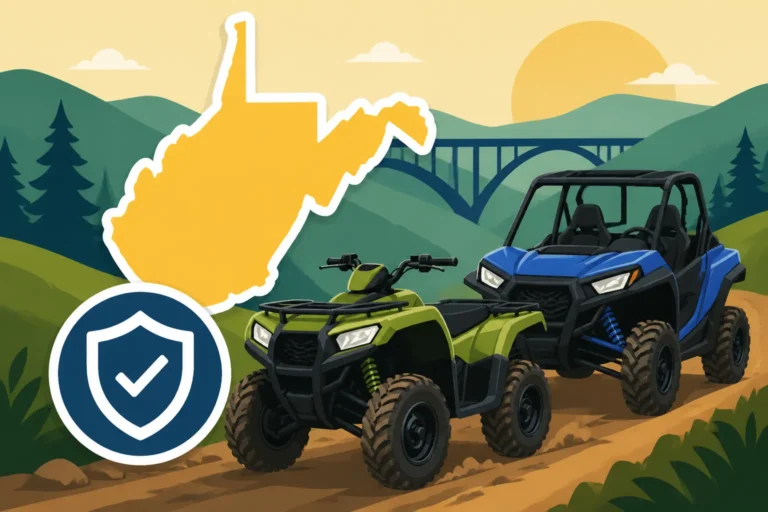
An SPV in West Virginia is essentially an ATV, UTV, or even a dirt bike that has been modified to meet specific safety and equipment standards, allowing it to be legally operated on certain public roads. Think of it as giving your off-road warrior a road-worthy makeover. This isn't just about bolting on a license plate; it involves adding components like headlights, taillights, brake lights, turn signals, a horn, and mirrors. Depending on the machine, you might also be looking at a windshield, proper DOT-approved tires, and ensuring your exhaust system is compliant with noise regulations and has a spark arrestor.
The whole idea behind the SPV designation is to ensure that these vehicles, which weren't originally designed for asphalt, can operate safely alongside traditional traffic. It's a fantastic program that opens up so many riding opportunities, especially connecting trails to trail towns, but it comes with the responsibility of meeting — and maintaining — those critical standards. If you're considering this transformation, understanding [West Virginia's Street-Legal Special Purpose Vehicle Plate] is your first step.
The Initial Titling and Registration Process for an SPV
The journey to making your machine street-legal truly begins at the West Virginia DMV with the titling and registration process. This initial step is, in many ways, the most critical "inspection" your SPV will ever face. When you apply for that SPV title and plate, you're not just handing over paperwork; you're essentially making a declaration that your vehicle now meets all the necessary equipment requirements. The DMV will review your application, often including a completed [West Virginia ATV Title Application at the DMV] form, your proof of ownership (like the Manufacturer's Statement of Origin or a previous title), and a bill of sale, especially if you bought it privately. Many riders find useful templates for their bill of sale from resources like LawDepot to ensure all the correct details are included.
While a DMV clerk isn't typically going to walk out to the parking lot with a checklist to physically inspect every nut and bolt on your ATV, they are meticulously checking that your application and supporting documents attest to its street-legal status. This might involve reviewing affidavits or statements from you, the owner, confirming that the required modifications have been made. This administrative scrutiny is designed to ensure that only properly equipped machines receive the SPV designation. Getting your machine correctly registered is paramount, and understanding [Registering a Street-Legal Special Purpose Vehicle in West Virginia] will guide you through it.
The Truth About Annual Inspections for West Virginia SPVs
Now, let's get right to the heart of the matter, because this is where many riders breathe a sigh of relief (or get a little confused).
No Mandatory Annual Safety Inspection for SPVs
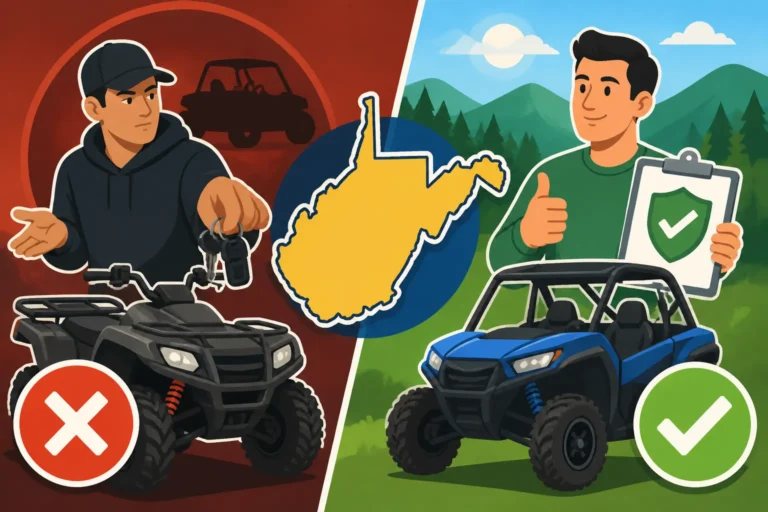
Here's the definitive answer: No, a street-legal ATV or UTV (Special Purpose Vehicle) in West Virginia does not require an annual safety inspection. Unlike many other states that mandate yearly checks for all road-going vehicles, West Virginia does not have a standing requirement for annual inspections for its SPVs. Once you've successfully navigated the initial titling and registration process, proving your machine meets the street-legal equipment standards, you won't need to take it back to an inspection station year after year.
This is a significant difference from how passenger cars and trucks are handled in some other jurisdictions, and it saves SPV owners both time and money. The state puts the onus on the owner to maintain their vehicle in road-worthy condition after that initial approval. So, while you're free from the annual inspection hassle, your responsibility to keep your machine compliant never really ends.
Equipment You Must Always Maintain
Just because there's no annual inspection doesn't mean you can let your SPV's road-legal equipment fall into disrepair. In fact, maintaining all the necessary components is an ongoing legal obligation for any SPV owner in West Virginia. This is where personal responsibility really comes into play. You are expected to continuously ensure that your machine meets the standards it was registered under.
This means regularly checking your headlights, taillights, and brake lights to make sure they're all functioning correctly. Your turn signals need to be bright and clear, the horn must emit an audible warning, and your mirrors need to be securely mounted and provide a clear view to the rear. Don't forget your tires; they must be DOT-approved and have adequate tread. Even smaller details, like ensuring your spark arrestor is intact and your muffler isn't excessively loud, are part of the deal. Law enforcement officers can still pull you over and issue a citation if they notice any missing or faulty equipment. Staying compliant with [Equipment a West Virginia SPV Must Carry] is not just a suggestion; it's a rule of the road. Moreover, if you plan to ride after sunset, knowing [Lights Required After Dark in West Virginia] is absolutely critical for your safety and legal compliance.
When an "Inspection" Might Still Happen
While your SPV won't be subject to a scheduled annual inspection, there are still scenarios where your machine's compliance with street-legal requirements could be scrutinized. These situations serve as reminders that the spirit of an inspection—ensuring safety and legality—is always present on public roads.
DMV Scrutiny During Initial SPV Application
As we touched on earlier, the moment you first apply for your SPV plate is arguably the most intensive "inspection" process your machine will undergo. It’s a paper-based inspection, but it’s thorough. The West Virginia DMV's role is to ensure that the vehicle you intend to make street-legal truly qualifies for the designation. This involves a meticulous review of all your submitted documents. They'll verify your proof of ownership, such as the Manufacturer's Statement of Origin (MSO) or previous title, check the accuracy of your bill of sale (which you might have drafted with help from LawDepot to ensure it meets all legal standards), and confirm that any conversion affidavits or owner attestations clearly state that the required safety equipment has been installed.
While they won't typically send a mechanic out to physically test your brakes or check your tire pressure, the DMV is scrutinizing the declarations that your machine is street-legal. Any discrepancies or missing information in your paperwork can lead to delays or rejection. This means being incredibly precise when filling out forms and making sure every piece of supporting documentation is in order. It's their way of making sure that what you say about your machine on paper aligns with the state's requirements before it ever hits the pavement with an SPV tag.
Law Enforcement Stops and Potential Citations
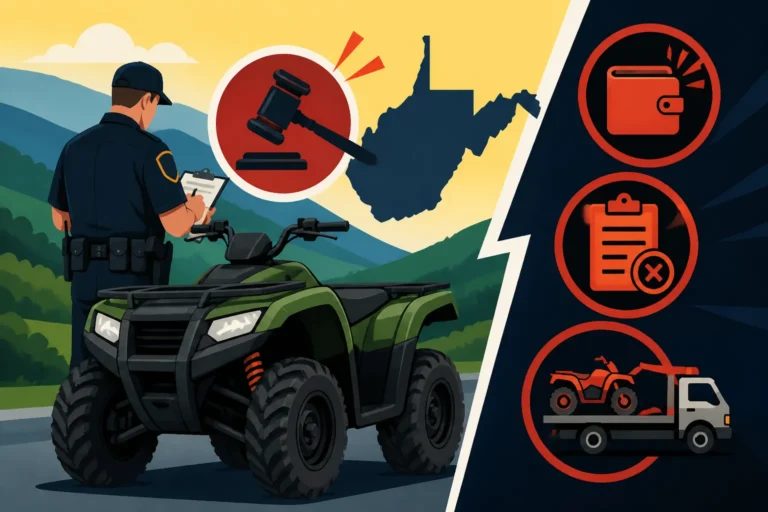
Even without an annual inspection sticker, your street-legal ATV is still subject to the keen eye of law enforcement. Any state or local police officer has the authority to pull you over if they observe what appears to be a violation of equipment standards or unsafe operation. This isn't a comprehensive safety inspection like a dedicated mechanic would perform, but rather an observation of obvious non-compliance. For example, if your headlight is out, your turn signal isn't flashing, a mirror is missing, or your tires are visibly bald, an officer can issue you a citation.
These stops serve as a real-world enforcement of the requirement to maintain your SPV in good working order. The consequences of being found non-compliant can range from a simple warning to fines, or even being instructed to immediately cease operating the vehicle on public roads until the issue is rectified. It’s a critical reminder that your responsibility for vehicle maintenance extends far beyond the initial registration. You want to avoid [Tickets West Virginia Deputies Write for Road Riding] by always staying compliant.
Insurance Requirements for SPVs
While not an inspection in the mechanical sense, proper insurance is an absolutely mandatory ongoing compliance requirement for any street-legal SPV in West Virginia. Just like any other vehicle licensed for road use, your ATV or UTV, once it has an SPV plate, must carry at least the state's minimum liability insurance coverage. This isn't just a suggestion; it's the law.
Operating an SPV on public roads without valid insurance can lead to severe penalties, including fines, suspension of your driving privileges, and even impoundment of your vehicle. More importantly, if you're involved in an accident, being uninsured can expose you to immense financial liability for damages and injuries. This is a critical layer of ongoing responsibility that riders must consistently maintain. Always be sure your [Insurance Required for a West Virginia SPV Plate] is up to date, and understand the [Insurance Minimums for a West Virginia SPV] to protect yourself and others on the road.
Ensuring Your SPV Stays Road-Ready and Legal
Given that there are no annual inspections for West Virginia SPVs, the onus is truly on you, the rider, to ensure your machine remains safe and legal for road use. This requires a proactive approach and a commitment to regular maintenance.
Regular Self-Checks and Maintenance
The best way to ensure your SPV is always road-ready is to implement a routine of regular self-checks and maintenance. Treat your street-legal ATV or UTV with the same care and attention you would give to any other road vehicle. Before each ride, especially if you plan on hitting public roads, quickly inspect all your lights (headlights, taillights, brake lights, and turn signals) to make sure they are working. Test your horn, check your mirrors for proper placement and visibility, and give your tires a once-over for pressure and tread wear.
It's also a good practice to regularly check your brakes, steering, and any other modifications you made for street legality. If something isn't working right, don't just ignore it – get it fixed promptly. This proactive mindset not only keeps you compliant with the law but, more importantly, keeps you and other road users safe. Think of it as your own personal "mini-inspection" before every journey.
Keeping Your Documentation Handy
Even though you don't need an inspection sticker, it's absolutely crucial to always have your essential documentation with you when operating your SPV on public roads. This includes your valid West Virginia driver's license, your current SPV registration card, and proof of your liability insurance. These are the documents that law enforcement will typically ask for during a traffic stop.
While you don't generally need to carry your vehicle's title, having your registration and insurance accessible is non-negotiable. If you ever need to replace a lost document or are looking to sell your machine, using reliable forms (perhaps from a resource like LawDepot) helps ensure all your paperwork is clear and complete. Knowing [What a West Virginia SPV Registration Card Shows] is helpful, and while it's not strictly required on the trail, it's smart to have your registration and insurance proof on you, especially if you venture onto public roads. You won't typically need to carry your actual title, but you should understand [Carrying Your Title Copy on a Trail Ride] for those situations where it might be useful.
Here's a quick comparison of West Virginia SPV requirements versus standard passenger vehicles:
| Feature | West Virginia SPV (Street-Legal ATV/UTV) | Standard Passenger Vehicle (Car/Truck) |
|---|---|---|
| Annual Safety Inspection | Not required | Not required |
| Initial Equipment Check | Detailed at time of titling/registration | Manufacturer's certification |
| Insurance Required | Yes, minimum liability | Yes, minimum liability |
| Registration Renewal | Annually | Annually |
| Law Enforcement Checks | Yes, for visible equipment compliance | Yes, for visible equipment compliance |
| Driver's License Needed | Yes | Yes |
Disclaimer
This article is for general informational purposes only and does not constitute professional advice. Laws, prices and regulations vary by location and change over time. Consult a qualified professional for guidance on your specific situation.