Penalties for an Untitled ATV in West Virginia
It's incredibly frustrating when you've got a shiny (or maybe not-so-shiny, but still awesome!) ATV or UTV, and you just want to hit the trails or get some work done around the property, but you're constantly looking over your shoulder because you haven't quite gotten around to titling it. Many folks in West Virginia believe that if they're only riding on private land or aren't taking it on public roads, a title isn't a big deal. But let me tell you, that assumption can lead to a heap of trouble and unexpected legal headaches. This comprehensive guide is here to shed light on the real penalties for having an untitled ATV or UTV in the Mountain State and help you navigate the necessary steps to avoid those pitfalls.
Why West Virginia Requires Titles for ATVs and UTVs
You might wonder why the state bothers with titles for off-road vehicles when they aren't traditionally driven on public highways like cars. It feels like an extra layer of bureaucracy, doesn't it? But there are very practical reasons behind West Virginia's titling requirements, and understanding them can help clarify why the state takes this seriously.
Establishing Legal Ownership and Preventing Theft
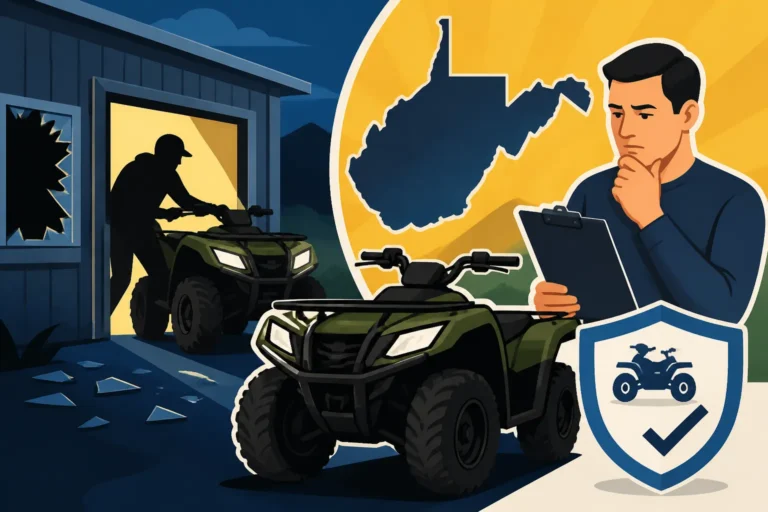
First and foremost, a title is the official proof of ownership. It's a legal document issued by the West Virginia Division of Motor Vehicles (DMV) that clearly states who the registered owner of the ATV or UTV is. Without it, verifying who legitimately owns a machine becomes incredibly difficult. Imagine buying a used quad, only to find out later it was stolen. If it doesn't have a clear title history, you could lose both your money and the machine. This is especially important for sellers, too; a title protects them from future claims against a machine they no longer own. It's the ultimate paper trail for your powersports machine.
Beyond individual ownership, titling helps law enforcement track vehicles. Each title is linked to a unique Vehicle Identification Number (VIN), making it much harder for stolen machines to be resold or disappear without a trace. This system acts as a deterrent for thieves and provides a crucial tool for recovering stolen property. In a state where ATVs and UTVs are so popular, preventing theft and ensuring legitimate sales are paramount.
Supporting Revenue and Infrastructure
Another significant reason for titling is revenue generation for the state. When you title an ATV or UTV, you'll typically pay a titling fee and, often, sales tax on the purchase price. While these fees might seem like another burden, they contribute to the state's general fund and, importantly, sometimes to specific funds that support recreational initiatives, trail maintenance, and other public services that benefit ATV and UTV riders. It’s part of the overall system that helps maintain the very trails and infrastructure many riders enjoy.
Think about it: the very trails you might be riding on, or the services that support them, often rely on these types of revenues to operate. While it’s not always a direct one-to-one correlation, state titling and tax revenues are part of the larger economic ecosystem that supports our beloved [West Virginia ATV & UTV] lifestyle. It's a way for everyone to contribute a little to keep the wheels turning, so to speak.
The Immediate Consequences of an Untitled ATV
So, you're out riding, feeling free, and then you see flashing blue lights. What happens next if your ATV or UTV isn't titled? The immediate consequences can range from a slap on the wrist to a complete disruption of your day, your wallet, and your freedom to ride. It’s crucial to understand these potential immediate impacts.
Roadside Stops and Citations
The most common immediate penalty for an untitled ATV or UTV occurs during a traffic stop or a routine check by law enforcement. While you might be riding on private land, accessing trails, or even briefly crossing a public road (which has its own set of rules), an officer can stop you if they suspect you're operating an un-titled machine or if you're violating other ATV laws. Many folks wrongly assume that because West Virginia has such extensive trail systems, the rules are lax everywhere. That's simply not the case.
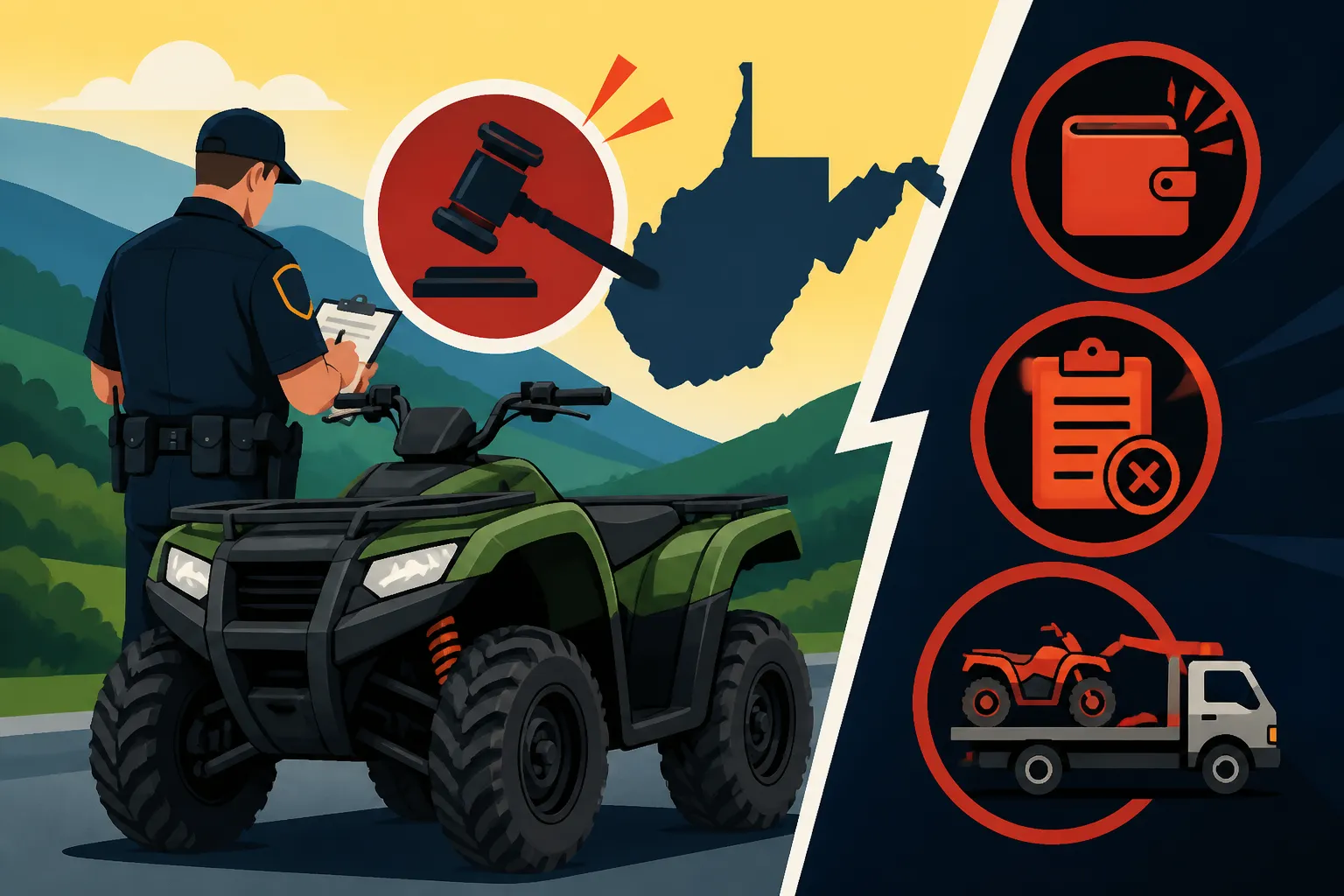
If you're stopped and cannot produce a valid title, or proof that one is pending, you're likely to receive a citation. This isn't just a minor warning; it's a legal notice requiring you to pay a fine or appear in court. The amount of the fine can vary based on the specific circumstances and the officer's discretion, but it can quickly add up, turning a fun day into an expensive mistake. It’s far more than just a small ticket.
Impoundment of Your Machine
Perhaps one of the most disheartening immediate consequences is the impoundment of your ATV or UTV. If an officer determines that your machine is being operated illegally due to lack of a title, or if there's suspicion of theft, they have the authority to seize the vehicle. This means your prized possession could be loaded onto a tow truck and taken to an impound lot.
Retrieving an impounded machine is rarely a simple task. First, you'll need to resolve the titling issue, which could involve proving ownership, getting a [Bonded Title for an ATV in West Virginia], or working through a missing title process. Then, you'll be on the hook for towing fees, daily storage fees at the impound lot, and any fines associated with the citation. These costs can quickly escalate, sometimes reaching hundreds or even thousands of dollars, easily surpassing the original titling fees you were trying to avoid. It’s a costly lesson to learn, and a huge hassle.
Beyond the Roadside: Long-Term Repercussions
The headache of an untitled ATV doesn't end when the officer drives away or when you pay a fine. The lack of a proper title can create a ripple effect, leading to significant long-term problems that affect your finances, your legal standing, and your ability to enjoy your machine freely.
Insurance Headaches and Liability Risks
One of the biggest silent penalties of an untitled ATV is the massive void it creates in your insurance coverage. Most insurance companies require proof of ownership, typically in the form of a title, before they will issue a policy for your machine. If you've managed to get insurance without a title, or if you're riding uninsured (a risky move in itself), you could be in for a rude awakening if an accident occurs.
Without a title, proving you own the machine for an insurance claim becomes nearly impossible. This means if your ATV is stolen or completely destroyed in an accident, your insurance company might deny your claim, leaving you to bear the entire financial loss. Even worse, if you're involved in an accident that causes injury or property damage to someone else, and you're deemed at fault, you could be personally liable for those damages. This could lead to lawsuits, wage garnishments, and a severe impact on your financial future. Having the correct documentation, including a title, is foundational to protecting yourself. [Insuring an ATV in West Virginia] is a critical step, and it starts with a title.
Difficulties in Selling or Transferring Ownership
When the time comes to upgrade, or if you simply need to sell your ATV or UTV, not having a title can be a deal-breaker. Most informed buyers in West Virginia (and everywhere else) will refuse to purchase a machine without a clear, signed-over title. They know the risks involved: potential theft, unknown liens, and the difficulty they'll face when trying to title it themselves. This dramatically shrinks your pool of potential buyers and often forces you to sell the machine for significantly less than its market value.
Even if you find a buyer willing to take the risk, the process of transferring ownership becomes incredibly complicated, if not impossible. You can't legally sign over a machine you don't have a title for. This often leads to incomplete sales, frustrated buyers, and you still technically owning a machine you no longer possess. Should that machine be involved in an incident after you "sell" it, without a proper title transfer, you might still be held responsible. This is where legal templates from resources like LawDepot for a robust bill of sale might come in handy to protect both parties, but even a perfect bill of sale can't replace a title when it comes to transfer of ownership at the DMV. You can learn more about [Selling an ATV in West Virginia Without Trouble] but rest assured, a title is at the core of that process.
Legal Disputes and Proof of Ownership Challenges
Beyond sales, an untitled ATV can create a quagmire of legal disputes. What if you lend your machine to a friend, and they refuse to return it? Without a title, proving in court that the ATV is yours can be incredibly challenging. What if a dispute arises over who actually owns the machine after a divorce or death in the family? The title is the ultimate arbiter in such situations.
Without it, you might find yourself needing to gather various affidavits, receipts, and other forms of circumstantial evidence, which can be time-consuming, expensive, and still might not be as conclusive as a clean title. This is where things can get truly messy, and it’s a scenario no one wants to face. Properly handling [Transferring a West Virginia ATV Title After a Death] or [Removing a Name From a West Virginia Title After a Divorce] hinges entirely on having that initial title.
Titling Your ATV: The Path to Peace of Mind
Navigating the West Virginia DMV can sometimes feel like a puzzle, but titling your ATV or UTV doesn't have to be a nightmare. Taking the proactive steps to secure your title will save you from all the headaches we've just discussed and ensure you can ride with full confidence.
Necessary Documents for Titling
The DMV requires specific documents to process your ATV or UTV title application. Having these ready before you visit the office will make the process much smoother. Typically, you'll need:
- Manufacturer's Certificate of Origin (MCO) or previous title: This is the most crucial document. For a brand-new machine, the dealer provides the MCO. For a used machine, the seller should provide you with the properly signed-over previous title.
- Bill of Sale: Even if you have the MCO or title, a detailed bill of sale is essential, especially for private sales. This document should clearly list the buyer and seller's information, the ATV's VIN, make, model, year, purchase price, and date of sale. Some folks use templates from sites like LawDepot to ensure all the necessary details are included. Learn more about [West Virginia ATV Bill of Sale: What Belongs in It].
- Odometer Disclosure Statement: For most titled vehicles, an odometer disclosure is required. While many ATVs don't have traditional odometers, the DMV will guide you on specific requirements for your machine type.
- Application for Certificate of Title: This is the official form (DMV-1-TR) you'll fill out. It asks for all the pertinent details about you and your ATV. You can often find this form online on the West Virginia DMV website.
- Proof of West Virginia Residency: A valid West Virginia driver's license or other approved identification.
- Proof of Sales Tax Payment: If you bought the machine from a dealer, they usually handle the sales tax. If it was a private sale, you'll pay sales tax directly to the DMV when you title it. Check out [West Virginia Sales Tax on an ATV Purchase] for details.
It's always a good idea to call your local [West Virginia DMV Offices That Handle ATV Titles] beforehand or check their website to confirm the exact list of required documents, as requirements can sometimes have nuances based on the age or origin of the vehicle.
The Titling Process: Step-by-Step
Once you have your documents in order, the titling process generally follows these steps:
- Gather Your Documents: As listed above, get everything organized. Make sure the previous title is properly signed by the seller. If you're buying new from a dealer, they'll often guide you through this, but for private sales, it's all on you.
- Complete the Application: Fill out the DMV-1-TR form completely and accurately. Double-check all VINs and owner information.
- Calculate Sales Tax and Fees: Be prepared to pay the West Virginia sales tax (if applicable) and the titling fee. The DMV clerk will help you confirm the exact amount due.
- Visit the DMV: Take all your original documents, your completed application, and payment to a West Virginia DMV office that handles ATV titles.
- Submit and Wait: The clerk will review your paperwork. If everything is in order, they'll process your application. You'll typically receive a temporary registration or receipt immediately, and your official title will be mailed to you within a few weeks. [How Long a West Virginia ATV Title Takes] can vary, so be patient, but keep your temporary paperwork safe!
| Document Type | Purpose | Who Provides It | When Needed |
|---|---|---|---|
| Manufacturer's Certificate of Origin | Proof of new vehicle ownership | Dealer | New ATV purchase |
| Previous Title (signed) | Proof of prior ownership and transfer | Private Seller | Used ATV purchase |
| West Virginia Bill of Sale | Details of sale, purchase price, VIN | Buyer & Seller (private sale) / Dealer (dealer sale) | All purchases |
| Odometer Disclosure Statement | Required by law, even if odometer is not present | Buyer (DMV will guide) | Most titled vehicles |
| Application for Certificate of Title | Official DMV form for titling | West Virginia DMV (available online or in office) | All titling processes |
| Proof of Residency | Verifies you are a WV resident | Buyer | All titling processes |
| Sales Tax Payment | State tax on purchase price | Buyer (at DMV for private sale) / Dealer (for dealer sale) | All purchases (unless exempt) |
What If You Bought an ATV Without a Title?
This is a common scenario and often where people find themselves in a bind. You saw a great deal, maybe didn't know about the titling rules, or the seller swore up and down it wasn't needed. Now you're stuck with a machine and no clear way to make it legally yours. Don't despair, but do understand it will require some effort.
The Importance of a Bill of Sale (Even Without a Title)
If you've bought an ATV or UTV without a title, your bill of sale becomes your most critical piece of evidence. While it doesn't replace a title, it serves as proof that a transaction occurred and that you are the rightful possessor of the machine. A strong bill of sale should include:
- The full names and addresses of both the buyer and seller.
- The date of the sale.
- The purchase price.
- A detailed description of the ATV or UTV, including make, model, year, and crucially, the full VIN.
- A statement that the vehicle is sold "as-is" and any other relevant clauses.
- Signatures of both the buyer and seller.
Even better if it was notarized, though that's not always required in West Virginia for a bill of sale alone. A good template, perhaps one sourced from a legal document provider like LawDepot, can ensure you have all the necessary fields. This document will be your starting point if you need to pursue a [Bonded Title for an ATV in West Virginia] or any other method of getting a title without the previous one.
Options for Titling a Machine Without the Original Title
West Virginia recognizes that sometimes titles get lost, destroyed, or were never issued in the first place for older machines. Here are some pathways you might explore:
- Contacting the Previous Owner: The simplest solution, if possible, is to track down the person who sold it to you (or the person they bought it from) and ask them to apply for a duplicate title. They can then sign it over to you. This assumes they're willing and able to cooperate. If you’re trying to navigate [Titling an ATV in West Virginia Without the Previous Owner], it's a steeper climb.
- Bonded Title: For certain situations, West Virginia offers a bonded title process. This is essentially a way to obtain a title if you have a bill of sale but no previous title, and you meet specific requirements (like the vehicle not being reported stolen). You would purchase a surety bond, which protects the state and any previous owners from potential claims against the vehicle. The process involves filling out a special application, presenting your proof of ownership (like that detailed bill of sale), and getting an appraisal. This can be complex, and it’s often best to talk directly with the DMV or even a local attorney who specializes in vehicle titles.
- Abandoned Vehicle Process: If the ATV was truly abandoned on your property and you followed proper legal procedures to claim it, there's a specific process for obtaining a title, which usually involves public notices and waiting periods. This is generally not the route for a machine you purchased, however.
Always start by visiting the DMV or reviewing their website for specific forms and requirements related to lost titles or [Proof of Ownership for a West Virginia ATV Title]. This process can be intricate and may require more than one trip or phone call, so be prepared for some administrative legwork.
How to Avoid These Penalties in the First Place
The best defense against penalties for an untitled ATV is prevention. By understanding the rules and taking smart steps upfront, you can enjoy your machine without worry.
Buyer Due Diligence: Always Demand a Title
When you're looking to buy a used ATV or UTV, make getting a clear, signed-over title your absolute priority. If a seller hesitates or tells you a title isn't necessary, consider it a major red flag. There are legitimate reasons why a seller might not have a title (e.g., they just paid off a loan and are waiting for the [West Virginia Lien Release on a Paid-Off UTV]), but these situations should have clear explanations and a plan to get you the title.
- Verify the VIN: Always check the VIN on the machine against the VIN on the title. Make sure they match exactly. You can also use online services to perform a VIN check to see if the machine has been reported stolen or has any other issues. Learn more about [Checking a Used Quad Against Stolen Records].
- Inspect the Title: Look for signs of tampering, erasures, or alterations. A legitimate title should be clean and clearly issued by a state DMV.
- Meet at a Secure Location: When meeting a private seller, choose a public place, and don't be afraid to ask for their ID to match the name on the title.
- Bill of Sale is Key: Always get a detailed bill of sale, even if you have a title. This protects both parties and is good practice for any major purchase. Many people find a template on LawDepot helpful for this.
Never purchase an ATV or UTV on a handshake and a promise. The potential savings on the purchase price are rarely worth the headaches and legal troubles an untitled machine can bring. For a deeper dive into safe buying, read [Buying a Used ATV in West Virginia: The Title Steps].
Seller Responsibilities: Provide a Clear Title
If you're selling an ATV or UTV in West Virginia, your responsibility is just as important. Providing a properly signed-over title is not just a courtesy; it's a legal obligation and protects you from future liabilities.
- Have Your Title Ready: Don't wait until the last minute. If you've lost your title, apply for a duplicate well in advance of selling. [Replacing a Lost West Virginia ATV Title] can take some time.
- Properly Sign Over the Title: Make sure you sign in the correct place on the title, typically the "seller" section. Do not pre-sign a blank title.
- Provide a Bill of Sale: Even if you have a title, providing a bill of sale gives the buyer additional proof of purchase and details of the transaction. This is another area where a comprehensive LawDepot bill of sale can be very useful for both parties.
- Consider a Notary: While not always required for title transfer in West Virginia for private sales, having the bill of sale or title transfer notarized can add an extra layer of legal protection for both buyer and seller.
By ensuring a smooth and legal title transfer, you safeguard yourself from any issues that might arise with the machine after it leaves your possession, and you help the new owner avoid the very penalties we've discussed.
Frequently Asked Questions About Untitled ATVs
Let's tackle some common questions that often pop up when dealing with untitled ATVs in West Virginia.
Can I Ride an Untitled ATV on My Own Private Land?
This is a very common question, and the simple answer is: yes, generally, you can ride your untitled ATV or UTV on your own private land without facing penalties related to the lack of a title. West Virginia's titling requirements primarily relate to ownership for sales, theft prevention, and use on public lands or roads (even short crossings).
However, just because you can ride it doesn't mean you should keep it untitled. The minute you need to move it across a public road to another piece of property, or if it's stolen from your land, you'll immediately run into the issues discussed above. An untitled machine, even on private land, complicates insurance claims, makes it difficult to prove ownership if there's a dispute, and severely limits your options for selling it later. While you might avoid a roadside citation, you're still creating future problems for yourself. Read more on [Titling a West Virginia ATV Used Only on Private Land].
What About Very Old ATVs, Do They Need a Title?
West Virginia's titling laws for ATVs and UTVs have evolved over time. Generally, ATVs sold after 1989 are required to be titled. Side-by-sides (UTVs) became subject to titling requirements in December 2010. If you have a very old machine, especially a three-wheeler from the 1980s, it's possible it predates these requirements and might be exempt from needing a title, or the process might be different.
For example, [West Virginia Title Rules for a Pre-1989 ATV] are distinct. However, even for older machines, having some form of documented ownership, like a robust bill of sale from LawDepot, is always a good idea. If you're unsure about an older machine, contact the West Virginia DMV with the exact year, make, and model to clarify its specific titling status. It's better to be certain than to assume and face potential penalties.
What Are the Penalties for Title Fraud in West Virginia?
Attempting to defraud the state or another individual in the titling process is a serious offense, far beyond simply having an untitled machine. Title fraud can involve falsifying documents, providing incorrect VINs, forging signatures, or knowingly trying to title a stolen vehicle.
The penalties for title fraud in West Virginia can be severe, including substantial fines, imprisonment, and a permanent criminal record. This is a felony offense and can have life-altering consequences. It's crucial to always be honest and transparent in all your dealings with the DMV and in any private sales. If you encounter a situation that seems suspicious or you're pressured to falsify information, walk away. The risks are simply not worth it. For more information, see [Title Fraud Penalties in West Virginia].
Taking the time to title your ATV or UTV correctly from the outset might seem like a chore, but it's a foundational step to responsible ownership in West Virginia. It protects your investment, ensures you're riding legally, and grants you the peace of mind to truly enjoy the incredible trails and outdoor opportunities our state has to offer. Don't let a missing piece of paper turn your off-road adventures into a legal quagmire!
Disclaimer
This article is for general informational purposes only and does not constitute professional advice. Laws, prices and regulations vary by location and change over time. Consult a qualified professional for guidance on your specific situation.