Titling a Machine After an Engine Swap in West Virginia
So, you've poured your heart, sweat, and maybe a few choice words into giving your trusty West Virginia ATV or UTV a brand new engine. It's an exciting project, breathing new life into your machine, but once the wrenches are put away and the oil's topped off, a familiar worry often creeps in: what about the title? This guide is here to walk you through the often-confusing process of handling your West Virginia ATV or UTV title after an engine swap, ensuring your hard work doesn't lead to headaches at the DMV.
Why an Engine Swap Raises Titling Questions in West Virginia
Swapping out the engine on your ATV or UTV feels like a massive undertaking, and rightfully so. You've transformed a core component of your machine. It's natural to assume that such a significant change would directly impact your West Virginia title. Many folks worry they'll need an entirely new VIN, or that the DMV will see it as a completely different vehicle. This kind of anxiety is totally valid, especially when you're dealing with official paperwork that can feel like a minefield.
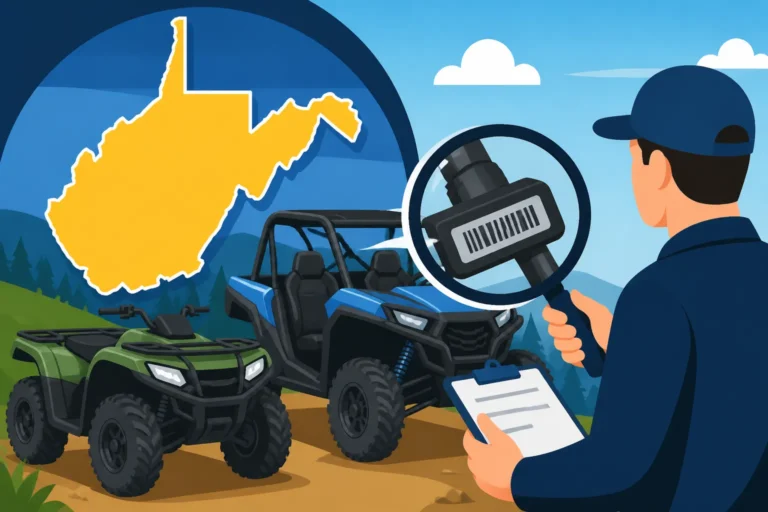
The good news is that for most engine swaps on an existing ATV or UTV, the actual Vehicle Identification Number (VIN) that the West Virginia DMV cares about remains unchanged. Why? Because the VIN is almost always stamped onto the frame of your machine, not the engine itself. The frame is considered the foundational, identifying part of your ATV or UTV. If you haven't swapped the frame, your machine technically retains its original identity in the eyes of the state for titling purposes. This can be a huge relief for many riders.
However, just because the VIN usually doesn't change doesn't mean you can ignore the swap entirely. The state still wants to know about significant alterations, especially if there's ever a question of ownership, theft, or if the engine itself has its own serial number that someone might later try to claim. Properly documenting the swap is crucial. It protects you down the road and shows due diligence should any questions arise regarding your [Proof of Ownership for a West Virginia ATV Title].
Identifying Your ATV's New Identity After an Engine Swap
After an engine swap, the primary identification of your ATV or UTV for titling in West Virginia remains rooted in its original frame. This is a critical point to understand and often a source of confusion. The Vehicle Identification Number (VIN) stamped on the frame is what the West Virginia DMV uses to track and title your machine, not the serial number found on the engine. If you've ever had a doubt about where to look, remember the frame is your definitive identifier. You can often find this VIN on the front frame section, near the steering head, or along the lower frame rail, depending on your machine's make and model. If you're having trouble locating it, guides like [Finding the VIN Stamp on an ATV Frame] can be incredibly helpful.
While the frame VIN is king, it doesn't mean the new engine is irrelevant. You need to gather all possible documentation for that new power plant. This includes the original bill of sale for the replacement engine itself. Did you buy it new from a dealer? Get that receipt. Did you acquire it used from a private seller? Make sure you have a clear, detailed bill of sale for the engine that includes its serial number, the date of sale, the price, and the seller's information. Even if you're not getting a new title, keeping these records demonstrates clear ownership of all major components. If you're working with a private seller, having a robust bill of sale, perhaps one you created using a service like LawDepot, can make a real difference in clarity and legality.
In some rarer cases, if your engine swap involves a completely different type of engine that fundamentally alters the machine's classification or performance in an extreme way (e.g., turning a mild utility UTV into a high-performance custom racer), you might encounter more scrutiny. For the vast majority of swaps – replacing a like-for-like engine, or a common upgrade – the focus remains on the original frame VIN. Always ensure you have documentation for the swap itself, such as an invoice from a mechanic who performed the work, detailing the old engine removed and the new one installed, including any serial numbers. This trail of paperwork is your best friend.
Steps to Update Your West Virginia Title After an Engine Swap
Even though your frame VIN usually doesn't change, there are still crucial steps to take to make sure your West Virginia ATV or UTV title and records are up to date after an engine swap. This isn't about getting a new title with a new VIN, but rather about ensuring that if anyone ever looks into your machine's history, the alteration is accounted for. The West Virginia DMV wants clear records, and providing them proactively can save you a world of trouble later on. Your goal here is transparency and completeness.
First and foremost, gather all your documentation. This includes the original title for your ATV or UTV, proof of ownership for the new engine (receipt, bill of sale, etc.), and any invoices from the mechanic who performed the swap. If you purchased the engine used, a comprehensive [West Virginia ATV Bill of Sale: What Belongs in It] is vital, especially one that clearly lists the engine's serial number. LawDepot, for instance, offers templates that can help you create a thorough bill of sale if you're buying or selling a major component like an engine privately, ensuring all necessary details are captured. This paperwork will be critical if the DMV has any questions.
Next, you'll want to contact or visit your local West Virginia DMV office. Explain that you've performed an engine swap on your titled ATV or UTV and inquire about what specific procedures or forms they require to acknowledge this change on your vehicle's record. While there isn't typically a dedicated "engine swap form," they may have an affidavit or a process to attach supporting documents to your existing file. Be prepared to show all your receipts and potentially fill out a general change of information form if they deem it necessary. It’s always best to be over-prepared rather than under-prepared when dealing with the DMV, so bring multiple copies of everything. For specific guidance on what to expect, consider reviewing resources like [West Virginia DMV Offices That Handle ATV Titles].
| Document Type | Purpose After Engine Swap | Required? | Where to Get It |
|---|---|---|---|
| Original WV ATV/UTV Title | Proves ownership of the frame/machine. | Yes | Your personal records |
| New Engine Bill of Sale/Receipt | Proves ownership of the new engine itself. | Yes | Seller of the engine, online, LawDepot (for template) |
| Mechanic's Invoice | Documents professional installation of the new engine. | Recommended | Mechanic who performed the swap |
| Engine Serial Number | Identifies the new engine. | Yes | Stamped on the engine, noted on bill of sale |
| Photo of Frame VIN | Visual confirmation of the primary identifier. | Recommended | Take yourself |
Potential Challenges and What to Do Next
Even with the best intentions and meticulous preparation, navigating the post-engine swap titling landscape in West Virginia can present a few hurdles. One common challenge arises if the new engine came from a previously titled or salvaged machine. In such cases, the DMV might want to ensure that the engine itself isn't stolen or subject to a lien. This is why having a clear, verifiable bill of sale for the engine is paramount, especially if it includes its own serial number. Without this, you could face delays or even suspicion, even if your intentions are perfectly legitimate. Being proactive by having all the documentation, even using a thorough form from a service like LawDepot, can help alleviate these concerns.
Another potential issue could involve a very old machine where the original title is missing or the VIN is obscured or difficult to read. If you've performed an engine swap on an ATV or UTV that already had a complicated titling history, adding another layer of modification can sometimes complicate things further. In these situations, you might be looking at procedures like applying for a [Bonded Title for an ATV in West Virginia] if there are major gaps in your chain of ownership for the frame, not just the engine. It's crucial to address the underlying title issue before focusing solely on the engine swap documentation. Always remember that the DMV's ultimate concern is the legality of the entire machine.
Finally, while West Virginia doesn't typically require a physical inspection for an engine swap, if you're attempting to title a homemade UTV frame with a new engine, or if the swap is so radical it changes the vehicle type (which is rare for ATVs/UTVs), an inspection might be triggered. The key takeaway here is to remain patient, have all your paperwork organized, and be ready to answer any questions the DMV might have. If you encounter significant pushback or confusion, don't be afraid to ask to speak with a supervisor or to politely request clarification on the specific regulations they are citing. Remember, you're trying to do things by the book, and having solid documentation for every step of your project is your strongest advocate.
Disclaimer
This article is for general informational purposes only and does not constitute professional advice. Laws, prices and regulations vary by location and change over time. Consult a qualified professional for guidance on your specific situation.