Adding a Spouse to a West Virginia ATV Title
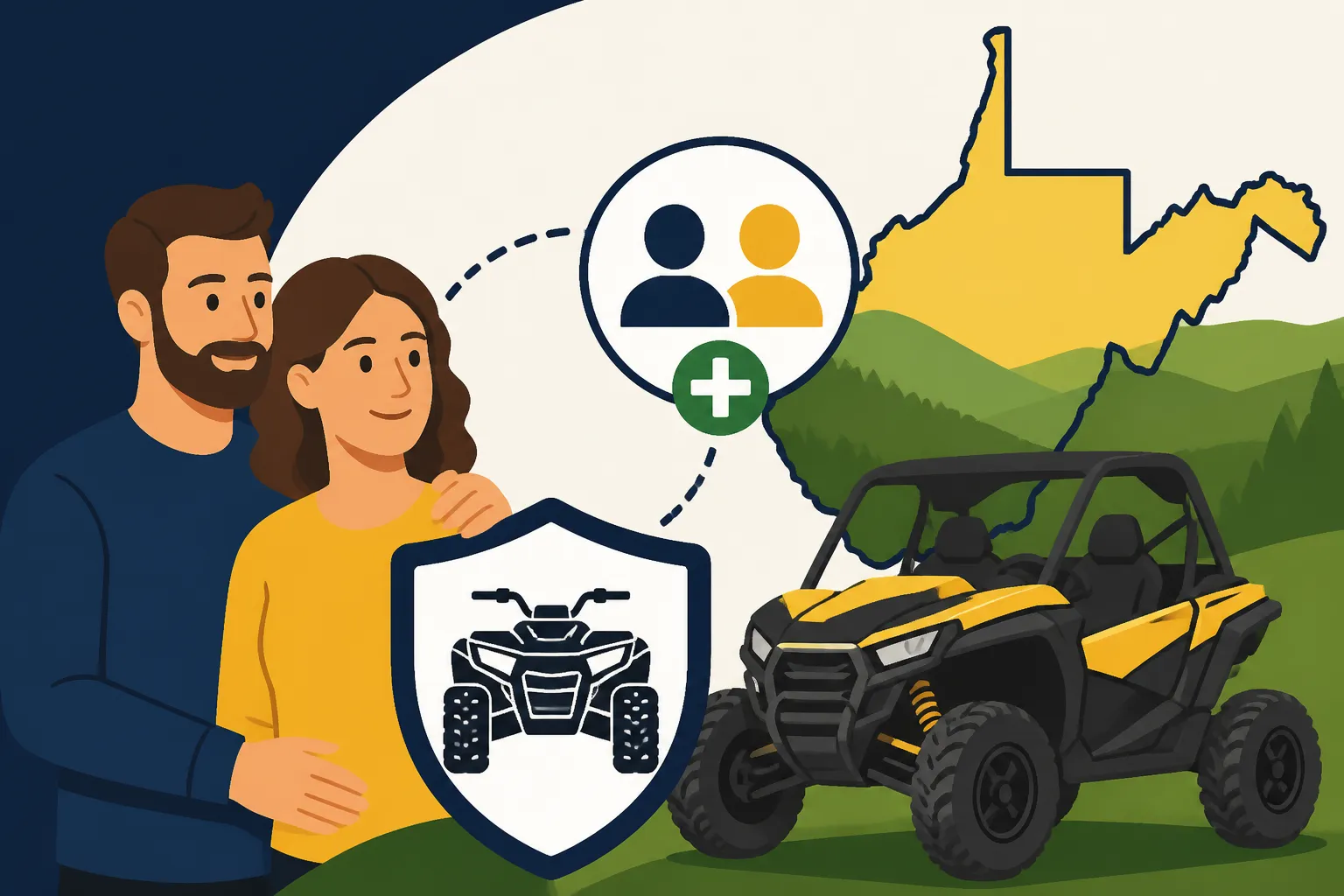
It's incredibly common for folks to buy an ATV or UTV and put it in one person's name, only to realize later that having both spouses on the title just makes more sense. Whether it's for shared use, future planning, or simply to clarify ownership, navigating the West Virginia DMV's process to add your spouse can feel a bit daunting. This guide will walk you through everything you need to know to successfully add your spouse to your West Virginia ATV or UTV title, ensuring a smooth transition and clear understanding for both of you.
Why Add Your Spouse to an ATV Title in West Virginia?
When you first bought that shining new quad or side-by-side, maybe it was just your project, or perhaps you didn't think much about the titling details beyond getting it home. But as time goes on, many couples realize there are some very practical and important reasons to include both spouses on the ownership documents. It's not just about splitting responsibilities; it's about shared rights, future security, and making things simpler down the line.
Shared Ownership and Legal Rights
Having both names on an ATV or UTV title in West Virginia clearly establishes that both partners have a legal claim to the machine. This might seem obvious if you bought it together, but legally, if only one name is on the title, that one person is considered the sole owner. This distinction becomes incredibly important in several scenarios. For instance, if you ever decide to sell the ATV, both parties will need to sign off on the title. Imagine trying to sell it while one spouse is out of town or difficult to reach—it can create unnecessary delays and headaches. If one spouse isn't on the title, their consent isn't legally required, which can lead to disputes if things go south between you. By having both names, you both have an equal say and equal responsibility, solidifying the machine as truly shared property. This joint ownership also protects both parties if, for example, the machine were ever involved in a civil dispute; the legal implications would extend to both titled owners.
Estate Planning and Inheritance
This is often one of the most compelling reasons for couples to add a spouse to an ATV title. Life can be unpredictable, and thinking about what happens if one spouse passes away isn't pleasant, but it's crucial for preparedness. If the ATV is titled solely in one spouse's name, and that spouse passes away, the ATV becomes part of their estate. This means it will likely need to go through the probate process, which can be time-consuming, expensive, and emotionally draining for the surviving spouse. The process can involve court filings, waiting periods, and fees, all while you're already dealing with grief.
However, if the ATV is titled jointly with "rights of survivorship" (often implied or chosen when listing two owners, depending on state law and specific titling), the surviving spouse automatically becomes the sole owner without the need for probate. The title essentially "survives" the deceased owner and transfers seamlessly to the other. This can save immense stress and financial burden during an already difficult time. It's a thoughtful way to ensure that your outdoor adventures continue to be part of your shared legacy, simplifying the path forward for your family. You can learn more about how this works in a broader sense by looking into [Transferring a West Virginia ATV Title After a Death].
Insurance Implications
While not always a deal-breaker, having both spouses on the title can sometimes streamline insurance processes or even offer specific benefits. When both names are on the title, it unambiguously shows that both parties have an insurable interest in the ATV. This can make it easier to add both spouses as named insureds on the policy, ensuring that both are covered for liability and physical damage, regardless of who is driving. Some insurance companies might prefer this clarity, as it removes any ambiguity about who the policy is protecting.
In the event of a claim, such as theft or an accident, having both names on the title can simplify the payout process, as the insurance company doesn't have to determine who legitimately owns the asset. It confirms that the machine belongs to the household. While you should always confirm specific policy details with your insurance provider, establishing joint legal ownership through the title often aligns perfectly with how insurance companies prefer to structure family policies. It's about reducing potential hurdles and ensuring comprehensive protection for everyone involved in your off-road adventures.
The Process of Adding a Spouse to Your West Virginia ATV Title
Now that you understand why you might want to add your spouse, let's get down to the practical steps of how to do it. The West Virginia Division of Motor Vehicles (DMV) has a specific process for title transfers, and while adding a spouse is essentially a transfer, there are a few nuances, especially regarding sales tax. It requires careful attention to detail and making sure you have all your ducks in a row before you head to the DMV office.
Gathering Necessary Documents
The first step is always preparation. Before you even think about setting foot in a DMV office, you need to collect a few key documents. Missing just one item can mean an extra trip, which nobody wants.
Here’s a checklist of what you'll typically need:
- The Original West Virginia Certificate of Title: This is paramount. It’s the legal document proving ownership. If you don't have this in hand, you’ll need to apply for a replacement before you can proceed with the transfer. Losing a title can be a major headache, but there's a process for it. For help, check out [Replacing a Lost West Virginia ATV Title].
- Proof of Marriage: While not always explicitly requested for every family transfer, having a marriage certificate or similar documentation can help clarify the relationship, especially if names are different or if there's any question about the tax exemption. It’s better to have it and not need it.
- Proof of Identity for Both Spouses: Both you and your spouse will need valid photo identification, such as a driver's license or state ID card. The names on the IDs should match the names used on the title application.
- Application for Certificate of Title for a Motor Vehicle (Form DMV-1-TR): This is the form where you'll initiate the title change. You can usually download this from the West Virginia DMV website or pick one up at any DMV office.
- Bill of Sale (Optional but Recommended): Even though you might not be "selling" the ATV to your spouse in a traditional sense, a bill of sale, even for a zero dollar amount, can be excellent documentation. It clearly states the transfer is occurring and between whom. Resources like LawDepot offer templates for these kinds of documents, which can make things easier if you're unsure how to phrase it. This can also serve as clear evidence that it's a family transfer, helping with sales tax exemptions. For more details on what should be included, see [West Virginia ATV Bill of Sale: What Belongs in It].
Having all these documents organized in a folder before you leave home will save you a lot of time and potential frustration.
Completing the Title Application
Filling out the DMV-1-TR form correctly is critical. This form is designed for various title transfers, so you’ll need to pay close attention to the specific sections that apply to your situation.
Here's how to approach it for adding a spouse:
- Vehicle Information: Fill in all the details about your ATV or UTV, including the VIN, make, model, year, and odometer reading. Double-check the VIN especially; a wrong VIN can lead to significant delays. For assistance, [Finding the VIN Stamp on an ATV Frame] can guide you.
- Seller Information: In this scenario, you (the current sole owner) will be listed as the seller. Sign your name exactly as it appears on the current title.
- Buyer Information: Both you and your spouse will be listed as the buyers. You'll specify how you want the ownership recorded (e.g., "John Doe AND Jane Doe"). Make sure both of your full legal names and addresses are accurately entered. This is where you are essentially putting a West Virginia ATV Title in Two Names, formally.
- Signatures: Both you (as the seller) and your spouse (as a buyer, along with yourself) will need to sign the application. Sometimes, this needs to be done in the presence of a notary public, especially if you're mailing the application. Check the form's instructions carefully or call the DMV to confirm if a notary is required for your specific type of family transfer.
- Odometer Disclosure: You'll need to accurately record the current mileage of the ATV. This is typically a mandatory section for all vehicle title transfers.
A common pitfall is rushing through the form and making errors. Take your time, read each section carefully, and don't hesitate to ask a DMV representative for clarification if you're unsure about any part. Many find using a template from a service like LawDepot for a bill of sale helpful even for these family transfers to ensure all necessary details are included and legally sound.
Fees and Sales Tax Considerations
While most title transfers involve both a transfer fee and sales tax, family transfers in West Virginia often come with a significant advantage: a sales tax exemption.
- Title Transfer Fee: There will be a standard fee for transferring the title. This is a fixed amount set by the state. You can usually find the current fee on the West Virginia DMV website or by calling them directly.
- Sales Tax Exemption: West Virginia law provides an exemption from sales tax for transfers between immediate family members, which includes spouses. This means when you add your spouse to the title, you should not have to pay sales tax on the ATV's value again, provided you properly document the relationship. To claim this exemption, you'll typically indicate on the DMV-1-TR form that it's a family transfer and be prepared to show proof of marriage if requested. This is a huge benefit, as sales tax on an ATV purchase can be a substantial amount. For a full understanding, consult [West Virginia Sales Tax on an ATV Purchase].
Always be prepared to pay the title transfer fee by check, money order, or credit/debit card, depending on the DMV office's accepted payment methods.
Where to Submit Your Paperwork
Once you've gathered all your documents and meticulously filled out the application, it's time to submit everything to the West Virginia DMV.
You generally have two main options:
- In Person at a DMV Office: This is often the preferred method for many, as it allows you to get immediate feedback if there are any issues with your paperwork. A DMV clerk can review everything on the spot, collect fees, and sometimes even process the new title or provide a temporary one right then. Be sure to check the operating hours and consider if an appointment is needed at your local [West Virginia DMV Offices That Handle ATV Titles].
- By Mail: If an in-person visit isn't feasible, you can mail your completed application, original title, and payment for the transfer fee to the West Virginia DMV's title division. Ensure you send it with a traceable method (like certified mail) since you're mailing original documents. The downside here is that if there's a problem, you won't know until your package is returned, which can significantly delay the process.
After submission, the DMV will process your application, and a new title with both your names will be mailed to you. The wait time can vary, so it's good to know [How Long a West Virginia ATV Title Takes]. Remember to keep copies of all submitted documents for your records.
Important Considerations Before You Act
Adding your spouse to an ATV title might seem like a straightforward gesture of shared ownership, but it comes with legal and practical implications that are worth considering beforehand. It's not just about filling out a form; it's about understanding what that joint ownership means for you both, both now and in the future. A little foresight can prevent potential misunderstandings down the road.
Joint Tenancy vs. Tenants in Common
When two or more people own property together, there are typically different ways that ownership can be legally structured. While West Virginia titles for ATVs might not explicitly use these terms on the physical document, the underlying legal concept of how you hold property together is important.
- Joint Tenancy (with Right of Survivorship): This is the most common and often desired form of joint ownership for spouses. Under joint tenancy, both owners have an equal and undivided interest in the property. The key feature, and why many couples choose it, is the "right of survivorship." This means that if one owner passes away, their share of the property automatically transfers to the surviving owner, bypassing probate. It makes the transfer of ownership seamless and avoids the complexities of estate administration for that particular asset. For example, if you and your spouse title your Polaris Ranger jointly, and one of you passes, the other automatically becomes the sole owner without needing further legal action beyond perhaps presenting a death certificate to the DMV if an updated title is desired. This simplifies things greatly.
- Tenants in Common: In this form of ownership, each owner holds a distinct, undivided share of the property. There is no right of survivorship. If one owner passes away, their share does not automatically go to the other co-owner but instead becomes part of their estate and is distributed according to their will or state inheritance laws. While less common for spouses trying to achieve simple co-ownership, it's worth understanding the distinction. For instance, if you co-owned a Can-Am Defender with a friend as tenants in common, and your friend passed, their half of the UTV would go to their heirs, not automatically to you.
When you add your spouse to the title in West Virginia, you generally create a joint tenancy with right of survivorship, which is the standard assumption for married couples co-owning property. However, it’s always wise to confirm this with the DMV or, if you have any doubts about complex estate planning, a legal professional, to ensure the title reflects your intentions. Clarifying the nature of joint ownership is a crucial aspect of [Putting a West Virginia ATV Title in Two Names].
Existing Liens or Loans
Before you embark on the title transfer process, you absolutely need to consider if there's an outstanding loan or lien on your ATV or UTV. If you financed your machine and haven't paid it off yet, the bank or financial institution holds the title (or has their name recorded as a lienholder on the title).
In such cases, you cannot simply transfer or add a name to the title without the lienholder's explicit permission. They are the legal owner until the loan is satisfied, and they will want to protect their interest.
Here's what you'll likely need to do:
- Contact Your Lender: Reach out to the bank or credit union that holds the loan. Explain that you wish to add your spouse to the title.
- Lender's Requirements: The lender may have specific requirements. They might ask for your spouse to be added to the loan agreement as well, or they might simply provide a written consent form. In some cases, they might even require the loan to be refinanced in both names.
- New Loan Agreement (Potentially): If your spouse is not currently on the loan, adding them to the title might necessitate adding them to the loan, especially if the lienholder views the title change as a change in collateral ownership.
Trying to transfer a title with an active lien without the lender's knowledge or consent can lead to serious legal and financial repercussions, potentially even violating the terms of your loan agreement. Always get their approval first.
Potential Downsides
While there are many benefits to adding your spouse to an ATV title, it's also important to be aware of potential downsides. This isn't to discourage you but to ensure you make a fully informed decision.
- Loss of Sole Control: Once your spouse is on the title, you no longer have sole legal control over the ATV. This means you can't sell, transfer, or make major decisions about the machine without their signature and consent. This is usually the intent, but it's a significant change from being the sole decision-maker.
- Implications in Case of Divorce: While nobody goes into a marriage thinking about divorce, it's a reality. If you and your spouse were to separate or divorce, the ATV, being jointly titled, would be considered marital property. This means it would be subject to division during divorce proceedings, which could be complex and contentious, depending on state laws and your specific circumstances. Removing a name from a West Virginia title after a divorce can be a complicated process itself. You can find more information on [Removing a Name From a West Virginia Title After a Divorce].
- Liability: While typically covered by insurance, joint ownership can sometimes mean joint liability. If the ATV were ever involved in a serious accident or legal dispute, both titled owners could potentially be held responsible. Again, proper insurance coverage is paramount here, but it's a point to consider.
These are generally minor considerations for most happily married couples, but they represent legal realities of joint ownership. It's always a good idea to discuss these aspects openly with your spouse before initiating the title transfer.
Frequently Asked Questions About Spousal Title Transfers
Even after going through the detailed steps, it's natural to have lingering questions about specific scenarios or common hiccups. Here are some of the most frequently asked questions about adding a spouse to an ATV title in West Virginia, along with clear, concise answers to help you navigate any remaining uncertainties.
What if We Don't Have the Original Title?
This is a common predicament, and it can definitely throw a wrench into the works. If you've misplaced, damaged, or never received the original West Virginia ATV title, you absolutely cannot proceed with adding your spouse until you obtain a replacement. The DMV requires the original title to be surrendered for any title transfer.
Here’s the typical process:
- Apply for a Duplicate Title: You will need to complete an "Application for a Duplicate Certificate of Title" form (DMV-4-TR) and submit it to the West Virginia DMV. There will be a fee for this service.
- Provide Proof of Ownership: Along with the application, you'll likely need to provide proof of your identity and current registration (if applicable) for the ATV.
- Wait for the Replacement: Once processed, the DMV will mail you a new original title. This can take several weeks.
- Then, Proceed with Spousal Transfer: Only after you have the new original title in hand can you begin the process of adding your spouse. Trying to do both at once or skip the duplicate title step will result in your application being rejected. For more in-depth guidance, refer to [Replacing a Lost West Virginia ATV Title].
Is a Bill of Sale Required for Family Transfers?
Technically, for a transfer between spouses where no money is exchanged, a formal bill of sale listing a purchase price isn't strictly mandated by the West Virginia DMV for the purpose of paying sales tax (since family transfers are exempt). However, it is highly recommended to create a bill of sale even for a zero-dollar amount for a few critical reasons:
- Proof of Transfer: A bill of sale acts as official documentation of the transfer of ownership from the sole owner to joint ownership. This can be crucial for your personal records, future insurance claims, or any disputes.
- Clarification for the DMV: While not always required, having a bill of sale that clearly states it's a transfer between spouses (and thus exempt from sales tax) can help streamline the process at the DMV and prevent questions about why no sales tax is being paid.
- Legal Clarity: It provides clear legal evidence of the transaction, even if it's not a monetary sale. A template from a provider like LawDepot can ensure all the necessary legal language is included.
So, while you might get away without one, creating a simple bill of sale showing the current owner gifting or transferring the ATV to joint ownership for $0 is a smart and easy step that provides an extra layer of protection and clarity. Learn more about what such a document should contain in [West Virginia ATV Bill of Sale: What Belongs in It].
How Long Does the Process Take?
The duration of the entire process, from application to receiving your new title with both names, can vary.
- Preparation: Gathering your documents and accurately filling out the forms depends entirely on how organized you are. This could be an hour or a few days.
- DMV Processing Time:
- In-Person Submission: If you visit a West Virginia DMV office, the immediate paperwork review and payment can be done on the same day. While you might not walk out with the new title immediately, you'll know your application is accepted. The new title is typically mailed to you within 2-4 weeks.
- Mail-In Submission: Submitting by mail generally takes longer. Factor in mailing time both ways, plus the DMV's internal processing. This could easily stretch to 4-8 weeks or even longer during peak seasons.
- Delays: Any errors on your application, missing documents, or issues with a lienholder can cause significant delays, sending you back to square one.
To get the most current estimate, you might want to call your local West Virginia DMV office or check their official website. For a broader perspective on title processing times, check out [How Long a West Virginia ATV Title Takes]. Planning ahead and ensuring all your paperwork is flawless will be your best strategy for a quick turnaround.
Can My Spouse and I Apply Online?
Unfortunately, as a general rule, you cannot fully complete the process of adding a spouse to an ATV title entirely online in West Virginia. Title transfers for ATVs and UTVs almost always require the submission of original documents, specifically the original certificate of title, which must be physically surrendered to the DMV.
While the West Virginia DMV offers some online services, such as renewing registrations, ordering duplicate registrations, and sometimes even applying for duplicate titles, a full title transfer with a name change requires a physical submission.
You can, however, often download the necessary forms (like the DMV-1-TR application) from the DMV website, which saves you a trip to pick them up. But once completed, these forms, along with your original title and other supporting documents, must be either mailed in or presented in person at a DMV regional office or authorized agent location.
This hands-on requirement is in place to prevent fraud and ensure the proper chain of ownership for valuable assets like ATVs and UTVs. So, while the digital age has made many things simpler, transferring an ATV title is still a process that requires a bit of traditional paperwork and interaction. For more information on what you can and cannot do online, review [Can You Title an ATV Online in West Virginia?].
| Document/Action | Description | Requirement Status |
|---|---|---|
| Original WV ATV Title | The existing Certificate of Title, signed by current owner (you). | Mandatory |
| DMV-1-TR Form | Application for Certificate of Title for a Motor Vehicle, filled out with both spouses as buyers. | Mandatory |
| Proof of Identity (Both Spouses) | Valid photo IDs (driver's license, state ID) for current owner and spouse. | Mandatory |
| Proof of Marriage | Marriage certificate or equivalent, to confirm spouse relationship for tax exemption. | Recommended (Bring it just in case) |
| Bill of Sale (Zero-Dollar) | Documenting the transfer of ownership from sole to joint for $0. | Highly Recommended (For clarity & records) |
| Lienholder Consent | If there's an outstanding loan, written consent from the bank/lender. | Mandatory (If applicable) |
| Title Transfer Fee | Payment for the state-mandated fee to transfer the title. | Mandatory |
Disclaimer
This article is for general informational purposes only and does not constitute professional advice. Laws, prices and regulations vary by location and change over time. Consult a qualified professional for guidance on your specific situation.