Buying an ATV at a West Virginia Coalfield Auction
There’s a unique thrill to hunting for a deal, especially when it comes to finding your next off-road machine. Many folks get drawn to coalfield auctions here in West Virginia, picturing a hidden gem waiting to be snapped up for a steal. But the reality can be a bit more complicated, often leaving buyers with questions about paperwork and unexpected issues. This guide is all about navigating the exciting, yet sometimes tricky, world of buying an ATV or UTV at a West Virginia coalfield auction, so you can ride away with confidence, not regret.
The Allure and Reality of Coalfield Auctions for ATVs
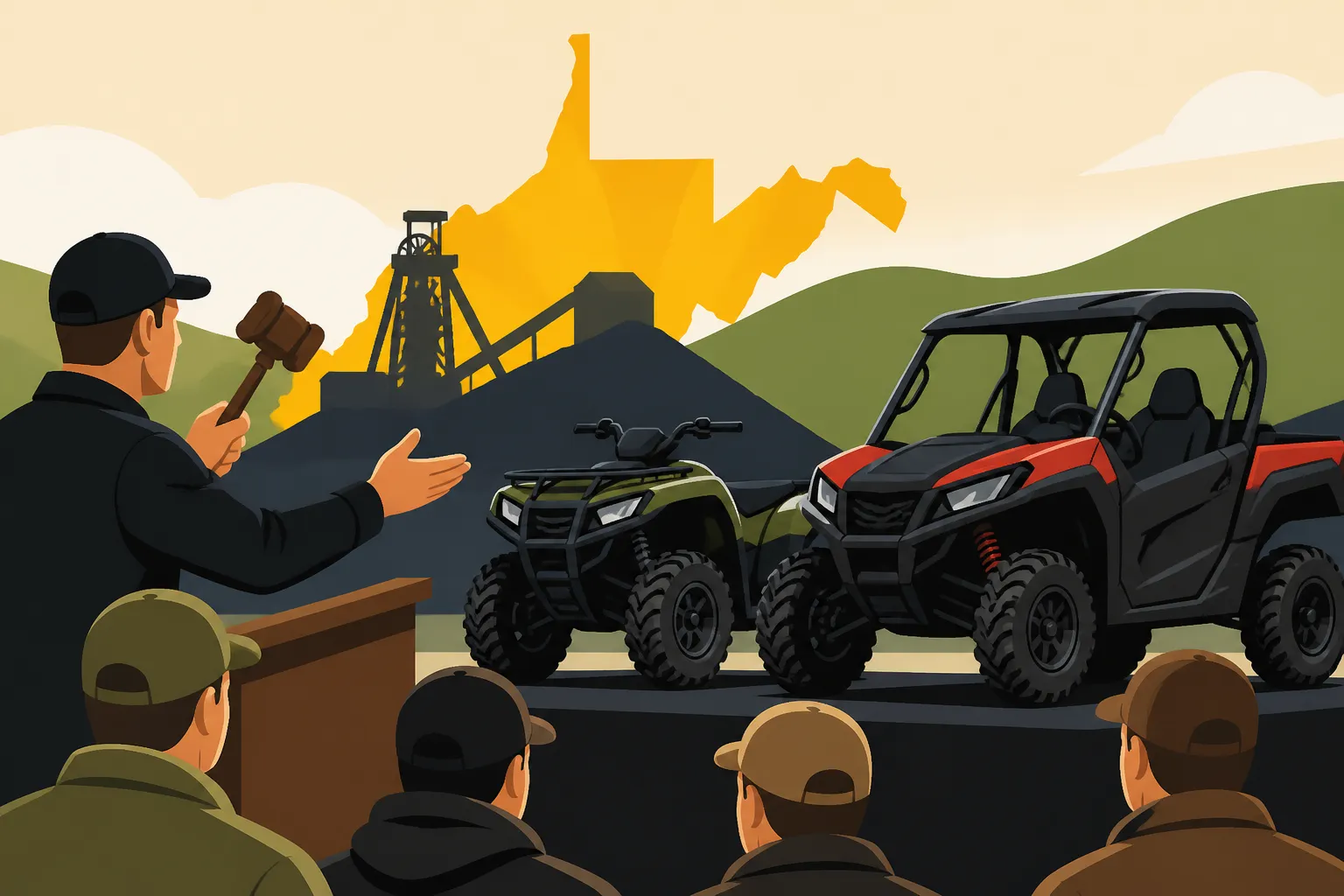
West Virginia's coalfields have a long, storied history, and tucked within that history are these fascinating auctions that pop up, sometimes selling off everything from mining equipment to old farm vehicles and, yes, ATVs and UTVs. The idea of getting a great deal on a machine that's seen some honest work, or even finding a diamond in the rough, is incredibly appealing. However, it's crucial to balance that excitement with a dose of realistic expectation, because an auction isn't quite the same as buying from a private seller or a dealership.
Why Coalfield Auctions Draw Riders In
For many riders, the main draw to a coalfield auction is the potential for a significant bargain. You might hear whispers of someone who got a perfectly running side-by-side for half its market value, or a quad that just needed a minor repair to be trail-ready. These stories fuel the "treasure hunt" mentality. You're not just buying a machine; you're embarking on an adventure to find it.
Another aspect is the sheer variety. Unlike a dealership that might specialize in a few brands, an auction can have anything from a classic Honda three-wheeler to a modern Polaris RZR, often mixed in with other equipment. It's a place where you might stumble upon a model you've been searching for, or discover a workhorse UTV that's perfect for your property. Plus, there's a certain community feel to these events. You'll often find seasoned riders, mechanics, and local folks mingling, sharing stories, and soaking in the atmosphere. It's a social event as much as a sales event, adding to the unique charm.
The Hidden Risks and Common Pitfalls
While the allure is strong, it's important to acknowledge the inherent risks that come with auction purchases, especially when dealing with vehicles that aren't new. The biggest hurdle is almost always the "as-is, where-is" nature of auction sales. This means what you see is what you get, with no warranties or guarantees from the seller or the auction house. If you buy a machine that has a blown engine, undisclosed frame damage, or a completely fried electrical system, you own those problems. There's often very little recourse once the hammer falls.
Another major challenge is the lack of detailed history. Unlike a private sale where you might get maintenance records or a full rundown of the machine's life, an auction machine's past is often a mystery. Was it well-maintained, or was it ridden hard and put away wet? Has it been involved in an accident? Does it have a lien against it from a previous owner? These questions can be difficult, if not impossible, to answer before you commit to a bid. This lack of transparency can lead to costly surprises down the road, turning that supposed "bargain" into an expensive repair project. You really have to go into it with your eyes wide open, expecting that you're taking on some level of unknown risk.
Navigating the Auction Process and Winning Your Ride
Attending a coalfield auction can be a fantastic experience, but if you're serious about coming home with a machine, you need a strategy. It's not just about showing up and raising your hand; it's about preparation, observation, and smart bidding. Without a clear plan, it's easy to get swept up in the excitement and end up overpaying or buying something that isn't quite what you expected.
Before the Hammer Falls: Previewing Machines
This is arguably the most critical step in the entire auction process. Most reputable auction houses offer a preview period, often a day or two before the actual auction, or at least a few hours on auction day itself. Do not skip this. This is your chance to get hands-on with the ATVs and UTVs you're interested in.
During the preview, you should be a detective. Start by visually inspecting the machine for obvious damage: bent frames, cracked plastics, missing components, or signs of major repairs. Look for fluid leaks under the engine and transmission. Check the tires for wear and uneven patterns, which can indicate suspension issues. If possible, try to start the machine. Listen for strange noises, rough idling, or excessive smoke. Check the brakes, steering, and suspension if you can. While you won't be able to take it for a test ride, you can often push and pull on the handlebars or wheels to check for excessive play. Examine the hour meter (if present) to get a rough idea of its use, but remember these can sometimes be tampered with. It's also wise to check for a legible VIN, as a missing or unreadable VIN can cause significant headaches down the road when it comes time to title the machine. [Finding the VIN Stamp on an ATV Frame] is a great resource for where to look. Bring a flashlight, a magnet (to check for body filler over rust), and perhaps even a knowledgeable friend who can offer a second opinion.
Bidding Strategies and Auction Day Tips
Auction day itself is fast-paced and can be exhilarating. Before any bidding starts, make sure you understand the auction house's rules. What's the buyer's premium? (This is an extra percentage added to the winning bid). What are the payment terms? How long do you have to pick up the machine? Knowing these details upfront prevents surprises later.
Set a strict budget for yourself before the bidding starts on any particular machine, and stick to it. It's incredibly easy to get caught up in the competitive atmosphere and spend more than you intended. Remember that your budget needs to include the buyer's premium, sales tax, and any potential repair costs you've identified during your preview. When bidding, be confident and clear, but don't jump in too early or too aggressively, unless you want to signal to others that you're willing to pay top dollar. Sometimes, hanging back and jumping in when the bidding starts to slow can be a more effective strategy. Watch other bidders, too; seasoned auction-goers often have tells. If you're new to auctions, try watching a few items go up for bid before you jump in yourself to get a feel for the rhythm.
Payment and Pickup Logistics
Congratulations, the hammer fell, and you're the proud new owner! What next? Immediately after winning, you'll typically be directed to a registration or cashier's booth to settle up. Be prepared to pay promptly. Many auction houses require immediate payment or a substantial deposit, with the remainder due within a very short timeframe. They usually accept cash, cashier's checks, or sometimes credit cards (though there might be an additional fee for card use). Make sure you get a detailed receipt and, critically, a proper bill of sale.
Arranging pickup is the next step. Most auction houses have specific windows for removal of purchased items. You'll need appropriate transportation, like a truck with a ramp or a trailer, to haul your new ATV or UTV away. Don't assume the auction house will provide loading assistance; bring straps, chains, and a friend if you need help securing your machine. It's important to adhere to their pickup schedule, as some auctions will charge storage fees for late collection. Get all your paperwork in order right away, especially that bill of sale, as it's the cornerstone of your journey to title your machine.
Essential Due Diligence Before You Bid on an ATV
Buying an ATV or UTV at a coalfield auction is a gamble, but you can significantly improve your odds by doing some serious homework beforehand. Since you often can't take the machine for a proper test drive, and the history might be murky, your detective work before bidding is paramount. Overlooking these steps can lead to buying a stolen machine, one with a hefty lien, or a money pit of repairs.
The Importance of a VIN Check
The Vehicle Identification Number (VIN) is your ATV's unique fingerprint, and it holds a wealth of information. Before you even think about bidding, try to locate the VIN (usually stamped on the frame) and write it down. Then, run a VIN check. This can reveal if the machine has been reported stolen, if there are any active liens against it, or if it has a salvage title history. Services like NICB's VINCheck can help determine if a vehicle is stolen. While a comprehensive VIN check might be difficult for an auction machine with limited time, doing any level of check is better than none.
It's a frustrating reality that sometimes, auction listings might not provide the VIN, or the VIN plate might be damaged or unreadable. If you cannot get a clear VIN, you are taking a massive risk. A machine without a verifiable VIN can be virtually impossible to title, leaving you with a very expensive paperweight. Always remember that even if the auction house has a clear title, a prior lien or "stolen" status can still surface. [Running a VIN Check Before You Buy] and [Checking a Used Quad Against Stolen Records] offer more detailed guidance on this critical step.
Assessing the Machine's Condition (or Lack Thereof)
Given the "as-is" nature of auction sales, thoroughly assessing the physical and mechanical condition of the ATV or UTV during the preview is non-negotiable. Look for signs of neglect or hard use. Check the oil and coolant levels and color – dark, sludgy oil or rusty coolant are huge red flags. Pay attention to the exhaust for excessive smoke, which can indicate engine problems.
Physically, inspect the frame for any bends, cracks, or welds that aren't factory original, as this can point to a serious accident. Examine the suspension for leaks around the shocks or bent A-arms. Grab each wheel and try to rock it side to side and up and down to check for worn wheel bearings or tie rods. Don't forget the electrical system: check if the lights work, if the winch (if equipped) functions, and if the battery holds a charge. Even if you're not a seasoned mechanic, many obvious issues like deep rust, significant fluid leaks, or major structural damage can be spotted with a careful eye. Remember, any issues you find will directly impact your post-purchase repair budget.
Understanding Potential Title Issues
This is perhaps the biggest headache many buyers encounter when buying from an auction: the title. While some auction machines might come with a perfectly clear title, many do not. You might encounter machines sold on a "bill of sale only," particularly older models or those from estates. [West Virginia Title Rules for ATVs Sold After 1989] generally require a title. Some might have a lost title, which requires a more involved process to secure a new one. Others could be salvage titled, indicating severe prior damage, or even worse, have no clear chain of ownership, making them incredibly difficult to register and title legally.
Before bidding, always inquire about the title status. The auction house should be able to tell you if a title is available, if it's clear, or if it's a bill of sale only. If the title situation is unclear or problematic, factor that into your bidding price – a machine without a clear title is worth significantly less and will require more effort (and potentially money) to make road-legal (if applicable) or even just to be legally recognized. Don't let the excitement of a low bid blind you to the potential long-term frustrations and costs associated with a title issue. [Penalties for an Untitled ATV in West Virginia] can be significant, so this is not something to overlook.
Titling Your ATV After a West Virginia Coalfield Auction
So, you won the bid, paid for your new-to-you ATV or UTV, and now it's sitting in your garage. Congratulations! But the journey isn't over yet. The next crucial step is getting that machine properly titled in your name with the West Virginia DMV. This process can sometimes feel daunting, especially if your auction purchase came with less-than-ideal paperwork.
What Documentation You'll Receive from the Auction House
When you purchase a machine at an auction, the documentation you receive might differ slightly from a private party sale. Typically, you'll get a detailed invoice or bill of sale from the auction house. This document is incredibly important; it should clearly state the buyer (your name), the seller (the auction house, acting on behalf of the original owner), the date of sale, the purchase price, and a full description of the ATV or UTV, including its make, model, year, and crucially, its Vehicle Identification Number (VIN).
In some cases, especially if the original owner surrendered the title to the auction house, you might also receive the actual physical title signed over. However, it's more common to receive just the auction's bill of sale, which then serves as your proof of ownership to apply for a new title. Ensure all information on this document is accurate and legible before you leave the auction premises. If you're paying sales tax directly to the auction house, that should also be clearly noted on your invoice or bill of sale. Remember, the stronger and more complete your initial paperwork, the smoother the titling process will be.
Steps for Titling a Machine with a Clear Bill of Sale
If you've received a clear bill of sale from the auction, and potentially a signed-over title (or proof the original title was surrendered), you're in a good position. Your next stop will be a West Virginia DMV office. You'll need to gather several documents for your visit:
- The Auction's Bill of Sale: This is your primary proof of purchase. Make sure it's original, not a copy.
- Original Title (if provided): If the auction house was able to furnish the original, properly signed title, bring that along.
- Proof of West Virginia Residency: Your valid West Virginia driver's license or state ID will work.
- Proof of Insurance: While not always required for titling an ATV that won't be street legal, it's good to have it ready, especially if you plan to get a special purpose vehicle (SPV) plate.
- Payment for Fees and Sales Tax: You'll owe the [West Virginia ATV Title Fee] and [West Virginia Sales Tax on an ATV Purchase], unless the auction house collected the tax.
You'll need to complete a [West Virginia ATV Title Application Form]. Make sure all fields are filled out accurately, especially the VIN. The DMV clerk will process your application, verify your documents, and collect the necessary fees and sales tax. If everything is in order, they'll issue you a temporary registration (if applicable) and mail your new title to you. For a deeper dive into the general requirements, check out [Documents to Bring for a West Virginia ATV Title] and [West Virginia DMV Offices That Handle ATV Titles].
Addressing Challenging Title Scenarios
Unfortunately, not every auction purchase comes with straightforward paperwork. This is where many buyers hit a wall, feeling frustrated and unsure of their next move.
- No Title from the Auction: If the auction house only provided a bill of sale and stated no title was available, you'll face a challenge. West Virginia generally requires a title for ATVs sold after 1989. For older machines or those where the title is genuinely lost, you might need to pursue a [Bonded Title for an ATV in West Virginia]. This is a more complex process where you typically purchase a surety bond to protect the state and any rightful owners from potential claims. It involves proving ownership (your bill of sale is key here), often a VIN inspection, and submitting an application with the bond. It’s not a quick fix, but it's a legitimate pathway.
- Salvage or Rebuilt Title: If your machine comes with a salvage title, it means it was deemed a total loss by an insurance company. You can still title it, but the title will forever bear the "salvage" brand. If you've rebuilt the machine to safe operating condition, you can apply for a "rebuilt" title, which involves an inspection to ensure it meets safety standards. [Salvage and Rebuilt ATV Titles in West Virginia] explains this in detail. This affects the machine's resale value and sometimes insurance rates.
- Missing Seller Signature/Previous Owner Issues: If you somehow received a title from the auction but it's not properly signed over, or there are other irregularities concerning the previous owner, you're looking at a tougher situation. [Titling an ATV in West Virginia Without the Previous Owner] and [A West Virginia ATV Title With a Missing Seller Signature] address these specific predicaments, which can often be solved by going the bonded title route as a last resort.
Crafting a Robust Bill of Sale (Even for Auctions)
Even though the auction house will provide you with a bill of sale, it's always a good idea to ensure it contains all the critical information to protect yourself. Sometimes, auction-provided bills of sale can be quite generic. For peace of mind, or if you're dealing with a particularly sparse auction receipt, you can create your own supplemental bill of sale. Services like LawDepot offer customizable bill of sale templates that can help you document all necessary details.
A strong bill of sale, whether from the auction or supplemented by you, should include:
| Item | Description | Why it's Important |
|---|---|---|
| Seller Info | Full legal name and address of the auction house (and original owner if known) | Establishes clear chain of custody. |
| Buyer Info | Your full legal name and address. | Proves you are the legitimate purchaser. |
| Date of Sale | The exact date the auction took place and you won the bid. | Crucial for sales tax calculations and timelines. |
| ATV/UTV Details | Make, model, year, color, odometer/hour meter reading, and most importantly, VIN. | Uniquely identifies the machine you purchased. |
| Purchase Price | The final bid price. | Basis for sales tax and proof of value. |
| "As-Is" Clause | A statement acknowledging the "as-is" condition. | Reinforces understanding of no warranty. |
| Signatures | Authorized representative of the auction house and your signature. | Legal acknowledgment of the transaction. |
Using a template from LawDepot can ensure you don't miss any vital fields, providing you with solid documentation for the DMV and for your own records. A comprehensive bill of sale is your shield against future complications, making your post-auction titling process as smooth as possible. You can find more details on what's typically expected in [West Virginia ATV Bill of Sale: What Belongs in It].
Disclaimer
This article is for general informational purposes only and does not constitute professional advice. Laws, prices and regulations vary by location and change over time. Consult a qualified professional for guidance on your specific situation.