Where to Meet a Private Seller Safely
Buying or selling an ATV or UTV privately can feel like navigating a minefield. You're trying to get a good deal or make a fair sale, but in the back of your mind, there's always that nagging worry: "Is this person legitimate? Am I putting myself at risk?" It's a valid concern, and too many folks rush into private meetings without thinking about their safety. This guide is all about giving you the real-world advice you need to arrange secure and confident transactions, ensuring you and your valuable machine stay safe in West Virginia.
Why Safety is Paramount When Meeting Private Sellers
Let's be honest, the excitement of finding that perfect side-by-side or the relief of finally selling your old quad can make you overlook common-sense safety precautions. But a private sale, especially of something as valuable as an ATV or UTV, isn't just a simple exchange of goods for cash. It can present real risks if you're not careful. People out there aren't always who they seem, and unfortunately, some individuals prey on the vulnerabilities of private transactions. It's not about being paranoid, it's about being prepared and smart.
The Risks of Unprepared Meetings
You're meeting a stranger, potentially carrying a significant amount of cash or expecting to receive it. That alone raises red flags for anyone with common sense. Imagine driving out to a secluded rural spot, hoping to see a machine, only to find yourself in an isolated area with someone who has less-than-honorable intentions. The risks aren't just theoretical; they're very real. You could face anything from a simple "no-show" that wastes your time, to a bait-and-switch where the machine isn't what was advertised, all the way up to outright theft of your money or even personal harm.
ATVs and UTVs are high-value items, making them attractive targets for criminals. They're often easy to transport and can be quickly resold, especially if the new owner isn't meticulous about [Titling an ATV in West Virginia] correctly. Unprepared meetings can expose you to scams where fake money is exchanged, or situations where the seller doesn't actually own the machine they're trying to sell. It can be a disheartening experience, and one that's entirely preventable with a few smart steps.
The Psychology of Private Sales
Both buyers and sellers can feel a mix of excitement, urgency, and apprehension. As a buyer, you want to seize a good deal before it's gone. As a seller, you might be eager to move the machine quickly. This urgency can sometimes override your safety instincts. It's easy to think, "Oh, they seem nice enough," especially if you've been communicating digitally and building a superficial rapport. However, criminals are often skilled at appearing trustworthy. They might use sob stories, offer suspiciously low prices, or push for a quick, secluded meeting.
Understanding this dynamic is crucial. Your goal should be to conduct the transaction in an environment that inherently reduces risk, regardless of how "nice" the other party seems. You're not there to make a new friend; you're there to complete a secure financial transaction for a valuable asset. Always prioritize your personal safety and the security of your funds over convenience or speed. A little caution goes a very long way in preventing a bad experience.
Best Locations for a Safe Transaction in West Virginia
When it comes to meeting a private seller, where you meet is arguably as important as how you conduct yourself. In West Virginia, with its mix of bustling towns and vast rural landscapes, choosing the right location is absolutely crucial. You want a spot that offers visibility, potential witnesses, and ideally, some form of security surveillance. This isn't just about feeling safer; it's about actively deterring anyone who might have ill intentions.
Public, Well-Lit Places
These are your absolute best bets for a reason: they reduce anonymity and increase the likelihood that any suspicious activity would be noticed or recorded.
- Police Station/Sheriff's Office Parking Lots: Without a doubt, the gold standard for safe exchanges. Many police departments across West Virginia recognize the need for secure private sales and have designated "safe exchange zones" in their parking lots. These areas are typically well-lit, under constant surveillance with cameras, and have the obvious presence of law enforcement nearby. It's the ultimate deterrent. If a seller (or buyer) is hesitant to meet at a police station, that's often a massive red flag itself. It speaks volumes about their intentions.
- Real-World Scenario: Imagine you're buying a quad from a seller in the Eastern Panhandle. Instead of meeting them down a winding country road, you suggest the parking lot of the Martinsburg Police Department. If they agree, you've already screened out a huge amount of potential risk. If they balk, you've dodged a bullet. While the DMV itself, where you'll eventually go for [West Virginia DMV Offices That Handle ATV Titles], might not be an official exchange zone, its public and official nature still makes it a far better choice than a private residence.
- Banks or Credit Unions: These are excellent choices, especially when large sums of cash are involved. Banks have extensive security camera systems, a constant flow of customers, and professional staff. You can even arrange to withdraw or deposit the cash right there, minimizing your time carrying a large sum. Some banks even have drive-up ATMs with cameras that can serve as a meeting spot.
- Consider this: You've agreed on a price for a side-by-side. Meeting at a bank allows you to quickly verify the funds if you're the seller, or securely hand over a cashier's check if you're the buyer. This removes the risk of counterfeit money or questionable financial instruments.
- Busy Retail Parking Lots (Walmart, Lowe's, etc.): Think of any large retail store with a sprawling, active parking lot. These places are bustling with people, often have security patrols, and are almost certainly covered by surveillance cameras. The key is to pick a spot under a light, close to the entrance, where there's constant foot and vehicle traffic. Avoid the far corners or the back of the lot, which can still feel isolated.
- Example: If you're inspecting the ATV for [Pre-Purchase Inspection Before You Sign], doing so in a busy parking lot means there are always eyes around. If the seller tries any questionable tactics or the machine isn't as described, you have witnesses and a quick exit.
Places to Avoid (and Why)
Just as there are good places to meet, there are absolutely terrible ones that should be sidestepped at all costs.
- The Seller's Residence (Unless Verified): As a buyer, going to a stranger's home puts you in an unknown environment, revealing your own location. As a seller, inviting a stranger to your home means they now know where you live and potentially what other valuables you have. Unless you know the person well or have a very strong, verified reason to meet there (e.g., a reputable dealer, or a trusted mutual acquaintance), this should be avoided. The convenience is rarely worth the risk, especially when you consider that sometimes [Buying From an Unlicensed Seller in West Virginia] can mean you have less recourse if something goes wrong.
- Secluded Rural Areas: West Virginia is beautiful and known for its remote hollows and mountain roads. This makes it challenging, but it also means you need to be extra vigilant. Meeting in a remote area with little to no cell service or passing traffic is a recipe for disaster. If something goes wrong, help could be hours away.
- Think about it: A seller suggests meeting at an old logging road deep in the woods to show you their UTV. How will anyone find you if there's an issue? How will you call for help? Insist on a public place, even if it means driving a little further.
- Late at Night or Early Morning: Poor visibility makes it harder to properly inspect the machine, identify the seller, or spot any potential threats. Fewer people are out and about, reducing the number of potential witnesses. Always aim for daytime meetings when visibility is good and public places are busiest.
| Meeting Location Category | Pros | Cons | Ideal For |
|---|---|---|---|
| Police Station | Highest security, cameras, law enforcement presence. | Can feel formal, less convenient for viewing machine in detail. | Any high-value or suspicious transaction. |
| Bank/Credit Union | Secure cash handling, cameras, public. | Limited space for vehicle inspection, only practical for payment. | Cash exchanges, verifying cashier's checks. |
| Busy Retail Parking | High visibility, foot traffic, often cameras. | Less direct security than police, still need to be aware of surroundings. | Vehicle inspection, initial meet-and-greet. |
| Seller's Home | Convenient for seller, full inspection possible. | Reveals personal residence, unknown environment, no public oversight. | Only if seller is well-known or highly vetted. |
| Secluded Rural Area | Convenient for owner of large machine. | No witnesses, no cell service, potential for isolation and danger. | Avoid at all costs. |
Practical Safety Strategies for the Meeting
Beyond choosing the right location, there are several practical steps you can take to make the actual meeting as safe as possible. These strategies are about creating layers of protection, ensuring that even if one precaution falters, you have others to fall back on. It’s about being proactive, not reactive, and making it clear to the other party that you’re taking this transaction seriously.
Bringing a Companion
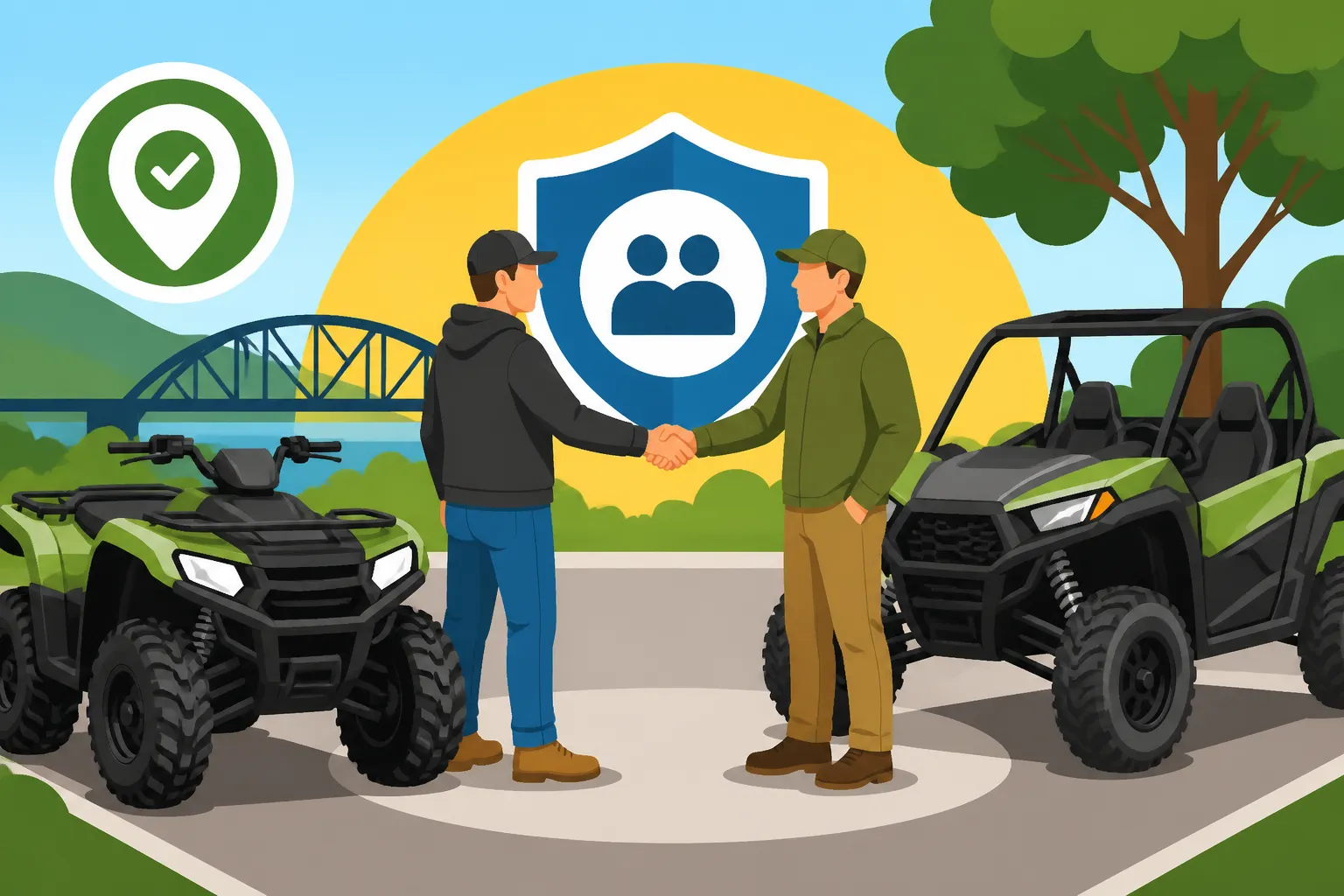
This is non-negotiable advice: always bring a friend or family member with you. There is safety in numbers. Even if your companion doesn't know the first thing about ATVs, their mere presence serves several vital functions:
- Witness: They can observe the transaction, confirm details, and provide an independent account if anything goes awry. This is especially helpful if you need to recall details for a [Wording a Private ATV Sale Agreement].
- Deterrent: A group is a less appealing target than a lone individual. Potential criminals are less likely to attempt anything nefarious when there's more than one person to contend with.
- Extra Set of Eyes: Your companion can pay attention to the surroundings, the seller's demeanor, or notice details about the ATV that you might miss while focused on the machine itself.
- Support: Having someone there can help you feel more confident and less intimidated, allowing you to think clearly and make better decisions.
If you absolutely cannot bring someone, make sure you follow the next strategy religiously.
Informing Others of Your Plans
Before you leave, tell at least one trusted person (or ideally, several) exactly where you are going, who you are meeting, and when you expect to be back. Provide them with as much detail as possible:
- The full name of the seller (if you have it).
- The seller's phone number.
- The year, make, model, and VIN of the ATV or UTV you are going to see.
- The exact address or description of the meeting location.
- Your expected return time.
You can also use location-sharing features on your smartphone with a trusted contact, so they can track your progress in real-time. Arrange for a check-in call or text once you've completed the meeting, whether it was successful or not. If your contact doesn't hear from you by the agreed-upon time, they'll know something might be wrong and can take appropriate action. This simple step can be a lifesaver, especially if you find yourself in a situation where you can't contact anyone yourself.
Documentation and Verification
Before you even meet, do your homework. Ask the seller for the VIN (Vehicle Identification Number) of the ATV or UTV beforehand. Use this to do a preliminary [Running a VIN Check Before You Buy]. This can help you confirm the machine's make, model, and year, and potentially reveal if it has a salvage title or has been reported stolen. Running a check to see if you're [Checking a Used Quad Against Stolen Records] is a crucial pre-meeting step.
At the meeting, inspect the actual title. Does the name on the title match the seller's ID? Does the VIN on the title match the VIN stamped on the machine's frame? These details are vital for a legitimate transaction. If the title isn't present or seems suspicious, walk away. Don't let the excitement of a potential purchase overshadow these critical verification steps.
When it comes to the sale itself, having a clear, legally sound bill of sale is essential. A well-drafted bill of sale, easily generated through resources like LawDepot, can be a lifesaver. It clarifies the terms, proves the transaction, and protects both buyer and seller should any issues arise after the fact, adding another layer of security beyond just the physical meeting. LawDepot provides customizable templates for various legal documents, including a [West Virginia ATV Bill of Sale Template Requirements], which ensures you cover all the necessary bases. This formalizes the process and gives both parties peace of mind, adding a layer of security to the exchange itself.
Trust Your Gut and Be Prepared
Your intuition is a powerful tool. If something feels off, even if you can't quite pinpoint why, trust that feeling and walk away. No deal, no matter how good, is worth compromising your safety. Be prepared to decline the sale if you feel uneasy or if the seller is evasive or pressuring you.
As for preparation, have your payment method secure and discreet. If you're bringing cash, keep it hidden until the moment of the exchange. Don't flash large sums of money. If you're using a cashier's check, ensure it's made out properly and ready for immediate transfer. Make sure you have all your necessary paperwork, including your own ID, and copies of any communications with the seller. This preparation extends to knowing exactly what you're looking for when you go to [Pre-Purchase Inspection Before You Sign].
Transaction Specifics and Post-Meeting Steps
The meeting itself culminates in the actual exchange and the transfer of ownership. Even after you've safely met and agreed on the deal, there are still crucial steps to take to ensure the transaction is legally sound and your newfound ownership is secure. This phase often involves legal documents and financial transfers, so attention to detail is paramount.
Handling Payment Securely
The method of payment can significantly impact the safety of your transaction.
- Cash Transactions: For cash, the safest approach, if possible, is to conduct the exchange inside a bank. The seller can immediately deposit the funds, and you can withdraw the money right there. This mitigates the risk of carrying a large amount of cash before or after the sale. If a bank isn't feasible, revert to your public meeting spot, but keep the cash discreetly secured until the very moment of exchange. Count it carefully in front of the seller, and encourage them to do the same.
- Cashier's Checks/Money Orders: These are generally safer than personal checks, but they're not foolproof. Fraudulent cashier's checks do exist. If accepting a cashier's check, insist on meeting at the issuing bank during business hours so you can verify its authenticity on the spot. Never accept a personal check for a private sale of this value.
- Digital Payment Apps: While convenient, payment apps like Venmo or PayPal aren't always ideal for large, private sales due to potential chargeback scams or delays in fund transfers. If you absolutely must use one, ensure the funds are fully transferred and confirmed in your account before handing over the machine.
Remember, the goal is to make the payment process as transparent and secure as possible for both parties. Don't forget that [West Virginia Sales Tax on an ATV Purchase] will apply, and you'll need records of the sale price.
Signing the Bill of Sale and Title
Once payment is confirmed, it's time to formalize the transfer of ownership. This involves two critical documents: the bill of sale and the title.
- Bill of Sale: This document is your proof of purchase and outlines the terms of the sale. It should include:
- The date of the sale.
- The full names and addresses of both buyer and seller.
- The year, make, model, VIN, and odometer/hour meter reading of the ATV/UTV.
- The agreed-upon sale price.
- A statement that the machine is sold "as-is" (unless otherwise agreed).
- Signatures of both buyer and seller.
A well-drafted bill of sale, easily generated through resources like LawDepot, can be a lifesaver. It clarifies the terms, proves the transaction, and protects both buyer and seller should any issues arise after the fact, adding another layer of security beyond just the physical meeting. Make sure you each receive a signed copy.
- Title Transfer: The title is the ultimate proof of ownership. The seller must sign over the title to you. Pay close attention to where [Who Signs a West Virginia ATV Title] on the document. Ensure all required fields are filled out accurately, including the sale date and price. Verify that the VIN on the title matches the machine itself. If there's a lien listed on the title, ensure the seller has proof it has been released before you complete the purchase. Any discrepancies here could lead to major headaches down the road when you go to title the machine in your name.
Make physical or digital copies of all signed documents before you leave the meeting. This creates a backup in case anything is lost.
What to Do Immediately After the Exchange
The transaction isn't truly complete until you've taken a few post-meeting steps.
- Head Home (or to the DMV): Once the deal is done, secure your new ATV or UTV (and any remaining cash from the sale if you were the seller) and head directly home or, if possible, to the DMV. Avoid making unnecessary stops that could draw attention to your new purchase or the money you're carrying.
- Begin Titling Promptly: Don't delay in titling the ATV or UTV in your name. Gather all your documents – the signed title, bill of sale, and your ID – and head to your local DMV office as soon as possible. Delaying this process can lead to issues later, especially if any details on the title or bill of sale are questioned. Getting your [West Virginia ATV Title Application at the DMV] filed quickly helps cement your ownership and reduces the risk of any lingering issues from the previous owner. Even for the follow-up paperwork, having organized templates ready, perhaps even a simple checklist from LawDepot, can make the post-purchase DMV visit smoother and ensure you haven't forgotten crucial steps.
Disclaimer
This article is for general informational purposes only and does not constitute professional advice. Laws, prices and regulations vary by location and change over time. Consult a qualified professional for guidance on your specific situation.