Titling Two Machines at a West Virginia DMV Visit
Navigating the West Virginia Division of Motor Vehicles (DMV) can often feel like a puzzle, especially when you're trying to streamline your errands. If you've ever thought about knocking out two birds with one stone by titling multiple ATVs or UTVs in a single visit, you're not alone in that hopeful ambition. This guide is here to walk you through the realistic expectations and detailed steps involved, ensuring you're fully prepared to title not just one, but two of your beloved off-road machines without unnecessary headaches.
The Initial Hurdles of Titling Multiple ATVs or UTVs at Once
It's a common dream for any busy West Virginian to walk into the DMV, present a stack of papers, and emerge with everything done for two separate machines. You've got two new-to-you quads, or perhaps a side-by-side for yourself and a smaller ATV for your child, and the idea of getting both titled in one go is incredibly appealing. However, the reality, as many of us have experienced, is often a bit more nuanced than a simple double-batch process.
Why One-Stop Shopping at the DMV Can Feel Like a Dream (or Nightmare)
The allure of a single DMV trip for multiple machines is powerful. Imagine getting all the paperwork, the waiting, the conversations with the clerk, all condensed into one block of time. It sounds efficient, like a true win. But the moment you start gathering documents, the dream can quickly turn into a minor nightmare. The sheer volume of individual pieces of paper—titles, bills of sale, applications, proofs of residency—doubles, sometimes triples, when you're dealing with more than one vehicle. It's incredibly easy to misplace a critical document for one of the machines, leaving you unable to complete even a single transaction, let alone two. This feeling of being overwhelmed before you even leave your driveway is a common frustration, and it's why meticulous organization is your best friend.
Understanding the "Each Machine is a Separate Transaction" Mentality
Here's the fundamental truth that often catches people off guard: the West Virginia DMV, for the most part, views each ATV or UTV titling as a completely distinct event. Think of it less like a bulk order and more like two individual customers being served sequentially by the same person. Even if you're the sole applicant for both machines, the clerk will open a file for Machine A, process all its specific documents, calculate its fees, and complete its title application. Then, they will close that "case" and open a completely new "case" for Machine B, going through the exact same motions.
This means separate sets of everything: a separate West Virginia ATV Title Application Form for each machine, separate calculations for sales tax, and often separate checks or payment transactions. You can't just hand over one packet of mixed papers and expect them to sort it out. Each machine needs its own complete, organized portfolio of documents. This "separate transaction" mentality is crucial to grasp because it dictates how you prepare and what you bring. It's not about finding a shortcut; it's about making sure you fulfill the requirements for each machine individually, allowing the clerk to move smoothly from one to the next without hitting a snag that requires you to reschedule your visit entirely.
Essential Documents You'll Need for Each Machine
When you're aiming to title two machines at once, the golden rule is "double everything." Each ATV or UTV is treated as its own entity, meaning it needs its own complete set of paperwork. This isn't just about having a bill of sale, it's about having a bill of sale for machine #1 and a bill of sale for machine #2. The more meticulously you prepare these individual stacks of documents, the smoother your DMV visit will be.
The Core Paperwork for Every West Virginia ATV or UTV Title
Let's break down the non-negotiables that apply to each and every machine you intend to title:
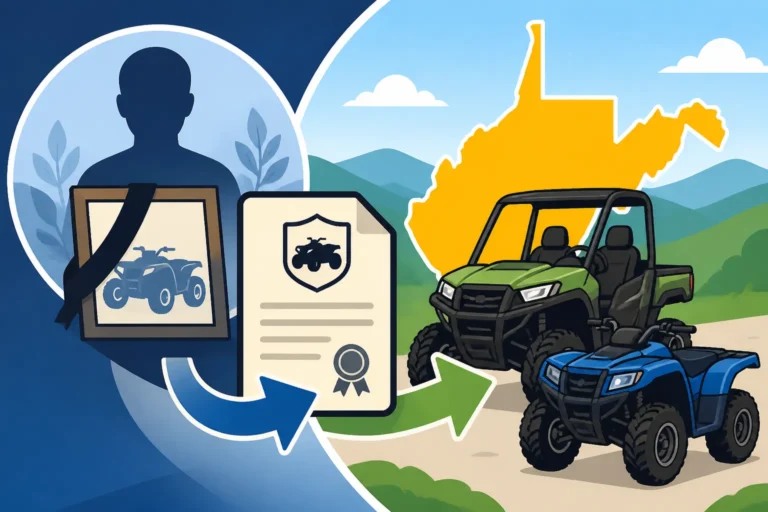
- The Original Title: This is paramount. For each ATV or UTV, you must present its original certificate of title, properly signed and dated by the previous owner (seller). If you bought two machines from the same person, you'll need two separate titles, each transferred correctly. Make sure all names are legible and match the IDs. If a title is missing, you're looking at a different process, often requiring a [Bonded Title for an ATV in West Virginia], which would complicate a multi-machine visit significantly.
- Bill of Sale: While the signed title is proof of ownership transfer, a comprehensive bill of sale is critical for establishing the purchase price and documenting the transaction. For each machine, you'll need a distinct bill of sale, clearly identifying the ATV or UTV by its VIN, year, make, and model, along with the agreed-upon sales price and the signatures of both buyer(s) and seller(s). This is where a reliable template can be a lifesaver. Resources like LawDepot offer customizable forms that ensure all the necessary legal jargon and fields are included, preventing issues down the road. They can help you craft a compliant document for each of your machines.
- Odometer Disclosure Statement: While not always applicable to ATVs and UTVs (many don't have odometers or are exempt due to age), it's always wise to be aware. If your machine does have an odometer and it's required for disclosure, you'll need a separate form for each.
- Proof of West Virginia Residency: For yourself (the buyer), you'll need to establish your residency. This usually means a valid West Virginia driver's license or ID card.
- Identification: Your personal identification is crucial. Have your current, valid photo ID ready for verification.
- Application for Certificate of Title: Each machine will require its own completed [West Virginia ATV Title Application at the DMV] form. Don't fill out one and make a photocopy; each needs original signatures and correct, specific information for that particular vehicle.
Imagine you're titling a Kawasaki Brute Force 750 and a Polaris RZR 1000. You'll need the original signed title for the Kawasaki, a separate bill of sale for the Kawasaki, and an application form for the Kawasaki. Then, you'll need the original signed title for the Polaris, a separate bill of sale for the Polaris, and an application form for the Polaris. Keep them distinct!
Proof of Purchase and Sales Tax Considerations for Two Machines
Sales tax is often one of the largest costs associated with titling, and it applies per machine. You'll need to show proof of the purchase price for each ATV or UTV, which is typically documented on the bill of sale.
- Individual Sales Tax Calculation: The West Virginia sales tax will be calculated on the purchase price of each machine separately. If you bought one for $5,000 and another for $8,000, you'll pay sales tax on $5,000 for the first and $8,000 for the second. There's no combined discount for purchasing multiple machines. You can find detailed information on how this is calculated in our guide on [West Virginia Sales Tax on an ATV Purchase].
- Trade-In Credits: If you traded in an existing machine towards the purchase of one of your new ATVs or UTVs, that trade-in credit would only apply to the sales tax calculation for that specific machine. It doesn't carry over to reduce the tax on your second purchase. This is another reason why treating each machine as a separate transaction is so important for the DMV clerk. They'll process any trade-in documentation against the appropriate vehicle's sale price.
Overcoming Missing or Incorrect Documents for One of Your Rides
This is where multi-machine visits can hit a snag. Let's say you have all the paperwork perfect for your new side-by-side, but the used ATV you bought has a title with a slight VIN discrepancy, or the seller's signature is smudged. The DMV might process the perfect one, but they will likely reject the flawed one, requiring you to make a separate trip later to sort out the issue.
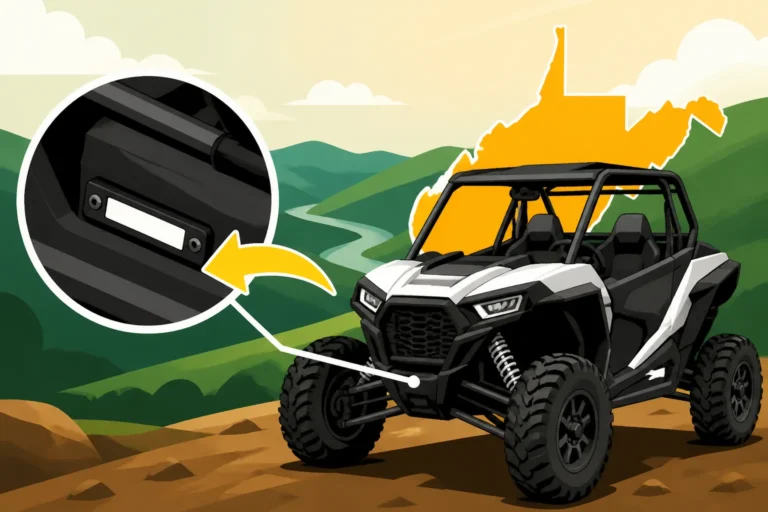
- Pre-DMV Review: Before you even consider heading to the DMV, meticulously review every single document for each machine. Check VINs against the title and bill of sale, verify seller signatures, and ensure all dates are present and correct. If you discover a problem, like a [Fixing a Wrong VIN on a West Virginia Title], address it before your visit. Trying to fix it at the counter for one machine while simultaneously titling another is a recipe for frustration and rejection.
- The "What If" Scenario: It's not uncommon for one of your machines to require a more complex process, such as a [Bonded Title for an ATV in West Virginia] if the previous owner never provided a proper title, or if it has a [West Virginia ATV Title With a Missing Seller Signature]. If one machine needs a bonded title, for instance, you'll likely complete that process entirely separately from a straightforward title transfer. Trying to mix a standard transfer with a complex bonded title application in one sitting is rarely successful and can cause delays for both. Using reliable templates from providers like LawDepot can significantly reduce the chance of errors in your paperwork for both machines. They help ensure all necessary fields are completed accurately, giving you more confidence when you present your documents.
Strategies for a Smooth Multi-Machine DMV Visit
Alright, so you know each machine is a separate transaction, and you understand the mountain of paperwork involved. Now, let's talk strategy. Preparing effectively can transform a potentially chaotic DMV visit into a manageable, albeit lengthy, process. It's all about anticipating the DMV's needs and being one step ahead.
The Art of Preparation: Creating Individual Document Packets
This is arguably the most crucial step for titling two machines at once. Do not just throw all the papers into one folder. That's a surefire way to get documents mixed up and cause delays.
- Separate and Conquer: For each ATV or UTV, create a dedicated packet. This could be a separate folder, a large envelope, or even a binder with dividers. Label each packet clearly (e.g., "Machine #1: Polaris RZR" and "Machine #2: Honda Foreman").
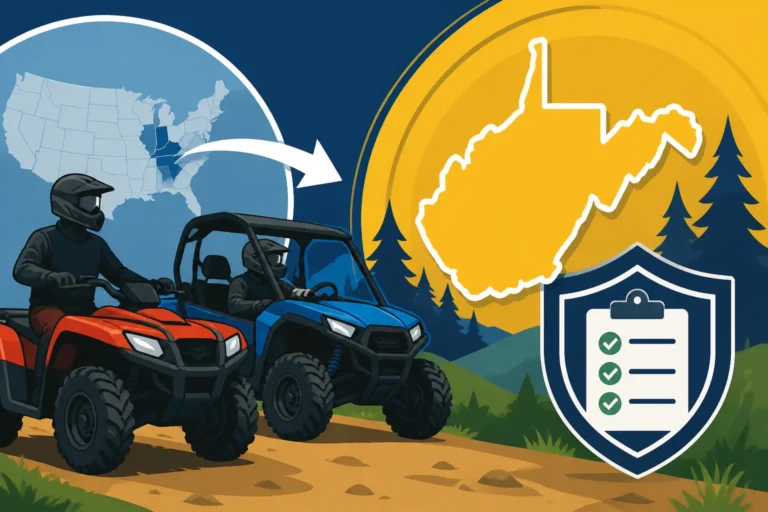
- Comprehensive Checklists: Inside each packet, include a checklist of all the required documents. As you gather them, check them off. Before you leave for the DMV, do a final review using these checklists. Our guide on [Documents to Bring for a West Virginia ATV Title] provides a great starting point for what should be on those lists.
- Order Matters: Organize the documents within each packet in a logical order, perhaps the order a DMV clerk might expect to see them: original title first, then bill of sale, then application, then proof of residency/ID copy. This shows you're organized and helps the clerk process things efficiently.
- Copies are Your Friends: Make photocopies of everything for your own records before you go. This way, if something goes missing or is questioned, you have a backup. You might also need copies of your ID or proof of residency for the application itself.
Understanding Fees and Payment for Multiple Transactions
Just as with the documents, the fees for titling are also handled per machine. This isn't a single bill at the end; it's two distinct sets of charges.
- Itemized Costs: Expect separate title fees, separate sales tax calculations, and any other applicable fees (like lien recording fees, if you financed one or both machines) for each ATV or UTV. Our article on the [West Virginia ATV Title Fee] can give you an idea of the basic title cost, but remember to multiply it by the number of machines.
- Payment Flexibility: Bring multiple payment options. While some DMVs accept debit/credit cards, others might prefer checks or money orders, especially for larger sums like sales tax. Having enough cash, a blank check, or a debit card with a sufficient daily limit for both transactions (paid separately) is crucial. Don't assume you can write one check for the combined total; the DMV often requires separate payments linked to each transaction. For instance, if you're writing checks, you might need two separate checks, one for each machine's total fees.
Making the Most of Your DMV Appointment (or Walk-In)
While some DMV offices operate on a walk-in basis, many are moving towards appointment systems. For a multi-machine titling task, securing an appointment is highly recommended.
- Schedule an Appointment: If your local West Virginia DMV offers appointments, book one. Mentioning you have "multiple title transfers" when scheduling (if there's an option) can help them allocate sufficient time. Our guide on [West Virginia DMV Appointments for ATV Titles] can help you determine the best approach for your specific location.
- Arrive Early and Prepared: Give yourself ample time. Even with an appointment, things can run behind. Arrive a bit early with all your organized packets in hand.
- Communicate Clearly: As soon as you get to the counter, politely inform the clerk that you are there to title two ATVs/UTVs. Hand them the first organized packet for Machine #1. Once that's complete, present the second packet for Machine #2. This sets the expectation and helps them understand your needs from the outset.
- Patience is a Virtue: Titling one machine takes time. Titling two will naturally take longer. Bring a book, stay calm, and be prepared for the process to unfold at the DMV's pace. Rushing or showing frustration won't speed things up.
Common Pitfalls When Titling Two Machines and How to Avoid Them
Even with the best preparation, there are specific traps that often ensnare well-meaning individuals trying to title multiple machines at the DMV. Being aware of these common pitfalls can help you navigate around them and ensure your visit is as smooth as possible.
The Dangers of Mixing Up Paperwork
This is perhaps the most frequent and frustrating mistake people make when attempting to title two machines at once. Imagine this scenario: you've got an original title for your new Can-Am Outlander and another for your child's Suzuki QuadSport. In the rush, you accidentally put the Can-Am's VIN on the Suzuki's application form, or perhaps you hand over the Suzuki's bill of sale when the clerk is clearly asking for documents related to the Can-Am.
- Consequences: The DMV clerk will immediately flag the discrepancy. This usually results in a rejection of the specific application with the error, requiring you to correct the mistake and likely make a return trip. In some cases, if the mix-up is extensive, they might even ask you to restart both transactions entirely.
- Avoidance: The solution circles back to rigorous organization. The individual document packets discussed earlier are essential. Label everything clearly, double-check all VINs against their corresponding paperwork, and make sure that when the clerk is processing "Machine A," only "Machine A's" documents are in front of you. Take a breath between handing over each machine's set of papers.
Not Budgeting Enough Time for Each Transaction
It's tempting to think that titling two machines will take simply twice as long as one. In reality, it can often take longer. Each transaction requires the clerk to input data, verify documents, calculate fees, process payments, and print forms. There might be questions specific to one machine's history or purchase that don't apply to the other.
- Consequences: If you go in with limited time, you might feel rushed, make mistakes, or even have to leave before both transactions are complete, forcing another visit.
- Avoidance: Block out a significant chunk of your day. If a single title transfer typically takes 30-45 minutes at your local DMV (including waiting time), plan for at least 1.5 to 2 hours, if not more, for two. This allows for unexpected delays, detailed questions, or even minor corrections. Don't schedule another urgent appointment immediately after your DMV visit.
What Happens If One Machine's Paperwork Isn't Perfect
This is a critical consideration. You've diligently prepared both packets, but when the clerk reviews them, they find an issue with one: perhaps the previous owner's signature on the title is incorrect, or a required field on the bill of sale is blank.
- Scenario 1: They Process the Good One, Reject the Flawed One: Often, the DMV will proceed with the machine that has perfect documentation and issue its title. For the machine with the error, they will likely provide you with a rejection slip, explaining what needs to be corrected. You'll then have to address the issue (e.g., getting a proper signature, amending the bill of sale, or pursuing alternative routes like [Titling an ATV in West Virginia Without the Previous Owner]) and return for a separate visit to title that specific machine.
- Scenario 2: They Reject Both: In some cases, if the clerk is strict or if the errors are significant, they might ask you to step aside, correct the issues, and then take a new number or reschedule your entire visit. This is less common if one machine's paperwork is completely flawless, but it can happen, especially if they are very busy and need to keep the line moving.
- Avoidance: The best way to avoid this is through meticulous pre-inspection of all documents, as discussed. If you're using a bill of sale, ensure it covers all the necessary legal points. Using a trusted template, like those found on LawDepot, can help ensure your documents are complete and compliant with West Virginia's requirements, significantly reducing the chance of rejection for either machine. If you find a potential issue before you go, it's often better to resolve it first, even if it means delaying the visit for one machine, rather than risking both transactions.
By understanding these common pitfalls and actively working to avoid them, your multi-machine titling adventure at the West Virginia DMV can be far less daunting and much more successful.
| Document Type | Required Per Machine | Notes |
|---|---|---|
| Original Certificate of Title | Yes | Must be signed by seller(s). Essential. |
| Bill of Sale | Yes | Clearly states purchase price and VIN for that machine. LawDepot can assist. |
| Application for Title | Yes | Complete and sign a separate form for each ATV/UTV. |
| Odometer Disclosure | Check Requirement | Only if applicable/required for the specific machine. |
| Proof of WV Residency | Once (for applicant) | Your valid WV driver's license or ID. |
| Photo Identification | Once (for applicant) | Your valid driver's license or state ID. |
| Funds for Fees/Tax | Yes | Be prepared for separate payments for each machine's title fee and sales tax. |
| Lien Release | If Applicable | If a machine had a lien, bring proof it was satisfied. See [Liens on a West Virginia ATV Title]. |
Disclaimer
This article is for general informational purposes only and does not constitute professional advice. Laws, prices and regulations vary by location and change over time. Consult a qualified professional for guidance on your specific situation.