Titling a Virginia ATV After Moving to West Virginia
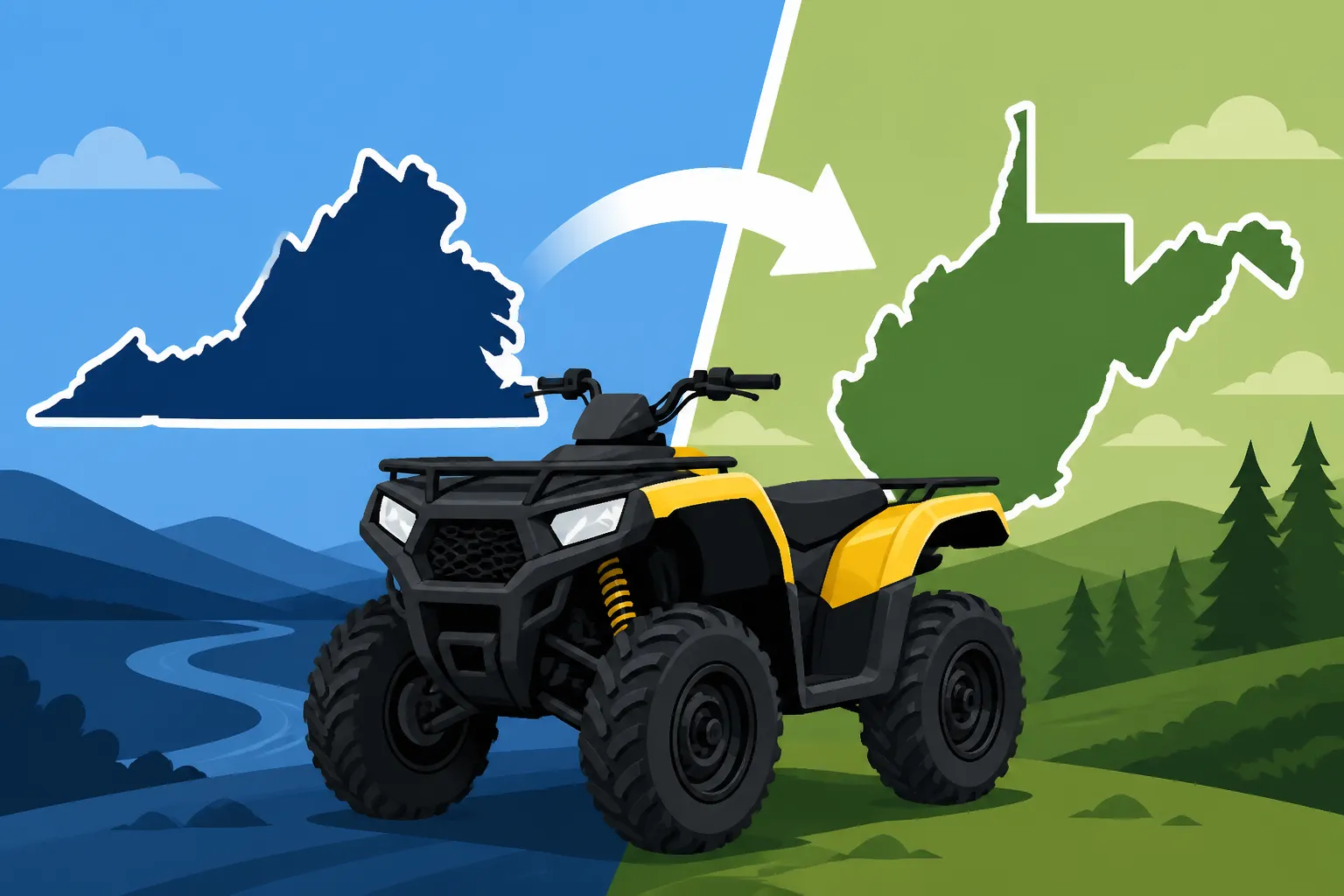
Moving from one state to another brings a whole host of logistical headaches, and dealing with your vehicles is often at the top of that list. When you're an ATV owner making the move from Virginia to West Virginia, you might find yourself scratching your head about what exactly the Mountain State needs from you to make your machine legally yours here. Don't sweat it; this guide is going to walk you through the specific steps and considerations for titling your Virginia-acquired ATV in West Virginia, ensuring a smooth transition.
Understanding West Virginia's Titling Requirements for Out-of-State ATVs
Bringing an ATV from Virginia into West Virginia means navigating two different sets of rules, and it can feel like trying to speak two different languages. The good news is that West Virginia's process for titling ATVs is fairly straightforward, but there are a few critical differences to keep in mind, especially coming from another state.
First and foremost, West Virginia is a title-only state for most ATVs. This means while you absolutely need a title to prove ownership, you generally won't "register" your ATV in the way you would a car or truck, unless you're aiming for a specialized street-legal plate. This can be a relief for some, but it’s a key distinction from states that might require both. Your goal here is simply to get a West Virginia title issued in your name.
The core requirement, just like with any vehicle transfer, is proving legitimate ownership. For an out-of-state ATV, this typically means providing your original Virginia title. This document is the bedrock of your claim to the machine. Without it, you’re going to run into significant hurdles. If, by some chance, your Virginia title is missing or damaged, you'll need to secure a duplicate from Virginia before you can even think about titling it in West Virginia.
Another crucial step for any out-of-state ATV, especially one that hasn't been titled in West Virginia before, is a VIN inspection. This isn't just a formality; it's a critical measure to ensure the ATV isn't stolen and that the VIN on the machine matches the paperwork. A law enforcement officer or an authorized DMV inspector will need to verify the VIN physically on your ATV. You can’t skip this part of the process when bringing your machine across state lines. [VIN Inspection Before a West Virginia Title] is a helpful resource to understand this further.
Lastly, you'll need to consider sales tax. If you've recently purchased your ATV and haven't paid sales tax on it in Virginia or another state, West Virginia will likely assess sales tax when you apply for your title. Even if you've owned the ATV for a while, if you move to West Virginia and title it, there might be sales tax implications if you didn't pay it previously. It's best to be prepared for this potential cost. [West Virginia Sales Tax on an ATV Purchase] can offer more detail on this often-confusing aspect.
What West Virginia Looks for in Your Virginia Title
When you present your Virginia title to the West Virginia DMV, they're primarily looking for a few key pieces of information to ensure a legitimate transfer. They want to see that the title is clean, meaning no open liens (unless you're still financing, in which case the lienholder will be involved), and that it’s properly assigned to you if you’ve only recently acquired it.
If you bought the ATV from a private seller in Virginia, the seller's signature on the assignment section of the Virginia title is absolutely non-negotiable. Without it, the West Virginia DMV will not be able to process the transfer into your name. If you encounter issues like [A West Virginia ATV Title With a Missing Seller Signature], it's important to resolve these before attempting to title it here.
They'll also check the Vehicle Identification Number (VIN) on your Virginia title against the VIN inspection report you’ll provide. These numbers must match perfectly. Any discrepancy, even a single digit, can halt the process entirely and send you down a rabbit hole of corrections. It's a frustrating situation, but a necessary safeguard against fraud.
The odometer reading, if applicable and recorded on the Virginia title, will also be noted. While ATVs don't always have odometers in the same way cars do, if your UTV or side-by-side does, that information will be relevant. Ensure the title is legible, unaltered, and completely filled out as it was issued by Virginia.
Proof of West Virginia Residency
Beyond proving ownership of the ATV itself, you'll need to prove that you are, in fact, a West Virginia resident. This is standard procedure for any vehicle titling or driver's license application. The West Virginia DMV will typically ask for documents such as a valid West Virginia driver's license or state ID card, utility bills in your name at your West Virginia address, a lease agreement, or mortgage statement.
It's a good idea to bring at least two forms of proof of residency to cover all your bases. The DMV can be particular, and having more documents than you think you need is always better than having too few. This step confirms that you are eligible to title a vehicle in the state. [Moving to West Virginia With an Out-of-State ATV] provides more general information about becoming a resident with an ATV.
Step-by-Step: The Process of Titling Your Virginia ATV in West Virginia
Alright, let's break down the actual process. It might seem like a lot, but taking it one step at a time makes it much more manageable. Think of it as a trail ride: you plan your route, pack your gear, and then enjoy the journey.
Step 1: Gather Your Essential Documents
Before you even think about heading to a West Virginia DMV office, you need to have all your paperwork in order. This is the single most important step to ensure a smooth visit.
Here’s a checklist of what you'll need:
- Your Original Virginia Certificate of Title: This is the absolute cornerstone. Make sure it's signed over to you if you recently purchased the ATV. If there's a lien recorded, make sure you have the lien release or are prepared for the lienholder to be involved in the process.
- Proof of West Virginia Residency: As discussed, bring at least two documents showing your new West Virginia address.
- Proof of Identity: Your valid driver's license or state-issued ID.
- Odometer Disclosure Statement (if applicable): For UTVs or ATVs with odometers, especially if they are newer models, an odometer disclosure might be required.
- Payment for Fees and Taxes: Be prepared to pay the West Virginia titling fee and any applicable sales tax. The DMV typically accepts cash, checks, or debit/credit cards (though card fees may apply). [West Virginia ATV Title Fee] will give you an idea of the costs.
- Any Bill of Sale (if recently purchased): While the Virginia title is paramount, if you just bought the ATV from a private seller in Virginia, bringing the bill of sale can support the transfer, especially for calculating sales tax. Even if not strictly required, it's good backup. If you need a formal bill of sale, especially if you want something robust for your records, resources like LawDepot can provide templates that meet legal standards.
- Completed West Virginia Title Application Form (Form DMV-1-TR): You can often download this form online from the West Virginia DMV website and fill it out in advance, saving time at the office. [West Virginia ATV Title Application Form] is the one you'll need.
Double-check every single piece of information on these documents. An error on one form can cascade into delays and extra trips.
Step 2: Get Your VIN Inspection Completed
This step is critical for out-of-state vehicles. You’ll need a West Virginia law enforcement officer (such as a State Trooper, Sheriff's Deputy, or municipal police officer) or an authorized DMV inspector to physically inspect your ATV's VIN. They will fill out a specific form, often called the "Certificate of Inspection" or similar, confirming the VIN on your machine matches the paperwork.
You usually need to take your ATV to the officer or inspector for this. They won't come to your house for a routine title inspection. Call your local Sheriff's department or State Police detachment ahead of time to ask about their procedures for VIN inspections – some may have specific hours or locations. This form will then be submitted with your other titling documents.
Step 3: Visit a West Virginia DMV Office
Once you have all your documents ready, including the completed VIN inspection form, it’s time to head to your local West Virginia DMV Regional Office. It’s highly recommended to check if the specific office you plan to visit handles ATV titling and if they require appointments. Many DMV locations across the state now utilize appointment systems, which can save you a lot of waiting around. [West Virginia DMV Offices That Handle ATV Titles] lists locations.
When you arrive, present all your gathered documents to the clerk. They will review everything, enter the information into their system, and process your application. This is where they'll collect the titling fee and any applicable sales tax. They'll also review your original Virginia title and keep it, as it will be replaced by your new West Virginia title.
Step 4: Receive Your West Virginia Title
After successfully processing your application and payment, the DMV will issue you a temporary registration or receipt. Your official West Virginia ATV title will then be mailed to you, usually within a few weeks. The exact turnaround time can vary, so don't expect it instantly. [How Long a West Virginia ATV Title Takes] can give you an idea of what to expect.
Once you receive your new West Virginia title, store it in a safe place. This is your official proof of ownership in the Mountain State. Remember, most ATVs in West Virginia don't get a separate registration card or license plate for general trail riding, so the title is your primary document.
What to Expect at the West Virginia DMV (and How to Prepare)
Visiting the DMV can sometimes feel like a scene from a sitcom – long lines, confusing instructions, and the general sense of being overwhelmed. But with a little preparation and understanding, you can navigate it like a pro.
Managing Expectations for Your Visit
First, expect that it might take some time, even with an appointment. While appointments certainly help, there can still be unforeseen delays. Bring something to read, listen to, or simply plan to relax and people-watch. Patience is truly a virtue at the DMV.
The staff at the DMV are processing hundreds of documents daily. They might seem rushed or by-the-book, but they are there to help you. Be polite, clear, and organized with your paperwork. Having everything neatly arranged in a folder will not only make it easier for them but will also help you feel more in control.
You might encounter questions about how you acquired the ATV, especially if there are any ambiguities on the Virginia title or bill of sale. Be ready to explain your ownership history clearly and concisely. For instance, if the ATV was gifted to you, you might need additional documentation beyond just the title transfer. [Gifting an ATV in West Virginia and the Title That Follows] touches on this.
Common Questions and Pitfalls to Avoid
One common pitfall is showing up without the required VIN inspection. This is a hard stop – they cannot process your out-of-state ATV title without that completed form. Make sure you prioritize getting this done before your DMV appointment.
Another frequent issue is discrepancies between names on documents. If your name has changed, or if there's a slight misspelling on your Virginia title compared to your ID, bring official documentation to explain the difference (like a marriage certificate or court order).
Sales tax can also be a point of confusion. If you believe you’ve already paid sales tax in Virginia, you’ll need proof of that payment, usually shown on the original bill of sale or Virginia title transaction record. Without it, West Virginia will likely collect its own sales tax.
Finally, ensure your original Virginia title is in good condition. If it's heavily damaged, illegible, or appears altered, the DMV may refuse to accept it and require you to obtain a duplicate from Virginia first. While LawDepot can help you generate various legal forms, it's crucial to understand that it cannot produce an official state title or replace one; those must come from the issuing DMV. However, for a supplementary bill of sale or affidavit to clarify an ownership transfer that isn't perfectly clean on the title itself, such resources can be invaluable.
What Happens After the DMV Visit?
Once you leave the DMV, you're usually in a waiting period. As mentioned, your new West Virginia title will be mailed to you. In the meantime, you should retain any receipts or temporary documents issued by the DMV as proof that you've applied for the title.
While you wait for your physical title, you are generally legally good to go, especially if you have a temporary receipt. However, always carry your temporary documentation if you plan to ride, just in case you're asked for proof of ownership. Remember, [Do You Need Paperwork on the Trail in West Virginia?] highlights the importance of having some proof of ownership when riding.
| Document Type | From Virginia (Original) | For West Virginia (Required) | Notes |
|---|---|---|---|
| Proof of Ownership | Original Virginia Certificate of Title (signed) | West Virginia Title Application (DMV-1-TR) | WV will keep VA title; new WV title issued. |
| Identity Proof | Virginia Driver's License/ID (for you) | West Virginia Driver's License/ID | Must show current identity. |
| Residency Proof | N/A (Moving from VA) | 2+ documents (utility bill, lease, WV DL) | Establishes you as a WV resident. |
| Vehicle Inspection | N/A | Completed WV VIN Inspection Form | Crucial for out-of-state ATVs. |
| Bill of Sale | If recently purchased in VA (optional but useful) | If recently purchased or needed for tax calculation (optional but useful) | Particularly if sales tax was not paid in VA or for clarity. LawDepot can help with templates. |
| Lien Release | If applicable and lien was paid off | If applicable | Proves the ATV is fully owned, or lienholder involved. |
| Fees & Taxes | N/A | WV Title Fee + Sales Tax (if applicable) | Be prepared for payment. |
By meticulously preparing and understanding each step, you can make the transition of titling your Virginia ATV in West Virginia a straightforward process, letting you get back to enjoying the trails as quickly as possible.
Disclaimer
This article is for general informational purposes only and does not constitute professional advice. Laws, prices and regulations vary by location and change over time. Consult a qualified professional for guidance on your specific situation.