90cc Versus 110cc for a Young Rider
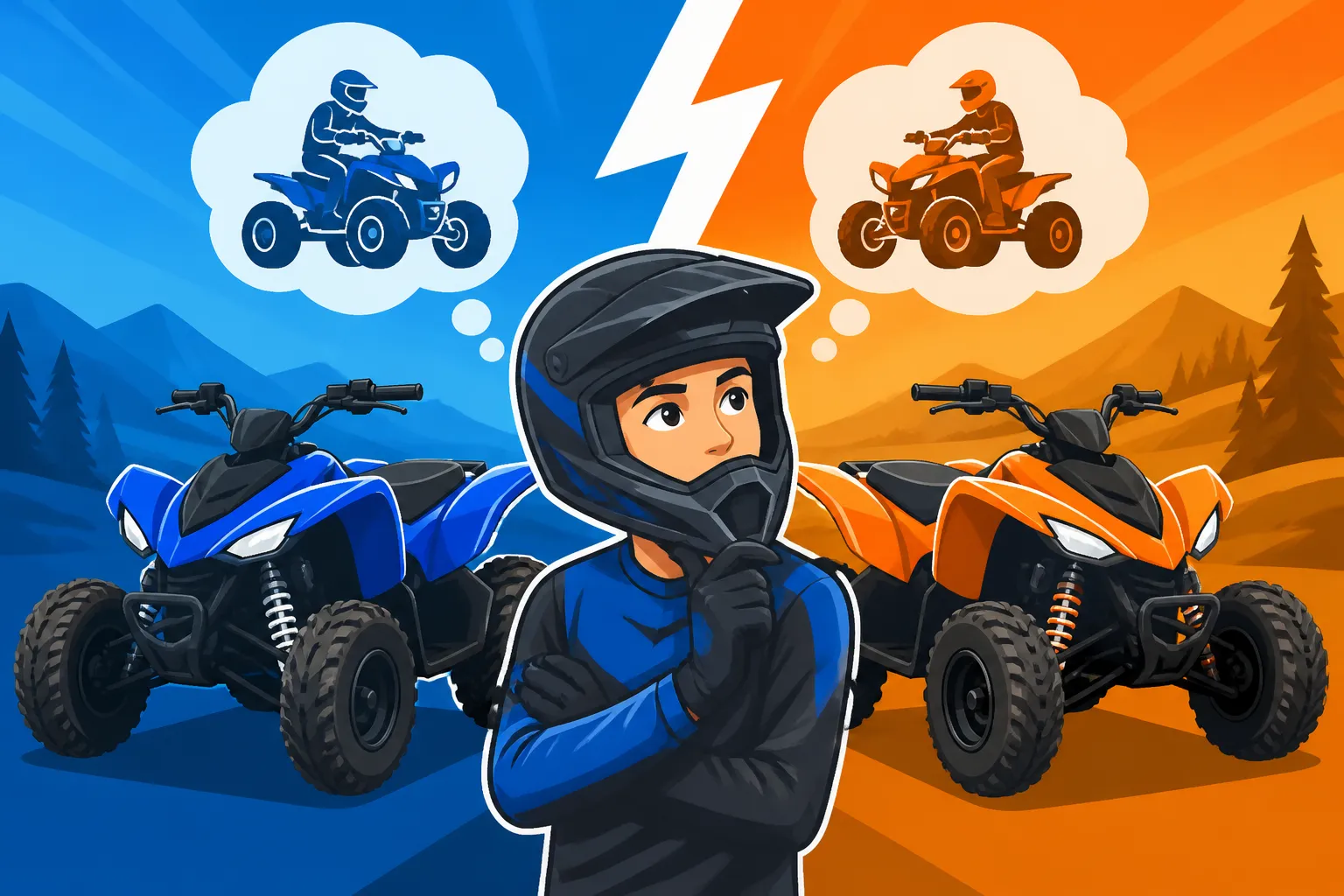
One of the most agonizing decisions for parents who love the outdoors, especially here in West Virginia, is choosing the right ATV or UTV for their child. It’s not just about the coolest look or the fastest machine; it's about finding that sweet spot of power, control, and, most importantly, safety. This guide is here to help you navigate the often-confusing world of youth ATVs, specifically focusing on the 90cc versus 110cc debate, so you can make an informed decision for your young rider.
Understanding Engine Sizes and What They Mean for Young Riders
When you start looking at youth ATVs, you'll quickly notice engine sizes like 50cc, 70cc, 90cc, and 110cc dominating the conversation. The "cc" stands for cubic centimeters, and it refers to the volume of the engine's cylinders, which generally correlates to the power output of the machine. It's not the only factor determining how an ATV performs, but it's a significant one, especially when you're trying to match a machine to a child's age, size, and experience.
The Basics of 90cc ATVs
A 90cc ATV is often considered a stepping stone from smaller 50cc or 70cc models, but for many children, it might be their very first "real" quad. These machines are typically designed for riders in the 10-12 year old range, though manufacturer recommendations can vary, so always check the specific model. They usually feature an automatic transmission, making them incredibly easy for new riders to learn on since there's no clutch or gear shifting to worry about. The speed and acceleration on a 90cc machine are manageable, allowing a child to build confidence without feeling overwhelmed. Think of it as a predictable, steady ride that focuses on control and learning fundamental skills like braking, turning, and throttle management.
Many 90cc models come with safety features like throttle limiters, which allow parents to restrict the top speed until the child gains more experience. Some even include remote kill switches, offering an extra layer of control for parents supervising from a distance. While they might seem less "exciting" than bigger machines, the gradual power delivery and forgiving nature of a 90cc ATV are invaluable for developing good riding habits. It's about nurturing their skill, not pushing them beyond their current capabilities. For a child just starting out, or one who is still developing their coordination and judgment, a 90cc machine provides a safe and effective learning platform.
The Basics of 110cc ATVs
Stepping up to a 110cc ATV introduces a noticeable bump in power and speed compared to a 90cc model. These machines are often recommended for riders who are a bit older, perhaps 12-14 years old, or those younger riders who have already demonstrated a solid grasp of basic ATV operation on a smaller machine. While many 110cc ATVs still come with automatic transmissions, some might offer a semi-automatic setup, introducing the concept of shifting gears without the complication of a manual clutch. This can be a great transition point if you anticipate your child eventually moving to a full-size machine.
The increased engine size means more torque and a higher top speed, which can be exhilarating but also demands a higher level of skill and responsibility from the rider. A 110cc machine will handle varied terrain, including modest inclines, with more authority. However, this added capability also means a greater potential for accidents if the rider isn't ready. Parents often consider these machines when their child has outgrown a 70cc or 90cc in terms of physical size and skill, but isn't quite ready for a full-size adult machine. It's crucial to assess not just their age, but their actual riding maturity and comfort level with more power. Just like with 90cc models, many 110cc ATVs also come equipped with parental control features like throttle restrictors, which are essential for managing the initial learning curve.
West Virginia's Rules and Recommendations for Youth ATVs
Navigating the world of youth ATVs isn't just about what feels right; it's also about understanding the rules and guidelines in place, especially in a state like West Virginia, where ATV riding is such a popular pastime. While West Virginia does have some general guidelines, the primary recommendations often come from the manufacturers themselves, backed by industry safety standards.
Manufacturer Age and Size Requirements
Manufacturers spend considerable resources developing their machines and determining the safest age and size recommendations for riders. These aren't arbitrary suggestions; they're based on factors like the ATV's weight, top speed, acceleration, stability, and the typical physical and cognitive development of children in certain age groups. For instance, you’ll often see a "Y-10" designation for ATVs intended for riders 10 and older, or "Y-12" for those 12 and older. A 90cc machine typically falls into the Y-10 category, while a 110cc might be Y-12.
It's critical to adhere strictly to these manufacturer guidelines. Attempting to put a younger or smaller child on a machine designed for an older, larger rider significantly increases the risk of accidents. An oversized machine is harder to control, to steer, and to stop. Their feet might not reach the footrests properly, or their hands might not comfortably grip the handlebars, compromising their ability to react quickly. While West Virginia doesn't have specific engine size limits tied directly to age in the same way some states do, it heavily promotes following manufacturer guidelines. The state’s ATV safety awareness course, which can be found via [West Virginia ATV Safety Awareness Course], reinforces these principles. If your child is taking the safety course (which is required for certain ages, check [Safety Course Requirements for a 17-Year-Old] for specifics), they will learn the importance of matching the rider to the machine. Don't be tempted to buy a machine your child will "grow into" too quickly; safety should always be the priority.
Beyond Engine Size: Other Factors to Consider
While engine size is a good starting point, it’s far from the only factor in choosing the right ATV. You need to consider the whole picture of your child and their intended riding environment.
First, physical fit is paramount. Can your child comfortably reach the handlebars, levers, and footrests while seated naturally? Can they shift their weight effectively to steer and control the machine? A child should be able to operate all controls easily, reach the ground with their feet when standing, and have enough strength to maneuver the ATV. If the machine is too wide, too tall, or too heavy, it becomes a struggle rather than a fun learning experience. Think about their overall height and weight, not just their age.
Next, their experience level plays a massive role. Is this their very first motorized vehicle? Or have they been riding smaller machines, dirt bikes, or even bicycles with good control for years? A child with prior riding experience and a demonstrated understanding of balance, speed, and braking might be ready for a 110cc sooner than a complete novice. Conversely, even an older child who is new to riding might benefit from starting on a 90cc to build foundational skills.
Finally, think about the terrain where they’ll primarily be riding. Will they be sticking to flat, open fields on private land, or will you be venturing onto the rolling hills and winding trails of the Hatfield-McCoy system or other [Where to Ride an ATV in West Virginia] destinations? Hilly, rocky, or muddy terrain demands more power, ground clearance, and suspension travel. A 90cc might struggle with some steeper climbs or technical sections, whereas a 110cc might handle them more comfortably. However, more challenging terrain also means higher risks, so ensure the child’s skill level matches the environment and the machine’s capabilities. This holistic assessment is crucial for both safety and enjoyment.
Making the Right Choice: Practical Considerations and the Growth Factor
Choosing between a 90cc and a 110cc isn't just about comparing numbers; it's about looking at your child's individual development and your family's riding philosophy. Many parents grapple with the desire to buy something that will last, but safety should always be the deciding factor.
Assessing Your Child's Readiness and Skill
Before even looking at specs, take an honest look at your child. Are they generally coordinated? Do they listen to instructions well and respect rules? Do they have a good sense of their own physical limitations? Maturity and judgment are far more important than chronological age when it comes to operating an ATV. A mature 10-year-old might be ready for a 90cc, while an impulsive 12-year-old might still need a smaller machine and more supervision. Watch how they handle a bicycle or other outdoor activities. Do they push limits recklessly, or do they approach new challenges cautiously and thoughtfully?
Consider their attention span and ability to follow multiple instructions. Riding an ATV requires simultaneous actions: throttle control, steering, braking, and scanning the terrain. If they struggle with focus, starting with a simpler, less powerful machine like a 90cc will allow them to master one skill at a time. It’s a process of gradual progression. Some children might show enthusiasm but lack the physical strength or coordination for a larger machine, no matter how much they beg. Prioritize safety by selecting a machine that allows them to remain in control at all times, rather than one that controls them. This assessment needs to be realistic, not based on wishes or peer pressure.
The "Grow Into It" Trap vs. Safety First
The temptation to buy an ATV that your child can "grow into" is strong. You want to make a smart financial decision, and buying a machine that they might outgrow in a year or two can feel wasteful. However, this is one of the most dangerous traps parents fall into. Putting a child on a machine that is too big, too powerful, or too heavy for their current abilities dramatically increases the risk of serious injury.
An oversized ATV means:
- Difficulty with controls: They might not be able to fully depress the brake lever, or reach the throttle comfortably, leading to delayed reactions.
- Poor balance and stability: If their feet can't reach the ground, they can't effectively stabilize themselves if the machine tips. The weight distribution will also be off for their smaller frame.
- Lack of leverage: Turning and maneuvering a heavy ATV requires physical strength. A child who can't confidently lean into turns or shift their weight will struggle to control the machine, especially on uneven terrain.
West Virginia, like most states, promotes safety above all. While you might want to save money in the long run, the cost of an injury far outweighs the savings on an ATV purchase. It's better to start with a machine that is slightly under their capability and allow them to master it fully. Once they demonstrate consistent skill and maturity, then you can consider an upgrade. Remember that [Youth Machine Engine Size Limits in West Virginia] and resources like [Best First Quad Size for a Ten-Year-Old] emphasize this rider-machine match. When purchasing, even from a private seller, using a clear bill of sale is important. Platforms like LawDepot can provide templates for these documents, ensuring all details are recorded accurately, regardless of the machine’s size.
| Feature | 90cc ATV | 110cc ATV |
|---|---|---|
| Typical Rider Age | 10-12 years (manufacturer dependent) | 12-14 years (manufacturer dependent) |
| Power/Speed | Manageable, steady, good for beginners | Noticeable bump in power, higher top speed |
| Transmission | Mostly automatic | Mostly automatic, some semi-automatic |
| Learning Curve | Gentle, focus on fundamental skills | Requires more skill, builds on basics |
| Terrain Suitability | Flat, gentle slopes, groomed trails | More varied terrain, moderate inclines |
| Parental Controls | Often includes throttle limiter, kill switch | Often includes throttle limiter, kill switch |
| Safety Emphasis | Crucial for skill development, low risk | Requires higher maturity and control |
Safety Gear and Supervision: Essential for Any Size
Regardless of whether you choose a 90cc or a 110cc machine, safety should always be the absolute top priority. The ATV is just one piece of the puzzle; the rider's preparedness and the parent's diligence are equally, if not more, important.
Non-Negotiable Safety Equipment
You would never let a child ride a bicycle without a helmet, and the same, if not more so, applies to ATVs. Accidents can happen quickly, even at low speeds, and proper gear can literally be a lifesaver. Here’s the essential list:
- DOT-Compliant Helmet: This is non-negotiable. West Virginia's trail rules, found in documents like [Helmet Requirements on West Virginia Trails], emphasize the importance of approved helmets. It must fit snugly and be securely fastened.
- Eye Protection: Goggles or a full-face shield are crucial to protect against dust, debris, branches, and insects. [Eye Protection Requirements on West Virginia Trails] clearly outlines this necessity.
- Over-the-Ankle Boots: Sturdy boots protect feet and ankles from impacts, hot engine parts, and the harsh trail environment.
- Gloves: Proper riding gloves improve grip, reduce blisters, and protect hands from scrapes and impacts.
- Long-Sleeved Shirt and Long Pants: Even on hot days, thick denim or protective riding gear should be worn to protect skin from abrasions, branches, and sun exposure. Padded riding gear offers even more protection.
Investing in high-quality safety gear is not an area to cut corners. It’s a direct investment in your child’s well-being. Make sure the gear fits properly – a helmet that's too big is just as dangerous as no helmet at all. Before any ride, make it a routine to check that all gear is worn correctly. It's also important to instill in your child that this gear is part of the riding experience, not an optional accessory.
The Role of Parental Supervision
In West Virginia, especially on managed trails like Hatfield-McCoy, specific rules govern youth riders, including [Direct Supervision Rules for West Virginia Riders Under 16]. This isn't just a legal requirement; it's a fundamental aspect of safe youth ATV riding. Direct supervision means you, as the parent or guardian, are actively watching and guiding your child's riding. You're not just present; you're engaged.
This active supervision involves:
- Pre-Ride Checks: Ensuring the ATV is in good working order (tires, brakes, throttle) before every ride.
- Route Planning: Choosing appropriate trails or areas that match the child's skill level and the machine's capabilities.
- Teaching and Reinforcing Rules: Constantly reminding them of safety rules, such as speed limits, staying on marked trails, not riding alone, and understanding [West Virginia Trail Rules Every West Virginia Rider Signs Up To].
- Leading by Example: Always wearing your own safety gear and riding responsibly.
- Intervention: Being ready to intervene if your child is riding unsafely or getting into a difficult situation.
Beyond just watching, supervision is about ongoing education. Talk to your child about potential hazards, how to react in different scenarios, and the importance of respecting the machine and the environment. Consider having crucial documents like a bill of sale, especially if you're making a private purchase, readily available. Even for youth machines, clear ownership documentation is vital for titling purposes, and LawDepot can assist in creating these forms, protecting you should any questions about ownership arise. Remember, while a 90cc or 110cc ATV can be a fantastic way for a child to experience the joys of off-road riding, it's the responsible supervision that truly ensures a safe and memorable adventure. Make sure you also understand how to secure [Titling a Go-Kart or Youth Quad in West Virginia] and the potential [West Virginia Penalties for an Untitled Machine].
Disclaimer
This article is for general informational purposes only and does not constitute professional advice. Laws, prices and regulations vary by location and change over time. Consult a qualified professional for guidance on your specific situation.