ATV Insurance Cost in West Virginia
The thrill of carving through West Virginia's rugged trails on an ATV or UTV is undeniable, but the practicalities of ownership can sometimes feel like navigating a tricky rock garden. One common concern that often keeps riders up at night, right alongside worries about mechanical breakdowns, is the cost of insurance. It's easy to wonder if you really need it, what it covers, and how it's going to impact your budget. This guide is here to shed some light on ATV insurance costs in West Virginia, helping you understand the factors at play and how to find coverage that fits your adventure without breaking the bank.
Understanding West Virginia's ATV Insurance Landscape
Let's cut right to the chase: insurance can feel like a labyrinth, and when it comes to your beloved off-road machine, you want to make sure you're covered without overspending. Understanding the basics of what's required and what influences costs is your first step toward peace of mind on the trails.
Is ATV Insurance Mandatory in the Mountain State?
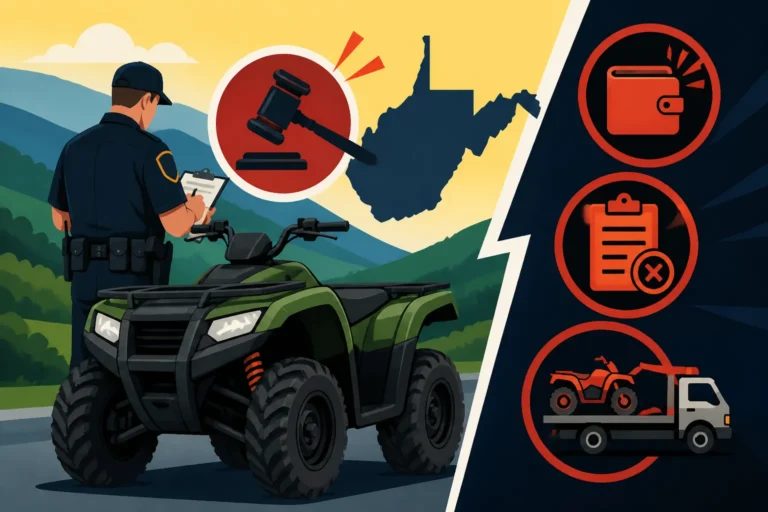
This is often the first question on everyone's mind, and the answer, like many things in life, isn't a simple yes or no. In West Virginia, if you're only riding your ATV on your own private property, away from public access, you might not be legally mandated to carry specific ATV insurance. However, that situation changes rapidly as soon as your wheels touch anything that isn't your private land, or if you've got a loan on your machine.
For instance, if you've financed your ATV or UTV, your lender will almost certainly require you to carry full coverage insurance to protect their investment. More importantly for many West Virginia riders, if you plan to hit the state's incredible public trail systems, like the renowned Hatfield-McCoy Trails, you absolutely must have liability insurance. This isn't just a suggestion; it's a rule designed to protect everyone on the trails. So, while the state might not always demand it for strictly private use, the moment you venture out or have a lien, it becomes a necessity. For a deeper dive, check out [West Virginia ATV Insurance and When You Need It].
Beyond trail systems, if you're one of the savvy riders who have gone through the process of getting a [West Virginia's Street-Legal Special Purpose Vehicle Plate] for your UTV to legally ride on certain public roads, then you'll find that state law requires you to carry liability insurance, just like you would for a car. The rules around an SPV are a bit different, reflecting the increased risk of mixing with regular traffic. It's always best to check the current regulations before you assume you're covered, or that you don't need it.
Key Factors Influencing Your Premium
Now that we know when insurance is generally needed, let's talk about what actually makes that premium tick up or down. Insurance companies are all about assessing risk, and a whole host of details about you and your machine play into that calculation. It’s not just a flat fee, but a nuanced equation.
Your personal profile is a big piece of the puzzle. Factors like your age and riding experience can significantly impact your rates. A younger, less experienced rider might see higher premiums than someone who's been safely tearing up trails for decades. Your claims history, both with ATVs and other vehicles, is also a huge consideration. If you've had a few bumps or scrapes in the past, insurers might view you as a higher risk, which can lead to higher costs. Where you live in West Virginia, and how you store your machine (in a locked garage vs. an open carport), also factor into the equation because theft rates and accident statistics can vary geographically.
Then there's your machine itself. Is it a brand-new, high-performance side-by-side like a Can-Am Maverick or Polaris RZR, or a well-loved, older utility ATV like a Honda Foreman? The value of your machine, its engine size, its make and model, and even its perceived theft risk all play a part. More powerful, faster, and more expensive machines naturally cost more to insure because they represent a greater potential loss for the insurance company in the event of an accident or theft. A good tip is to understand how your machine’s characteristics fit into the overall risk profile when you're getting quotes.
The Different Types of ATV Coverage Available
Just like with car insurance, ATV policies come with various types of coverage, each designed to protect you in different scenarios. Understanding these options helps you build a policy that truly meets your needs, instead of just grabbing the cheapest thing available. It’s about being prepared for whatever the mountain throws at you.
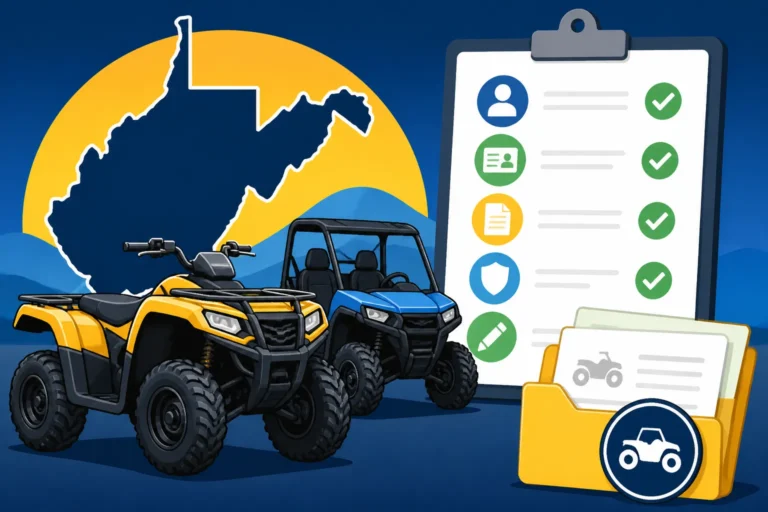
First up is Liability Coverage. This is arguably the most critical and often the only type of coverage required by law (for public trails or SPVs). It kicks in if you're at fault in an accident and cause injury to another person or damage to their property. Think about it: if you accidentally swerve and hit another rider on the trail, or cause damage to a fence on a roadside excursion, your liability coverage helps pay for those costs, protecting you from potentially massive out-of-pocket expenses. West Virginia has minimum liability limits for street-legal vehicles, and these often guide what trail systems require. To learn more about those figures, see [West Virginia ATV Liability Coverage Limits].
Next, you have Collision Coverage, which is designed to cover the costs of repairing or replacing your ATV if it's damaged in an accident, regardless of who was at fault. If you accidentally roll your UTV down an embankment or collide with a tree, this is the coverage that steps in. Then there's Comprehensive Coverage, which is your all-purpose protector against non-collision incidents. This includes things like theft, fire, vandalism, damage from natural disasters (like a fallen tree limb or flood), and even hitting an animal. If you're parking your machine outdoors, or you've invested a lot in a new rig, both collision and comprehensive are typically smart additions.
Beyond these core coverages, you can add more specialized protections. Uninsured/Underinsured Motorist Coverage is a lifesaver if you're involved in an accident with another rider who either has no insurance or not enough to cover your damages. Medical Payments Coverage can help with your own medical bills, or those of your passengers, regardless of who caused the accident. If you've tricked out your machine with custom rims, a lift kit, or an upgraded winch, Accessory Coverage is a must to ensure those expensive additions are protected. Finally, Roadside Assistance and Towing can be incredibly valuable when you're stranded miles deep in a hollow after a breakdown; getting a full-size side-by-side out of the woods isn't cheap!
Navigating the Costs and Finding Savings
When you’re thinking about the expenses associated with your ATV or UTV, the insurance premium is a recurring one. While we can’t give you exact numbers here (because they change all the time and vary wildly), we can definitely give you a solid idea of what to expect and, more importantly, how to potentially shave some dollars off that annual bill.
The "Shape" of ATV Insurance Costs
It’s completely normal to want a concrete number, but the reality is that ATV insurance costs in West Virginia can fluctuate dramatically. Think of it less as a fixed price and more as a spectrum. On the lower end, if you're insuring an older, less valuable ATV with just basic liability coverage (perhaps because you only ride on private land or strictly adhere to minimum trail requirements), your annual premium could be quite affordable. We're talking about a sum that might feel like a few tanks of gas.
However, as you move across that spectrum, the costs naturally increase. If you own a brand-new, high-horsepower side-by-side, especially one loaded with expensive aftermarket parts, and you opt for full coverage (liability, collision, comprehensive, and all the bells and whistles), your annual premium will be significantly higher. This is particularly true if you’re a newer rider or live in an area with higher theft rates. You might find yourself looking at several hundred dollars annually for robust protection on a cutting-edge machine. The key takeaway is to understand that the more risk you transfer to the insurance company (i.e., higher value machine, more comprehensive coverage), the more you'll typically pay. For a general overview of these expenses, consider reading [ATV Insurance Cost in West Virginia].
Strategies to Potentially Lower Your Premiums
No one likes paying more than they have to, and thankfully, there are several smart strategies you can employ to potentially reduce your ATV insurance premiums without compromising essential coverage. It's all about making yourself a more attractive risk to the insurance provider.
One of the most common and effective ways to save is by bundling your policies. If you already have car insurance, homeowners insurance, or even motorcycle insurance with a particular provider, ask them about discounts for adding your ATV policy. Many companies offer significant savings for customers who keep multiple lines of business with them. Another strategy is to increase your deductible. The deductible is the amount you pay out of pocket before your insurance coverage kicks in. A higher deductible typically means a lower premium, but be realistic about how much you can comfortably afford to pay if you do have to file a claim.
Consider taking an ATV safety awareness course. Not only is this a great idea for enhancing your riding skills and safety, but many insurance companies offer a discount for completing such a course. In West Virginia, the [West Virginia DMV ATV Safety Awareness Course] can be a valuable step both for safety and savings. Beyond that, maintaining a clean driving record (both on and off-road) is crucial. Avoiding accidents and traffic violations can keep your premiums down. Also, inquire about specific discounts: some insurers offer lower rates for mature riders, for insuring multiple machines, or if you install anti-theft devices on your ATV or UTV.
Comparing Quotes and Choosing the Right Provider
Shopping around for ATV insurance isn't just a good idea; it's essential if you want to find the best balance of coverage and cost. Just like you wouldn't buy the first ATV you see, you shouldn't settle for the first insurance quote you get. Different insurance companies have different underwriting models, and what might be expensive with one could be quite affordable with another, even for the same level of coverage.
Start by contacting several reputable insurance providers. Many large national companies offer ATV policies, but don't overlook regional or specialized insurers who might have a deeper understanding of off-road vehicle risks specific to West Virginia. When you get quotes, make sure you're comparing apples to apples – ensure each quote includes the same types and amounts of coverage so you can accurately assess the price difference. Don't just look at the bottom line; delve into what each policy actually covers, what the exclusions are, and the claims process. It's also wise to check reviews of the companies you're considering; how they handle claims is just as important as the initial premium.
Sometimes, riders wonder if their existing homeowners insurance might cover their ATV. While some homeowners policies might offer very limited coverage for an ATV while it's stored on your property, it's rarely comprehensive enough for typical riding scenarios, and almost never covers liability for accidents that happen off your property. It's usually a mistake to rely solely on your home insurance for ATV protection; a dedicated policy is almost always the safer and more comprehensive route. For more on this, check out [Does Homeowners Insurance Cover an ATV in West Virginia?]. If you're dealing with legal documents like a bill of sale or other ownership proofs, platforms like LawDepot can be helpful for creating legally sound paperwork, but they don't offer insurance themselves. Always go directly to an insurer for actual coverage.
| Coverage Type | What it Protects | Typically Mandatory in WV (for specific uses) |
|---|---|---|
| Liability | Injuries/damages you cause to others or their property | Yes (Hatfield-McCoy, SPV plates, financed machines) |
| Collision | Damage to your ATV from an accident (e.g., hitting a tree, rolling over) | No (but highly recommended for new/valuable machines) |
| Comprehensive | Damage to your ATV from non-collision events (theft, fire, vandalism, weather) | No (but highly recommended for new/valuable machines) |
| Uninsured/Underinsured Motorist | Your damages if hit by a rider with no or insufficient insurance | No (but a smart addition) |
| Medical Payments | Medical expenses for you or your passengers, regardless of fault | No |
| Accessory Coverage | Aftermarket parts and custom additions | No (but essential if you have expensive upgrades) |
| Roadside Assistance | Towing and assistance if your machine breaks down on a trail | No (but valuable for remote riding) |
Special Considerations for West Virginia Riders
West Virginia isn't just any state for ATV and UTV enthusiasts; it's a true haven with unique riding opportunities and, therefore, some specific insurance considerations. Understanding these local nuances is key to being fully prepared for your adventures in the Mountain State.
Insurance for Hatfield-McCoy Trails and Public Lands
If you're planning to ride the iconic Hatfield-McCoy Trails, or any other managed public trail system in West Virginia, you absolutely must have liability insurance. This isn't just a recommendation from your friendly blogger; it's a requirement enforced by the Hatfield-McCoy Trail Authority, and for good reason. These trails are a shared resource, and the insurance requirement helps protect all riders. Imagine if an accident occurs and the at-fault party has no way to cover the damages or medical bills—it could be financially devastating.
The specific amount of liability coverage required for the Hatfield-McCoy Trails typically aligns with state minimums for motor vehicles, though it's always smart to have more than the minimum if you can afford it. When you purchase your [West Virginia's Hatfield-McCoy Trail Permit Explained], you'll usually have to show proof of this insurance. It's a fundamental part of responsible riding on these incredible trails, ensuring that you're prepared for the unexpected and contributing to the safety of the entire trail community. Having adequate coverage means you can focus on the ride, not on potential financial catastrophe. For a more detailed look, be sure to read [Insuring a Machine You Ride at Hatfield-McCoy].
Street-Legal Special Purpose Vehicles (SPVs) and Their Insurance Needs
West Virginia offers a unique opportunity for UTV owners to obtain a [West Virginia's Street-Legal Special Purpose Vehicle Plate], allowing them to operate on certain public roads. This opens up incredible possibilities for connecting trails, accessing trail towns, and generally expanding your riding territory. However, with the privilege of road access comes increased responsibility, particularly concerning insurance.
An SPV, when operating on a public road, is essentially treated more like a traditional motor vehicle by the state. This means that you are legally required to carry specific liability insurance that meets or exceeds West Virginia's minimum requirements for vehicle registration. These minimums are often higher than what might be required for strictly off-road use, reflecting the greater risks associated with sharing the road with cars, trucks, and other traffic. Beyond liability, many SPV owners opt for comprehensive and collision coverage, especially given the investment in making a UTV street-legal, which often includes lights, turn signals, horns, and specialized tires. For comprehensive details on this topic, consult [Insurance Required for a West Virginia SPV Plate]. It's crucial that your policy explicitly covers your UTV as a street-legal SPV, not just an off-road vehicle, to ensure you're fully protected when cruising down a county road.
Renting an ATV or UTV in West Virginia
Many visitors and even locals choose to rent ATVs or UTVs to experience West Virginia's trails, especially on the Hatfield-McCoy system. If you're renting, you might wonder about insurance. Typically, rental companies will have their own insurance policies that cover their fleet. They will often offer you various levels of damage waivers or supplemental insurance options when you pick up your machine.
It's absolutely critical to read the rental agreement and understand what coverage is provided by the rental company and what your personal liability might be. Sometimes, the basic coverage included by the rental company might only cover damage to their machine, and often only after a substantial deductible. It might not cover your personal injuries, or liability if you cause an accident involving another party. It's worth checking with your own personal auto or umbrella insurance policy to see if it extends any coverage to rented recreational vehicles, though often they do not. Always ask specific questions about liability, collision damage, and personal injury coverage before you sign on the dotted line. Being prepared will save you a headache later on. For more information on this, check out [Renting a Side-by-Side in West Virginia]. Also, if you need any legal forms for a rental agreement or a bill of sale, services like LawDepot can assist you in drafting those documents, but remember, they are not insurance providers.
Disclaimer
This article is for general informational purposes only and does not constitute professional advice. Laws, prices and regulations vary by location and change over time. Consult a qualified professional for guidance on your specific situation.