Buying From a West Virginia Dealer: What They File
Buying a new or even a 'new-to-you' ATV or UTV from a dealership in West Virginia can feel like a maze of paperwork, and it's easy to get overwhelmed trying to understand what forms mean what, or worse, worrying if everything is being handled correctly. This guide is here to untangle that process, explaining exactly what your West Virginia dealer will file on your behalf and what you, as the excited new owner, need to know and provide.
The Dealer's Role in Titling Your New ATV or UTV
When you purchase an ATV or UTV from a licensed dealer in West Virginia, you're not just buying a fun new machine; you're also buying peace of mind that a lot of the administrative heavy lifting will be done for you. Unlike a private sale where every single piece of paperwork falls squarely on your shoulders, dealers are set up to streamline the titling and registration process. They're well-versed in the specific requirements of the West Virginia Division of Motor Vehicles (DMV) and typically handle everything from sales tax collection to submitting your title application.
This service is a huge benefit, especially for first-time buyers or those who simply don't want to navigate the DMV themselves. It means less time spent researching forms, fewer trips to the DMV office, and generally a smoother transition from shopper to rider. While it's great that they handle it, understanding what they're doing is still important for your own records and to ensure everything progresses as it should.
Why Dealers Handle the Paperwork and Why It's a Good Thing
Dealers aren't just doing you a favor by handling the paperwork; it's part of their legal obligation and standard business practice. When a dealer sells a new or used ATV or UTV, they are typically required by West Virginia law to collect sales tax, process the title application, and often, manage any lien filings if you're financing the purchase. This system ensures that all applicable taxes are paid and that the state has an accurate record of ownership for every machine.
For you, the buyer, this is genuinely a good thing. It drastically reduces the chances of errors that could delay your title or even lead to legal complications down the road. Imagine missing a crucial signature or failing to calculate sales tax correctly; these are common pitfalls in private sales that a dealer’s experienced staff usually avoids. Plus, it frees you up to focus on the exciting parts: planning your first ride on the Hatfield-McCoy Trails or getting your gear ready. You can almost feel the wind in your hair just thinking about it, right?
The Initial Paperwork You'll Sign at the Dealership
When you're at the dealership, beyond the initial sales agreement outlining the price of your ATV or UTV, you'll encounter several important documents that require your signature. These forms are crucial for initiating the titling and registration process. Expect to sign a purchase agreement, which details the vehicle, price, trade-in value (if any), and any additional fees. This document is essentially your contract to buy the machine.
You'll also likely sign forms related to financing if you're taking out a loan. These could include a loan application, a retail installment contract, and security agreements that establish the lender's lien on your ATV or UTV until it's paid off. While these aren't directly DMV forms, they are integral to the transaction and will affect how your title is processed. Finally, you will sign the actual application for title and registration, authorizing the dealer to submit it on your behalf. Don't be afraid to ask questions about anything you're unsure of before putting your pen to paper!
Understanding the Key Documents a Dealer Files for You
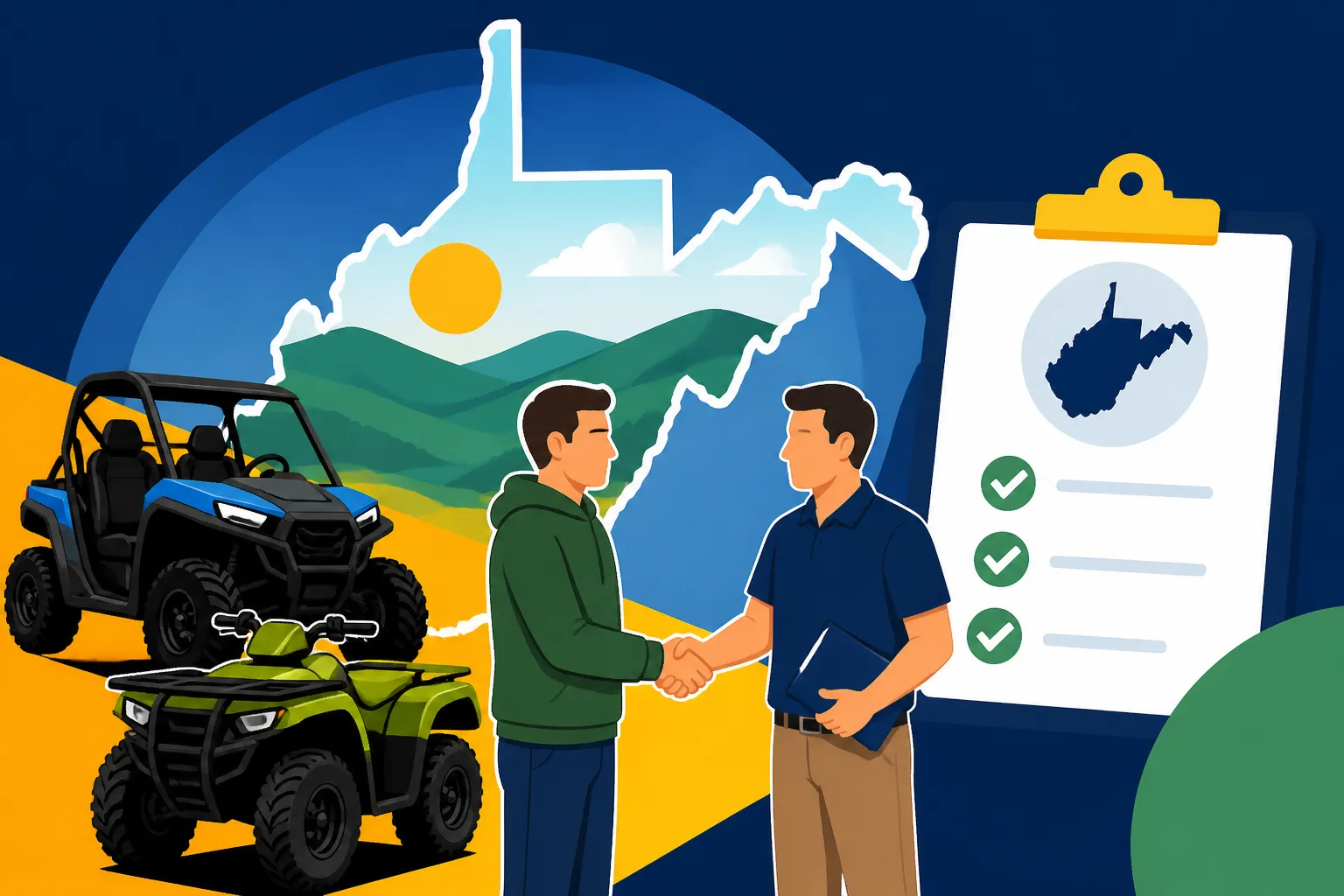
Once you've shaken hands and signed on the dotted line, the dealer's administrative team gets to work. They'll compile a packet of documents to send to the West Virginia DMV to ensure your ATV or UTV is legally titled in your name. Knowing what these documents are can help you understand the process and, if needed, follow up intelligently. It's more than just a single form; it's a careful assembly of official papers that prove ownership, confirm tax payments, and register your machine.
This behind-the-scenes process is where the dealer's expertise really shines. They know the precise forms, the correct order, and the required information to get your title through the system efficiently. This is particularly helpful when you're busy planning your next adventure, whether it's riding the [Rockhouse Trail System] or just exploring some backroads.
The Manufacturer's Certificate of Origin (MCO)
For a brand-new ATV or UTV, the most critical document the dealer deals with is the Manufacturer's Certificate of Origin, often abbreviated as MCO, or sometimes MSO (Manufacturer's Statement of Origin). This is essentially the birth certificate of your machine. It proves that the vehicle is new, hasn't been titled before, and verifies its unique Vehicle Identification Number (VIN). The MCO will be issued by the manufacturer to the dealer, and then the dealer will sign it over to you, the first retail purchaser.
The dealer will use this MCO to apply for your initial West Virginia title. Think of it as the ultimate proof of ownership before your name officially appears on a state-issued title document. Without a proper MCO, or if there's any discrepancy on it, the titling process can hit a major snag. When you're buying a used machine from a dealer, they'll instead process the existing [West Virginia ATV Title Application Form] or the previous owner's title, signed over to the dealership.
The West Virginia Title Application
This is the core document that officially requests the state of West Virginia to issue a title in your name. The dealer will complete the official West Virginia Title Application form (Form DMV-1-TR) on your behalf. This form requires specific information about you (the buyer) and the ATV or UTV itself, including its VIN, make, model, and year. It also includes sections for sales tax information and any lienholder details if you've financed the purchase.
The dealer will ensure all sections are filled out accurately and completely, reducing the risk of your application being rejected by the DMV. They will attach the MCO (for new machines) or the assigned previous title (for used machines), along with proof of sales tax payment and any other required documentation. This comprehensive package is then submitted to the DMV. You can check out [What the West Virginia DMV Needs to Title an ATV] for more details on the general requirements.
Sales Tax Forms and Payment
One of the biggest advantages of buying from a dealer is that they handle the collection and remittance of sales tax. In West Virginia, you're required to pay sales tax on the purchase price of your ATV or UTV. The dealer calculates this amount, collects it from you at the time of purchase, and then forwards it to the state on your behalf. They'll include proof of this payment with your title application.
This saves you the headache of calculating the tax, finding the right form, and sending a separate payment to the tax department. It’s all rolled into your transaction at the dealership. If you're wondering about the specifics, you can learn more about [West Virginia Sales Tax on an ATV Purchase]. Sometimes, a trade-in can reduce the taxable amount, which is another area where dealers ensure proper calculations are made.
What You Need to Provide to the Dealer
Even though the dealer handles most of the paperwork, you still have an important role to play. You'll need to provide them with certain information and documents to ensure they can complete the title application accurately and efficiently. Gathering these items ahead of time can significantly speed up your purchasing experience and get you out on the trails faster.
Don't fret, it's usually straightforward stuff, but it's important to have it ready. Think of it as your part of the team effort to get your new ride legally yours. This preparation helps ensure a smooth process, much like prepping your machine before a long day on the trails.
Proof of Identity and Residency
To complete your title application, the dealer will need to verify your identity and residency. This is standard procedure to ensure the vehicle is being titled to the correct person and to confirm eligibility for West Virginia registration. You'll typically need a valid government-issued photo ID, such as a West Virginia driver's license or a state-issued identification card. Make sure the address on your ID matches your current West Virginia residency.
If your ID address isn't current, or if you're a new resident, you might need to provide additional documents to prove your West Virginia address. This could include utility bills, a lease agreement, or other official mail. The dealer needs to be sure the information submitted to the DMV is accurate to prevent delays in processing your [Titling an ATV in West Virginia].
Your Payment Method and Financing Documents
Naturally, the dealer needs payment for your new ATV or UTV. Whether you're paying cash, using a personal loan, or financing through the dealership, you'll need to have your payment method ready. If you're financing through the dealer, you'll sign all the necessary loan documents, which will then be processed. The dealer will ensure all financing details, including the lienholder's information, are correctly noted on the title application.
If you've secured your own financing from an outside bank or credit union, you'll typically bring a check or proof of funds from that institution. The dealer will then work with your lender to finalize the payment and ensure the lien is correctly recorded. This step is critical because any errors in recording a lien could cause problems later when you try to sell the machine or if you need a [West Virginia Lien Release on a Paid-Off UTV].
Common Dealer Practices and What to Watch For
Buying from a dealer is generally a smooth process, but understanding some common practices can help you feel more confident and ensure you're getting a fair deal. Dealers have specific ways they handle certain aspects of the sale, from trade-ins to those ubiquitous "doc fees." Being informed empowers you to ask the right questions and understand the full scope of your purchase.
It's about making sure there are no surprises, much like checking the weather before you head out for a ride. A little foresight can prevent a lot of frustration later on. Knowing these details also helps differentiate the dealer experience from, say, handling a [West Virginia Title Transfer After a Private Sale].
How Dealers Handle Trade-Ins
Many buyers choose to trade in an old ATV or UTV when purchasing a new one. Dealers are equipped to handle trade-ins, and this can simplify the process for you by avoiding the hassle of selling your old machine privately. When you trade in a machine, the dealer will assess its value and offer you a credit towards your new purchase. This trade-in value is then deducted from the sale price of your new machine, reducing the amount you pay and, importantly, reducing the amount of sales tax you owe.
When trading in, you'll need to provide the dealer with the title to your old machine, properly signed over to them. They will then take care of transferring the ownership of your trade-in. Always make sure you understand the trade-in value and how it impacts your total cost. A related topic is understanding [Trade-In Credit at a West Virginia Dealer], which can help clarify how this works financially.
The "Doc Fee" and Other Charges
When you purchase an ATV or UTV from a dealer, you'll likely see a "documentation fee" or "doc fee" on your bill of sale. This fee is charged by dealerships to cover the costs associated with processing all the paperwork for your sale, including title applications, registration, and other administrative tasks. While these fees are generally legitimate and cover real costs, their amount can vary significantly from one dealership to another.
It's a good practice to inquire about all fees upfront, including the doc fee, dealer prep fees, and any other charges that might be added to the sticker price. While doc fees are usually non-negotiable, knowing about them beforehand helps you see the full picture of your purchase. Don't be shy about asking for an itemized list of all charges, so you know exactly what you're paying for.
Temporary Plates and When to Expect Your Title
After you've completed your purchase and the dealer has submitted all the necessary paperwork, you'll often receive a temporary registration or plate. This allows you to legally operate your ATV or UTV while the DMV processes your official title and permanent registration. The duration of these temporary tags can vary, but they typically give you enough time until your permanent documents arrive.
The timeframe for receiving your official West Virginia ATV or UTV title can fluctuate depending on DMV workload and whether there are any issues with your application. Generally, you might expect it within a few weeks, but it could take longer. The dealer usually provides an estimate, and it's a good idea to confirm this expectation. If too much time passes, you might need to follow up, as waiting too long could put you in a bind regarding [Penalties for an Untitled ATV in West Virginia]. For more insight into the waiting period, check out [How Long a West Virginia ATV Title Takes].
Troubleshooting and When to Follow Up
Even with the dealer handling the bulk of the paperwork, sometimes things don't go exactly as planned. Delays can happen, or errors might creep into the process. Knowing how to troubleshoot and when it's appropriate to follow up can save you a lot of anxiety and ensure you get your title in a timely manner. It's about being proactive without being overbearing.
Just like on the trails, sometimes you hit a bump, but knowing how to navigate it smoothly means you'll be back on track quickly. Don't assume everything is fine if you're experiencing unusual delays or have concerns.
What If Your Title is Delayed?
If the estimated timeframe for receiving your West Virginia ATV or UTV title passes and you still haven't received it, it's time to follow up. Your first point of contact should always be the dealership where you made the purchase. They submitted the paperwork and should have a tracking system or a point of contact at the DMV to check the status of your application. Provide them with your purchase date, vehicle information, and any temporary registration numbers you were issued.
Sometimes, delays can be due to high volume at the DMV, missing information, or an unexpected hold. The dealer's finance or tag and title department is best equipped to investigate these issues. Keep a record of your communication, including dates, names, and what was discussed. If the delay is significant and the dealer can't provide a satisfactory explanation or resolution, you might eventually need to directly contact the West Virginia DMV. You can often check the status of your title online or by phone.
Correcting Errors on Your Title or Paperwork
Discovering an error on your new title can be incredibly frustrating. It could be anything from a misspelled name to an incorrect VIN or lienholder information. If you notice any mistakes once you receive your title, contact the dealership immediately. They are responsible for ensuring the accuracy of the information they submit to the DMV on your behalf.
The dealer will typically assist you in correcting the error by helping you fill out a corrected title application and submitting it to the DMV. You may need to return the incorrect title to them. Acting quickly is crucial to avoid further complications. If you ever find yourself in a situation where the VIN on your new title doesn't match your machine, you'd be looking at a problem addressed in situations like [Fixing a Wrong VIN on a West Virginia Title], although a dealer should prevent this for you.
Comparing Dealer Purchase to Private Sale
While this guide focuses on buying from a dealer, it's helpful to briefly contrast this experience with a private sale. Both routes have their advantages and disadvantages, especially concerning the paperwork and peace of mind. Understanding these differences can reaffirm your choice to buy from a dealer or prepare you for the alternative.
Think of it like choosing between a guided tour and an unguided adventure; both can be great, but they require different levels of preparation and responsibility from you.
Pros and Cons of Dealer Purchases
Buying from a West Virginia dealer offers several clear benefits. First and foremost, convenience: the dealer handles most of the complex titling, registration, and sales tax paperwork. This saves you time and reduces the likelihood of errors. Dealers also often offer financing options, warranties, and the opportunity to trade in your old machine. They are held to certain legal standards, which can provide a layer of consumer protection.
However, there are also potential downsides. Machines purchased from dealers often come with a higher price tag than those bought privately, largely due to overhead costs and the services they provide. You might also encounter additional fees, like the "doc fee" we discussed earlier. While convenient, the process can sometimes feel less flexible than a private transaction. You can weigh these against the complexities described in [Buying a Used ATV in West Virginia: The Title Steps] for private sales.
The Private Sale Paperwork Burden
In stark contrast, when you buy an ATV or UTV from a private seller in West Virginia, you are solely responsible for handling all the titling, registration, and sales tax paperwork. This means you need to obtain the properly assigned title from the seller, fill out the West Virginia Title Application form yourself, calculate and pay the sales tax directly to the DMV, and manage any lien releases if applicable.
You also need to create your own bill of sale, which, while not submitted to the DMV for titling, is crucial for your records and proof of purchase. Resources like [West Virginia ATV Bill of Sale: What Belongs in It] and forms from services like LawDepot can be invaluable for drafting these agreements. Failing to properly complete any of these steps can lead to significant delays, additional fees, or even legal issues, potentially leaving you with an untitled machine that you can't legally ride.
| Aspect | Buying from a West Virginia Dealer | Buying from a Private Seller |
|---|---|---|
| Paperwork Handling | Dealer prepares and submits title application, collects sales tax. | Buyer is responsible for all paperwork, forms, and submissions. |
| Sales Tax | Collected by dealer at time of purchase, remitted to state. | Buyer calculates and pays directly to the WV DMV. |
| Proof of Ownership | New: Manufacturer's Certificate of Origin (MCO). Used: Prior title. | Prior owner's properly signed-over title. |
| Financing | Often available through dealer or their partners. | Typically requires private loan or cash payment. |
| Warranties | New machines come with manufacturer warranties; some used have dealer warranties. | Usually sold "as-is," no warranty implied. |
| Trade-Ins | Dealer can accept trade-ins, reducing taxable amount. | Must sell your old machine yourself. |
| Price | Generally higher due to overhead, services, and profit margins. | Often lower, more room for negotiation. |
| Documentation | Dealer provides comprehensive sales agreement, title application forms. | Buyer needs to ensure all necessary documents (e.g., bill of sale from LawDepot) are created. |
Disclaimer
This article is for general informational purposes only and does not constitute professional advice. Laws, prices and regulations vary by location and change over time. Consult a qualified professional for guidance on your specific situation.