Paying West Virginia Tax on an ATV Bought in Kentucky
So, you’ve found the perfect ATV or UTV just across the border in Kentucky, perhaps snagged a fantastic deal that just couldn't be passed up. You’re picturing yourself tearing up the trails back home in the Mountain State, but then the reality hits: how do you deal with sales tax when you bring that machine into West Virginia? It’s a common headache for many riders, and this guide is here to walk you through the often-confusing process of ensuring your out-of-state ATV purchase is properly taxed and titled in West Virginia, saving you from unexpected fines or delays.
The Challenge of Out-of-State ATV Purchases
Buying an ATV or UTV in another state like Kentucky often feels like a smart move. Maybe you found a rare model, a better price, or simply a wider selection than what was available locally in West Virginia. The open road on the trailer ride home feels victorious. However, that sense of triumph can quickly turn to frustration when you start thinking about the paperwork. Many riders assume that once they’ve paid for the machine, perhaps even paid a sales tax in Kentucky, their financial obligations are over. Unfortunately, that's rarely the case when crossing state lines with a vehicle, especially when it comes to sales tax. West Virginia has its own rules, and they're designed to collect revenue on vehicles that will be used and titled within its borders, regardless of where they were originally purchased.
It’s easy to feel caught off guard by this. You’ve already shelled out a significant amount for the machine itself, and the thought of another tax bill can be disheartening. This is a very real frustration, and it's why understanding West Virginia's stance on out-of-state purchases is so crucial before you even make the trip to the DMV. The goal isn't to discourage you from finding a great deal elsewhere, but to prepare you for the financial realities that follow.
Why Sales Tax Isn't a One-Time Deal
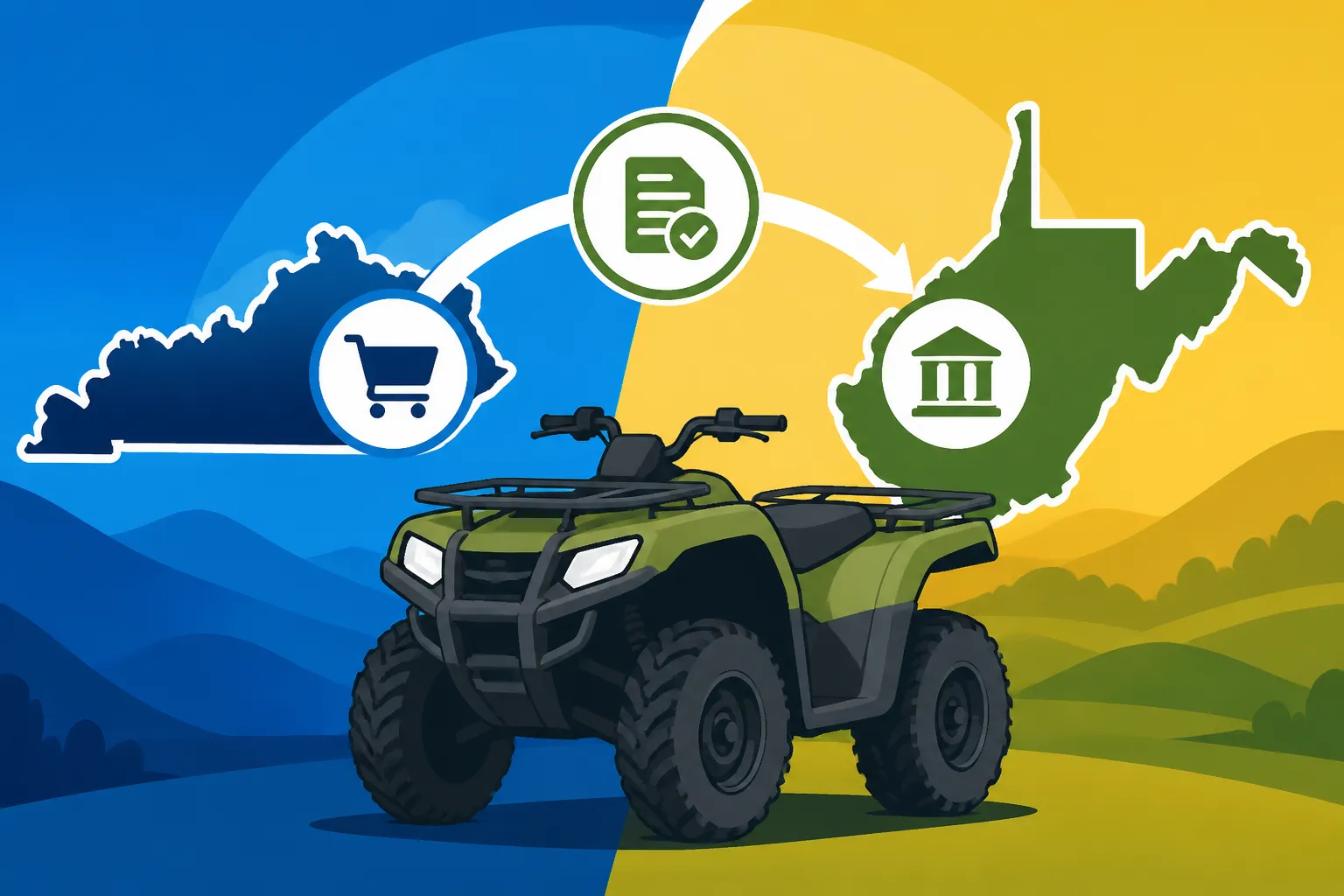
One of the biggest misconceptions people have is that sales tax is solely tied to the point of sale. While a sales tax might be collected by the seller in Kentucky, West Virginia generally views this transaction through its own lens: as a "use tax." This means that if you’re purchasing a machine for use within West Virginia, and you didn't pay West Virginia sales tax at the time of purchase (which you wouldn't if buying in Kentucky from a Kentucky dealer or private party), then West Virginia expects you to pay a "use tax" equivalent to its sales tax rate. It's not about double taxation; it's about ensuring the state where the vehicle will primarily reside and be titled receives its due revenue.
Think of it this way: if every West Virginia resident could simply drive across the border, buy an ATV, and avoid West Virginia sales tax, the state would lose a significant amount of funding. That tax revenue supports local infrastructure, education, and other public services that benefit everyone, including ATV riders who use public roads or state-managed trails. So, while it might feel like an added burden, it's a standard practice in most states to ensure fairness and maintain their tax base. Your responsibility shifts from the seller collecting sales tax to you, the buyer, remitting use tax directly to the state when you go to title the machine.
Reciprocity and the West Virginia Tax Bite
When it comes to sales tax paid in another state, West Virginia does have some provisions for reciprocity, but it's not a blanket exemption. Generally, West Virginia will give credit for sales or use tax legitimately paid to another state if that state's tax rate is equal to or higher than West Virginia's. If the tax paid in Kentucky was less than what West Virginia charges, you'd typically owe West Virginia the difference. However, it's vital to remember that these rules are often applied strictly and require clear documentation.
The key here is proof. If you paid sales tax in Kentucky, you need an official receipt or a bill of sale that clearly itemizes and shows the amount of sales tax paid to the state of Kentucky. Without this concrete evidence, West Virginia's Division of Motor Vehicles (DMV) will likely assume no sales tax was paid to another state and will charge you the full West Virginia sales tax amount based on the purchase price or fair market value. It's a situation where having all your ducks in a row can save you money. Be sure to specifically ask the seller for a detailed receipt if they collected sales tax. If it was a private sale in Kentucky, sales tax might not have been collected at all, meaning you'll owe the full West Virginia amount. This detail is often overlooked, leading to sticker shock at the DMV counter.
Calculating and Paying West Virginia Sales Tax
Now that we understand why you'll likely be paying West Virginia sales tax, let's dive into how to calculate it and the process for getting it paid. This isn't a "set it and forget it" kind of thing; it requires a bit of preparation to ensure a smooth titling experience. You don't want to get to the DMV only to find out you're missing information or funds, delaying your ability to legally hit the trails. The process is directly tied to getting your [Titling an ATV in West Virginia] done right, so they go hand-in-hand.
The amount you owe will depend on two main factors: the West Virginia sales tax rate and the taxable value of your ATV. It sounds simple, but determining the taxable value can sometimes be a point of contention, especially with used machines or those bought at a very low price. Being prepared with clear documentation is your best defense against any discrepancies.
Determining Your ATV's Taxable Value
The West Virginia sales tax will be calculated based on the purchase price of your ATV or UTV. For a new machine bought from a dealer, this is usually straightforward: it's the price on the invoice. However, for a used machine, especially one bought from a private seller, things can get a little trickier. The DMV reserves the right to assess the "fair market value" of the vehicle, even if your bill of sale shows a lower price. This is to prevent individuals from artificially lowering the declared purchase price to avoid paying the full amount of sales tax.
To determine fair market value, the DMV might reference industry guides like the NADA (National Automobile Dealers Association) Official Used Car Guide for powersports vehicles. If your bill of sale shows a significantly lower price than the NADA value for a comparable machine, be prepared to explain the discrepancy. Perhaps the ATV has considerable damage, high mileage, or needed extensive repairs. Having photos, repair estimates, or a detailed [West Virginia ATV Bill of Sale: What Belongs in It] that outlines the machine's condition can help support your stated purchase price. Without such evidence, the DMV may override your declared price and tax you based on their determined market value. This is where a robust bill of sale, perhaps generated using a service like LawDepot to ensure all relevant details are captured, can be incredibly helpful.
The West Virginia Tax Rate and How to Submit It
West Virginia applies a statewide sales tax rate to most vehicle purchases, including ATVs and UTVs. While I can't give you the exact percentage, you'll want to check the current rate with the West Virginia DMV or their official website before you visit. This rate will be applied to your ATV's taxable value, as determined in the previous step. The good news is that paying this tax is usually integrated directly into the titling process.
When you head to your local [West Virginia DMV Offices That Handle ATV Titles] to submit your application for a new title, you'll typically fill out the necessary forms, present your proof of ownership, and that’s when the sales tax calculation will occur. You'll pay the sales tax, along with the title fee and any other applicable charges, all at the same time. The DMV will provide you with a receipt for your payment. It's crucial to bring enough funds to cover everything – typically they accept cash, check, or debit/credit cards, but always confirm payment methods beforehand. Missing funds means you can't complete the titling, and thus, you can't legally ride your new machine in West Virginia.
| Document / Proof Needed | What It Primarily Proves | Importance for Out-of-State Tax |
|---|---|---|
| Kentucky Bill of Sale | Purchase price, seller/buyer details, date | Establishes declared value; crucial for reciprocity claim |
| Proof of Kentucky Sales Tax Paid | That sales tax was collected in KY | Essential for potential credit against WV tax |
| ATV Title (from Kentucky) | Legal ownership, VIN, prior lien status | Primary ownership document, confirms machine's identity |
| Odometer Disclosure (if applicable) | Mileage at time of sale | Can influence fair market value assessment |
| Photo ID | Your identity | Required for all DMV transactions |
Essential Documents for Out-of-State ATV Tax
Getting your newly acquired Kentucky ATV titled and taxed in West Virginia requires more than just money; it requires a stack of the right paperwork. This is where many people hit snags, especially with out-of-state purchases where the documentation might differ slightly from what a West Virginia dealer would provide. The DMV is very particular, and having all your documents in order before you arrive will save you a lot of grief and extra trips. This ties directly into understanding [Documents to Bring for a West Virginia ATV Title].
Beyond the basic ownership documents, you'll need specific items to address the sales tax aspect of your out-of-state purchase. These documents help the DMV verify the transaction details, the value of the machine, and whether any sales tax has already been legitimately paid elsewhere. Without them, you could face delays or be charged the full West Virginia sales tax even if you believe you qualify for a credit.
Proof of Purchase and Previous Tax Payment
The single most important document you’ll bring is your bill of sale from Kentucky. This document is your primary proof of purchase, detailing who bought the ATV, who sold it, the date of the sale, the purchase price, and a description of the machine including its Vehicle Identification Number (VIN). As mentioned earlier, this bill of sale helps establish the taxable value. Make sure it's clear, legible, and ideally, includes signatures from both you and the seller. If it's a private sale, a template from a service like LawDepot can ensure all the legally relevant fields are included, minimizing issues at the DMV.
Equally important, especially if you hope to claim any credit for sales tax paid in Kentucky, is proof of sales tax paid in Kentucky. This isn't just a line item on the bill of sale; it should be an explicit receipt from the Kentucky dealer showing the sales tax collected and remitted to the state of Kentucky, or documentation from the Kentucky DMV if you paid it there. Without this specific proof, West Virginia will likely disregard any claim of prior tax payment and charge you the full amount. Keep original copies of everything, and bring them with you. Making photocopies for the DMV to keep is also a good practice, but they'll want to see the originals.
What the West Virginia DMV Needs Beyond the Tax Form
While the focus here is on sales tax, remember that paying the tax is just one component of getting your ATV legally titled in West Virginia. You'll also need to meet all the standard [West Virginia Title Rules for Out-of-State Machines]. This includes, but isn't limited to:
- The Original Out-of-State Title: This is paramount. The Kentucky title must be properly signed over to you by the previous owner, with any lien releases clearly indicated if there was a loan on the machine. Without a clear, properly assigned title, you won't be able to establish legal ownership and the DMV cannot issue you a new West Virginia title.
- A Completed West Virginia Title Application: You'll fill this out at the DMV. It asks for basic information about you and the vehicle.
- Proof of Residency: You'll need to show that you are a West Virginia resident, typically with a valid WV driver's license or state ID.
- VIN Inspection: In some cases, especially for out-of-state vehicles, the DMV may require a physical VIN inspection to verify that the VIN on the machine matches the paperwork and to check for any signs of tampering or if the machine has been reported stolen. This isn't always a separate process but can be part of the DMV's routine.
Failing to have any of these documents could mean you leave the DMV empty-handed, unable to complete the titling process. It’s always a good idea to call your local DMV office ahead of time or check their official website to get a precise list of requirements, as they can sometimes vary slightly. Being over-prepared is always better than being under-prepared when dealing with the DMV, especially for something as specific as [Sales Tax on an ATV Bought From Family in West Virginia] or an out-of-state purchase.
Disclaimer
This article is for general informational purposes only and does not constitute professional advice. Laws, prices and regulations vary by location and change over time. Consult a qualified professional for guidance on your specific situation.