Titling an Ohio ATV in West Virginia
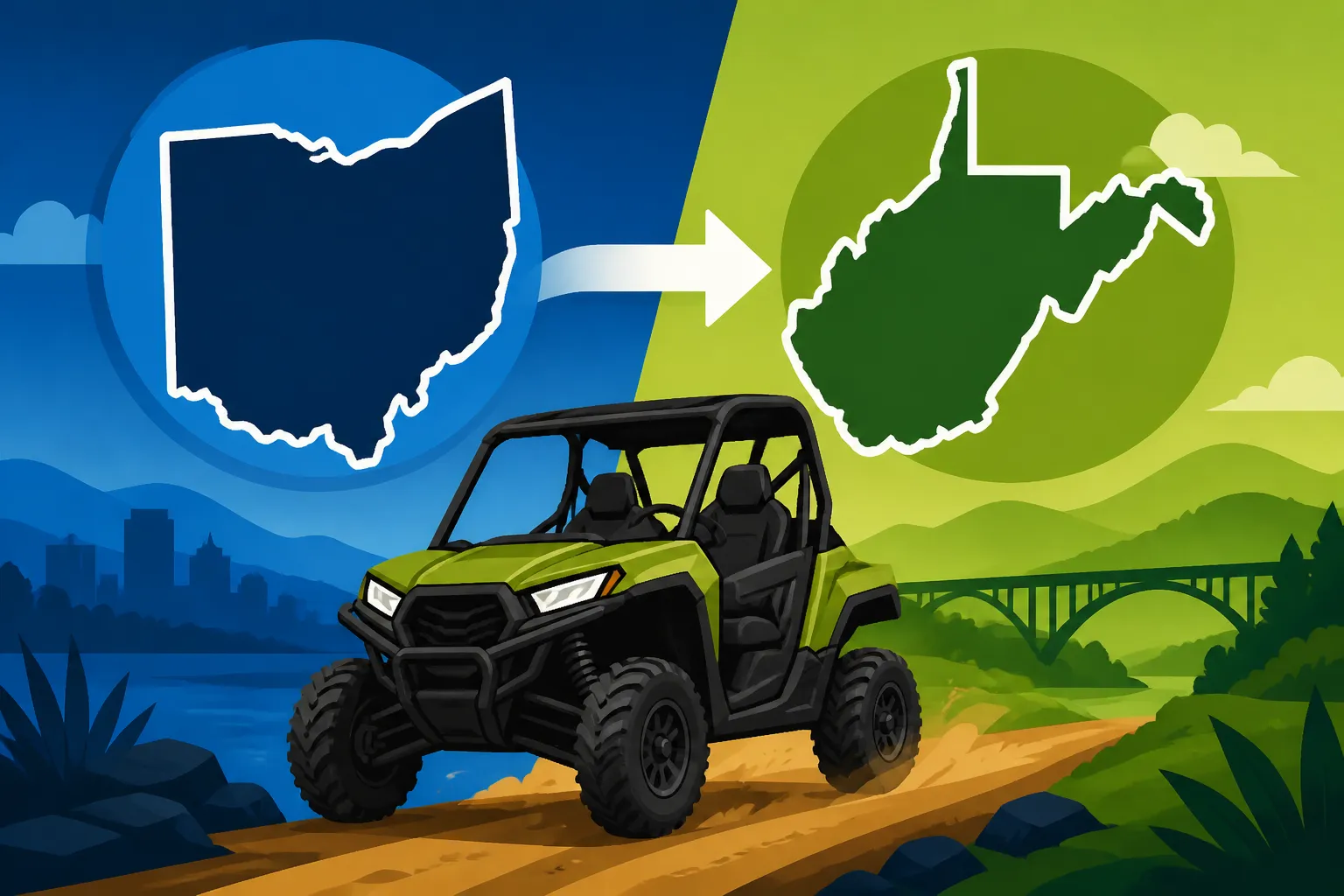
Bringing your beloved ATV or UTV from Ohio to West Virginia might seem like a simple move, but the process of getting it properly titled in its new home state can quickly become a bureaucratic headache. You're probably wondering what unique hoops West Virginia makes you jump through when you've already got a valid Ohio title in hand. This guide is designed to walk you through exactly how to title your Ohio-purchased ATV or UTV here in the Mountain State, smoothing out the common frustrations and ensuring your machine is legally ready for our trails.
Why West Virginia Cares About Your Ohio ATV's Title
It's easy to assume that if you have a clear title from Ohio, West Virginia will just rubber-stamp it. But every state has its own specific requirements, and West Virginia is no different, especially when it comes to off-road vehicles. Our state wants to ensure that every ATV and UTV operating within its borders, even if it's primarily used on private land, is properly accounted for and has a clear chain of ownership. This isn't just about collecting taxes; it's about protecting buyers, preventing theft, and ensuring everyone plays by the rules when it comes to vehicle identification numbers (VINs) and ownership records.
Establishing Residency and Intent
First things first, West Virginia needs to confirm you're actually a resident and that this isn't just a temporary transfer to avoid some other state's rules. When you bring your Ohio-titled machine to a West Virginia DMV office, you'll need to demonstrate proof of your new residency. This could be a utility bill, a lease agreement, or a West Virginia driver's license if you've already obtained one. It signals to the state that you're establishing a permanent home here and that your ATV will be primarily garaged and operated within West Virginia. This is a pretty standard step for any vehicle, but it's particularly important for ATVs and UTVs because they aren't always registered for road use, making the title the primary identifier.
Confirming Legal Ownership and Preventing Theft
West Virginia wants to make sure that the ATV or UTV you're bringing in genuinely belongs to you. Ohio might have a different system for recording liens or ownership transfers, and our DMV needs to verify that the Ohio title is clear and legitimate. They'll run the VIN through national databases to check for stolen vehicle reports or any undisclosed liens. This helps protect both you and the state from unknowingly dealing with stolen property. It's an essential safeguard for everyone in the off-road community, ensuring that when you hit our trails, you're riding a machine that's fully yours, free and clear. You can learn more about this by checking out [Checking a Used Quad Against Stolen Records].
Sales Tax and Fee Collection
Even though you likely paid sales tax when you purchased the ATV in Ohio, West Virginia has its own sales tax regulations that may apply to newly titled vehicles entering the state. The DMV will assess whether any additional sales tax is due based on the purchase price and the time elapsed since the original purchase. This is often a point of frustration for new residents, as it feels like paying twice, but it’s a standard revenue-generating process for states. Beyond sales tax, there are titling fees that every West Virginia resident pays to get their off-road machine on record. While you might groan at the extra cost, these fees contribute to the administrative costs of maintaining vehicle records and providing services. For a deeper dive into the financial aspects, consider reading [West Virginia Sales Tax on an ATV Purchase].
Key Documents You'll Need From Ohio
Alright, let's talk about the paper trail. Successfully titling your Ohio ATV in West Virginia hinges on having all your ducks in a row when it comes to documentation. Without the right original documents, you're going to hit a wall at the DMV, and nobody wants that. It's worth gathering everything well in advance to avoid multiple trips.
Your Original Ohio Title
This is the absolute cornerstone of your application. You need the physical, original Ohio Certificate of Title. Make sure it's signed over to you if you just bought it, and that all sections are properly completed. The title needs to be clean, legible, and free of any alterations. If your Ohio title shows any outstanding liens (for instance, if you still owe money on a loan for the machine), you'll either need a lien release from the lender or the lender will need to be listed on the new West Virginia title. A good rule of thumb: if it's not clear and in your name on the Ohio title, it's going to cause issues here. Don't forget, if the title is lost or damaged, you'll need to go back to Ohio to get a duplicate first.
Proof of Purchase (Bill of Sale)
Even with a perfectly executed Ohio title, West Virginia often wants additional proof of how you acquired the machine and for what price. This is where a clear and comprehensive bill of sale comes into play. If you purchased the ATV from a private seller in Ohio, a bill of sale that includes the buyer's name, seller's name, purchase date, purchase price, and the ATV's VIN is crucial. This document helps establish the value for sales tax purposes and confirms the transaction details. If you bought it from a dealer, your dealer invoice or purchase agreement serves the same purpose. If for some reason you don't have a solid bill of sale, you can find templates online, like those offered by LawDepot, to create one that includes all the necessary details. This can be especially helpful if you're trying to recall details from a purchase long ago.
Other Supporting Identification and Information
You'll also need your valid photo identification, typically your driver's license. If you've recently moved, bringing proof of your West Virginia residency (like a utility bill or a lease agreement with your new address) will be necessary. Additionally, having your current West Virginia insurance card for the ATV/UTV, if you've already obtained coverage, can be helpful, though it might not be strictly required for titling alone if the machine isn't being street-registered. The DMV will want to see all these pieces to confirm your identity and that you're a legitimate resident moving your vehicle into the state.
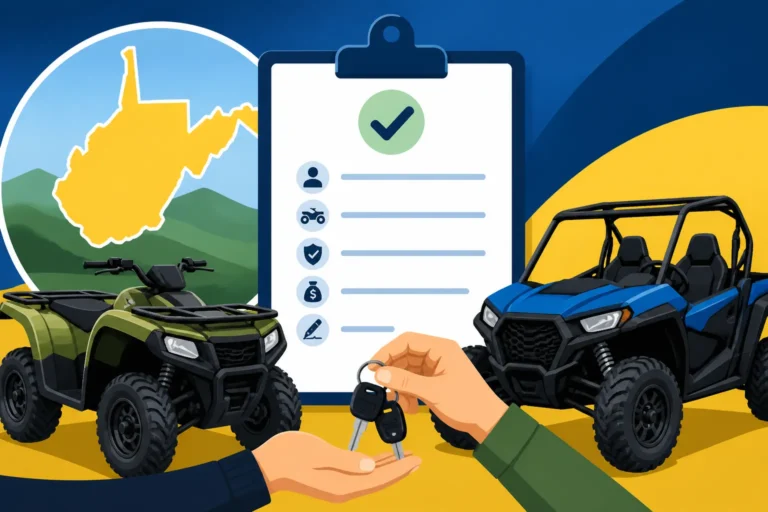
Here’s a quick glance at the primary documents you’ll need to have ready:
| Document Type | Description | Purpose |
|---|---|---|
| Original Ohio Title | Physical certificate, signed over to you, free of alterations. | Primary proof of ownership from previous state. |
| Bill of Sale | Details of purchase: buyer/seller, date, price, VIN. | Establishes purchase value for tax, verifies transaction. |
| Photo ID | Your current driver's license or state ID. | Confirms identity. |
| Proof of WV Residency | Utility bill, lease, WV driver's license with current address. | Proves you are a West Virginia resident. |
| Lien Release | (If applicable) Document from lender stating loan is paid off. | Clears any existing financial claims on the machine. |
The West Virginia Titling Process Step-by-Step
Now that you've got your documents in hand, it's time to tackle the actual titling process at the West Virginia Division of Motor Vehicles (DMV). While it can seem daunting, breaking it down into manageable steps makes it much smoother. Expect to spend some time at the DMV, especially if you haven't made an appointment.
Completing the Application for Certificate of Title
The first hurdle is filling out the official West Virginia form for a title application. This is typically Form DMV-1-TR, which you can often find online or pick up at any DMV office. You'll need to accurately transfer all the information from your Ohio title onto this form, including the VIN, make, model, year, and your personal details as the owner. Pay close attention to detail here, as any discrepancies could delay your application. If you're unsure about a section, it's always better to ask a DMV representative than to guess and make a mistake. For more details on the specific form, you can refer to [West Virginia ATV Title Application Form].
The Essential VIN Inspection
Before West Virginia will issue you a title, your ATV or UTV will need a VIN inspection. This is a crucial step to verify that the VIN on your physical machine matches the VIN on your Ohio title and the application form. This inspection helps prevent fraud and ensures the vehicle's identity is correctly recorded. For ATVs and UTVs, this inspection is typically performed by a law enforcement officer (such as a sheriff's deputy or State Police trooper) or, in some cases, by an authorized DMV inspector. They'll physically examine the VIN plate or stamp on your machine. Be prepared to bring your ATV to an inspection station or a specific location if required. It's a non-negotiable step, so don't try to skip it! For more guidance, see [VIN Inspection Before a West Virginia Title].
Submitting Your Paperwork and Paying Fees
Once you have your completed application form, your original Ohio title (properly signed over), your bill of sale, identification, proof of residency, and the completed VIN inspection form, you're ready to submit everything to the West Virginia DMV. You'll hand over all these documents to the clerk, who will review them for completeness and accuracy. This is also when you'll pay the applicable titling fees and any sales tax that West Virginia determines is due. Make sure you have your payment method ready. After processing, the DMV will usually give you a temporary registration or receipt, and your official West Virginia title will be mailed to you within a few weeks. You can typically find a list of offices that handle these transactions by searching for [West Virginia DMV Offices That Handle ATV Titles].
Common Roadblocks and How to Navigate Them
Even with the best preparation, hiccups can happen. Dealing with state bureaucracy can be frustrating, especially when you're caught off guard. Let's look at some common issues that Ohio residents face when trying to title their ATVs in West Virginia and how to overcome them.
Missing or Incorrect Ohio Title Information
It's a common scenario: you bought your ATV years ago, and maybe the Ohio title got tucked away, or there's a small error. If your Ohio title is lost, stolen, or damaged, West Virginia cannot process your application without a valid replacement. Your first step will be to contact the Ohio Bureau of Motor Vehicles (BMV) to obtain a duplicate title. This can take time, so it's best to address this issue as early as possible. Similarly, if there's an error on the Ohio title (e.g., incorrect VIN, misspelled name), you'll need to work with the Ohio BMV to get it corrected before West Virginia will accept it. Trying to title with a problematic out-of-state title is a guaranteed dead end.
Dealing with Out-of-State Liens
If your Ohio title shows a lien from a bank or financial institution, West Virginia will honor that lien. This means the lienholder will be listed on your new West Virginia title. To get a clean West Virginia title (without the lien), you'll need to prove that the loan has been paid off. You'll need an official lien release document from your Ohio lender. Sometimes lenders are slow to provide this, so if you've recently paid off your machine, request that document immediately. Without it, the lien will simply transfer to your West Virginia title, which is usually fine, but if you want to sell the machine, you'll still need that release eventually.
Navigating West Virginia Sales Tax Rules
As mentioned earlier, West Virginia will assess sales tax. If you've just moved here and purchased the ATV recently in Ohio, you might owe West Virginia sales tax if the rate here is higher or if you didn't pay any sales tax in Ohio (which is rare for a retail purchase). However, West Virginia often provides an exemption or credit for sales tax paid to another state if certain conditions are met, such as moving your primary residence. It’s crucial to bring proof of any sales tax paid in Ohio. If you've owned the machine for a significant period (typically over six months, but check current rules), you might be exempt from additional sales tax due to being a long-term owner moving into the state. Be prepared to discuss this with the DMV clerk and have your bill of sale handy to show the original purchase price and date. Remember, this is a topic where specific numbers are crucial, so always verify the latest regulations directly with the West Virginia DMV. You might find more specific information in [West Virginia Sales Tax Rate on an ATV].
Disclaimer: This article is for general informational purposes only and does not constitute professional advice. Laws, prices and regulations vary by location and change over time. Consult a qualified professional for guidance on your specific situation.