Bringing a Pennsylvania Quad to West Virginia
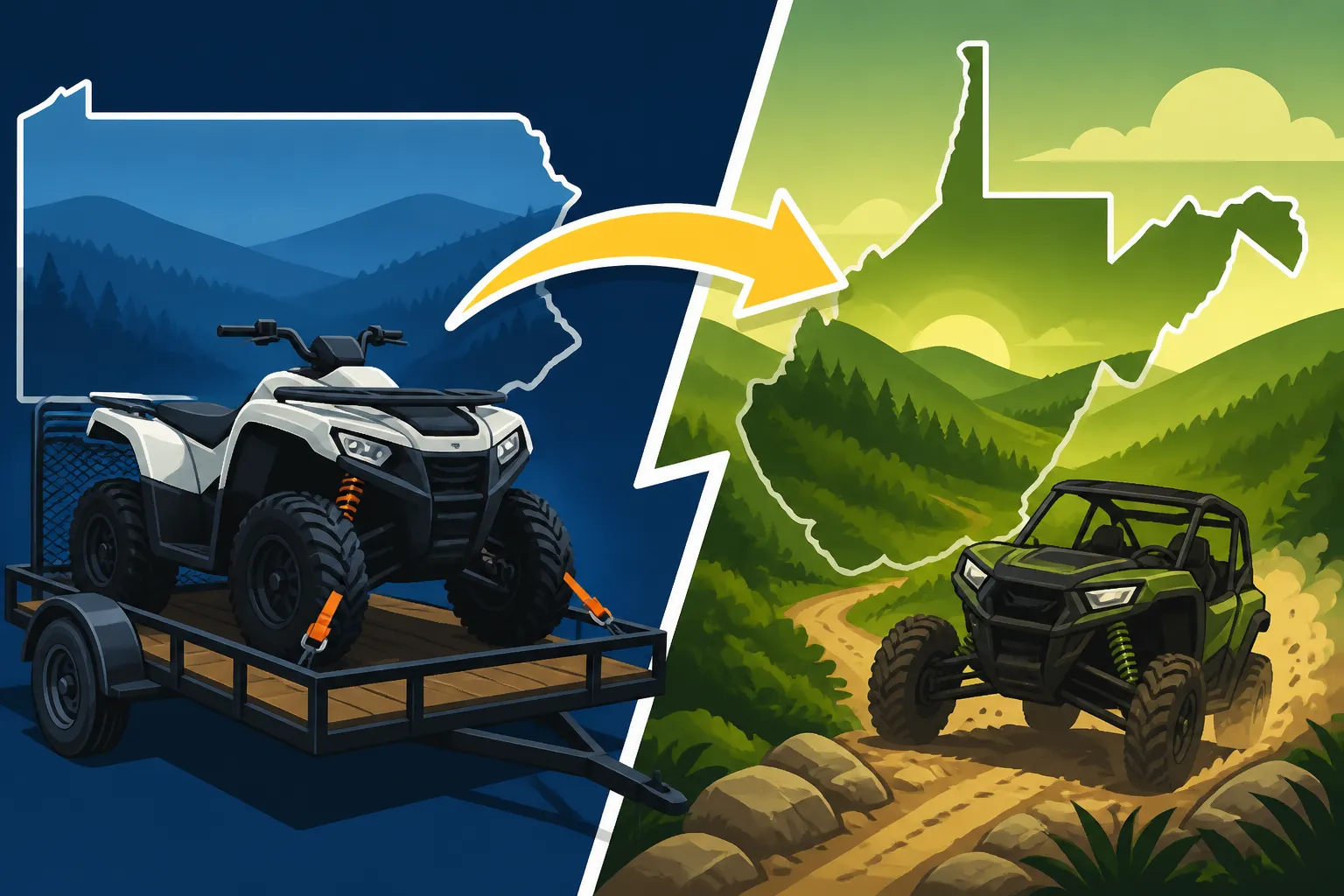
Moving your ATV across state lines, especially from Pennsylvania into West Virginia, can feel like stepping into a bureaucratic maze. You've got your trusty quad, maybe it's been a weekend warrior on the trails back home, and now you're wondering how to make it officially West Virginia legal for off-road fun. This guide is here to walk you through the often confusing process of titling your Pennsylvania ATV in the Mountain State, explaining exactly what documents you'll need and what to expect at the DMV.
Understanding West Virginia's Approach to ATV Titling
When you bring an ATV into West Virginia from Pennsylvania, one of the first things you need to understand is how the Mountain State views these machines. Unlike cars, ATVs in West Virginia are primarily titled, not registered, for general off-road use. This distinction is really important because it shapes all the steps you'll take at the Department of Motor Vehicles (DMV). Pennsylvania has its own set of rules, of course, but once your quad calls West Virginia home, you'll be playing by our rules.
Why West Virginia Titles ATVs
For a lot of folks, the idea of titling an ATV seems a little strange. After all, it's not a road-going vehicle in the traditional sense, right? But West Virginia, like many states, decided years ago that having a clear chain of ownership for ATVs was crucial. This isn't just about collecting a fee; it's about combating theft, ensuring proper sales tax collection, and providing a legal record for owners. Imagine buying a used quad only to find out it was stolen – a title helps prevent that nightmare. Since 1989, any ATV sold or brought into West Virginia has been required to have a title, providing that official proof of ownership. This system helps protect both buyers and sellers, making transactions transparent and secure. It's a foundational piece of owning an ATV here, even if your machine will never touch a paved road outside of designated trail crossings.
The Key Difference: Title Versus Registration
Here's where it can get a little muddled for newcomers. In West Virginia, when we talk about a general ATV, we're talking about a title. This document proves you own the machine, much like a car title proves you own your sedan. However, it does not grant you permission to ride on public roads. That's what "registration" usually implies for street-legal vehicles. For most off-road ATVs and UTVs, you'll simply title it and then purchase a trail permit for designated systems like the Hatfield-McCoy Trails. There is an exception: if you're making your ATV or UTV "street-legal" by converting it into a Special Purpose Vehicle (SPV), then you will register it and get a special SPV plate. But for the vast majority of riders simply looking to hit the dirt, trails, or private land, it's all about the title. Don't confuse the two, or you might end up thinking you can cruise down Main Street when you really can't! We have specific rules about [West Virginia's Street-Legal Special Purpose Vehicle Plate] for those who go that route.
The Step-by-Step Process for a Pennsylvania Quad
So, you've packed up your quad and moved it to the beautiful hills of West Virginia. Now it's time to make it official with the DMV. The process of titling an ATV that's coming from Pennsylvania has a few key steps, and getting them right from the start can save you a lot of headaches and repeat visits. Let's break down exactly what you'll need and what to do.
Gathering Your Pennsylvania Proof of Ownership
The absolute cornerstone of titling your quad in West Virginia is proving you legitimately own it. Since your machine is coming from Pennsylvania, your primary document will be the Pennsylvania Certificate of Title. This is similar to a West Virginia title; it's the official document issued by the state of Pennsylvania showing you as the owner.
If you purchased the ATV in Pennsylvania and never got a title in your name, or if the seller never provided one, things get a bit trickier. Ideally, you'll have the original PA title, properly signed over to you by the previous owner. If you bought it from a private seller, you should also have a bill of sale, even if Pennsylvania didn't require it for titling. A strong bill of sale acts as secondary proof, detailing the purchase price, date, and identifying information for both you and the seller, along with the ATV's VIN. You can find templates online, and services like LawDepot offer comprehensive options for creating such documents, which can be invaluable for strengthening your ownership claim. If you're missing the PA title entirely, don't panic, but know you'll have extra steps. We talk more about what counts as [Proof of Ownership for a West Virginia ATV Title] in another post.
The West Virginia DMV Application Process
Once you have your Pennsylvania title and any supporting documents ready, it's time to tackle the West Virginia ATV Title Application. You'll need to complete the official form, which requests information about you (the applicant), the ATV itself (make, model, year, and crucially, the Vehicle Identification Number or VIN), and details about the purchase. Accuracy is paramount here; double-check all numbers and spellings.
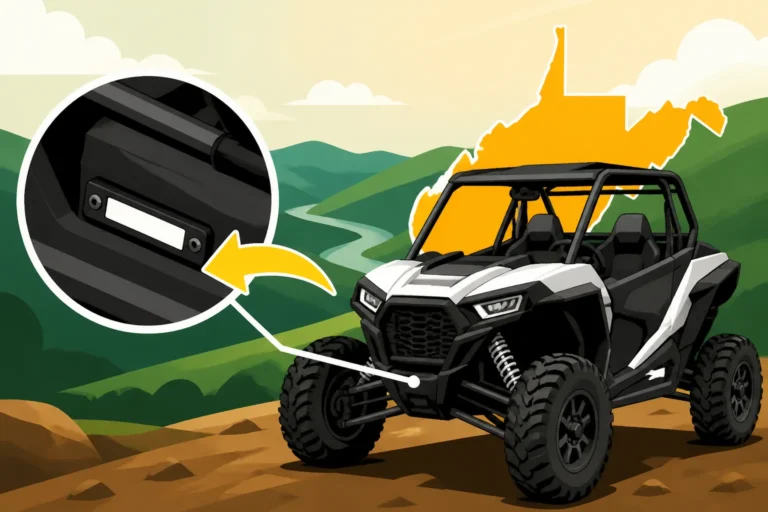
Next, you'll need to ensure the ATV has undergone a VIN inspection. This is a standard procedure when bringing a vehicle from out-of-state into West Virginia. A DMV official or a certified inspection station will verify that the VIN on your physical quad matches the VIN on your Pennsylvania title and application form. This step is a critical anti-theft measure and helps ensure the machine's identity. If you're wondering where to get this done, contact your local DMV office; they can often perform the inspection on-site or direct you to authorized inspectors. You'll want to review [VIN Inspection Before a West Virginia Title] to be fully prepared.
Finally, be prepared to pay the necessary fees. This will include the West Virginia titling fee, which is a flat rate. You can find the current figure on the DMV's website or by calling ahead. It's a modest amount, but it's essential to have it ready. Remember, cash, check, or money order are usually accepted, but always confirm payment methods before you go. You can learn more about the specific costs in our article on the [West Virginia ATV Title Fee].
Addressing Sales Tax for Out-of-State Purchases
This is a point of confusion for many: what about sales tax? If you purchased your ATV in Pennsylvania, you likely paid Pennsylvania sales tax at the time of purchase. When you bring it to West Virginia, our state has its own sales tax laws. The good news is that West Virginia often provides a credit for sales tax paid to another state, as long as that state's tax rate is equivalent to or higher than West Virginia's.
However, if Pennsylvania's sales tax was lower than West Virginia's, you might owe the difference. And if you somehow didn't pay any sales tax in Pennsylvania (perhaps it was a gift, or from a private seller in a state without sales tax on private sales), then you will almost certainly be responsible for paying West Virginia sales tax on the declared purchase price of the ATV. It's crucial to have your bill of sale handy, clearly stating the purchase price, so the DMV can accurately calculate any due taxes. For specific details on how this works, especially for out-of-state purchases, refer to our guide on [West Virginia Sales Tax on an ATV Purchase]. Make sure you have all your receipts and ownership documents readily available to show the DMV clerk; they need to see clear evidence of the transaction and any taxes already paid.
Navigating Common Roadblocks When Moving from PA
Bringing a machine from out of state, especially one like an ATV that has different titling rules than cars, can sometimes throw a few curveballs your way. Even with the best preparation, you might encounter situations that require a little extra effort. Let's look at some of the most common hurdles owners face when titling a Pennsylvania quad in West Virginia and how to clear them.
Dealing with a Missing Pennsylvania Title
This is perhaps the most common and frustrating obstacle: you've got the quad, but you don't have a clean, signed-over Pennsylvania title. Maybe you bought it years ago, the seller lost the title, or it was never issued in the first place for some reason. West Virginia's DMV can't just take your word for it. They need official proof.
Your first step should always be to try and contact the previous owner in Pennsylvania. They might be able to apply for a duplicate title in their name and then properly sign it over to you. If that's not possible, or they're unreachable, you might need to explore a "bonded title" in West Virginia. This is a process where you purchase a surety bond (a form of insurance) that protects the state and any previous owners in case a legitimate claim of ownership arises. It's more complex, requires more paperwork, and involves an investigation by the DMV into the ATV's history. It's definitely not the easy route, but it can be a lifesaver when all other options are exhausted. You can find more detailed information on this challenging process in our guide to a [Bonded Title for an ATV in West Virginia]. Also, exploring [West Virginia Title Rules for Out-of-State Machines] can give you a broader perspective on what the DMV looks for in these situations.
Differences in ATV Laws Between States
While both Pennsylvania and West Virginia are fantastic states for ATV riding, their specific laws and regulations can differ. These differences mostly impact how you operate your ATV, not necessarily the titling process itself, but it's good to be aware. For instance, Pennsylvania might have specific age restrictions, helmet laws, or registration requirements for certain types of trails or land use that differ from West Virginia's.
Once your ATV is titled in West Virginia, you'll be subject to West Virginia's operational laws, including age restrictions for riders, helmet mandates (especially for youth), and specific rules about where you can and cannot ride. For example, West Virginia has robust trail systems like Hatfield-McCoy that require permits, and very specific, limited rules for road access. Understanding these differences beforehand means you won't accidentally break a rule simply because you were used to Pennsylvania's regulations. Think of it as a fresh start with a new rulebook. Always review local regulations and trail system rules wherever you plan to ride in West Virginia.
Beyond the Title: What Your WV-Titled ATV Needs Next
Getting your Pennsylvania quad officially titled in West Virginia is a huge step, but it's not always the very last one before you hit the trails. Depending on where and how you plan to ride, there are a few other critical considerations to ensure you're fully legal and safe. This includes understanding trail access requirements and whether you need insurance.
Understanding Trail Riding Requirements
West Virginia is renowned for its incredible ATV trail systems, most notably the expansive Hatfield-McCoy Trails. However, having a West Virginia title for your ATV doesn't automatically grant you access to these public trail networks. For official, managed trail systems, you'll need to purchase a trail permit. This permit helps fund the maintenance and operation of these world-class trails.
Trail permits are typically annual and must be clearly displayed on your machine. They're separate from your title and are specifically for riding on authorized trails. For families with younger riders, remember that West Virginia also has specific age and safety course requirements for operating ATVs, especially on public lands or trails. While the Hatfield-McCoy trails have certain exemptions for safety course requirements due to their managed nature, it's always wise to be informed about all safety regulations, especially for youth riders. Understanding the [West Virginia's Hatfield-McCoy Trail Permit Explained] is essential reading for any new ATV owner in the state.
Insurance Considerations for Your ATV
When it comes to insurance for your ATV in West Virginia, the requirements depend heavily on how and where you plan to use your machine. For most private off-road use, or riding on unmanaged trails, West Virginia does not legally require liability insurance for an ATV. However, not having insurance can leave you incredibly vulnerable in the event of an accident, property damage, or injury to others. Many riders choose to carry comprehensive and liability insurance even when not legally mandated. It's simply good practice to protect your assets. Our article on [Insuring an ATV in West Virginia] dives deeper into the different types of coverage available and why they matter.
There's a significant exception to this rule: if you decide to convert your ATV or UTV into a street-legal Special Purpose Vehicle (SPV) and obtain an SPV registration and plate, then you are legally required to carry specific liability insurance, just like any other road-going vehicle. The minimum coverage requirements will apply, and without it, your SPV registration can be revoked. So, if you're thinking of making your quad street legal, make sure you budget for the necessary insurance. You can explore this further in [Insurance Required for a West Virginia SPV Plate]. Always check with an insurance provider to discuss your specific needs and options, as coverage can vary widely.
Pennsylvania vs. West Virginia ATV Titling Snapshot
To help clarify some of the key differences and similarities you might encounter when moving your ATV from Pennsylvania to West Virginia, here’s a quick comparison. This table focuses on the primary aspects of ownership and basic requirements, but always remember to check the specific regulations for how and where you plan to ride.
| Feature | Pennsylvania (Prior State) | West Virginia (New State) | Notes |
|---|---|---|---|
| Proof of Ownership | Certificate of Title, Bill of Sale | Certificate of Title (WV), Bill of Sale (if private sale) | Your PA title is crucial for proving ownership in WV. A detailed bill of sale, perhaps drafted with a tool like LawDepot, can be a great backup. |
| Primary Doc Type | Title | Title (for off-road use) | WV titles ATVs for off-road use; general registration is not required for just off-road. |
| Road Use Status | Generally not street legal, some exceptions | Generally not street legal, Special Purpose Vehicle (SPV) option | WV has a specific SPV process to make ATVs/UTVs street legal, which involves registration and a unique plate. Without it, road use is highly restricted. |
| Sales Tax Credit | Varies | Generally provides credit for tax paid to other states | WV typically credits sales tax paid to PA if the rate is equal to or higher. You might pay the difference if PA's rate was lower. |
| VIN Inspection | Not always required for existing title | Required for out-of-state vehicles | A physical VIN inspection is a mandatory step when bringing an out-of-state ATV into WV for titling. |
| Trail Access | Specific regulations for public trails | Hatfield-McCoy Trail Permit required for managed trails | WV's major trail systems require a separate permit, even if your machine is titled. This fee supports trail maintenance and operations. |
| Insurance | Varies by state/use | Not required for general off-road use, mandatory for SPV | While not required for off-road machines, insurance is highly recommended. It becomes mandatory if you convert your ATV to a street-legal SPV. [West Virginia ATV Insurance and When You Need It] can help. |
As you can see, while both states require a title as proof of ownership, West Virginia has its own specific procedures and requirements, especially concerning trail access and the option for street-legal conversion. Getting your paperwork in order with the West Virginia DMV is the first step to enjoying the incredible riding opportunities our state has to offer.
Disclaimer
This article is for general informational purposes only and does not constitute professional advice. Laws, prices and regulations vary by location and change over time. Consult a qualified professional for guidance on your specific situation.