VIN Inspection Before a West Virginia Title
Few things are more frustrating than finally getting your dream ATV or UTV, only to hit a snag at the West Virginia DMV because of a required VIN inspection. It feels like just one more hurdle in a process that already has enough paperwork. This guide is here to walk you through exactly why and when a VIN inspection is needed in the Mountain State for your off-road machine, what to expect, and how to make the process as smooth as possible so you can get that title in hand and hit the trails.
Why Does West Virginia Require a VIN Inspection for My ATV or UTV?
It might seem like an unnecessary step when you've already got a bill of sale or even an out-of-state title, but West Virginia's requirement for a Vehicle Identification Number (VIN) inspection on certain ATVs and UTVs serves some really important purposes. It’s not just about adding red tape; it's about protecting you, other riders, and ensuring the legitimacy of every machine on or off our roads.
Preventing Theft and Fraud
Imagine buying an ATV with hard-earned money, only to find out later it was stolen. It's a nightmare scenario, and VIN inspections are one of the most effective tools states have to prevent it. A VIN is essentially your machine's unique fingerprint. During an inspection, the state-authorized officer isn't just glancing at a sticker; they're meticulously checking the physical VIN stamp on the frame against your paperwork.
This detailed check helps to catch instances where a VIN might have been tampered with, removed, or even "cloned" from another machine. Unfortunately, ATV and UTV theft is a real problem, and unscrupulous individuals will go to great lengths to disguise stolen property. By requiring an inspection, West Virginia aims to keep stolen machines from being illegally titled and resold within its borders, offering a layer of protection for innocent buyers. When you're dealing with private sales, especially without a clear title, this inspection can be a crucial step in ensuring you're not inadvertently involved in something illicit. It’s a bitter pill to swallow to face this step, but it’s really for your own good in the long run. To avoid problems, it's always wise to [Checking a Used Quad Against Stolen Records] before you even get to this stage.
Verifying Ownership and Machine Identity
Beyond theft prevention, the VIN inspection is all about confirming the true identity of your ATV or UTV and linking it accurately to its rightful owner. When you present your application for a West Virginia title, the DMV needs absolute certainty that the machine you're trying to title is indeed the one described in your documents. The VIN on the machine must perfectly match the VIN on any accompanying paperwork, like a manufacturer's certificate of origin (MCO) or a previous title.
This verification is especially critical when dealing with machines imported from other states, particularly if they come from areas with different titling rules, or if the history of the machine is a little murky. The inspection helps to ensure that the machine hasn't been significantly altered in a way that would change its classification or identity. Without this step, it would be much easier for discrepancies in paperwork to go unnoticed, leading to complications down the line, especially if you ever decide to sell the machine. Having clear [Proof of Ownership for a West Virginia ATV Title] makes the entire process smoother, even with an inspection required.
When Exactly Do You Need a VIN Inspection in West Virginia?
So, you’re ready to title your ATV or UTV, but how do you know if you'll need this extra VIN inspection step? It's not required for every single title application, but certain scenarios almost always trigger the need for one. Understanding these specific situations can save you a frustrating trip to the DMV and help you prepare properly.
Out-of-State Purchased Machines
This is probably the most common reason West Virginia requires a VIN inspection. If you've purchased an ATV or UTV from another state, or if you're a new resident moving into West Virginia with an off-road machine, a VIN inspection is almost certainly in your future. Why? Because other states have different titling and registration laws. West Virginia needs to verify that the machine you're bringing in is legitimate and that its out-of-state title (or lack thereof) is accurately represented.
For example, if you bought a side-by-side in Ohio where their rules might be different, West Virginia wants a physical verification before issuing a local title. The same goes if you just moved here from Virginia or Pennsylvania with your trusty quad. This step helps the state integrate your machine into its own records, ensuring continuity and preventing any issues that might arise from varying state regulations. It's their way of making sure everything is above board before it becomes a "West Virginia machine." You'll find specific details if you're [Titling an Ohio ATV in West Virginia], or if you're [Bringing a Pennsylvania Quad to West Virginia], or even if you're [Titling a Virginia ATV After Moving to West Virginia]. Each scenario, though similar, can have its own nuances, but the VIN inspection remains a common thread.
Salvage, Rebuilt, or Special Situations
Another key situation where a VIN inspection is mandatory involves machines with a non-standard history. If your ATV or UTV has a salvage title – meaning it was declared a total loss by an insurance company due to damage – it will require a rigorous inspection if you plan to rebuild it and get it back on the trails. This inspection ensures that the machine has been properly repaired, meets safety standards, and that all its components are legitimate. The inspector will verify that the VIN still matches and that no parts from stolen machines have been used in the rebuild.
Similarly, if you're tackling a more unique project, such as building your own side-by-side from a bare frame, or if you've swapped out a major component like the engine that might have its own identification numbers, a VIN inspection can be required. These scenarios demand extra scrutiny to ensure the machine's identity is clearly established and legally sound before a title is issued. If you're working on something like this, you'll definitely want to read up on [Salvage and Rebuilt ATV Titles in West Virginia] or even [Titling a Homemade UTV Frame in West Virginia].
Lost or Missing Titles, or Discrepancies
Sometimes, life throws you a curveball. You might buy an ATV from a private seller, and somewhere along the line, the original title gets lost. Or maybe the previous owner never properly titled it. In these challenging situations, a VIN inspection becomes a crucial piece of the puzzle to prove ownership and machine identity. Without a clear title, the DMV needs an independent verification that the machine is indeed what you claim it to be and that it's not reported stolen. This is often a precursor if you're trying to pursue a [Bonded Title for an ATV in West Virginia], which is a process for machines with unclear ownership.
Furthermore, if there are any discrepancies between the VIN on the machine and the VIN listed on a bill of sale or an incomplete title document, an inspection will be required to reconcile these differences. An inspector can verify the actual VIN on the frame and help clarify any errors that might otherwise hold up your title application. It’s certainly a frustrating situation when paperwork is missing, but steps like a VIN inspection are put in place to help you navigate it legally. Don't forget that if you are dealing with a totally missing title, [Replacing a Lost West Virginia ATV Title] also has steps you'll need to follow.
How to Get a VIN Inspection Done in West Virginia
Now that you understand why and when you need a VIN inspection, let's talk about the how. Navigating this process doesn't have to be a major headache if you know the steps and come prepared. It's all about making sure you connect with the right authorities and have all your ducks in a row.
Who Can Perform the Inspection?
In West Virginia, the authority to perform VIN inspections for titling purposes typically rests with the West Virginia State Police or other authorized law enforcement agencies. You generally can't just have any mechanic or notary public do it. Your local West Virginia State Police detachment is usually the best place to start. Many detachments have specific hours or days when they perform these inspections, so it’s always a good idea to call ahead and confirm their procedures and availability.
In some cases, depending on your county, a representative from the Division of Motor Vehicles (DMV) might be authorized to perform inspections, or they might direct you to a specific law enforcement office. It's important to clarify who is authorized to fill out the official West Virginia DMV inspection form (often referred to as the DMV-1-TR form) to ensure your inspection is valid for your title application.
What to Bring to the Inspection
Preparation is key to a smooth inspection. Showing up disorganized will only lead to delays and potential frustration. Here’s a checklist of what you should typically bring with you:
- The ATV or UTV: This might seem obvious, but you need to bring the actual machine that needs to be inspected. Ensure it's accessible and its VIN is visible.
- Proof of Ownership: This is crucial. Bring the original title (if you have one, even if it's an out-of-state one), a bill of sale, or a Manufacturer's Certificate of Origin (MCO/MSO) if it's a brand new machine. If you're using a bill of sale, especially for a private party purchase, make sure it's thorough. Resources like LawDepot can help you generate a comprehensive [West Virginia ATV Bill of Sale: What Belongs in It] to ensure all necessary details are included and legally sound.
- Your Photo ID: A valid driver's license or state-issued ID is necessary to confirm your identity as the applicant.
- Application for Title: It's often helpful to have your West Virginia title application form (Form DMV-1-TR) partially filled out, as the inspector will need to complete their section on this form.
- Any Other Supporting Documents: If you have prior registration cards, insurance paperwork, or any correspondence from the DMV regarding your specific situation, bring it along. The more information you have, the better.
Having all your [Documents to Bring for a West Virginia ATV Title] organized and ready will demonstrate to the inspector that you’re serious about completing the process correctly.
The Inspection Process Itself
When you arrive for your VIN inspection, the process is generally straightforward. The authorized officer will:
- Verify Your Identity and Documents: They'll review your photo ID and all the ownership documents you've provided, checking names, addresses, and the VIN listed on the paperwork.
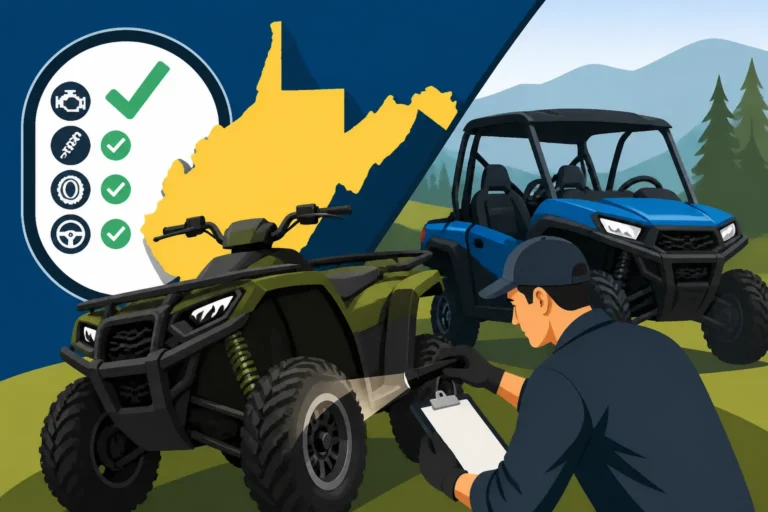
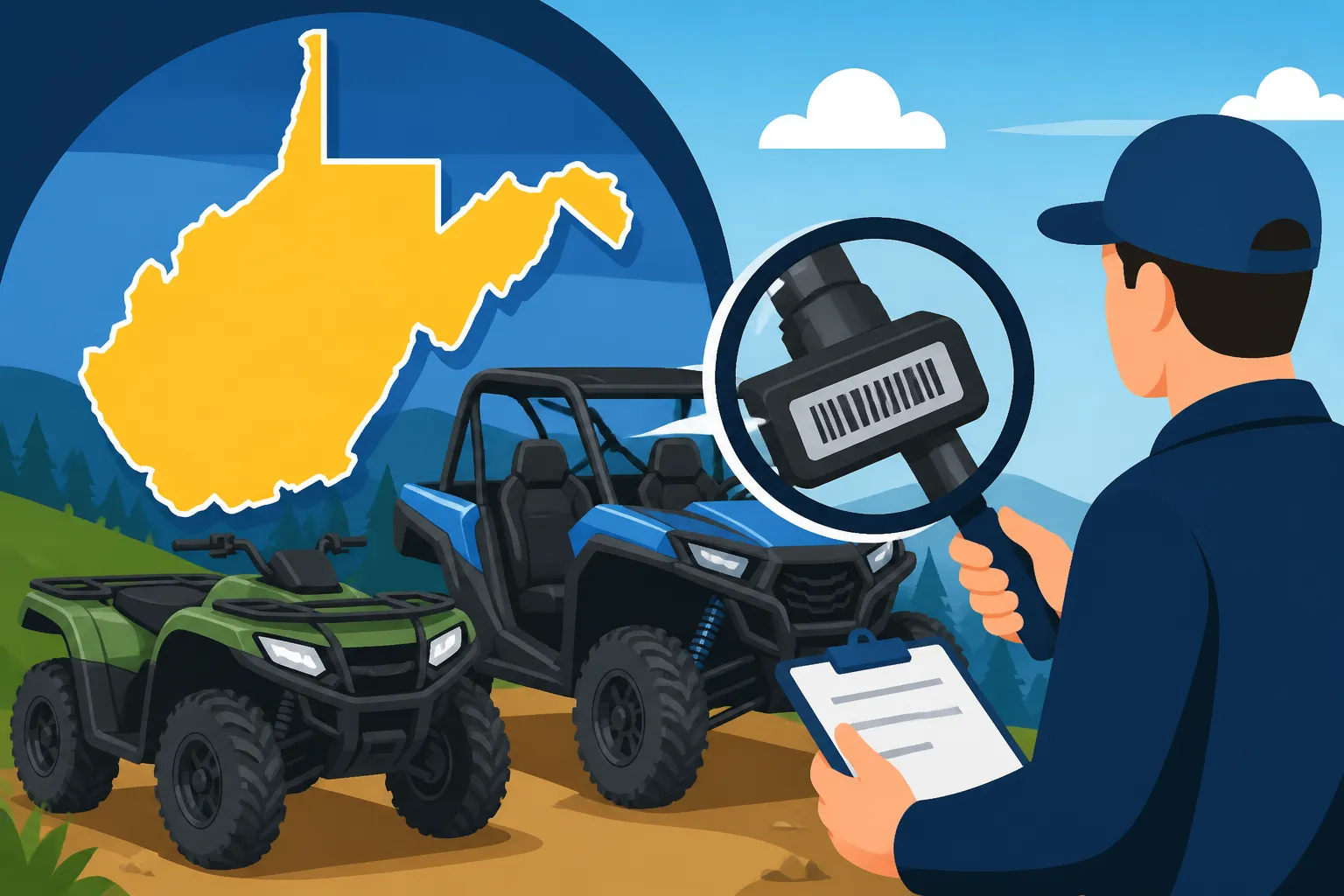
- Locate and Examine the VIN: The inspector will then physically locate the VIN stamp on your ATV or UTV's frame. They'll meticulously compare this physical stamp against the VIN on your title application and other documents. They're looking for an exact match, but also for any signs of alteration, grinding, or re-stamping that might indicate tampering. You should know that the VIN is typically stamped directly onto the frame, often near the steering head, on a main frame rail, or occasionally on the engine block. Knowing [Finding the VIN Stamp on an ATV Frame] before you go can save time.
- Complete the Inspection Form: Once satisfied that the VIN is legitimate and matches the provided paperwork, the officer will complete and sign the designated section of the West Virginia DMV-1-TR form (or a similar official inspection form). This signed form is your proof that the VIN inspection has been successfully completed.
It's a quick process once you're with the inspector, assuming everything checks out. They're looking for accuracy and legitimacy, not to complicate your life.
Common Pitfalls and How to Avoid Them
Even with the best intentions, a VIN inspection can sometimes throw a curveball. Understanding the common issues that arise can help you proactively avoid delays and frustration, ensuring your path to a West Virginia title is as smooth as possible.
Mismatched VINs and Their Consequences
One of the most immediate and significant problems you can face during a VIN inspection is a mismatch between the VIN on your paperwork and the VIN physically stamped on the machine. This can happen for various reasons: a simple typo on a bill of sale, an administrative error on a previous title, or, in more serious cases, an attempt to disguise a stolen vehicle.
If the numbers don't add up, the inspector cannot sign off on your form. This means your title application will be rejected, and you won't be able to title your ATV or UTV until the discrepancy is resolved. In benign cases, it might involve contacting the previous owner to correct a bill of sale or applying for a corrected title if the error was administrative. In worse scenarios, if tampering is suspected, law enforcement could investigate, potentially seizing the machine and leading to significant legal headaches. It's a prime example of why getting all your paperwork in order and scrutinizing it carefully before you even head to the inspection is so important. If you find yourself in this situation, you will absolutely need to know about [Fixing a Wrong VIN on a West Virginia Title].
Not Knowing Where the VIN Is Located
It sounds simple, but many people show up for an inspection only to spend precious minutes — or even longer — struggling to find the VIN on their machine. Inspectors are busy, and while they'll help you, it's best to know exactly where to direct them. Your VIN is not always obvious or in the same spot on every make and model.
Generally, ATVs and UTVs have their VINs stamped directly onto the frame, typically on a main structural tube. Common locations include:
- Steering Head: Often on the frame tube near where the handlebars attach.
- Front Right Frame Rail: On a tube that runs along the right side of the machine.
- Under the Seat: Sometimes stamped on a crossmember or frame section here.
- Engine Block: Less common for the primary VIN, but some engines have their own serial numbers that might be mistakenly identified as the main VIN.
For popular machines, you can often find diagrams online or in your owner's manual. Knowing [Where to Find the VIN on a Polaris RZR] or [Where the VIN Sits on a Can-Am Commander] can save you a lot of time and hassle. Before your inspection, take a moment to locate, clean, and even photograph your VIN for your records.
Preparing Your Machine for Inspection
While the inspector isn't checking the mechanical condition of your ATV or UTV, they do need clear access to the VIN. This means if you've been out tearing up the mud and your machine is caked in grime, you need to clean it before the inspection. A VIN covered in mud, rust, or even obscured by an aftermarket accessory can prevent the inspector from clearly reading the numbers.
Take the time to thoroughly clean the area where the VIN is located. If it's under a plastic fender or a part that can be easily removed, consider doing so to provide unobstructed access. A little effort here goes a long way in showing respect for the inspector's time and ensuring a quick, successful verification. This simple step can prevent a "come back later" scenario, which nobody wants when trying to get their title.
| Inspection Requirement | Typical Scenario | Notes |
|---|---|---|
| Required | Out-of-State Purchase | To verify legitimacy and identity when entering WV records. |
| Required | New WV Resident (with out-of-state machine) | Same as above, ensuring correct titling in WV. |
| Required | Salvage/Rebuilt Title Application | To verify proper repair and identity of the rebuilt machine. |
| Required | Homemade Frame/Significant Modification | To establish a legal VIN and machine identity. |
| Required | Discrepancy on Existing Paperwork | When VINs don't match, or there's a missing title. |
| Generally Not Required | Purchase from WV Dealer (new or used) | Dealer usually handles all necessary verification. |
| Generally Not Required | Private Sale within WV (with valid WV title) | Title transfer is typically straightforward if previous WV title is clean. |
Disclaimer
This article is for general informational purposes only and does not constitute professional advice. Laws, prices and regulations vary by location and change over time. Consult a qualified professional for guidance on your specific situation.