Running a VIN Check Before You Buy
Oh, the thrill of finding that perfect used ATV or UTV! You see it, you picture yourself on the trails around Gilbert or tearing up the mud near Logan, and you're ready to hand over your hard-earned cash. But before you get swept away by excitement, there’s a crucial, often overlooked step that can save you a world of heartache: running a Vehicle Identification Number (VIN) check. This simple act can protect you from buying a stolen machine, a hidden lemon, or a quad with a secret past that will make titling it in West Virginia an absolute nightmare. This guide will walk you through why a VIN check is essential for any West Virginia ATV or UTV buyer and how to get it done right.
Why a VIN Check is Absolutely Non-Negotiable Before Buying a Used Machine
Let's be real, buying a used ATV or UTV, especially from a private seller, can feel like a bit of a gamble. You're trying to get a good deal, but you're also worried about inheriting someone else's problems. In West Virginia, where off-roading is practically a way of life, it's all too easy for machines to change hands without proper documentation, or worse, for stolen vehicles to be passed off to unsuspecting buyers. A VIN check isn't just a suggestion; it's your first line of defense against a host of potential headaches.
Protecting Your Investment and Your Peace of Mind
Think about it: you're spending thousands of dollars on a machine you expect to bring you joy, not stress. Without a VIN check, you could unknowingly purchase an ATV that's been severely damaged in a previous accident and poorly repaired, leading to costly breakdowns down the line. You might also find yourself with a machine that has an undisclosed lien against it, meaning a bank or another lender still technically owns a piece of it. Imagine buying a UTV, only to find out later that the original owner never paid off their loan, and now you're stuck trying to navigate a legal mess to clear the title. This kind of situation can turn your exciting new purchase into a financial black hole. A VIN check gives you a peek behind the curtain, revealing the machine's true history and giving you the data you need to make an informed decision and negotiate confidently.
Avoiding Legal Nightmares and Titling Woes in West Virginia
Here in West Virginia, our Division of Motor Vehicles (DMV) takes titling seriously, and they have good reason to. An ATV or UTV needs a proper title, especially if it was sold after 1989. Trying to title a machine with a problematic history can lead to endless delays, additional costs, or even outright refusal by the DMV. If you unknowingly buy a stolen machine, not only will you lose your money when the authorities inevitably recover it, but you could also find yourself entangled in legal questions, having to prove you had no knowledge of its illicit past. A clean VIN check provides crucial documentation that the machine is legitimate, smoothing out the process when you head to the DMV to get your [West Virginia ATV Title Application at the DMV] sorted. It ensures you're not trying to do something impossible, like [Titling an ATV in West Virginia Without the Previous Owner] due to a complex past.
What a VIN Check Actually Reveals About a Used ATV or UTV
So, you've got the VIN – that unique 17-character code stamped on the frame of the machine. What magic does it unlock when you run it through a reputable service? A whole lot, actually. It's like getting a detailed medical history for your potential new ride, showing you its past ailments, operations, and even who's had a claim on its well-being.
Uncovering Accident History and Damage Reports
One of the biggest fears when buying used is ending up with a machine that looks good on the surface but has hidden structural damage from a past crash. A VIN check can often flag if an ATV or UTV has been involved in reported accidents, especially if insurance claims were filed. You might see records of damage severity, the parts affected, and sometimes even the estimated repair costs. This information is invaluable. If a report shows significant front-end damage but the seller claims it was just a minor fender-bender, that's a huge red flag. It allows you to ask targeted questions, demand to see repair receipts, or even walk away from a potentially dangerous money pit. You might discover it was issued a [Salvage and Rebuilt ATV Titles in West Virginia] title, which significantly impacts its value and future titling.
Identifying Liens, Theft Records, and Odometer Discrepancies
This is where a VIN check truly shines in preventing major financial and legal headaches. The report can tell you if there are any active liens on the ATV or UTV – essentially, if someone else (like a bank) still has a financial interest in the machine. Buying a machine with a lien means you might be responsible for that debt, or at the very least, you won't be able to get a clean title until it's satisfied. The check will also search national databases for theft records, giving you peace of mind that you're not buying stolen property, which is crucial for [Checking a Used Quad Against Stolen Records]. Additionally, many reports track odometer readings over time. If the current odometer reading is lower than a previous one on record, that's a strong indicator of odometer tampering, a serious federal offense that diminishes the machine's value and can affect its operational lifespan. Knowing if there's a [Liens on a West Virginia ATV Title] is perhaps the most important detail for your financial safety.
How to Perform a VIN Check for an ATV or UTV in West Virginia
Alright, you're convinced. Now, how do you actually go about getting this all-important VIN check done? The process is relatively straightforward, but it requires knowing where to look and what information you'll need.
Finding the VIN and Choosing a Reputable Service
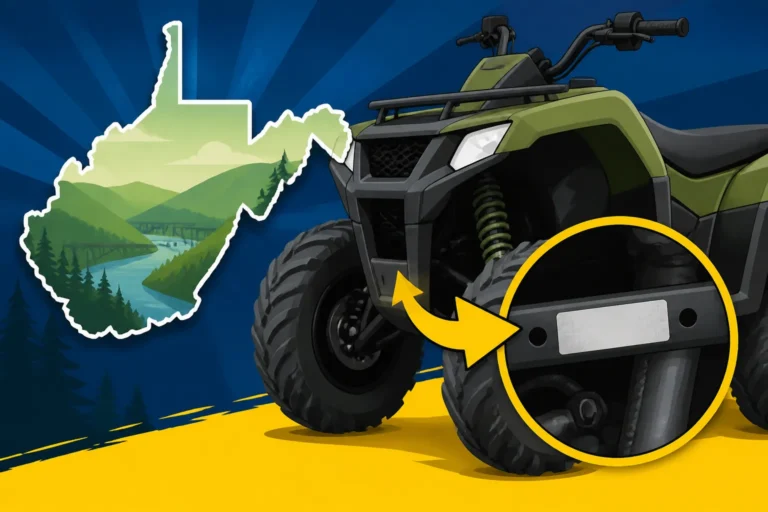
First things first: you need the VIN. This 17-character code is typically stamped directly onto the frame of the ATV or UTV. Common locations include the front frame rail, under the seat, on the left-hand side of the engine, or near the steering column. Always verify the VIN on the machine matches any VIN listed on the title or bill of sale the seller provides. If they don't match, or if the VIN appears to have been tampered with (scratched out, welded over, or re-stamped), walk away immediately. That's a huge red flag and likely an illegal machine. For help identifying where the VIN sits, you might want to read guides like [Finding the VIN Stamp on an ATV Frame] or specific ones like [Where to Find the VIN on a Polaris RZR] or [Where the VIN Sits on a Can-Am Commander].
Once you have the VIN, you'll need to choose a VIN check service. While the West Virginia DMV can provide some information, for a comprehensive history, you'll typically turn to third-party services. These companies gather data from various sources, including insurance companies, repair shops, law enforcement, and state DMVs. Some popular options include services that specifically cater to powersports vehicles. They usually charge a small fee, which is a tiny price to pay for the peace of mind they offer. Be wary of "free" VIN check sites that promise extensive reports, as these often provide very limited information or are simply data-gathering schemes. A reliable service will give you a detailed report on the vehicle's history.
What to Expect from the Report and Understanding the Data
Once you submit the VIN, the service will generate a report. This report typically includes:
- Vehicle Specifications: Make, model, year, engine size, and sometimes even the original color – verifying this against the actual machine is a good first step. [Reading the Model Year From Your ATV VIN] can help you understand this.
- Accident History: Details on reported collisions, damage severity, and whether the vehicle was ever declared a total loss or issued a salvage title.
- Title History: Information on previous owners, states where it was titled, and any branding on the title (e.g., salvage, flood damage, rebuilt). For example, if it's a [Flood-Damaged UTVs and What the Title Shows].
- Lien Activity: Any active or resolved liens placed on the vehicle by financial institutions.
- Theft Records: Checks against national stolen vehicle databases.
- Odometer Readings: A history of recorded odometer values to detect potential tampering.
- Recall Information: Sometimes, outstanding safety recalls will be listed.
It's crucial to read the report thoroughly. Don't just skim it for "clean" or "stolen." Dig into the details. Look for inconsistencies, gaps in the history, or anything that doesn't align with the seller's story. If anything seems off, it's worth asking the seller for clarification or considering it a warning sign.
What to Do with the VIN Check Results and How to Proceed
So, you've run the VIN check, and you have the report in hand. Now what? This information empowers you to make a smart decision, whether that means moving forward with confidence, negotiating a better price, or walking away entirely.
Interpreting Red Flags and What They Mean
A clean VIN report is, of course, the best-case scenario. It means the machine hasn't been reported stolen, doesn't have open liens, and its title history is clear. This gives you a strong green light to move forward with other pre-purchase checks, like a thorough [Pre-Purchase Inspection Before You Sign].
However, if the report shows red flags, don't ignore them. Each red flag should prompt a deeper investigation or, frankly, a reconsideration of the purchase.
| Red Flag | What It Means | Action to Take |
|---|---|---|
| Stolen Vehicle | The machine is reported stolen and legally belongs to someone else. | Walk away immediately. Inform law enforcement. Attempting to purchase or possess a stolen vehicle has serious legal consequences. |
| Active Lien | A financial institution has a claim on the vehicle. | Do not buy unless the lien is cleared. Require the seller to provide a notarized lien release from the lender. Verify directly with the lender. You don't want to get stuck getting a [West Virginia Lien Release on a Paid-Off UTV]. |
| Salvage/Rebuilt Title | Vehicle was declared a total loss due to severe damage (accident, flood, fire). | Proceed with extreme caution. Require a professional inspection. The value is significantly lower. Ensure repairs were done correctly and safely. Many insurance companies won't cover salvage titles. |
| Odometer Rollback | Recorded mileage decreased between reports. | Do not buy. This is illegal and indicates the seller is dishonest. The actual wear and tear on the machine is much higher than what's displayed. |
| Major Accident History | Significant damage reported, especially to the frame or engine. | Require a professional mechanic to inspect for structural integrity. Use this as a strong negotiation point for a lower price, or walk away if repairs seem shoddy or dangerous. |
| VIN Tampering | VIN on vehicle doesn't match documents or appears altered. | Walk away immediately. This is a strong indicator of a stolen vehicle or an attempt to hide its true identity. |
| Incomplete Title History | Gaps in ownership, especially if the current seller isn't listed on the previous title. | Ask for a very clear explanation and proof of ownership. This can make [Titling an ATV in West Virginia Without the Previous Owner] incredibly difficult. If not satisfied, walk away. |
If a red flag appears, communicate directly with the seller. A transparent seller should be able to provide documentation or a reasonable explanation. If they get defensive, change their story, or can't produce proof, that's another sign to be wary.
Using the Information to Negotiate or Walk Away
The VIN check gives you leverage. If the report uncovers minor issues not disclosed by the seller, you can use that information to negotiate a lower price. For instance, if it shows a minor accident that required a cosmetic repair, you might argue for a few hundred dollars off the asking price.
However, for major issues like a stolen status, an active lien, or confirmed odometer tampering, the best advice is almost always to walk away. The potential legal and financial risks far outweigh any perceived deal. There are plenty of other ATVs and UTVs out there in West Virginia, and your peace of mind is worth more than a questionable bargain. Don't let the excitement of a new ride cloud your judgment. Once you're comfortable with the VIN check results and the physical inspection, you can move forward with creating a solid [West Virginia ATV Bill of Sale: What Belongs in It]. Resources like LawDepot can be helpful for drafting clear, legally sound documents that protect both buyer and seller in private sales, including comprehensive templates for [Wording a Private ATV Sale Agreement]. This ensures all parties are on the same page and that you have proper proof of purchase when you head to the DMV for the title transfer. Taking these steps ensures you're not just buying a machine, but you're buying it right.
Disclaimer
This article is for general informational purposes only and does not constitute professional advice. Laws, prices and regulations vary by location and change over time. Consult a qualified professional for guidance on your specific situation.