Finding the VIN Stamp on an ATV Frame
It's an all too common scenario: you've just bought a "new-to-you" ATV or UTV, or maybe you're finally getting around to titling that machine you've owned for years, and suddenly you're staring at the frame, scratching your head. Finding that elusive Vehicle Identification Number (VIN) stamp can feel like a scavenger hunt, especially with mud, rust, or previous modifications getting in the way. But in West Virginia, having that accurate VIN is absolutely critical for everything from titling and registering your machine to simply proving ownership. This guide will walk you through the most common places to find your ATV or UTV's VIN, what to do if it's hidden or damaged, and why getting it right is so important for peace of mind on and off the trails.
Why Finding Your VIN is So Important for West Virginia Riders
For anyone operating an ATV or UTV in the Mountain State, the VIN isn't just a random string of numbers and letters; it's the unique identifier that connects your machine to you, its history, and the legal framework of ownership. Without a clear and accurate VIN, you're going to hit a brick wall at the West Virginia DMV.
The Cornerstone of Titling and Ownership
Think of your ATV's VIN like its fingerprint. It's unique to that specific machine and essential for official processes. In West Virginia, if you're trying to title your ATV or UTV – a mandatory step for machines sold after 1989 or those you plan to make street legal with a Special Purpose Vehicle (SPV) plate – the DMV will require this number. They'll use it to verify the machine's identity, check for any liens, and ensure it's not reported stolen. Trying to transfer a title or even get a new one without a legible VIN is simply not going to happen.
Furthermore, if you ever sell your machine, the VIN is what gets recorded on the bill of sale and signed over on the title. A buyer will also want to run a VIN check to confirm the machine's history and ensure they're not inheriting someone else's problems. Accuracy here isn't just a suggestion; it's a legal necessity. Even for creating a formal bill of sale, many people use reputable templates, and filling in the correct VIN is a non-negotiable step to ensure the document holds up legally. [West Virginia ATV Bill of Sale: What Belongs in It] will give you a good overview of what's needed.
Verifying a Machine's History and Legality
Before you even think about handing over cash for a used ATV or UTV, finding and verifying the VIN is your first line of defense. This 17-character code tells a story. It can reveal the manufacturer, model year, and even where the vehicle was assembled. More importantly, it allows you to perform a VIN check through various services to see if the machine has been reported stolen, salvaged, or has any outstanding liens against it.
Imagine buying a machine, only to find out later it was stolen. That’s a headache no one wants. A quick VIN check can save you from a world of trouble and potential financial loss. For more on this, check out [Checking a Used Quad Against Stolen Records]. It's also vital for insurance purposes, as your insurance company will need the VIN to accurately identify your machine and provide coverage.
Common VIN Locations on Different ATV/UTV Types
While every manufacturer has their preferred spots, there are some universal locations where you're most likely to find the VIN stamp on your ATV or UTV frame. Knowing these spots can save you a lot of time and frustration.
Front Frame and Steering Column Areas
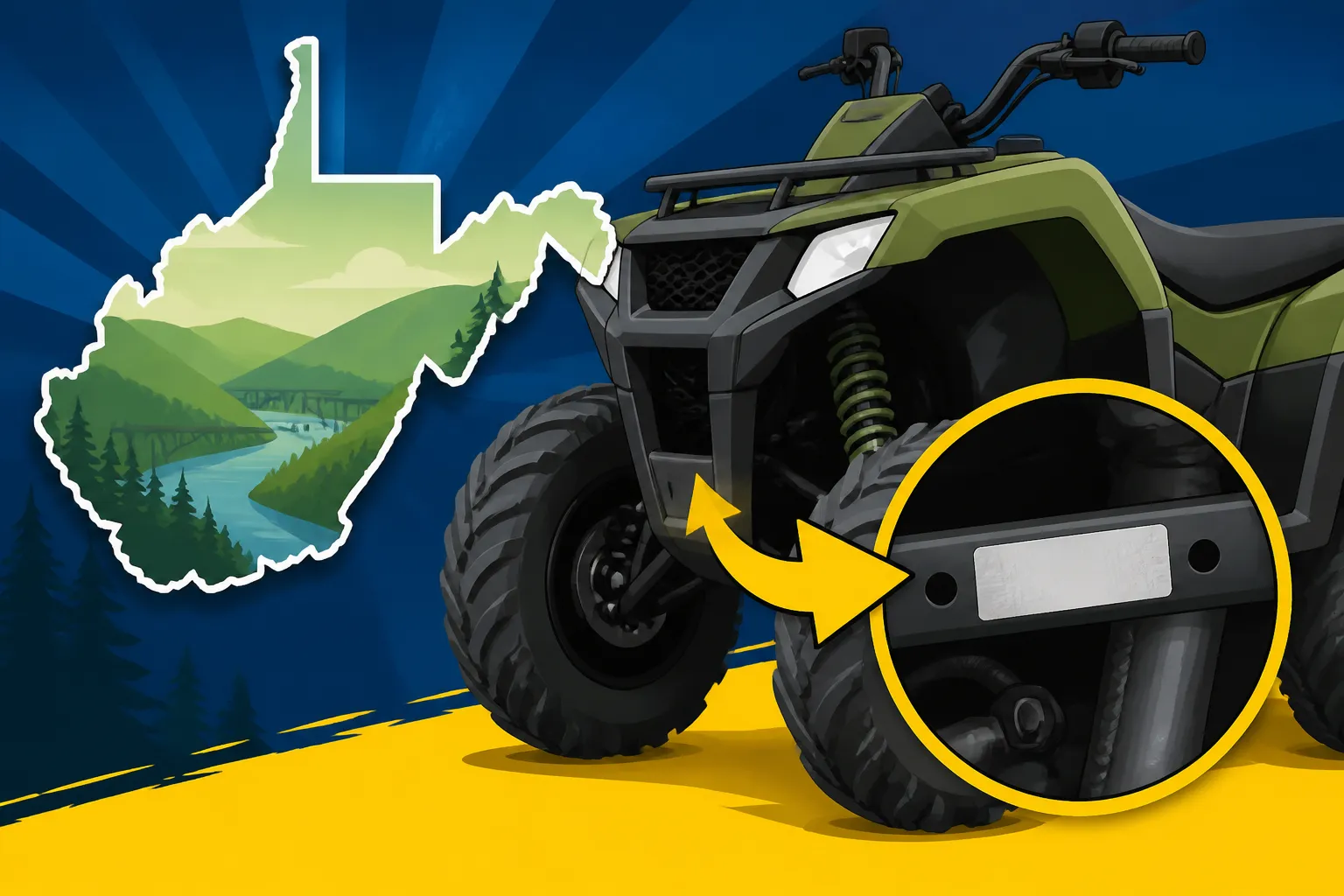
One of the most common places to find the VIN is on the front frame of the machine, typically around the steering head or just below the handlebars. This area is often exposed, making it relatively easy to spot. Look for a small metal plate or a stamped series of numbers directly into the frame material. On many Polaris models, for example, you'll often find it etched right on the frame rail near the front left wheel, or sometimes closer to the steering column. Similarly, many Can-Am machines might have it in a similar location.
Sometimes it's on a vertical tube just behind the front bumper, or on a horizontal crossmember. It might be covered by a plastic fender or a small mud flap, so you might need to gently peel back some plastic or clean away some dirt to expose it. Don't be afraid to get down on your hands and knees with a flashlight and a rag! This area, while exposed, can also accumulate a lot of grime, making the numbers hard to read.
Rear Frame Sections and Engine Mounts
If the front isn't yielding results, shift your focus to the rear of the machine. The VIN can sometimes be found on a frame rail near the rear axle, often on the left-hand side, but occasionally on the right. Another less common, but still possible, spot is near the engine mounts or underneath the seat. These locations are generally more protected from trail debris and impacts, which can sometimes mean the VIN is in better condition.
For side-by-sides, which have a larger frame, the VIN might be found on a crossmember under the bed or cargo area. You might need to lift the bed or remove a cover to get a good look. Again, a flashlight is your best friend here, as these areas can be dark and cramped. Remember, these machines are built tough, but the VIN stamp itself is relatively small, so keep your eyes peeled for that specific 17-character sequence.
Other Less Obvious Spots and Manufacturer Tags
While the frame is the primary location, some manufacturers also place the VIN on a sticker or plate in other, more accessible spots. These are typically secondary markings and the stamped VIN on the frame is the official one. Check the owner's manual – if you have it – as it will usually have a diagram indicating the exact VIN location.
Sometimes, you'll find a VIN sticker on the underside of the hood (if it has one), inside the glove compartment, or even on the engine itself (though this is less common for the main VIN and usually indicates an engine serial number). Be cautious with stickers, as they can be easily damaged, removed, or replaced, which is why the permanently stamped VIN on the frame is the one the DMV will always prioritize for official documentation like [What the West Virginia DMV Needs to Title an ATV].
| Manufacturer | Common VIN Locations (Primary Frame Stamp) | Notes |
|---|---|---|
| Polaris | Front frame rail (left side, near tire/shock), steering column | Often stamped directly into the frame, sometimes under plastic. |
| Can-Am | Front frame (steering head), lower left frame rail | Can be on a metal tag riveted to the frame or stamped. |
| Honda | Front frame (steering head), left-side frame rail | Often easy to find near the front suspension. |
| Yamaha | Front frame (steering head), front-left frame rail | Typically stamped. |
| Kawasaki | Front frame (steering head), left frame rail, under seat area | Sometimes more challenging to access due to plastic. |
| Suzuki | Front frame (steering head), front-left frame rail | Standard placement. |
| Arctic Cat | Front frame, steering column, left frame rail | May require cleaning around suspension components. |
What to Do When the VIN is Hard to Find or Obscured
It’s not uncommon to struggle with locating or reading a VIN, especially on older machines or those that have seen a lot of hard riding. Don't panic – there are usually solutions, but they require a bit of patience and sometimes some extra effort.
Dealing with Dirt, Mud, and Rust
The most frequent culprit for an unreadable VIN is simply grime. ATVs and UTVs are designed to get dirty, and the areas where VINs are typically stamped are often prime spots for mud, dust, and rust to accumulate. Your first step should always be a thorough cleaning. Grab a stiff brush, some degreaser, and a rag, and systematically clean the common VIN areas mentioned above. Sometimes, even after a good scrub, surface rust might still obscure the numbers. In these cases, very carefully use a wire brush or fine-grit sandpaper to gently remove only the surface rust over the VIN. The key word here is gently; you don't want to damage the actual stamping, only reveal it.
If the numbers are still faint, try wiping the area with chalk or a dark crayon. The chalk dust or crayon wax will settle into the stamped indentations, making the numbers much more visible against the surrounding metal. Another trick is to take a rubbing: place a piece of thin paper over the VIN and rub a pencil over it, similar to how you'd make a rubbing of a tombstone. This can create a clear impression of the numbers. When doing this, accuracy is paramount, especially when you're preparing for steps like [West Virginia ATV Title Application at the DMV].
When the VIN is Damaged or Unreadable
This is where things can get a bit more complicated, but it's not insurmountable. If the VIN is so heavily corroded, ground down, or physically damaged that it's truly unreadable, you'll need to involve the West Virginia DMV or law enforcement. They may require a physical inspection of the machine. An officer or DMV inspector might be able to find a secondary VIN (sometimes hidden by manufacturers for anti-theft purposes) or verify other identifying marks to confirm the machine's identity.
In some rare cases, if the VIN is completely obliterated and cannot be verified by any means, you might be looking at needing a bonded title or even a new VIN assigned. This process is complex and usually involves proving ownership through other means (like a bill of sale or prior registration) and extensive inspection. The DMV's primary concern will be ensuring the machine isn't stolen, so be prepared to provide as much documentation as possible. Sometimes, seeking legal advice or even using services like LawDepot to formalize any existing proof of ownership, like a detailed bill of sale with engine numbers, can help bolster your case before approaching the DMV. [Bonded Title for an ATV in West Virginia] explains more about this last-resort option.
Verifying the VIN for Titling and Ownership in West Virginia
Once you've located and cleaned the VIN, the next crucial step is to verify its accuracy and ensure it matches all your existing paperwork. This due diligence can save you a world of headaches down the road.
Cross-Referencing with Documentation
Always, always compare the VIN you found on the frame with any and all paperwork you have for the machine. This includes the bill of sale, previous title, insurance documents, or even the owner's manual. Every single character must match. Even a single digit or letter discrepancy can cause significant problems at the DMV. A common issue is a handwritten bill of sale with a transposed number or a misread character. This is where a formal document created via a platform like LawDepot, which guides you through accurate input, can be particularly helpful for ensuring the VIN on your bill of sale matches the physical machine.
If you find a discrepancy, investigate immediately. Is it a typo on the old paperwork, or is the VIN on the machine different? If the VIN on the machine doesn't match the title you were given, do not proceed with a title transfer until you've clarified the issue with the seller. This could indicate a significant problem with the machine's history or legality. [Fixing a Wrong VIN on a West Virginia Title] delves deeper into how to handle such discrepancies.
Performing a VIN Check
As mentioned earlier, running a VIN check is a critical step, especially when buying a used machine. Several online services allow you to input the 17-character VIN and get a report on the vehicle's history. These reports can often tell you:
- Manufacturer, make, model, and year: Confirming these details helps you verify the machine is what the seller claims it is. [Reading the Model Year From Your ATV VIN] will show you how to decode parts of the VIN yourself.
- Previous accidents: Knowing if the machine has been in a major crash can inform your purchase decision.
- Salvage or flood titles: These indicate significant damage and could affect the machine's safety and value.
- Odometer discrepancies: While less common on ATVs than cars, some machines have hour meters, and a VIN check might flag inconsistencies.
- Lien status: Crucially, a VIN check can reveal if there's a loan or lien against the machine, meaning the seller doesn't have full ownership to transfer to you. [Liens on a West Virginia ATV Title] covers this important topic.
- Stolen status: This is perhaps the most important check, ensuring you're not inadvertently buying stolen property.
Think of the VIN check as your due diligence. It's a small investment that can save you from a huge financial mistake or legal trouble. It provides invaluable [Proof of Ownership for a West Virginia ATV Title].
Tools and Tips for a Successful VIN Search
Equipping yourself with the right tools and knowing a few tricks can make the VIN search process much smoother and less frustrating.
Essential Gear for the Hunt
You don't need a full mechanic's workshop to find a VIN, but a few simple items will make a world of difference:
- Bright Flashlight: Crucial for peering into dark crevices, under fenders, and in dimly lit garages. Even in daylight, shadows can obscure the stamp.
- Stiff Bristle Brush (Plastic or Brass): For scrubbing away caked-on mud and dirt without scratching the frame. Avoid steel brushes, as they can be too abrasive.
- Degreaser or All-Purpose Cleaner: Helps cut through grease and grime to reveal the metal underneath.
- Rags or Paper Towels: For wiping away cleaner and dirt.
- Chalk or Crayon: As mentioned, this is a fantastic trick for highlighting faint stamped numbers.
- Camera: Once you find the VIN, take clear photos from multiple angles. This serves as a record and can be invaluable if you need to provide proof to the DMV or a buyer.
- Owner's Manual: If you have it, this often contains a diagram showing the exact VIN location specific to your model.
Having these items on hand before you start will prevent you from stopping and starting, making the process more efficient.
Best Practices for Locating a VIN
When you start your search, approach it systematically. Don't just randomly poke around. Start with the most common areas and expand your search from there.
- Start with the Steering Head: This is the most universal location. Inspect the front tube where the handlebars connect to the frame.
- Move to Front Frame Rails: Carefully examine the left and right frame rails, especially near the front wheels and suspension components.
- Check Under Fenders and Plastics: Many VINs are just barely covered by plastic bodywork. Gently lift or push aside fenders to look underneath.
- Explore the Rear Frame: If the front yields nothing, check the rear frame rails, particularly on the left side, and around the engine mounts or under the seat.
- Clean Thoroughly: Don't just glance. If you see a promising spot that's dirty, clean it meticulously. What looks like a scratch might be part of a number.
- Use Your Fingers: Sometimes, feeling for the raised or indented numbers with your fingertips can help you locate a VIN that's hard to see visually due to paint or rust.
- Consult the Owner's Manual: If all else fails, and you have the manual, it will likely have a diagram showing the exact location.
- Look Online: A quick search for "VIN location [your ATV/UTV make and model]" can often bring up forums or videos from other owners who've faced the same challenge.
Patience is key. It might take a bit of effort, but finding that VIN is a necessary step for ensuring your machine is legally recognized and ready for adventures across West Virginia. For new residents, this is particularly important when [Moving to West Virginia With an Out-of-State ATV].
Potential Problems with VINs and How to Address Them
While most VIN searches conclude with a clear identification, there are situations where you might encounter more significant issues. Being prepared for these can save you a lot of stress.
Altered, Missing, or Mismatched VINs
The most serious problem you can encounter is an altered, ground-off, or completely missing VIN. This is a huge red flag and almost always indicates a stolen vehicle or an attempt to obscure its true identity. If you discover this on a machine you're considering buying, walk away immediately. It's not worth the legal risk or the potential for financial loss. Law enforcement will consider such a machine suspicious, and you could face charges for possession of stolen property, even if you were unaware.
If you already own the machine and discover the VIN is severely altered or missing, you must contact your local law enforcement agency and the West Virginia DMV. Do not try to repair or restamp it yourself, as this is illegal. They will guide you through the process, which will likely involve an investigation to confirm the machine's origins and establish legitimate ownership. This is a complex situation, and it's best to be proactive and transparent with the authorities.
Dealing with "Junk" or Salvage Titles
A VIN check can reveal if your machine has a "junk," "salvage," or "rebuilt" title. In West Virginia, these titles signify that the vehicle has been declared a total loss by an insurance company due to severe damage (e.g., collision, flood, fire). While it's possible to legally purchase and rebuild such a machine, the process for getting it titled as "rebuilt" or "salvage" is more stringent.
You'll typically need to document all repairs, provide receipts for parts, and undergo a thorough inspection by the DMV or a certified inspector to ensure the machine is safe to operate. The new title will permanently reflect its salvage history. While buying a salvage machine can be cheaper, understand that its resale value will likely be lower, and it might be harder to get insured. Always weigh the potential savings against the extra effort and possible limitations. [Salvage and Rebuilt ATV Titles in West Virginia] offers more detail on this specific titling challenge.
What if the Manufacturer Didn't Stamp a VIN?
This is a very rare occurrence, but it can happen with extremely old machines (pre-1980s) or sometimes with homemade or custom-built vehicles. For these unique situations, West Virginia has specific procedures. For very old machines, you might be able to title it using other forms of proof of ownership, like a notarized bill of sale and a prior registration if available. The DMV will likely require a thorough inspection to verify the machine's identity and determine if a VIN was indeed never issued. [West Virginia Title Rules for a Pre-1989 ATV] will provide insight here.
For homemade ATVs or UTVs, or those assembled from various parts without a traditional manufacturer VIN, you'll need to apply for a "Specially Constructed Vehicle" title. This involves submitting detailed documentation about the components used, undergoing an inspection, and potentially being assigned a new VIN by the DMV. This is a detailed process that ensures even unique machines are properly identified and documented within the state's system. Knowing the rules for [Titling a Homemade UTV Frame in West Virginia] can be very helpful. In all these cases, having your documentation in order, perhaps using a reliable template from LawDepot for a bill of sale, can make the process smoother, even if a standard VIN isn't present.
Disclaimer
This article is for general informational purposes only and does not constitute professional advice. Laws, prices and regulations vary by location and change over time. Consult a qualified professional for guidance on your specific situation.