Recovering a Stolen ATV Through Its Title
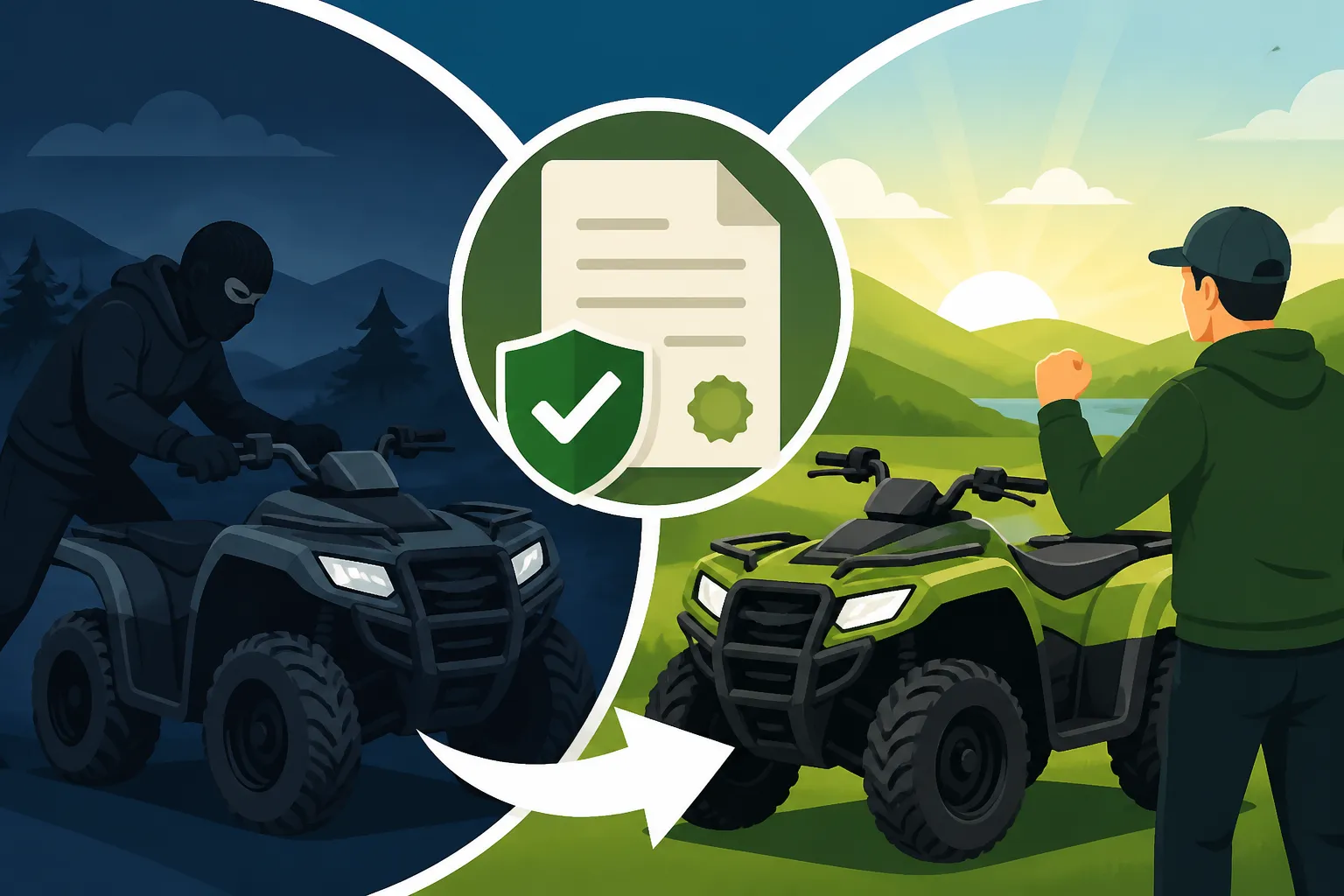
There are few feelings as gut-wrenching as walking out to your shed, garage, or even your backyard only to find your beloved ATV or UTV gone. That initial wave of panic quickly turns into a cold dread, and the mind races: "What now? Is it truly gone forever?" It’s a terrible situation no one wants to face, but thankfully, your West Virginia ATV title isn't just a piece of paper you stash away; it's a vital tool that can significantly aid in the recovery of your stolen machine. This guide will walk you through exactly how your title plays a pivotal role, from the moment you realize it's gone to the steps involved in hopefully getting it back.
The Immediate Aftermath: Reporting the Theft in West Virginia
When your ATV or UTV disappears, the clock starts ticking. Every second counts, and knowing the right steps to take immediately can make a huge difference in whether your machine is found or becomes just another statistic. It’s natural to feel overwhelmed, but focusing on these first actions is paramount.
Why a Prompt Police Report is Crucial
The very first thing you need to do, after the initial shock wears off, is to contact your local law enforcement agency. This isn't just a formality; it's the official starting gun for any recovery efforts. The sooner the authorities are aware, the sooner they can broadcast the theft and put out alerts. Imagine if your stolen quad is spotted by an officer an hour after it’s taken, but you haven't reported it yet – they'd have no reason to stop it!
When you make the report, try to remain as calm and clear as possible. The dispatcher will ask for details, and the responding officer will need even more. Be ready to provide the exact location where the theft occurred, the estimated time frame, and any suspicious activities or individuals you might have noticed. Don't omit anything, no matter how small it seems. This initial report creates an official record, assigns a case number to your incident, and is absolutely essential for any subsequent steps, whether that's involving your insurance company or working with the DMV. Without a police report, officially, your ATV isn't "stolen" in the eyes of the law or any other agency.
Gathering Your ATV's Essential Information
Before or during your conversation with the police, you'll need to compile as much identifying information about your ATV or UTV as possible. This is where your meticulous record-keeping truly pays off. The most critical piece of data is your Vehicle Identification Number (VIN). This 17-character code is unique to your machine, just like a fingerprint, and is the primary way law enforcement and the DMV identify it. Make sure you have it readily available – it's usually on your title, registration card (if you have one, like for an SPV), or even your insurance documents.
Beyond the VIN, gather the make, model, year, and color of your machine. Did it have any unique aftermarket parts, stickers, or distinguishing features like a specific winch, light bar, or dent? Even seemingly minor details can help differentiate your ATV from others that look similar. Having photos of your ATV, especially close-ups of any custom features, can be incredibly valuable to investigators. You might even have photos of the VIN plate itself. The more information you can provide, the better equipped the police will be to circulate the description and flag the machine in national databases.
Your West Virginia ATV Title: A Powerful Recovery Tool
Many folks view their ATV title as just another piece of paper they need to keep for when they eventually sell their machine. But when theft strikes, that title transforms into one of your most potent weapons in the fight to get your property back. It's far more than just a receipt.
How the Title Proves Your Ownership
In West Virginia, the title is the undisputed legal document that establishes you as the rightful owner of your ATV or UTV. It’s the formal chain of custody, proving that the machine was legally transferred to you. While a bill of sale proves you bought it, the title proves you own it, free and clear of the previous owner (unless there's a lien, of course). This distinction is critical in a theft scenario. Law enforcement, the DMV, and insurance companies will all rely on the title to confirm that the stolen machine is indeed yours. Without a title in your name, proving ownership can become a tangled, frustrating, and often lengthy legal battle, potentially delaying or even preventing recovery efforts.
Imagine trying to claim a machine found by the police without a title – anyone could claim it! The title cuts through that ambiguity, making your claim ironclad. It links your name directly to that specific VIN, leaving no room for doubt about who the rightful owner is. For more on this, check out [Proof of Ownership for a West Virginia ATV Title].
The Role of the VIN on Your Title
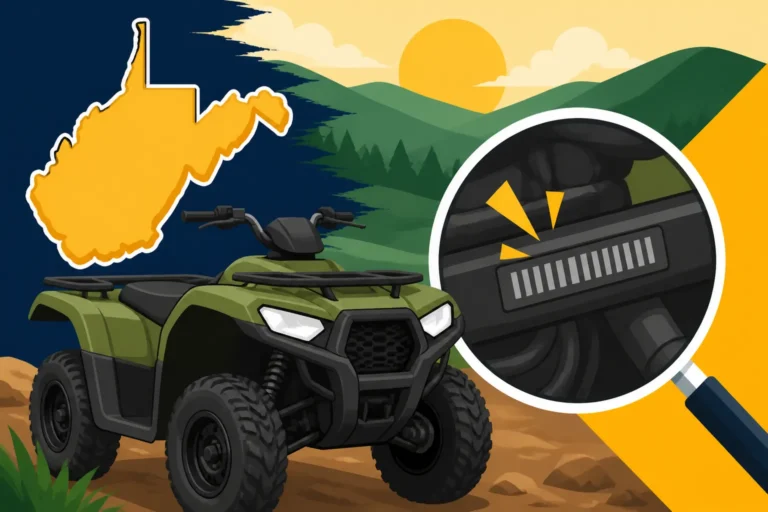
Every West Virginia ATV title prominently displays the Vehicle Identification Number (VIN). This number is stamped directly onto your ATV's frame and is a fundamental identifier. When your ATV is reported stolen, its VIN is entered into state and national databases (like the National Crime Information Center or NCIC). If a law enforcement officer anywhere pulls over someone riding your ATV, or if a potential buyer runs a VIN check, that "stolen" flag will pop up immediately.
A clean, untampered VIN on your title and on the machine itself is vital. Thieves often try to grind off VINs or swap plates to make a stolen machine appear legitimate. However, experienced officers and DMV officials are trained to spot these alterations, and the VIN on your title provides the definitive number to compare against. The physical VIN on the machine must match the VIN on your title for a successful recovery and transfer back into your possession. If there's any discrepancy or sign of tampering, it immediately raises red flags and adds layers of complexity to the recovery process. Knowing [Finding the VIN Stamp on an ATV Frame] can help you verify this info when you first purchase a machine, or if you need to double-check it for your police report.
Navigating the Recovery Process with Your Title
Once the police report is filed and your title details are at the ready, you'll embark on the often anxious journey of waiting and working with various agencies. Your title acts as your primary credential throughout this process, facilitating official actions and preventing further complications.
Alerting the West Virginia DMV
While law enforcement handles the criminal investigation, it's also a good practice to inform the West Virginia Division of Motor Vehicles (DMV) that your ATV or UTV has been stolen. The DMV maintains all titling records, and by notifying them, they can place an administrative hold or flag on your machine's VIN in their system. This is a crucial step because it makes it incredibly difficult for a thief to try and illegally re-title your machine in West Virginia.
When a flagged VIN comes through for a title application – whether at a DMV office, through a dealership, or even an online portal – the system will alert the clerk or reviewer that the machine has been reported stolen. This can lead to an immediate intervention, potentially recovering your ATV and apprehending the individual attempting to register it. While the DMV doesn't actively "hunt" for stolen vehicles, their robust titling system acts as a powerful deterrent and a key point of interception in the recovery chain. Make sure you have your police report number handy when you contact them, as they will likely require it for their records. For details on regular title applications, you might look at [What the West Virginia DMV Needs to Title an ATV].
Working with Law Enforcement and the Title
After you file your police report, your ATV's VIN will be entered into national databases, including the National Crime Information Center (NCIC). This means that any law enforcement agency across the country that runs a VIN check will see that your machine is stolen. Your title provided the accurate, official VIN that made this possible. Keep in close contact with the investigating officer. While they may not have daily updates, a polite follow-up every now and then is perfectly acceptable.
If your ATV is located, the police will use your title to confirm your ownership before releasing it back to you. This might sound obvious, but it prevents imposters from claiming your recovered property. They'll need to verify that the VIN on the recovered machine matches the VIN on your title, which matches the VIN in the stolen vehicle database. This triple-check ensures that the rightful owner receives their property. Be prepared to show your driver's license alongside your title when picking up a recovered machine.
What Happens if a Thief Tries to Re-Title It?
This is where your proactive reporting to the DMV (and the police entering the VIN into national databases) truly shines. If a thief tries to sell your stolen ATV to an unsuspecting buyer, that buyer might attempt to title it at the West Virginia DMV. When they present the bill of sale and perhaps a fraudulent title, the DMV clerk will run the VIN. If your ATV has been properly flagged as stolen, that VIN check will immediately trigger an alert.
This alert will prompt the DMV to contact law enforcement, who can then intervene. This scenario highlights why the title is such a powerful tool: it creates a digital barrier that thieves find incredibly difficult to circumvent, at least in a legitimate sales channel. Trying to obtain a [Bonded Title for an ATV in West Virginia] for a stolen machine would be nearly impossible, as the bonding company and DMV would discover the stolen status during their due diligence. This system is designed to protect legitimate owners and prevent stolen property from re-entering the legal market.
| Action Taken | Agency Involved | Title's Role | Potential Outcome |
|---|---|---|---|
| Theft Occurs | Owner | Proof of Ownership | Initial shock, need to act fast. |
| File Police Report | Local Police | Provides official VIN for databases | ATV flagged as stolen in NCIC; criminal investigation begins. |
| Notify WV DMV | WV DMV | Places administrative hold on VIN | Prevents illegal re-titling in West Virginia. |
| Insurance Claim | Insurance Co. | Confirms ownership for payout | Financial compensation or aid in recovery. |
| VIN Check by Law Enforcement | Any Police Agency | Identifies stolen status | ATV can be stopped, recovered. |
| Attempt to Re-Title by Thief | WV DMV | Flags fraudulent transaction | DMV alerts police, potential recovery and arrest. |
| ATV Recovery | Law Enforcement | Verifies rightful owner for release | Your ATV is returned to you. |
The Role of Insurance in Stolen ATV Recovery
While your title is your legal proof of ownership, your insurance policy is your financial safety net. When an ATV is stolen, both your title and your insurance company will play distinct but interconnected roles in helping you through the ordeal.
Filing a Claim for a Stolen ATV
As soon as you’ve filed your police report, your next call should be to your insurance provider. Many comprehensive ATV insurance policies cover theft, meaning they'll compensate you for the loss of your machine. However, the insurance company isn't just going to cut you a check without proper documentation. They will absolutely require a copy of the official police report, including the case number, and most importantly, your West Virginia ATV title.
Your title proves to the insurer that you legitimately owned the stolen ATV at the time of the theft. They use this document, along with your policy details, to process your claim. They'll confirm the VIN, make, model, and year against their records to ensure everything matches. The faster you provide all required documents, the smoother the claims process will typically be. Understanding the specifics of your coverage for theft is important, so review your policy or speak directly with your agent. For general information, consider [Insuring an ATV in West Virginia].
When the ATV is Recovered After a Payout
What happens if your ATV is found after your insurance company has already paid out your claim? This is a common scenario, and it has important implications for ownership. Once your insurer compensates you for the stolen machine, they generally assume ownership of it. This means that if the ATV is later recovered, it legally belongs to the insurance company, not to you.
However, you usually have options. Your insurance company might offer you the opportunity to "buy back" the recovered ATV from them. The price will depend on its condition and the amount they paid out. If the machine was recovered in damaged condition, the insurance company might deem it a "total loss" and sell it with a salvage title. This process ensures that you don't receive a payout and get your original machine back, which would be double compensation. It also handles the legal transfer of ownership transparently. If you decide to buy back a damaged machine, be prepared for the implications of a [Salvage and Rebuilt ATV Titles in West Virginia].
Proactive Measures to Protect Your ATV
While we hope you never have to deal with a stolen ATV, taking preventative steps now can significantly reduce your risk and make recovery much smoother if the worst happens. It’s all about making your machine less appealing to thieves and being prepared.
Best Practices for Preventing Theft
Securing your ATV or UTV isn't just about throwing a tarp over it. Thieves are often opportunistic, looking for easy targets. The more barriers you put in their way, the less likely they are to target your machine. Start with physical security:
- Secure Storage: Whenever possible, store your ATV in a locked garage, shed, or a secure storage unit. If it must be outside, keep it in a well-lit area, ideally visible from your home.
- Locks and Chains: Invest in heavy-duty chains and disc locks for your tires or frame. Consider a brake lever lock or even a hitch lock if it's on a trailer. Multiple layers of security are always better than one.
- Kill Switches/Ignition Disable: Simple, hidden kill switches can prevent a thief from starting your ATV, even if they defeat other locks.
- GPS Trackers: Modern GPS trackers can be hidden on your ATV and allow you to track its location in real-time via your smartphone. This is an incredibly powerful recovery tool and can lead to quick apprehension of thieves.
- VIN Engraving: While the VIN is already stamped on your frame, some owners choose to engrave it in less obvious places on components like plastic fenders or engine parts. This makes it harder for thieves to sell parts, as the VIN is present everywhere.
Remember, no security measure is foolproof, but making your ATV a more difficult and time-consuming target will often send thieves looking for an easier score elsewhere.
Maintaining Proper Records and Documentation
This goes hand-in-hand with physical security. Having accurate and easily accessible records is your ultimate backup plan.
- Safeguard Your Title: Keep your original West Virginia ATV title in a secure location, like a fireproof safe or a bank safe deposit box. Never leave the original title on or in the ATV itself, especially not in the glove box or tool kit. A copy, however, is fine to keep in a secure digital file.
- Bill of Sale: Keep a copy of your [West Virginia ATV Bill of Sale Template Requirements]. This document, while not the title, supports the chain of ownership and provides additional details about the purchase. You can even use services like LawDepot to create legally sound bills of sale and other important documents, ensuring all the necessary details are captured.
- Photographic Evidence: Take numerous photos of your ATV from all angles, including close-ups of the VIN, engine, unique accessories, and any distinguishing marks or damage. Store these photos digitally in a cloud service or on an external hard drive.
- Accessory Documentation: Keep receipts or records for any valuable accessories you've added. This is important for insurance claims.
- Service Records: While not directly for theft, service records can also help establish ownership and the history of the machine.
A little organization now can save you immense headaches and heartache if your ATV is ever stolen.
Challenges and What-Ifs in the Recovery Journey
Even with all the right preparations, the journey to recover a stolen ATV can be fraught with challenges. Understanding these potential hurdles can help manage expectations and prepare you for various scenarios.
Dealing with a Missing Title During Theft
What if your West Virginia ATV title itself was stolen along with your machine? Or perhaps you simply can't find it when you need it most? This adds a layer of complexity, but it's not a dead end. If your title is missing, you'll need to apply for a duplicate from the West Virginia DMV. The process involves filling out a specific application form, paying a fee, and providing proof of identity. This can delay the official flagging of your VIN as stolen with the DMV and certainly slow down any insurance claims, as they rely heavily on that proof of ownership.
The good news is that the DMV keeps records of all titled vehicles. Even if your physical title is gone, your ownership is still recorded in their system. However, the time it takes to get a duplicate title will mean a delay in fully activating all recovery mechanisms that rely on that physical document. If your title was stolen, make sure to include that detail in your police report, as it's part of the broader theft. For a full rundown, see [Replacing a Lost West Virginia ATV Title].
The Aftermath: Getting Your ATV Back
Let's imagine the best-case scenario: your ATV or UTV is recovered! While this is a huge relief, the process isn't quite over.
- Condition of the Machine: Rarely is a recovered ATV in the same pristine condition it was when it was stolen. It might have sustained damage during the theft, while being transported, or during its time in the thief's possession. It might also be missing parts or accessories. Document all damage and missing items for potential insurance claims or restitution from the apprehended thieves.
- DMV Clearance: Once recovered, the "stolen" flag on your ATV's VIN needs to be removed from the DMV and national databases. This is typically handled by the law enforcement agency that recovered the machine, who will notify the DMV. Confirming this clearance is important before attempting to sell or re-title the machine yourself down the road.
- Impound Fees and Storage Costs: Your recovered ATV might be held at a police impound lot or other facility, which can accrue storage fees. You'll likely be responsible for these costs. Understanding these potential expenses is part of the recovery process.
- Legal Processes: If the thieves are caught, you might be asked to provide testimony or information for their prosecution. Your title, police report, and any other documentation will be crucial evidence.
While the primary focus is often on recovery, being prepared for the practicalities of getting your machine back and ensuring it's legally clear can help alleviate further stress. Always run a [Checking a Used Quad Against Stolen Records] or a [Running a VIN Check Before You Buy] on any recovered machine if you are unsure of its status, just for peace of mind.
Disclaimer
This article is for general informational purposes only and does not constitute professional advice. Laws, prices and regulations vary by location and change over time. Consult a qualified professional for guidance on your specific situation.