Buying a Used ATV in West Virginia: The Title Steps
Buying a used ATV or UTV in West Virginia can feel like stepping into a tangled briar patch if you don't know the titling process. It’s easy to get excited about finding the perfect machine, only to hit a wall at the DMV because the paperwork isn't quite right. This guide will walk you through every critical step to ensure a smooth title transfer, helping you avoid headaches and get out on the trails faster.
Why the Title is Everything in West Virginia ATV Sales
When you're looking to buy a used ATV or UTV, especially from a private seller, the excitement of a new ride can sometimes overshadow the nitty-gritty details of paperwork. But here in West Virginia, the vehicle's title isn't just a formality; it's the bedrock of ownership, especially since our state takes titling ATVs and UTVs seriously. Without a correctly transferred title, that awesome deal you thought you got could quickly turn into a legal quagmire. It's the key piece of paper that proves your machine is truly yours and that you're not inheriting someone else's problems.
The Legal Necessity of an ATV Title
In West Virginia, the law is pretty clear: most ATVs and UTVs sold after 1989 require a title. This isn't just a suggestion; it's a mandatory legal requirement for transfer of ownership. Imagine you've just bought what you believe is your dream machine. You've shaken hands, handed over cash, and the previous owner gave you a simple bill of sale. Sounds good, right? Not so fast. If they didn't provide a properly endorsed title, you don't legally own that machine in the eyes of the state. You can't get it registered for a special purpose vehicle (SPV) plate, you can't prove ownership if it's stolen, and you certainly can't sell it down the line without jumping through hoops. This is why understanding [Titling an ATV in West Virginia] is so important from the get-go.
What a Title Actually Proves
A West Virginia Certificate of Title for an ATV or UTV is much more than just a piece of paper; it's a legal document issued by the Division of Motor Vehicles (DMV) that serves as undeniable proof of ownership. It officially records who the legal owner is, identifies the vehicle by its unique Vehicle Identification Number (VIN), and will also note any liens on the machine, like if it's still being financed. When you're the buyer, seeing your name on that title means you have the exclusive right to possess, use, sell, or even scrap the vehicle. It means the seller genuinely had the right to transfer it to you in the first place, offering you a layer of protection that a simple handshake or even a basic bill of sale just can't provide.
The Risks of Buying Without a Title
The temptation to buy a cheap ATV without a title can be strong, especially if the seller claims they "just lost it" or "never got around to titling it." Resist that urge! The risks involved far outweigh any perceived savings. Without a title, you could be buying a stolen machine, or one with outstanding liens that you would then become responsible for. You might also find yourself unable to secure an [Insurance Required for a West Virginia SPV Plate] if you ever plan to make it street-legal, as insurance companies typically require proof of ownership. Furthermore, trying to get a title issued later without the proper transfer can involve complicated and often costly processes, like applying for a bonded title, which is a whole other level of bureaucracy. In the worst-case scenario, you could lose the machine and your money, facing legal repercussions for possessing a vehicle you can't prove is yours.
Before You Even Look: Pre-Purchase Title Checks
You’ve found an ATV or UTV that looks perfect online or in a local ad. Before you even agree to meet the seller or consider handing over any cash, you absolutely must do your homework on the machine’s title status. This proactive approach can save you from a world of trouble and expense down the road. Verifying the seller's legitimacy, checking the vehicle's history, and understanding any financial burdens attached to it are non-negotiable steps for a smart buyer in West Virginia.
Verifying the Seller's Ownership
The first critical step is to ensure the person selling the ATV or UTV is actually the legal owner, or at least has the legal authority to sell it. Ask the seller to provide you with a copy of the current West Virginia title before you meet. Compare the name on the title to the name on their driver's license. If they don't match, or if the title is still in someone else's name entirely, you need to ask a lot more questions. Sometimes, a person might be selling on behalf of a family member, or perhaps an estate after a death; in these cases, they need to have legal documentation (like a power of attorney or executor papers) proving their right to sell. Without this direct link between the seller and the title, you run a very high risk of buying a machine that they don't actually own, meaning they can't legally transfer it to you. This is crucial for avoiding fraudulent sales.
Running a VIN Check for Red Flags
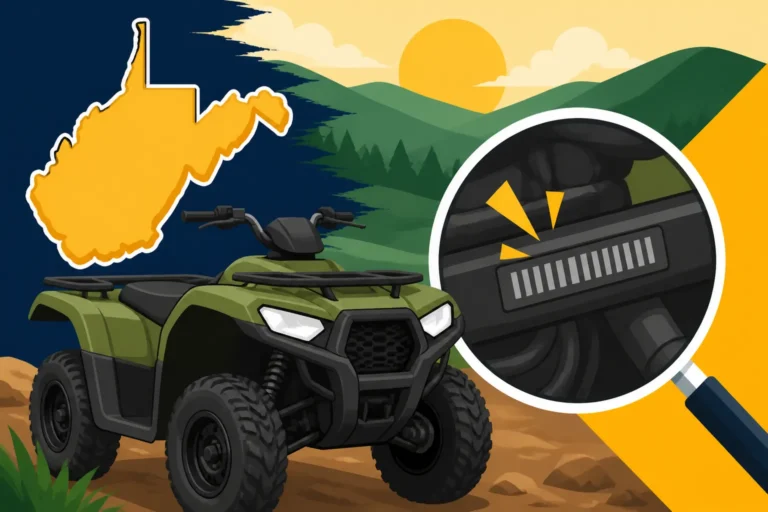
Once you've verified the seller, your next move is to get the Vehicle Identification Number (VIN) from the ATV or UTV and run a comprehensive check. This little string of numbers is the machine's unique fingerprint, and it holds a wealth of information. You can use online services to do this, many of which can reveal critical details about the vehicle's history. A VIN check can tell you if the ATV has ever been reported stolen, if it has a salvage or flood title history, or if there are any open recalls. It’s also a way to verify the make, model, and year the seller claims, ensuring everything aligns. Ignoring this step is like buying a house without an inspection; you wouldn't do it for a major purchase, so don't do it for an ATV. Knowing [Running a VIN Check Before You Buy] is a powerful tool in your arsenal.
Understanding Liens and How They Affect You
Another absolutely essential part of your pre-purchase check is to understand if there are any liens against the ATV or UTV. A lien means that someone, usually a bank or finance company, has a legal claim to the vehicle until a debt is paid off. If you buy an ATV with an active lien and the previous owner stops making payments, the lienholder can repossess the machine, even if you’ve paid for it in full! The West Virginia title document itself should clearly list any lienholders. If you see one, insist that the seller provide a lien release letter from the financial institution, proving the debt has been satisfied. Without this, the lien remains active, and transferring the title into your name might be impossible or, worse, make you liable for the outstanding debt. Understanding [Liens on a West Virginia ATV Title] can protect you from significant financial loss.
The Actual Purchase: Getting the Paperwork Right
You’ve done your research, inspected the machine, and negotiated a price. Now comes the moment of truth: the actual transaction and the critical paperwork. This stage is where many private sales go wrong, leading to frustration and delays at the DMV. Getting these documents correctly filled out, signed, and dated is paramount to a smooth title transfer. Don't rush this part; take your time and double-check everything before money changes hands.
The Importance of a Rock-Solid Bill of Sale
Even with a properly endorsed title, a comprehensive bill of sale is your best friend when buying a used ATV in West Virginia. This document serves as a receipt and a contract, detailing the terms of the sale. It should include the full names and addresses of both buyer and seller, the date of the sale, the purchase price, and a complete description of the ATV or UTV, including its make, model, year, and crucially, its VIN. It's also wise to include a statement that the vehicle is sold "as-is," without warranty, to protect both parties. Both the buyer and seller should sign and date the bill of sale, and each should retain a copy. A good bill of sale, perhaps generated using a service like LawDepot, helps prevent misunderstandings later and provides additional proof of ownership if there are any discrepancies at the DMV. It's an absolute must for your records and for the DMV. You can find detailed guidance on [West Virginia ATV Bill of Sale: What Belongs in It].
Signing Over the Existing West Virginia Title
This is arguably the most critical step in a private sale. The seller must sign over the existing West Virginia title directly to you. On the back of the title, there are specific sections for the seller to complete, including their signature, the date of sale, the odometer reading (if applicable, though less common for ATVs), and the sale price. It's vital that the seller signs in the designated "Seller" or "Assignment of Title" section. Ensure their signature matches the name printed on the front of the title. If there are two names on the title, both individuals may need to sign, depending on how their names are joined (e.g., "AND" versus "OR"). Do not let the seller leave any blanks in the assignment section; these can cause major problems at the DMV. A clean, complete title assignment is what the DMV relies on for the transfer.
Dealing with Out-of-State Titles
Buying an ATV or UTV from a seller who has an out-of-state title introduces a few extra considerations. While the process is largely similar—the seller must still sign over their title—West Virginia will require a few additional checks. The out-of-state title needs to be valid and properly released by any lienholders, just like an in-state title. The West Virginia DMV may also require a VIN inspection to verify the machine's identity, especially if it's coming from a state that doesn't have stringent titling requirements for ATVs. You'll bring the out-of-state title, your bill of sale, and any other required documentation to the West Virginia DMV to apply for a new West Virginia title. Be prepared for potentially longer processing times, as the DMV might need to verify the out-of-state title's authenticity. Familiarizing yourself with [West Virginia Title Rules for Out-of-State Machines] can help you prepare for this scenario.
Sales Tax and Fees: What You'll Owe at the DMV
No one loves paying taxes and fees, but they are an unavoidable part of buying an ATV or UTV in West Virginia. Understanding what you owe and why can help you budget properly and avoid any surprises when you get to the DMV. These costs are typically paid at the time of title transfer and are essential for completing the legal ownership process.
Calculating West Virginia Sales Tax on an ATV
When you buy a used ATV or UTV from a private seller, you are generally responsible for paying West Virginia sales tax on the purchase price. The current sales tax rate applies to the agreed-upon sale price of the vehicle. However, there's a nuance: the DMV has the authority to assess tax based on the vehicle's fair market value if they believe the stated sale price on the bill of sale is artificially low. For example, if you claim you bought a late-model, low-mileage side-by-side for a suspiciously low amount like $500, the DMV might use an industry guide to determine a more realistic value for tax purposes. It's always best to be transparent and accurate with the sale price on your bill of sale. For specific details on rates and common exemptions, refer to [West Virginia Sales Tax on an ATV Purchase].
Title Transfer Fees and Other Charges
In addition to sales tax, you'll also pay a specific title transfer fee to the West Virginia DMV. This is a relatively small, fixed fee compared to the sales tax, but it's mandatory for changing the ownership record. There might also be a nominal fee for a lien recording if you're financing the ATV and a new lien is being placed. If you're applying for an [West Virginia's Street-Legal Special Purpose Vehicle Plate], there will be additional registration and plate fees, but these are separate from the initial title transfer process itself. Always check the West Virginia DMV's official website or call your local office for the most current fee schedule before your visit to ensure you have the correct payment method and amount ready.
Special Cases: Gifting and Family Transfers
There are a few situations where sales tax rules can differ. If an ATV or UTV is genuinely gifted to you, or transferred between immediate family members (like parent to child, or spouse to spouse), you might be eligible for a sales tax exemption. However, you'll still need to complete the title transfer process and pay the title fee. For a gift, the seller would typically sign the title over to you and provide a bill of sale stating "gift" or "$0.00" as the purchase price. The DMV usually requires a signed affidavit or a specific form confirming it's a bona fide gift or family transfer to qualify for the tax exemption. Simply stating a very low price to avoid tax, rather than a genuine gift, can trigger the DMV's fair market value assessment and lead to you paying more than you expected.
Taking Your New-to-You ATV to the West Virginia DMV
After the transaction is complete and you've secured all the paperwork from the seller, your next stop is the West Virginia DMV. This is where you officially transfer the title into your name and become the legal owner. Being prepared with all the necessary documents and knowing the process can make your visit much smoother and prevent multiple trips.
Gathering All Required Documents
Before you even step out the door, make absolutely sure you have every piece of documentation you'll need. This typically includes:
- The properly signed and dated original title from the seller.
- A completed and signed bill of sale, like one you might create through LawDepot, detailing the transaction.
- Proof of your identity (driver's license or state ID).
- Proof of residency in West Virginia (utility bill, lease agreement, etc.).
- A completed title application form (DMV-1-TR). You can often download this from the West Virginia DMV website in advance.
- Payment for sales tax and title transfer fees.
- Any lien release documentation if the previous title showed a lien.
- For out-of-state titles, proof of VIN inspection if required.
Failing to bring even one document can mean being turned away and having to reschedule your visit. Knowing [What the West Virginia DMV Needs to Title an ATV] can save you a lot of time and frustration.
The Application Process Step-by-Step
Once you arrive at a [West Virginia DMV Offices That Handle ATV Titles] with all your documents in hand, the process generally follows these steps:
- Check-in: You'll typically take a number and wait your turn.
- Document Review: A DMV clerk will review all your submitted documents to ensure they are complete and correctly filled out. They will specifically check the seller's signature on the title, the VIN on the title and bill of sale, and the accuracy of the sales price.
- VIN Verification (if necessary): If you're bringing in an out-of-state ATV or there are any discrepancies, the DMV may require a physical VIN inspection. This usually involves a DMV employee stepping outside to verify the VIN stamped on the ATV's frame matches the paperwork.
- Payment: Once your documents are approved, you'll pay the sales tax and title transfer fees.
- Temporary Registration (if applicable): If you're also applying for an SPV plate, you might receive temporary tags or a temporary registration card until your permanent ones arrive.
- Receipt and Waiting Period: You'll receive a receipt confirming your application has been processed. The new title will then be mailed to you, usually within a few weeks. The timeframe can vary, so don't expect to walk out with your physical title in hand immediately.
What to Expect at the DMV Office
A visit to the DMV can sometimes be a test of patience, especially during peak hours. Be prepared for potential wait times, even if you arrive with an appointment. Staff members are usually helpful but are also bound by strict rules regarding paperwork accuracy. Politeness and preparedness go a long way. If there's an issue with your paperwork, ask for clear instructions on how to correct it. Sometimes, it might require contacting the seller again, so it's best to handle everything accurately during the initial transaction. Double-check all forms before submission, and if possible, use an online resource like LawDepot to ensure your bill of sale template is up to snuff.
Troubleshooting Common Title Transfer Issues
Even with the best intentions and meticulous preparation, sometimes unforeseen issues arise during the title transfer process. These can range from a missing signature to a lost title, and each presents its own set of challenges. Knowing how to navigate these common problems can save you from hitting a dead end and ensure you eventually get that title in your name.
When the Seller's Signature is Missing
One of the most common and frustrating problems is a missing or incorrect seller's signature on the title. If the seller forgot to sign, or signed in the wrong spot, the West Virginia DMV will likely reject your title application. This almost always means you'll have to track down the seller and have them correct the error. This is why it's crucial to inspect the title thoroughly before completing the purchase and handing over payment. If the seller is no longer accessible, the situation becomes significantly more complicated. You might have to explore options like a bonded title, which involves extra costs, paperwork, and a waiting period, proving that you legally possess the machine and are protecting any prior unknown claims against it. This underscores the need for careful review at the point of sale. You might also want to review [A West Virginia ATV Title With a Missing Seller Signature] for more specific guidance.
Lost Titles and How to Proceed
What if the seller claims they never received a title, or they lost it entirely before selling it to you? In West Virginia, if the seller is the titled owner and has lost their title, they should be the one to apply for a duplicate title before selling the machine to you. They can do this by filling out the "Application for Duplicate Certificate of Title" form (DMV-4-TR) and submitting it to the DMV with the required fee. Once they receive the duplicate title, they can then properly sign it over to you. As a buyer, you should be very wary of purchasing an ATV without the seller first providing a valid title, even if they promise to send it later. Waiting for a duplicate title can take time, and you don't want to be left in limbo. Learning about [Replacing a Lost West Virginia ATV Title] can help clarify this for both buyers and sellers.
Correcting Errors on the Title or Bill of Sale
Sometimes, an error might slip through, such as a misspelling of a name, an incorrect VIN, or a wrong purchase date on the bill of sale or title. Small errors on the bill of sale (like a misspelled name) can often be corrected with a simple affidavit signed by both parties, clarifying the correct information. If the VIN is incorrect on the title itself, it’s a more serious issue. If the seller made the mistake, they will typically need to apply for a corrected title. If the error was made at the DMV during a previous transfer, the DMV might be able to correct it with sufficient proof. Always double-check every detail, especially the VIN, against the physical machine and all paperwork before you leave the seller and before you submit to the DMV. The more proactive you are in spotting these errors, the easier they are to fix.
Special Considerations for Specific ATVs and UTVs
While the general titling rules apply to most ATVs and UTVs, there are a few specific scenarios and vehicle types that have unique requirements or historical considerations in West Virginia. Understanding these can prevent unexpected hurdles when you're trying to title your newly acquired machine.
Titling a Pre-1989 ATV in West Virginia
West Virginia's titling requirements for ATVs specifically state that machines sold after 1989 must be titled. This means if you're buying a vintage ATV, perhaps an old three-wheeler or a very early quad, that was manufactured and sold before January 1, 1989, it technically might not have a West Virginia title. In these cases, you won't be able to present a seller-signed title. Instead, you'll need to provide robust proof of ownership, which usually includes a comprehensive bill of sale, perhaps multiple bills of sale tracing its history, and potentially a VIN inspection. The DMV will review this documentation to establish ownership and, if satisfied, may issue an original West Virginia title in your name. It's a different path than a standard title transfer but still leads to legal ownership. For more on this, check out [West Virginia Title Rules for a Pre-1989 ATV].
West Virginia UTV Title Rules Post-2010
Side-by-sides, or UTVs, have a slightly different history regarding titling in West Virginia. While ATVs were generally required to be titled since 1989, UTVs only became subject to mandatory titling in West Virginia after December 31, 2010. This means if you're purchasing an older UTV that was sold before January 1, 2011, it might not have an existing West Virginia title. Similar to the pre-1989 ATVs, if the UTV was not titled before this date, you'll need to apply for an original title rather than a transfer. You'll need a comprehensive bill of sale and possibly a VIN inspection to prove ownership. If the UTV was sold new after 2010, then it absolutely should have a title, and the standard transfer process applies. You can read more about [UTVs Titled in West Virginia Since December 2010] to clarify these specific rules.
Salvage or Rebuilt Titles: What You Need to Know
Sometimes, you might come across an ATV or UTV with a "salvage" or "rebuilt" title. A salvage title is issued when a vehicle has been declared a total loss by an insurance company, usually due to significant damage from an accident, flood, or fire. It means the cost of repair exceeded a certain percentage of its value. You can buy these machines, but they cannot be ridden on public trails (if made street legal) or insured until they undergo repairs and pass a stringent inspection, after which a "rebuilt" title is issued. This rebuilt title permanently marks the vehicle's history. As a buyer, always be aware if a title indicates "salvage" or "rebuilt." While they can be cheaper, they often come with hidden damage and might be harder to insure or resell. Always get a detailed inspection from a trusted mechanic if considering such a purchase, and understand the full process for titling a rebuilt machine in West Virginia.
Here's a handy checklist to help you stay organized for your West Virginia ATV/UTV title transfer:
| Document/Action | Private Sale (In-State Title) | Private Sale (Out-of-State Title) | Gift/Family Transfer (In-State) | Notes |
|---|---|---|---|---|
| Seller's Signed Original Title | Required | Required | Required | Ensure all sections are correctly filled and signed. |
| Completed Bill of Sale | Required | Required | Recommended | Essential for proving purchase price and terms. Use a template like LawDepot provides. |
| West Virginia Title Application (DMV-1-TR) | Required | Required | Required | Download from WV DMV website. |
| Proof of Identity (Buyer) | Required | Required | Required | Valid WV Driver's License or ID. |
| Proof of WV Residency (Buyer) | Required | Required | Required | Utility bill, lease, etc. |
| Lien Release Document (if applicable) | Required | Required | Not Applicable | Must be from the lienholder listed on the title. |
| VIN Inspection Certification | Not always required | Often Required | Not always required | Varies by state; may be done at DMV or by law enforcement. |
| Payment for Sales Tax and Fees | Required | Required | Title Fee Only | Bring cash, check, or card as accepted by DMV. |
| Affidavit of Gift/Family Transfer (if applicable) | Not Applicable | Not Applicable | Required | Confirms genuine gift/family transfer for tax exemption. |
## Disclaimer
This article is for general informational purposes only and does not constitute professional advice. Laws, prices and regulations vary by location and change over time. Consult a qualified professional for guidance on your specific situation.