Titling a Go-Kart or Youth Quad in West Virginia
It can be incredibly confusing to figure out the rules for titling recreational vehicles in West Virginia, especially when you're dealing with smaller machines like youth ATVs or go-karts. You might think, "It's just for my kid to ride around the farm, surely I don't need a formal title for that?" But the truth is, the Mountain State has specific regulations, and overlooking them can lead to headaches down the road. This guide is here to cut through the confusion and walk you through everything you need to know about titling a go-kart or youth quad in West Virginia, ensuring you're squared away legally and safely.
Understanding West Virginia's ATV Title Law for Smaller Machines
Let's start by clarifying what West Virginia considers an all-terrain vehicle (ATV) for titling purposes. The state's Department of Motor Vehicles (DMV) defines an ATV pretty broadly, and that definition often sweeps in machines you might not immediately think of as needing a title. This is where a lot of the initial confusion comes from, particularly with machines designed for younger riders or those that blur the line between a traditional ATV and a go-kart.
The Age and Engine Size Factor in Titling
When it comes to youth ATVs, their engine size is often a key characteristic. These machines are specifically designed with smaller engines to be appropriate for younger riders, often falling into categories like 50cc, 90cc, or 125cc. While these smaller engines might suggest a lighter regulatory touch, West Virginia's title law doesn't typically make exceptions based on engine displacement alone, especially if the machine fits the general description of an ATV.
The critical distinction usually isn't the size of the engine, but rather the type of vehicle and its intended use. If it's a quad, regardless of its engine size, and it meets the criteria of an ATV – designed for off-road use, features handlebars for steering, and has straddle seating – it generally needs a title. This is to establish a clear chain of ownership and protect both buyers and sellers. You can learn more about specific regulations regarding younger riders by checking out [Youth Machine Engine Size Limits in West Virginia].
Go-Karts: Are They ATVs in West Virginia’s Eyes?
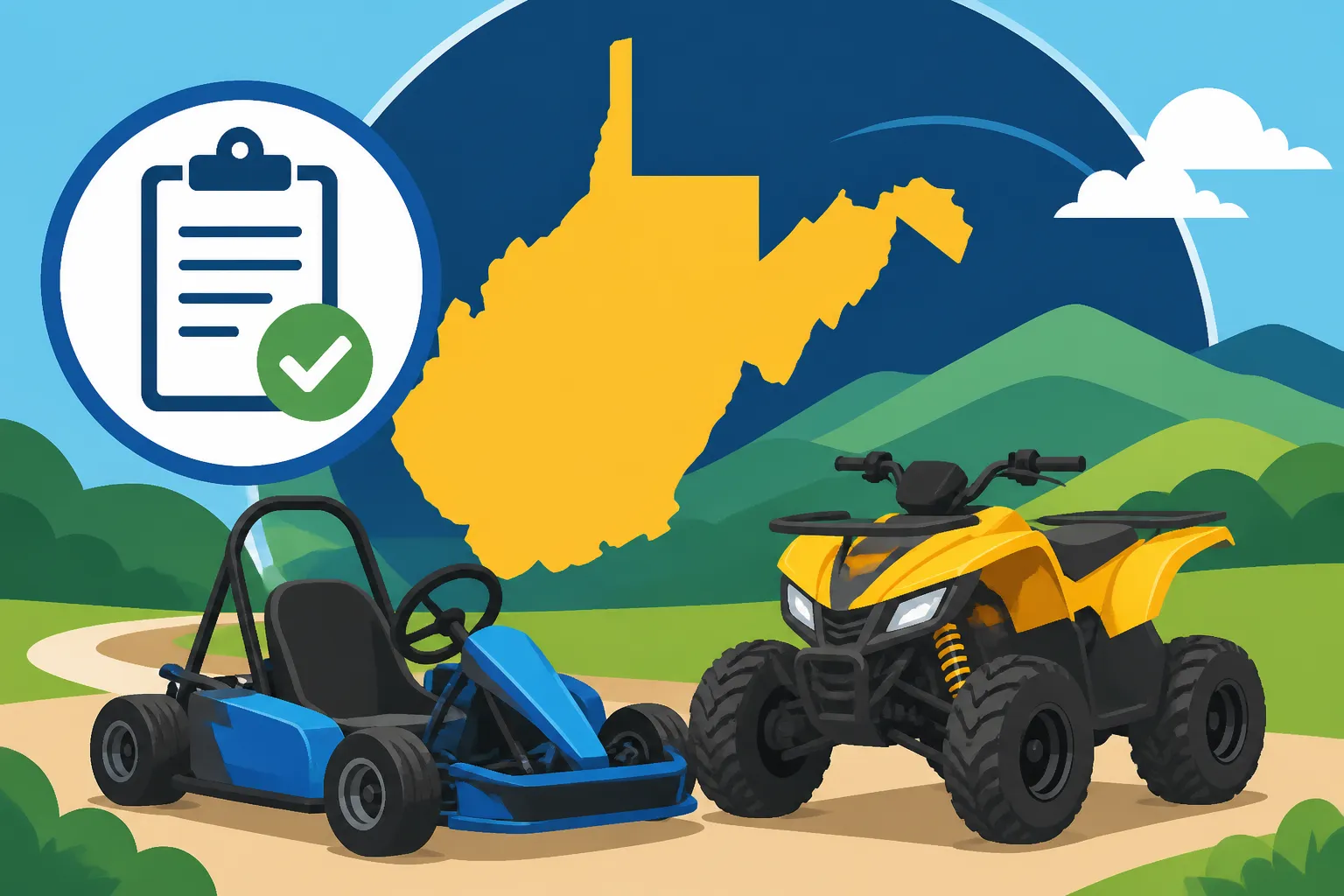
This is a really common question, and honestly, the answer can sometimes feel like it's in a gray area. Generally, traditional go-karts, especially those purely for recreational track use or simple backyard fun, are often not classified as ATVs by the West Virginia DMV. The distinguishing features are usually steering wheels, bucket seats, and often a different frame design than a typical quad. Because they don't fit the "straddle seating and handlebar steering" definition of an ATV, they might not require a title in the same way.
However, the line gets blurry with what are sometimes called "off-road go-karts" or "dune buggies" that might have more robust suspension, larger tires, and are marketed for rough terrain. If these machines begin to resemble side-by-sides (UTVs) or multi-purpose off-highway vehicles, then they could fall under titling requirements, especially if they are designed to carry passengers or meet specific criteria for UTVs. It's always best to err on the side of caution and check with the DMV if your go-kart has features that mimic an ATV or UTV. If you're specifically looking at titling a go-kart or a youth quad, this very guide, [Titling a Go-Kart or Youth Quad in West Virginia], will help clarify things further.
When a Title *Isn’t* Needed (and When It Is)
Most ATVs sold in West Virginia after 1989 are required to have a title. This is a crucial detail that often catches people off guard, particularly if they're inheriting an older machine or buying one from a private seller who "never bothered" with a title. The state implemented this law to track ownership and combat theft, making titles essential for nearly all modern ATVs. This also applies to youth quads. So, if you're thinking about a shiny new 90cc quad for your child, know that it will almost certainly come with a Manufacturer's Certificate of Origin (MCO) and will need to be titled.
The main "exception" you might hear about is for machines used exclusively on private land. While you won't need a registration if it never touches public roads or trails managed by the state, the requirement for an ownership title still generally stands for ATVs. The title proves who owns the machine, regardless of where it's ridden. It's really about proving ownership, not just public access. So, don't confuse "not needing registration" with "not needing a title." For more on this distinction, you can check out [Titling a West Virginia ATV Used Only on Private Land] and [West Virginia Title Rules for ATVs Sold After 1989].
The Step-by-Step Titling Process for a Youth Quad or Go-Kart
Once you've determined that your youth quad or go-kart (if it meets the ATV/UTV definition) does indeed need a title in West Virginia, the next step is to prepare for the actual titling process. It can feel like a mountain of paperwork, but breaking it down into manageable steps makes it much less daunting. The key is to be organized and have all your ducks in a row before you head to the DMV.
Gathering Your Essential Documents
This is perhaps the most critical part of the entire process. Without the right documents, your trip to the DMV will be a waste of time. For a brand-new youth quad, you'll primarily need the Manufacturer's Certificate of Origin (MCO). This document is essentially the "birth certificate" of the vehicle and proves it's new and has never been titled before. It should be signed over to you by the dealership. For a used youth quad or go-kart, you'll need the previous owner's signed-over title.
In both cases, you'll also need a bill of sale. Even with a signed title or MCO, a comprehensive bill of sale is crucial, especially for private party transactions. It should clearly state the buyer, seller, date of sale, purchase price, and a detailed description of the machine including its VIN. Having this document helps clarify the terms of the sale and can serve as additional proof of ownership. If you're looking for a reliable template, resources like LawDepot offer customizable bill of sale forms that can ensure you cover all the necessary bases. This can be especially helpful for private sellers who might not have a standard form. Make sure you understand [West Virginia ATV Bill of Sale: What Belongs in It] and [West Virginia ATV Bill of Sale Template Requirements]. Don't forget your personal identification (driver's license or state ID) as well!
Completing the Application and Fees
With your supporting documents in hand, you'll need to complete the official West Virginia Certificate of Title and Registration Application form (Form DMV-1-TR). This form asks for all the pertinent details about the vehicle, including the VIN, make, model, year, and your information as the new owner. It's vital to fill this out accurately and completely, as any errors can cause delays. Double-check everything, especially the VIN, against your MCO or previous title.
There will also be state-mandated fees associated with titling your machine. These typically include a title fee and potentially a processing fee. While specific figures aren't mentioned here, these are standard costs for any vehicle titling. It's a good idea to check the current fee schedule on the West Virginia DMV website or call ahead to your local office to confirm the exact amount you'll need. This ensures you're prepared with the correct payment method when you visit. For more detailed information on associated costs, refer to [West Virginia ATV Title Fee] and [West Virginia ATV Title Application Form].
The DMV Visit and What to Expect
Once you have all your documents filled out and fees confirmed, it's time for the DMV visit. While some states offer online or mail-in options for certain title transactions, for initial ATV titling, an in-person visit to a West Virginia DMV office is usually required. This allows the clerks to verify your documents and identity directly. You can find a list of [West Virginia DMV Offices That Handle ATV Titles] to locate one near you.
When you go, be prepared for potential wait times, especially if you visit during peak hours. Bring all original documents, your form of payment, and your patience! If you are titling a youth quad for a child, it's typically the parent or legal guardian who will complete the application and have their name on the title, especially if the child is a minor. The DMV clerk will review all your paperwork, process the fees, and issue you a receipt. Your official title document will usually be mailed to you within a few weeks. For a smoother experience, it's always helpful to ensure you have everything clearly organized. You can find more details on the process in [Titling an ATV at a West Virginia DMV Office].
Important Considerations for Parents and Buyers
Titling a youth quad or go-kart isn't just about the paperwork; there are broader implications, especially for parents buying these machines for their children. Thinking through these factors now can prevent significant problems and misunderstandings later on, ensuring a safe and responsible ownership experience for everyone involved.
Whose Name Should Be on the Title?
This is a really important question for parents buying a youth ATV. While it might seem natural to put a child's name on a machine intended for them, it's generally recommended that the parent or legal guardian be listed as the owner on the title for any rider under 18. Minors typically cannot enter into legal contracts, including ownership of a titled vehicle. This means if you were to sell the machine later, or if there were any legal issues, having a minor on the title could complicate things immensely.
By putting the title in your name, you maintain legal control and responsibility, which is crucial for things like insurance, liability, and future resale. When the child turns 18, you could then transfer the title to their name if desired. This provides a clear legal framework and avoids potential legal headaches down the line. It's a pragmatic choice that protects both the parent and the child. For more on this, check out [Buying an ATV for a Child: Whose Name Goes On It] and [Whose Name Goes on a West Virginia Youth ATV Title].
Sales Tax and Other Costs
Beyond the basic title fee, you'll also need to account for sales tax when acquiring a youth quad or go-kart in West Virginia. This applies whether you purchase from a dealer or a private seller. The sales tax is typically calculated based on the purchase price of the vehicle. If you buy from a licensed dealer, they will usually collect the sales tax at the time of purchase and remit it to the state on your behalf.
If you purchase from a private seller, you will be responsible for paying the sales tax directly to the DMV when you submit your title application. This is why having a clear and accurate bill of sale is so important; it substantiates the purchase price. Failing to declare the correct purchase price can lead to penalties, so always be truthful. Remember to budget for this additional cost when planning your purchase, as it can be a significant amount depending on the price of the machine. Details on this can be found in [West Virginia Sales Tax on an ATV Purchase].
Preventing Future Headaches: VIN Checks and Proof of Ownership
When buying any used vehicle, including a youth quad or a go-kart that requires a title, conducting a VIN check is absolutely non-negotiable. The Vehicle Identification Number (VIN) is unique to each machine, and running a check can reveal a wealth of information. This includes whether the machine has been reported stolen, if there are any outstanding liens against it (meaning the previous owner still owes money on a loan for it), or if it has a history of major damage. A clear VIN check provides peace of mind and protects you from buying a problematic machine.
Always verify the VIN on the title or MCO matches the VIN stamped on the machine's frame. In West Virginia, a clear title is the ultimate proof of ownership. Without it, you could face significant difficulties proving the machine is yours, selling it, or even getting it back if it's stolen. If a seller doesn't have a title for a machine that should have one, walk away, or insist they obtain one before the sale. A complete and accurate bill of sale, especially one from a reputable source like LawDepot, combined with a clear title and VIN check, creates an ironclad record of your ownership. This due diligence is crucial for a smooth and worry-free experience. Learn how to do this by reading [Running a VIN Check Before You Buy] and [Proof of Ownership for a West Virginia ATV Title].
Here's a quick checklist of documents you'll generally need:
| Document Type | New Machine (Dealer) | Used Machine (Private Seller) | Purpose |
|---|---|---|---|
| Manufacturer's Certificate of Origin (MCO) | Required | N/A | "Birth certificate" of the vehicle |
| Previous Owner's Signed Title | N/A | Required | Transfers ownership from prior owner |
| West Virginia Title Application (DMV-1-TR) | Required | Required | Official request for a new title |
| Bill of Sale | Recommended (dealer sales agreement often suffices) | Required | Proof of purchase price and terms |
| Valid Photo ID | Required | Required | Verifies your identity |
| Proof of West Virginia Residency | Required (if not on ID) | Required (if not on ID) | Confirms eligibility for WV title |
| Payment for Fees/Tax | Required | Required | Covers title fee and sales tax |
| VIN Inspection Certificate | Rarely needed | Sometimes needed | Verifies VIN for out-of-state or unusual cases |
Disclaimer
This article is for general informational purposes only and does not constitute professional advice. Laws, prices and regulations vary by location and change over time. Consult a qualified professional for guidance on your specific situation.