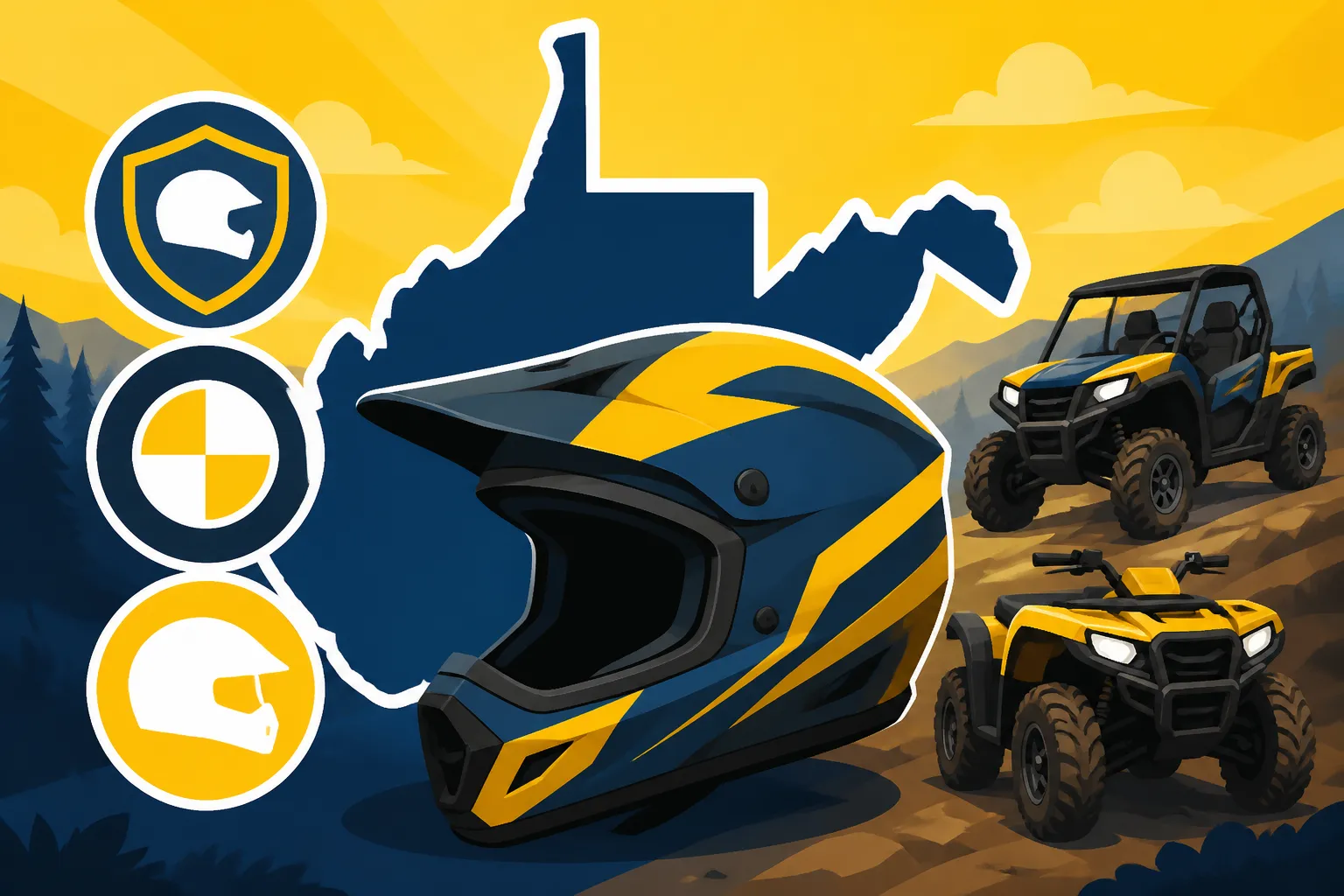
West Virginia Helmet Standards: DOT, Snell and ANSI
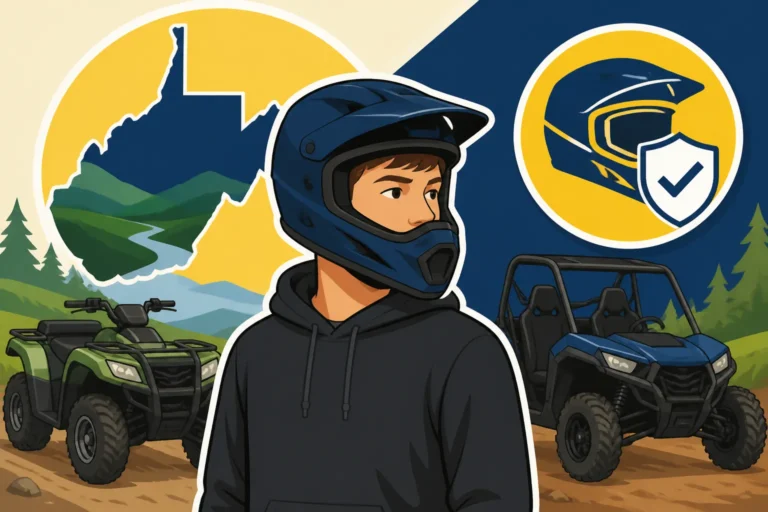
Riding the trails and country roads of West Virginia on your ATV or UTV is an exhilarating experience, but it comes with real risks. One of the most critical decisions you'll make for your safety, and often a legal requirement, is choosing and wearing the right helmet. This guide will cut through the confusion about West Virginia's helmet laws, delve into what DOT, Snell, and ANSI certifications actually mean, and help you pick a lid that keeps you safe and compliant on every adventure.
Why Helmets Matter in West Virginia Off-Road Riding
The mountains and hollows of West Virginia offer some of the most beautiful and challenging riding in the country, from the expansive Hatfield-McCoy Trails to quiet backroads. But with every twist of the throttle, you're embracing an element of risk. Helmets aren't just a piece of gear; they're your primary defense against serious injury, protecting the most vital part of your body.
The Unpredictable Nature of Off-Road Riding
Unlike cruising on a smooth highway, off-road riding throws constant surprises your way. You might encounter hidden rocks, unexpected ruts, slippery mud patches, or sudden changes in terrain that can throw you off balance in an instant. Even experienced riders can misjudge a turn or hit an unseen obstacle. A minor tumble can quickly escalate into a serious head injury if you're not properly protected. It's not about if you'll take a spill, but when, and being prepared for that moment is paramount. The very nature of exploring rugged landscapes means constant interaction with potential hazards, making robust head protection non-negotiable for anyone who values their well-being.
Protecting Against the Unseen
While we often think of helmets protecting against direct impacts in a crash, their role goes far beyond that. They shield your face from flying debris – kicked-up rocks, branches, or even mud flung by other riders. They offer crucial protection from harsh weather, keeping rain, wind, and sun out of your eyes and off your face, which can otherwise impair your vision and reaction time. Think about riding through a dense thicket; a low-hanging branch that might just scrape your shoulder could deliver a devastating blow to an unprotected head. [Eye Protection That Meets West Virginia Rules] is another piece of the puzzle, often integrated with or worn in conjunction with your helmet, protecting against those smaller, yet equally dangerous, flying hazards.
Beyond the Law: Your Personal Safety
While West Virginia has specific laws regarding helmet use, especially for younger riders and on public roads, adhering to these rules is just the starting point. Many seasoned riders choose to wear a helmet even when not legally required, understanding the inherent dangers of the sport. It's a personal commitment to safety, ensuring that you can continue to enjoy your passion for years to come. No amount of adrenaline is worth the potential for a life-altering brain injury. Prioritizing a quality helmet means you're not just avoiding a ticket; you're safeguarding your future ability to hit the trails with confidence and peace of mind.
Understanding West Virginia's Legal Helmet Requirements
Navigating the rules and regulations for ATV and UTV use in West Virginia can sometimes feel like traversing a particularly tricky trail. When it comes to helmets, the laws are in place for a good reason: to keep riders safe. It's crucial to understand not just that helmets are required, but who needs to wear one and when. This knowledge protects you legally and, more importantly, physically.
Who Must Wear a Helmet?
West Virginia law is quite clear, particularly concerning younger riders. [West Virginia Helmet Rules for Riders Under 18] state that any person under the age of 18 operating or riding as a passenger on an ATV or UTV must wear a securely fastened protective helmet. This applies across the board, whether you're on a designated trail system like Hatfield-McCoy, riding on private land with permission, or legally traversing a public road. For adults, the rules shift depending on the specific riding environment. While generally, riders 18 and older are not mandated to wear a helmet on private land, the moment you hit public roads or permitted trail systems, the requirements often change. For instance, [Do Adults Need Helmets in West Virginia?] on public roads for certain machine types, especially if they are classified as Special Purpose Vehicles (SPVs), is a common question, and the answer is yes, often regardless of age.
It's also important to remember that these state laws are minimums. Private trail systems or land owners can (and often do) impose stricter helmet requirements for all riders, regardless of age. Always check the specific rules of the location where you plan to ride. On the Hatfield-McCoy Trails, for example, all riders, regardless of age, are strongly encouraged to wear a helmet and eye protection at all times, even if state law might technically allow an adult to ride without one in certain limited circumstances. This guidance from trail authorities underscores the inherent safety benefits.
When is a Helmet Required?
The "when" of helmet use in West Virginia largely hinges on where you're riding. If you're under 18, the answer is always. For adults, it gets a bit more nuanced. Anytime you operate an ATV or UTV on a public road or highway, regardless of whether it's an approved cross-over section or a street-legal SPV, a helmet is legally required for all occupants. This includes those small stretches of pavement connecting trails or designated routes through trail towns. [Equipment West Virginia Requires on a Road Ride] for an ATV or UTV extends beyond just helmets and includes other safety gear like lighting and mirrors, reinforcing the state's commitment to safety when these machines share public thoroughfares.
Furthermore, most managed trail systems in West Virginia, including the extensive Hatfield-McCoy Trails, require helmets for all riders, regardless of age. These rules are usually part of the permit agreement you sign and are strictly enforced by trail rangers. Riding a side-by-side that has a roll cage and seatbelts might give a false sense of security, but the impact forces in an off-road accident can still be severe enough to cause head trauma, even if you remain inside the vehicle. Always assume a helmet is required unless you are absolutely certain of an exception that applies to you, your age, and your riding location. [Helmet Requirements on West Virginia Trails] are non-negotiable for a reason – they save lives and prevent devastating injuries on challenging terrain.
Penalties for Riding Without a Compliant Helmet
Ignoring West Virginia's helmet laws can lead to more than just a stern talking-to. Law enforcement and trail rangers are empowered to issue citations for non-compliance. These penalties can include fines, which can quickly add up, especially if combined with other infractions. For instance, [Fines for Riding Hatfield-McCoy Without a Permit] or without proper safety gear can significantly impact your riding budget. Beyond monetary penalties, repeat offenses or riding without a helmet in particularly egregious situations could potentially lead to your riding privileges being suspended or even your machine being impounded, though these are typically for more serious violations.
The most severe "penalty," however, isn't a legal one but a personal one: the risk of catastrophic injury. A helmet is a relatively inexpensive piece of equipment compared to the cost of medical bills, rehabilitation, or the lifelong consequences of a traumatic brain injury. No matter how short the ride, or how familiar the terrain, omitting your helmet puts your life on the line. Ensuring your helmet is not just present but compliant with standards like DOT (which we'll discuss next) is also key, as a non-compliant or damaged helmet might be considered as not wearing one at all by an officer or during an incident review.
Decoding Helmet Certifications: DOT, Snell, and ANSI
When you're shopping for an ATV or UTV helmet, you'll inevitably encounter various acronyms like DOT, Snell, and sometimes ANSI. These aren't just fancy labels; they represent different standards of safety and testing that a helmet has undergone. Understanding what each means is crucial for making an informed decision about your head protection, especially given West Virginia's emphasis on compliant helmets.
DOT: The Mandatory Minimum Standard
The "DOT" label on a helmet signifies that it meets the minimum safety standards set by the U.S. Department of Transportation, specifically Federal Motor Vehicle Safety Standard (FMVSS) 218. This is the mandatory legal minimum for any helmet used on public roads in the United States, including those instances where West Virginia law requires a helmet for ATV or UTV operation on public roadways. When you see a DOT sticker, it means the manufacturer self-certified that their helmet can withstand certain impact forces, resist penetration, and has a chin strap that won't stretch too much under load.
It's important to understand that DOT certification is a self-certification process. Manufacturers test their helmets in-house and declare them compliant. The DOT does conduct random spot-checks and audits, but it doesn't individually test every helmet model before it hits the market. This standard is designed to ensure a basic level of protection for riders, focusing on managing impact energy and preventing skull fractures. While it's the minimum, a DOT-certified helmet is infinitely better than no helmet at all and is the baseline you should always look for. Many helmets, even those from reputable brands like those sometimes found through retailers like SuperATV, will proudly display their DOT certification.
Snell: The Voluntary, Higher Standard
The Snell Memorial Foundation is a non-profit organization dedicated to helmet safety. Unlike DOT, Snell certification is voluntary and goes above and beyond the minimum DOT requirements. Snell develops its own, more rigorous testing standards and then independently tests helmets to ensure they meet these higher benchmarks. These tests typically involve multiple impacts to the same spot, impacts with sharper objects, and more stringent chin strap strength tests. A helmet that passes Snell's often updated standards (e.g., Snell M2020) offers a higher level of protection, particularly against repeated impacts and impacts from varying angles.
Choosing a Snell-certified helmet means you're investing in protection that has been scrutinized by an independent third party against more aggressive criteria. While a Snell-certified helmet will always also meet or exceed DOT standards, the reverse is not true. Many serious off-road riders, racers, and those who prioritize maximum protection opt for Snell-certified helmets because of this enhanced safety assurance. While not legally required by West Virginia for ATV/UTV use, a Snell-certified helmet provides a greater margin of safety for the unpredictable nature of trail riding. It's often the preferred choice for those who push their machines and themselves to the limits.
ANSI: A Broader Safety Standard
The American National Standards Institute (ANSI) is a private, non-profit organization that oversees the development of voluntary consensus standards for products, services, processes, systems, and personnel in the United States. When it comes to helmets, ANSI doesn't certify individual helmet models in the same way DOT or Snell do. Instead, ANSI accredits standards-developing organizations and helps ensure that the processes used to create those standards are fair and open. For example, standards for industrial safety helmets (like hard hats) or certain types of eye protection might be developed under an ANSI-accredited process.
For ATV/UTV helmets specifically, you'll primarily be looking for DOT and Snell certifications. However, ANSI standards might indirectly play a role in components of the helmet or other related gear. For instance, the safety standards for the goggles or face shields you wear with your helmet might be developed under an ANSI-accredited process (e.g., ANSI Z87.1 for eye and face protection). While a helmet won't typically carry an "ANSI-certified" label for its overall impact protection, understanding ANSI's role as a broad facilitator of safety standards helps to recognize the layers of protection and regulation in various safety equipment, including those accessories you might buy from a vendor like SuperATV to complement your helmet.
| Certification | Type of Standard | Issuing Body | Primary Focus | Test Rigor | Legal Requirement for WV ATV/UTV |
|---|---|---|---|---|---|
| DOT (FMVSS 218) | Mandatory Minimum | U.S. Department of Transportation | Impact attenuation, penetration resistance, chin strap strength | Basic | Yes, for public road use (all ages); for riders under 18 (all locations) |
| Snell (e.g., M2020) | Voluntary, Higher | Snell Memorial Foundation | Multiple impacts, localized impacts, varying angles | Very High | No, but exceeds DOT and offers superior protection |
| ANSI | Broad Accreditation | American National Standards Institute | Facilitates and accredits standards development across industries | Varies by specific standard | Not a direct helmet certification; often for related gear (e.g., eye protection) |
Choosing the Right Helmet for West Virginia Riding
With the legal requirements and certification standards now clearer, the next step is actually picking out a helmet that's perfect for your West Virginia adventures. It's not just about compliance; it's about comfort, visibility, and features that enhance your riding experience while keeping you safe.
Open Face Versus Full Face Helmets
When you start looking at off-road helmets, you'll primarily find two main types: open face and full face. Each has its pros and cons, and the best choice often comes down to your riding style, the terrain, and your personal comfort level.
-
Open Face Helmets (3/4 helmets): These helmets cover the top, back, and sides of your head, but leave your face exposed. They are generally lighter and offer a wider field of vision, which some riders prefer, especially in hot weather or when they need to communicate easily. However, they provide minimal protection for your chin and face against impacts, flying debris, or branches. If you choose an open-face helmet, wearing robust [Eye Protection That Meets West Virginia Rules] (like goggles or safety glasses) is absolutely essential to shield your eyes from dust, bugs, and other trail hazards. They might be adequate for very casual, slow-speed riding on smooth terrain, but for anything more adventurous, the lack of facial protection is a significant drawback.
-
Full Face Helmets: These are the most common and highly recommended type of helmet for ATV and UTV riding in West Virginia. They encapsulate your entire head, including a chin bar that extends to protect your jaw and face. This design offers superior protection against impacts from all angles, as well as against roost, branches, and weather. Full-face helmets come in various styles, including those specifically designed for off-road use with an extended visor (peak) to block sun and deflect roost, and a larger eyeport to accommodate goggles. While they can feel warmer than open-face helmets, modern designs feature excellent ventilation to keep you cool. For the varied and often challenging terrain of West Virginia, a full-face helmet, especially one designed for off-road use, provides the most comprehensive safety.
Comfort and Fit: More Than Just Size
A helmet can have all the certifications in the world, but if it doesn't fit properly, it won't protect you effectively, and it will be incredibly uncomfortable. A helmet that's too loose can shift during an impact, failing to absorb energy correctly, or even fly off. One that's too tight can cause headaches, pressure points, and reduce your focus on the trail.
The key to proper fit is a snug, but not painful, feel. When you put on a helmet, it should feel uniform pressure around your entire head. It shouldn't easily rotate side to side or front to back. To test the fit, fasten the chin strap and try to move the helmet around on your head. If your scalp moves with the helmet and it doesn't slide independently, you're likely close to a good fit. Check for any pressure points, especially on your forehead or temples, which can become unbearable during a long ride. The cheek pads should press firmly against your cheeks without biting. If possible, try on several sizes and brands, as fit varies significantly between manufacturers. Don't compromise on fit for aesthetic reasons or price; your safety depends on it.
Features to Look for in an Off-Road Helmet
Beyond the basic type and fit, modern off-road helmets offer a host of features that can improve both safety and comfort on the trails of West Virginia.
- Ventilation: Riding in the summer heat or during strenuous climbs can get sweaty. Look for helmets with multiple intake and exhaust vents to promote airflow and keep your head cool. Good ventilation also helps to reduce fogging if your helmet has a built-in face shield.
- Weight: A lighter helmet can reduce neck fatigue on long rides. Modern materials like fiberglass, carbon fiber, and advanced composites help keep weight down while maintaining structural integrity.
- Visor/Peak: Off-road helmets typically feature an extended peak or visor to shield your eyes from the sun and deflect mud or roost kicked up by other riders. Ensure it's adjustable or easily removable for cleaning.
- Removable, Washable Liner: After a dusty or muddy ride, being able to remove and wash the helmet's interior liner is a huge plus for hygiene and comfort.
- Goggle Compatibility: If you're using a full-face off-road helmet without an integrated face shield, ensure the eyeport is large enough and shaped correctly to comfortably accommodate your preferred goggles. Brands like SuperATV often offer helmets and goggles designed to work seamlessly together.
- Emergency Release System: Some higher-end helmets feature emergency release cheek pads, which allow first responders to remove the helmet more easily and safely after an accident, minimizing potential spinal injury.
- Chin Strap: Double D-ring straps are the most secure and are standard on most off-road helmets. Ensure it's easy to fasten and unfasten, even with gloves on.
Considering these features will help you select a helmet that not only meets West Virginia's requirements but also enhances your overall riding experience and confidence.
Maintaining and Replacing Your ATV/UTV Helmet
A helmet is an investment in your safety, and like any critical piece of gear, it requires proper care and attention. Neglecting your helmet can compromise its protective capabilities, leaving you vulnerable on the trails. Knowing how to maintain it and when to replace it is just as important as choosing the right one in the first place.
Regular Cleaning and Inspection
After every ride, especially if you've been through mud, dust, or rain, your helmet deserves a little attention. Start by wiping down the exterior shell with a soft, damp cloth and mild soap (like dish soap). Avoid harsh chemicals or abrasive cleaners, as these can damage the helmet's finish or compromise the integrity of the shell materials. If your helmet has a removable liner, take it out and hand wash it with mild soap and warm water, then allow it to air dry completely before reinserting. This keeps your helmet smelling fresh and prevents bacterial buildup.
Beyond cleaning, a thorough inspection is crucial. Look for any cracks, dents, or deep scratches on the outer shell, which could indicate compromised structural integrity. Check the chin strap for fraying, tears, or any signs of wear that could weaken its ability to stay securely fastened. Examine the visor or face shield for excessive scratches that might impair your vision; replacement visors are often available. Also, feel the interior padding; it should still be firm and supportive. If any part of the helmet looks damaged or worn out, it's a sign it might be time for a replacement. [Do You Need Paperwork on the Trail in West Virginia?] might not apply directly to your helmet, but carrying an updated trail permit and knowing your machine's documentation is similar to keeping your safety gear in top shape – it's about being prepared and compliant.
When to Replace Your Helmet
Even the best-cared-for helmet won't last forever. There are a few key scenarios that absolutely necessitate helmet replacement:
- After an Impact: This is the most critical rule. If your helmet takes any significant impact, whether in a crash, a fall, or even if it's dropped hard onto a concrete surface, it must be replaced immediately. The helmet's protective foam (EPS liner) is designed to crush and absorb energy during an impact, and this process is a one-time deal. Even if there are no visible signs of damage, the internal structure could be compromised, rendering it ineffective in a subsequent crash. This isn't just a recommendation; it's a non-negotiable safety imperative.
- Age: Over time, the materials in a helmet — especially the resins in the shell, the EPS foam, and the glues that hold it all together — degrade due to exposure to UV light, sweat, chemicals (like fuel vapors), and general wear and tear. Most manufacturers recommend replacing helmets every 3 to 5 years from the date of manufacture (often stamped inside the helmet) or 5 years from the date of first use, whichever comes first. Even if it looks fine on the outside, its ability to absorb energy diminishes with age.
- Wear and Tear: If the chin strap is frayed, the D-rings are bent, the padding is severely compressed and no longer provides a snug fit, or the shell shows significant cracking or delamination, it's time for a new helmet. A helmet that doesn't fit securely or has visible structural issues won't perform when you need it most.
Proper Storage and Care
How you store your helmet can significantly impact its lifespan and effectiveness. Never store your helmet in direct sunlight or in extreme temperatures, such as inside a hot car trunk or exposed to freezing conditions for extended periods. These conditions can accelerate the degradation of materials. A cool, dry place away from direct sunlight is ideal. Avoid hanging your helmet by the chin strap or leaving it balanced precariously where it could fall and suffer an unseen impact.
When transporting your helmet, use a helmet bag to protect it from scratches and minor bumps. Don't throw your gloves, keys, or other items inside the helmet; they can scratch the liner or interior. Treating your helmet with respect in storage and transport ensures that when you strap it on for your next ride through West Virginia, it's in the best possible condition to protect you. Even simple acts like regularly checking your [West Virginia ATV Title Application at the DMV] details or maintaining your machine's mechanicals for safety parallel the importance of proper helmet care – it's all part of responsible riding.
Consequences of Non-Compliance
Riding without a helmet when legally required, or using a helmet that doesn't meet the necessary standards, carries several potential negative consequences. These range from immediate legal troubles to far more serious long-term impacts on your health and finances. Understanding these risks should solidify your commitment to always wearing appropriate head protection.
Legal Fines and Citations
The most immediate consequence of non-compliance in West Virginia is facing legal penalties. Law enforcement officers, whether local police, county sheriffs, or even DNR officers on state-managed trails, have the authority to issue citations for helmet violations. For example, if you're riding an ATV on a public road where [West Virginia's 10-Mile, 25 mph Road Rule] applies, and you or a passenger under 18 isn't wearing a DOT-compliant helmet, you could be pulled over and fined. The cost of these fines can vary, but they are an unnecessary expense that could easily be avoided by simply wearing the correct gear.
Beyond just fines, repeated violations or more serious infractions could lead to other legal headaches. While less common for a first-time helmet offense, consistent disregard for safety regulations could contribute to a record that might impact your ability to ride on certain public lands or lead to stricter enforcement actions in the future. [West Virginia Penalties for an Untitled ATV] or other equipment violations can often accompany helmet citations, piling on the financial and legal burden. It's simply not worth the risk.
Increased Risk of Serious Injury
This is, by far, the most critical consequence of riding without a proper helmet. Helmets are designed to absorb and dissipate the energy from an impact, protecting your brain from trauma. Without one, even a seemingly minor fall can result in severe, life-altering injuries such such as concussions, skull fractures, brain hemorrhages, or even death. Off-road environments are inherently risky, with numerous opportunities for falls, collisions with trees or rocks, or impacts from other vehicles.
The human skull and brain are incredibly fragile compared to the forces involved in an ATV or UTV accident. The protective layers of a helmet are engineered over decades of research to manage these forces. Choosing to ride without a helmet is a gamble with your life and long-term well-being. No thrill or perceived convenience is worth the potential for permanent brain damage, paralysis, or worse. This risk extends to passengers as well, especially children, whose developing brains are even more vulnerable to impact injuries.
Impact on Insurance Claims
Should you be involved in an accident while riding an ATV or UTV in West Virginia, not wearing a legally required helmet could have significant repercussions on any insurance claims you file. Insurance companies often look for any factors that contribute to an injury or incident. If you were found to be in violation of West a Virginia law, such as the helmet requirement, your insurance provider might argue that your injuries were exacerbated by your non-compliance. This could lead to a reduction or even denial of medical coverage, personal injury claims, or other benefits.
For example, if you sustain a head injury in an accident and weren't wearing a helmet when the law clearly stated you should have been, the insurance company might not cover the full extent of your medical bills or lost wages. This could leave you, or your family, facing immense financial strain on top of the physical and emotional toll of the injury. When considering [West Virginia ATV Insurance Cost in West Virginia] or any policy, remember that complying with safety regulations like helmet use is a condition of coverage, ensuring that your policy actually works for you when you need it most. Protect your head, and protect your financial future.
Disclaimer
This article is for general informational purposes only and does not constitute professional advice. Laws, prices and regulations vary by location and change over time. Consult a qualified professional for guidance on your specific situation.