Supervising a Young Rider on a West Virginia Road Section
It's a really exciting moment when your child is old enough and skilled enough to join you on a West Virginia road section on their own ATV or UTV. But let's be real – that excitement often comes with a big helping of parental worry. Public roads, even for short stretches, introduce a whole new layer of risk and rules, especially when you've got a young rider in tow. This guide is all about helping you understand West Virginia's specific requirements for supervising young riders on these paved stretches, and how to do it safely and confidently, so those road connections are just another part of the adventure, not a source of stress. We'll cover everything from the legal age requirements to practical tips for riding together, ensuring everyone stays safe and compliant.
Understanding West Virginia's Rules for Young Riders on Roads
Navigating West Virginia's ATV and UTV rules can sometimes feel like trying to untangle a stubborn winch cable, especially when you add young riders and public roads into the mix. It's not just about what makes sense; it's about what the law specifically dictates. Getting this right is crucial, not only for safety but also to avoid potential fines or even having your ride cut short by a friendly (but firm) sheriff's deputy.
The Minimum Age for Road Riding
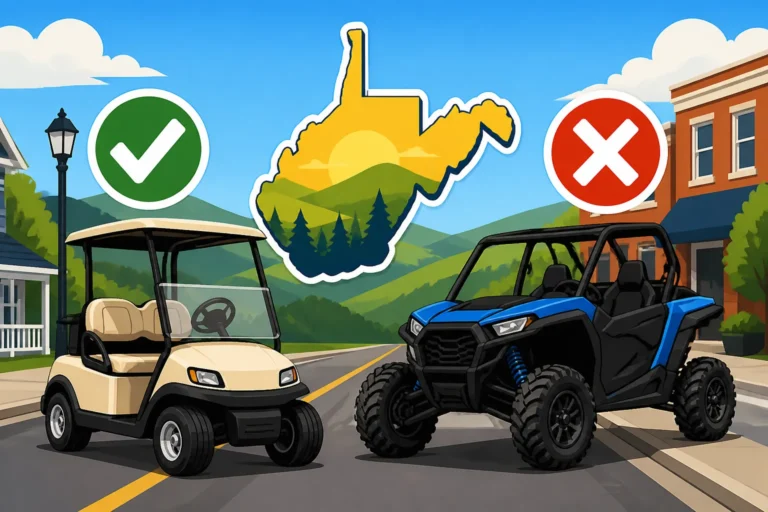
Here’s where a lot of parents get a little confused, and understandably so. West Virginia has different age requirements for riding on trails versus riding on designated road sections. For a young rider to operate an ATV or UTV on any public road or highway where ATV use is permitted, they generally need to be at least 16 years old and possess a valid driver's license. This isn't just a suggestion; it's a legal requirement. Unlike the Hatfield-McCoy Trails, where younger riders might be allowed under strict supervision on age-appropriate machines, the rules for public roads are much tighter.
Think about it from the state's perspective: roads involve other vehicles, higher speeds, and complex traffic situations. It’s a completely different environment than a controlled trail system. A child simply doesn't have the experience, peripheral vision, or judgment to safely react to unexpected road hazards like a speeding car, a distracted driver, or a sudden obstacle in the lane. So, while it might be tempting to let your capable 14-year-old ride their machine the mile down the road to connect to the next trail, it's strictly against the law if they don't have that driver's license. For a deeper dive into general age rules, you might want to read [West Virginia ATV Road Riding Age Minimum].
Defining "Direct Supervision"
The term "direct supervision" pops up a lot in ATV regulations, but what does it really mean when you're talking about road sections, especially with the age requirements we just discussed? If your child is under 16 and doesn't have a driver's license, the general rule is they cannot operate an ATV or UTV on a public road in West Virginia, even with an adult riding right beside them. The "direct supervision" rule primarily applies to designated off-road trails, where a licensed adult can supervise a younger rider who might not meet the age requirement for a driver's license.
However, if your child is 16 or older and does have a valid driver's license, then they are legally permitted to operate their own machine on approved road sections. In this scenario, your "supervision" shifts from a legal requirement to a parental guidance role. You're still there to offer advice, set the pace, and ensure they're making good decisions, but you're not legally required to be right next to them in the same way you might be on a closed trail. It's more about fostering safe riding habits and ensuring they understand the nuances of sharing the road. Understanding these distinct applications of "supervision" is key to staying out of trouble.
Road Types and Restrictions for Youth Riders
West Virginia isn't a free-for-all when it comes to riding ATVs and UTVs on public roads. There are very specific rules about which roads are permissible and how you can ride them. For instance, many smaller county routes or designated "trail connector" roads within trail towns allow ATV/UTV access, but interstates, major highways, and often state primary routes are strictly off-limits. Even on permitted roads, there are speed limits (often capped at 25 mph) and distance limits (like the 10-mile rule for crossing over to another trail system, or the 20-mile centerline limit for street-legal SPVs).
When you have a young rider (who meets the age and license requirements) with you, these restrictions become even more critical to emphasize. They need to understand that a permitted road might suddenly transition into a prohibited one, or that the speed limit they're used to on the trail is drastically reduced on pavement. Education is paramount here. Before you even head out, map your route carefully, identify all permitted road sections, and talk through the rules with your young rider. This is where pre-ride briefings really shine, setting clear expectations for everyone involved, especially for less experienced operators. You can learn more about specific road rules by looking into [West Virginia's 10-Mile, 25 mph Road Rule] and [West Virginia's 20-Mile Centerline Limit for Street-Legal Machines].
Practical Supervision Strategies for Road Sections
Once you've wrapped your head around the legalities, the next step is putting practical, real-world supervision into action. It's one thing to know the rules, and another to execute a safe and smooth transition from trail to road, especially with younger riders. My experience tells me that proactive communication and strategic positioning make all the difference, turning potential stress points into manageable parts of your adventure.
Pre-Ride Briefings and Communication
Before any wheel even touches pavement, a comprehensive pre-ride briefing with your young rider is non-negotiable. This isn't just about reviewing the rules; it's about setting the expectation and establishing a clear communication plan. Talk about the specific road sections you'll be using: how long they are, what the speed limits are, what kind of traffic to expect, and any unique hazards like blind curves or dips. Discuss hand signals or helmet communication systems if you're using them. A simple tap on the helmet could mean "slow down," or a raised hand could signal "stop."
Encourage your child to vocalize any concerns they have. "What happens if a car comes up too fast?" is a valid question that deserves a clear answer. Reassure them that you're there to guide them, and that staying safe is the absolute priority. This proactive approach builds confidence and reinforces their understanding of the responsibility that comes with riding on public roads. It's also a great time to check in on their machine, ensuring everything is in working order and they understand its capabilities.
Positioning on the Road Section
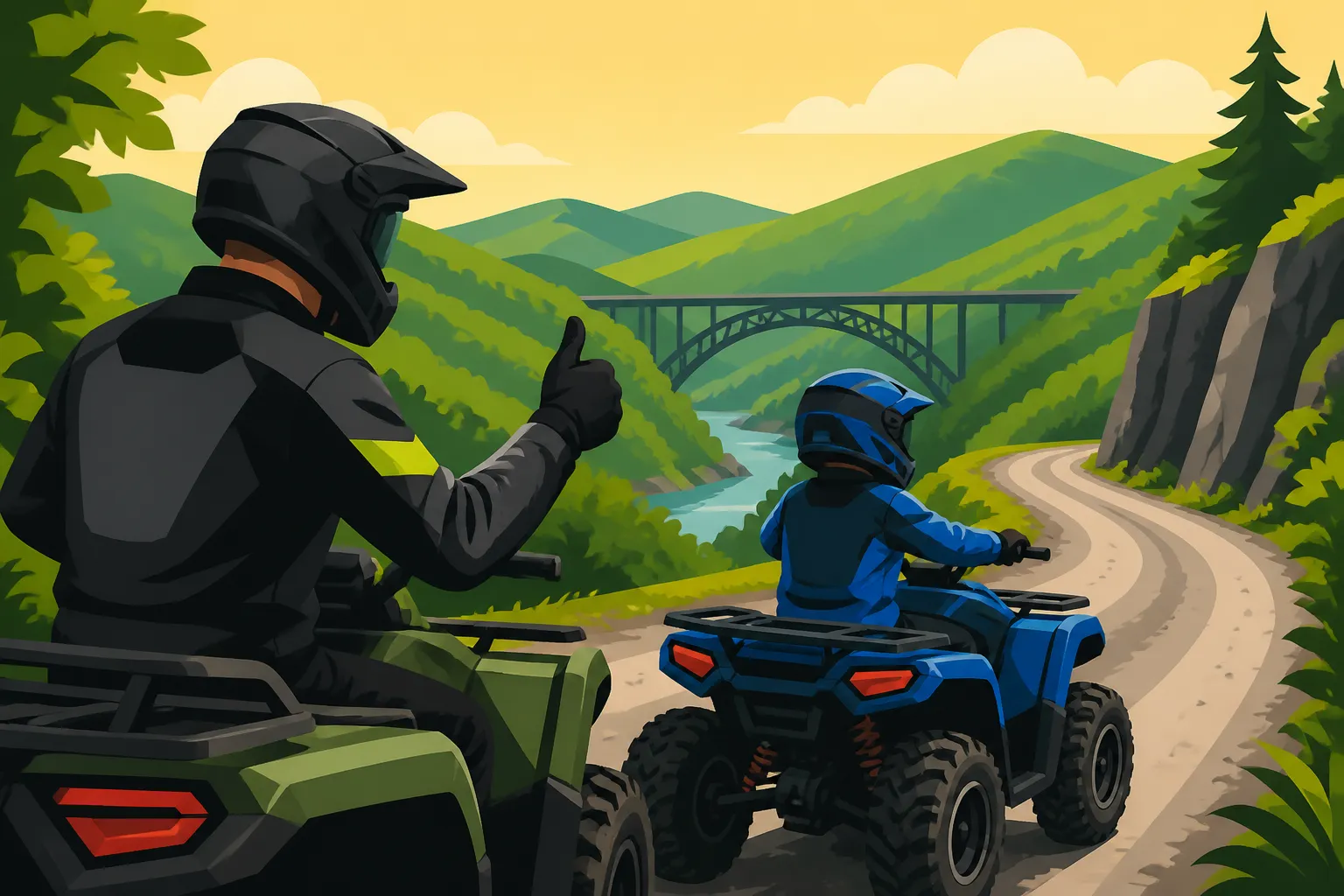
How you position yourselves as a group on the road is vital for safety, especially with a less experienced rider. Generally, the most experienced adult should lead, setting a controlled pace and acting as a scout for upcoming traffic or hazards. The young rider should ideally be positioned directly behind the lead adult, allowing them to follow a clear path and react to the leader's signals. Another experienced adult can bring up the rear, providing a buffer and monitoring traffic approaching from behind.
This formation creates a protective bubble around the young rider. The lead rider absorbs the initial shock of any unexpected situation, while the tail rider can alert others to rear traffic. Maintain a safe following distance that allows ample braking time, but not so far that communication becomes difficult or the young rider feels isolated. On narrow roads, sticking to the far right side is always the safest bet, yielding to any oncoming vehicle. It’s also crucial that your young rider knows to maintain this position and not to weave or deviate, even if they feel confident. Consistency is safety on public roads.
Managing Group Dynamics with Young Riders
When you're riding with a larger group that includes young riders on road sections, managing the dynamics becomes even more important. It's easy for excitement to lead to competitive riding, which is dangerous on pavement. As the supervising adult, you need to be the firm voice of reason. Clearly designate who leads and who sweeps, and ensure everyone understands the no-passing rule on road sections. Young riders, in particular, should not be pressured to keep up with faster adults or to push their comfort zone.
Encourage a "follow the leader" mentality, where the pace is set by the slowest, least experienced rider in the group. This isn't a race; it's a safe transit between trailheads. If another rider in your group is pushing too fast or riding unsafely, address it immediately and firmly. Their actions could directly endanger your young rider. Remember, your primary responsibility is the safety of the children under your care. Sometimes, this means having tough conversations or even separating from a group that isn't prioritizing safety. Setting these expectations before the ride helps prevent issues once you're on the road.
Essential Gear and Safety for Young Riders
Riding on West Virginia's public roads demands a higher level of safety preparedness than even the most challenging trails. While trail riding focuses on protecting against falls and impacts with natural obstacles, road riding adds the immense danger of collision with other vehicles. For young riders, who might still be developing their judgment and reaction times, having the right gear and a properly equipped machine isn't just a recommendation; it's a life-saving necessity.
Mandatory Protective Gear
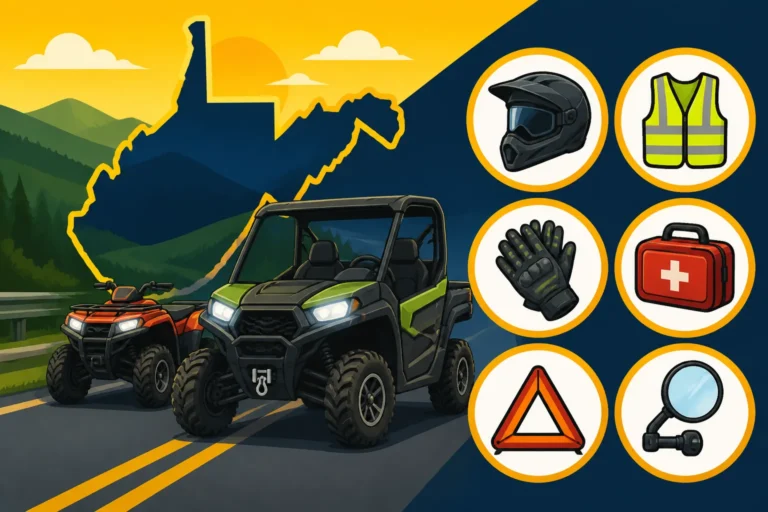
West Virginia takes helmet safety seriously, especially for younger riders. For anyone under the age of 18, wearing an approved helmet is absolutely mandatory when operating an ATV or UTV on a public road or highway. This isn't just any helmet; it needs to be DOT-approved, meaning it meets specific safety standards. Furthermore, eye protection is also required. This could be goggles that seal against the face or a face shield integrated into a full-face helmet. Dust, debris, or even a bug hitting the eye at 25 mph can cause a rider to lose control, so this is paramount.
Beyond helmets and eye protection, encourage your young rider to wear sturdy, long-sleeved shirts and pants, over-the-ankle boots, and gloves. While not always legally mandated for road sections, this full coverage provides a significant layer of protection against scrapes, cuts, and even sun exposure. It’s about minimizing risk wherever possible. Don't forget that a well-fitted helmet is key—a helmet that's too loose won't offer the protection it's designed for. For more details on what's required, check out [Helmet Rules for Riders Under 18].
Machine Checks for Youth ATVs/UTVs
Before hitting any road section, a thorough pre-ride inspection of the young rider’s machine is crucial. This goes beyond the usual trail check. You need to ensure everything is in top condition because road failures can have much more severe consequences. Check tire pressure, making sure it’s appropriate for pavement (often higher than for soft trails) and that the tires themselves aren't excessively worn or damaged. Inspect all lights – headlights, taillights, and brake lights – for proper function. These are non-negotiable for road use, especially if there's any chance of riding near dusk or dawn.
Brakes should be tested for responsiveness and feel, ensuring they can stop the machine quickly and predictably. The steering should be tight, with no excessive play. If you've added any accessories, like a SuperATV windshield, make sure it’s clean and doesn’t obstruct vision. Confirm that mirrors are properly adjusted and provide a clear view of traffic behind. This is also a good moment to remind your young rider to perform their own quick checks before each ride, instilling good habits from a young age.
Visibility on Public Roads
On public roads, visibility is king. Off-road machines, by their nature, can be less visible to other motorists than cars or trucks. This risk is amplified when you have smaller youth machines. Ensure your young rider’s ATV or UTV is equipped with bright, functioning headlights and taillights. You might even consider aftermarket additions from trusted brands like SuperATV to enhance safety, such as brighter LED lighting or reflective tape on the machine. During daylight hours, riding with headlights on (even if not strictly mandated by all local ordinances) is a smart practice.
Encourage your young rider to wear bright, contrasting colors, and consider adding reflective vests or reflective elements to their gear, especially if riding in low-light conditions. The goal is to make them as conspicuous as possible to other drivers. This means being mindful of your position in relation to larger vehicles, avoiding blind spots, and making eye contact with drivers whenever possible. Teach your child to assume that other drivers might not see them, and to always ride defensively.
Navigating Common Challenges and Legalities
Even with all the preparation and the right gear, riding on West Virginia's road sections with a young rider can present unique challenges. It’s not just about knowing the law, but also about understanding how to apply it in dynamic, real-world situations, and what the consequences are if things go awry. Being prepared for these scenarios helps maintain composure and, most importantly, keeps everyone safe.
Sharing the Road with Vehicle Traffic
This is, perhaps, the biggest challenge and source of anxiety for parents. West Virginia's trail-friendly towns are fantastic, but even in these areas, you're sharing the pavement with cars, trucks, and sometimes even coal haulers. Young riders, especially, might not have experience judging closing speeds of cars or anticipating driver behavior. Emphasize defensive riding: always assume other drivers don't see you. Teach your child to stay as far right as safely possible, especially on blind curves or hills where visibility is limited.
When approaching intersections, coach them to scan carefully, make eye contact with drivers, and never assume they have the right-of-way, even if legally they do. Practice proper turning signals, whether hand signals or activated turn signals if the machine is equipped. Remind them that a moment of hesitation or a wrong move can lead to serious consequences. If traffic is particularly heavy or fast-moving, sometimes the safest choice is to wait for a clearer window or even reroute if possible. For guidance on general road rules for ATVs, check out [West Virginia's 10-Mile, 25 mph Road Rule].
Understanding the 10-Mile/25 mph Rule
Many of the permissible road sections for ATVs in West Virginia fall under specific regulations designed to connect trails or allow access to services within trail towns. Two of the most common restrictions you'll encounter are the "10-mile limit" and the "25 mph speed cap." The 10-mile limit often refers to how far you can travel on a road to connect to another trail system. The 25 mph speed limit is a consistent cap on these designated road sections, regardless of the posted car speed limit.
It's absolutely critical that your young rider understands and adheres to these specific limits. Exceeding 25 mph, even for a short burst, not only increases the risk of an accident but also makes you an easy target for law enforcement. Explain that these rules exist to mitigate risk in a shared environment. It’s not about how fast their machine can go, but how fast it should go to be safe and compliant. Using your speedometer as a teaching tool can be very effective, helping them to consciously monitor their speed. [The 25 mph Cap on a West Virginia Road Ride] provides more detail on this crucial rule.
Consequences of Non-Compliance
Ignoring West Virginia's ATV road riding rules, especially those pertaining to young riders, can lead to a host of unpleasant consequences. The most immediate might be a traffic citation or fine from a sheriff's deputy or local police officer. These tickets aren't cheap, and they can quickly sour an otherwise enjoyable day of riding. Depending on the severity of the infraction, a machine could even be impounded. For instance, if a rider under 16 without a driver's license is caught operating an ATV on a public road, the penalties could be significant, not just for the rider but also for the supervising adult.
Beyond the legal ramifications, there's the incredibly serious risk of an accident. An ATV or UTV accident involving a motor vehicle on a public road can lead to severe injuries or fatalities, especially for a young rider. The financial burden of medical bills, property damage, and potential liability lawsuits can be catastrophic. Teaching compliance isn't just about avoiding tickets; it's about instilling a profound respect for the inherent dangers of public road riding and safeguarding your child's well-being. Discussing [West Virginia Penalties for Reckless Riding] can help drive this point home.
| Aspect of Supervision | On Designated Trails (e.g., Hatfield-McCoy) | On Permitted Public Roads |
|---|---|---|
| Minimum Age to Operate | Generally 6 years old (on appropriate machines) | Generally 16 years old with a valid driver's license |
| "Direct Supervision" | Adult must be present and actively supervising (e.g., visible, communicating) | Not applicable for operation; 16+ with license required to operate at all |
| Helmet Requirement | Mandatory for all riders under 18 | Mandatory for all riders under 18 (DOT-approved) |
| Eye Protection | Recommended for all riders | Mandatory for all riders |
| Machine Requirements | Manufacturer age/size guidelines | Lights, mirrors, brake lights, horn (for street-legal SPVs) |
| Speed Limits | Varies by trail, often implied safety limits | Max 25 mph on designated connector roads |
| Traffic Interaction | Primarily other ATVs/UTVs | Other cars, trucks, pedestrians; defensive riding crucial |
| Risk Profile | Obstacles, terrain challenges | Collisions with other vehicles, road hazards |
Disclaimer
This article is for general informational purposes only and does not constitute professional advice. Laws, prices and regulations vary by location and change over time. Consult a qualified professional for guidance on your specific situation.