Carrying a Firearm on an ATV in West Virginia
Heading out on the trails or through the backcountry on your ATV or UTV in West Virginia often brings up questions about personal safety and the right to carry a firearm. It's a common concern for many riders, especially when you're far from civilization or engaging in activities like hunting. This guide aims to clear up the confusion surrounding carrying a firearm on your machine in the Mountain State, helping you understand your rights and responsibilities so you can ride with confidence and within the bounds of the law.
Understanding West Virginia's Core Firearm Laws for ATV Riders
When you're out on your ATV, the same fundamental firearm laws that apply to you anywhere else in West Virginia generally apply. It's not a special set of rules just because you're straddling a quad or cruising in a side-by-side. The key is knowing what those underlying laws are and how they translate to being on a motorized off-road vehicle.
Constitutional Carry and Your ATV
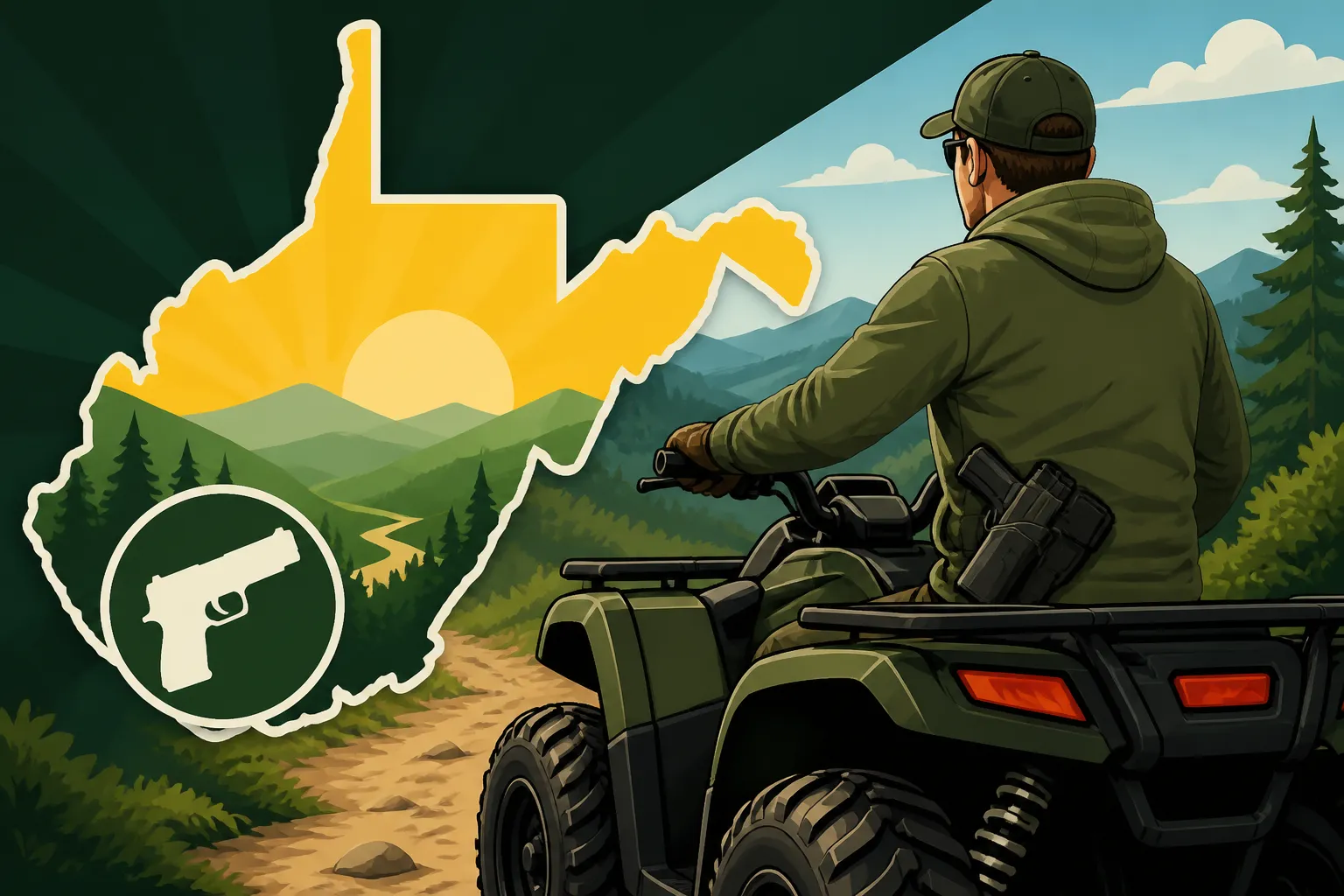
West Virginia is a "Constitutional Carry" state, which means that if you are legally allowed to possess a firearm, you generally have the right to carry it openly or concealed without a permit. This applies whether you're walking down Main Street, driving your truck, or riding your ATV. The vehicle itself doesn't negate your constitutional right to carry. However, this freedom comes with a significant responsibility to understand the nuances of the law and always prioritize safety.
What does this mean for your ATV ride? You can typically have a handgun openly holstered on your person or concealed in a pocket, pack, or even a secure compartment on your machine. For long guns, open carry is generally permissible, often mounted in a scabbard on your ATV or UTV. The important thing is that you, as the individual, are legally permitted to possess the firearm. This foundational understanding is crucial before you even consider how or where to carry it on your machine.
The Importance of Safe Storage and Transport on an ATV
While you have the right to carry, safely storing and transporting your firearm on an ATV or UTV is paramount, not just for legal compliance but for everyone's safety. Bouncing over roots, splashing through creeks, and navigating steep climbs can turn an unsecured firearm into a dangerous projectile or cause an accidental discharge. You need to consider how to keep your firearm secure, accessible if needed, and protected from the elements and trail debris.
Many riders invest in specialized mounting systems, scabbards, or locked cases designed specifically for ATVs and UTVs. A company like SuperATV, for instance, offers various gun racks and secure storage solutions that mount directly to your machine, keeping your firearm snug and stable no matter how rough the terrain gets. These accessories prevent your weapon from shifting, falling off, or getting damaged, which is a common concern when you're deep in the woods or crossing uneven ground. Remember, a firearm isn't just a tool; it's a piece of equipment that demands respect and proper handling at all times, especially in dynamic riding environments.
Prohibited Places: Where You Still Cannot Carry, Even on a Machine
Even in a constitutional carry state like West Virginia, there are places where carrying a firearm is strictly prohibited, regardless of whether you're on foot, in a car, or on your ATV. Your ATV doesn't grant you a special exemption from these "gun-free zones." These locations are typically established by federal or state law and are non-negotiable.
Common prohibited places include federal buildings (like post offices or federal courthouses), K-12 schools, colleges and universities, polling places on election days, and certain areas within courthouses. Private businesses also have the right to prohibit firearms on their premises, so always look for posted signs. If you ride your ATV into or through one of these areas, even unknowingly, you could be in violation of the law. Always be aware of your surroundings and the specific regulations that apply to any location you plan to visit or pass through. Understanding these restrictions is a key part of responsible firearm ownership and helps avoid serious legal trouble.
Navigating Specific Riding Scenarios with a Firearm on Your ATV
Riding an ATV in West Virginia involves various types of terrain and property, each with its own set of rules and considerations for carrying a firearm. It's not a one-size-fits-all situation, and understanding these distinctions is crucial for staying legal and safe.
Public Lands: Hatfield-McCoy, State Forests, and National Forests
When it comes to public lands, the rules for carrying firearms can vary significantly. On the popular Hatfield-McCoy Trails, for example, the general rules for firearm carry usually align with state law – meaning if you can legally possess a firearm, you can typically carry it on the trail system. However, the Hatfield-McCoy Trail Authority has specific rules that all riders agree to when purchasing a permit, and it's always wise to review their latest guidelines regarding firearms, especially concerning hunting or discharge. You can learn more about these guidelines in [West Virginia Trail Rules Every West Virginia Rider Signs Up To]. The primary focus on these trails is recreation, not necessarily hunting, so while carry is usually allowed, hunting from or with a loaded firearm on the machine might be restricted.
Moving to broader public lands, like West Virginia's State Forests or the vast Monongahela National Forest, firearm carry is generally allowed in accordance with state and federal law. Many people use these areas for hunting, and carrying a firearm on your ATV to access remote hunting spots is common. However, specific rules apply to hunting itself, such as restrictions on having loaded firearms in or on vehicles/ATVs outside of established hunting seasons or designated areas. For instance, you might be required to transport your rifle unloaded and cased until you reach your hunting destination. Always check the specific regulations for the particular state forest or national forest you plan to visit, especially those related to hunting from a machine or carrying loaded firearms. You can find more specific details on rules in such areas by reading [West Virginia Rules on National Forest Land] or [West Virginia State Forest OHV Trails].
Private Property and Permission
The concept of private property is critical when carrying a firearm on your ATV. While West Virginia is a constitutional carry state, your right to carry a firearm does not supersede a private landowner's right to prohibit firearms on their property. If you're riding on private land, whether it's your own, a friend's, or a commercial riding park, you must have explicit permission to be there and adhere to any rules the landowner sets regarding firearms.
Even if you have permission to ride, the landowner might have restrictions on open carry, concealed carry, or discharging a firearm. Ignoring these rules could lead to serious consequences, including being charged with trespass, and potentially firearm-related offenses. It's a matter of respect and law. Before you venture onto any private property with your ATV and a firearm, have a clear understanding of the landowner's expectations. This is particularly important if your route involves crossing various parcels of land or if you're using designated "coal haul roads" which are often on private company land, as discussed in [West Virginia Rules on Private Mine Roads]. Always assume you need permission unless it's clearly marked as public access. For more on this, check out [West Virginia Trespass Law for ATV Riders].
Road Riding and Street-Legal ATVs
The intersection of ATV road rules and firearm laws adds another layer of complexity. If you've got a street-legal ATV or UTV with a [West Virginia's Street-Legal Special Purpose Vehicle Plate], or if you're using your regular ATV on an approved section of public road (like adhering to the [West Virginia's 10-Mile, 25 mph Road Rule]), you're essentially operating a vehicle on a public roadway. In this scenario, standard vehicle and firearm transport laws apply.
While West Virginia is a constitutional carry state, the manner in which a firearm is transported in a vehicle can sometimes be subject to additional regulations. Generally, carrying a handgun, either openly or concealed, on your person while driving a street-legal ATV on a public road is permissible. Long guns, however, often have specific requirements for being unloaded and securely cased or racked. It's crucial to understand these distinctions. For example, you wouldn't want a loaded shotgun bouncing around unsecured in the bed of your UTV while you're on a public road. Accessories from providers like SuperATV that offer secure, vehicle-mounted scabbards or utility cases can be invaluable here, ensuring your firearm is both protected and legally transported when transitioning from trail to road. Always remember that when you're on a public road, you're under the watchful eye of the law, and your responsibilities increase. It's about getting [Riding Home From the Trailhead Legally] with all your gear properly secured.
Practical Considerations and Best Practices for ATV Firearm Carry
Responsible firearm ownership extends beyond knowing the law; it involves adopting best practices that ensure safety and prevent issues while enjoying your ATV. When you combine firearms with off-road riding, there are unique challenges you'll need to address.
Securing Your Firearm Against Loss and Theft
One of the biggest concerns for any rider carrying a firearm on an ATV is preventing its loss or theft. Trails are bumpy, dust is pervasive, and sometimes you need to step away from your machine. An unsecured firearm is an invitation for trouble. It could fall out, get damaged, or become an easy target for opportunistic thieves, especially if you leave your machine parked and unattended, even for a few minutes.
Investing in high-quality, secure mounting solutions is not just a recommendation; it's a necessity. Look for gun scabbards or cases that are specifically designed for ATVs or UTVs, offering robust attachment points that can withstand vibrations and impacts. Many reputable accessory brands, including SuperATV, offer a range of solutions from basic gun racks to fully enclosed, lockable cases. These cases not only protect your firearm from the elements but also make it harder for someone to quickly grab and run. When you park your machine, even for a short break, if you cannot take your firearm with you, ensure it is locked and out of sight as much as possible. A quick check before and after each segment of your ride to confirm your firearm is still securely mounted can save a lot of heartache. When considering [What to Carry on a Remote West Virginia Ride], always include security measures for firearms.
Understanding Different Types of Firearms and Relevant Rules
The type of firearm you choose to carry on your ATV can influence how you transport it and what rules might apply. Handguns, being smaller, are often carried on the rider's person, either openly in a holster or concealed. This method offers personal accessibility but requires careful attention to the holster's retention and comfort given the active nature of ATV riding. For long guns (rifles or shotguns), the primary method of carry on an ATV or UTV is typically mounted on the machine itself.
It's particularly important to understand the rules during hunting seasons. While you might be able to transport a cased and unloaded long gun to your hunting spot on your ATV, most states (including West Virginia for certain scenarios) prohibit hunting from a motorized vehicle or having a loaded long gun in or on a vehicle (including an ATV) unless specifically permitted for certain types of hunting or circumstances. Always check the current West Virginia hunting regulations for ATVs and UTVs, as these rules are regularly updated and vary by game type and season. This is especially pertinent when planning [Riding an ATV to a Hunting Camp in West Virginia].
Education and Responsibility
Ultimately, the responsibility for legal and safe firearm carry rests entirely with you, the rider. West Virginia's constitutional carry laws grant significant freedom, but that freedom demands an equally significant commitment to education and responsible behavior. It's not enough to simply know you can carry; you must understand how to do so lawfully and safely.
This means continuously educating yourself on current West Virginia firearm laws, local ordinances, and any specific regulations of the trail systems or public lands you plan to visit. Laws can change, and ignorance is rarely an acceptable defense. Beyond legal knowledge, practical training in firearm safety, handling, and marksmanship is invaluable. Treat every firearm with the respect it commands, and always follow the four fundamental rules of firearm safety. Before every ride, consider your route, the nature of the terrain, and any potential interactions, then make an informed decision about carrying a firearm and how it will be secured. Responsible riders contribute to the overall positive image of the ATV community and help preserve our rights to enjoy the outdoors.
What Happens If You Break the Rules?
Ignorance of the law is never an excuse, especially when firearms are involved. Violating firearm regulations, even inadvertently, can lead to serious consequences that could impact your freedom, finances, and future ability to own or carry firearms. It's a risk no responsible ATV rider wants to take.
Penalties for Unlawful Carry or Transport
The penalties for unlawful firearm carry or transport in West Virginia can range from misdemeanor charges to felony convictions, depending on the severity of the offense and the specific statute violated. For minor infractions, like carrying a firearm into a posted "gun-free zone" (e.g., a school or federal building), you might face fines, confiscation of the firearm, and misdemeanor charges. These can still result in a criminal record, which can affect employment, housing, and other aspects of your life.
More serious violations, such as carrying a firearm during the commission of another crime, or if you are legally prohibited from possessing a firearm (e.g., due to a past felony conviction or domestic violence restraining order), will lead to felony charges. Felony convictions carry significant prison sentences, hefty fines, and the permanent loss of your right to own or possess firearms. The key takeaway is that any violation involving a firearm is treated seriously by law enforcement and the courts. Even something as seemingly minor as reckless handling that endangers others can lead to charges like those discussed in [West Virginia Penalties for Reckless Riding].
Interaction with Law Enforcement
If you are stopped by law enforcement while carrying a firearm on your ATV, your interaction can be smoother and safer if you handle it correctly. The most important advice is to remain calm, respectful, and cooperative. When an officer approaches, you should immediately inform them that you are carrying a firearm and where it is located. Do not make any sudden movements or reach for the firearm unless instructed to do so. Keep your hands visible.
Following an officer's instructions is paramount. If they ask you to dismount your ATV, place your hands on the handlebars, or step away from your machine, comply immediately. They may ask to secure your firearm for the duration of the stop, which is a reasonable safety precaution. You have the right to ask if you are being detained and why, but do so respectfully. While West Virginia is a constitutional carry state, officers are still tasked with ensuring public safety and confirming that individuals are lawfully carrying. A calm, transparent interaction is always in your best interest and helps de-escalate any potential tension.
Firearm Carry Methods and ATV Considerations
| Carry Method | Description | ATV/UTV Considerations | Pros | Cons |
|---|---|---|---|---|
| Open Carry | Firearm visible in a holster or scabbard. | Handgun: On person (hip, chest holster). Long gun: Mounted to machine in a sturdy, open scabbard (e.g., from SuperATV). Ensure secure retention against bumps and vibrations. | Highly visible (deterrent), often easily accessible. | Exposure to elements, potential for snagging, can alarm some people. |
| Concealed Carry | Firearm hidden from ordinary observation (e.g., under clothing, in a pack). | Handgun: On person (IWB, OWB under jacket), or in a secure, quick-access compartment on the ATV/UTV. Long gun: Generally requires a fully enclosed, non-transparent case mounted to the machine. | Less visible (preferred by some), protected from elements. | Slower access, can be uncomfortable on person during active riding, potential for accidental exposure. |
| Transport in Case | Firearm secured in a closed, often locked, case or bag. | Both handguns and long guns: Fully enclosed, secured to the ATV/UTV. Ideal for longer transport, especially if unloaded or crossing areas with stricter carry laws. Can be a soft or hard case. Many SuperATV UTV cargo boxes offer secure, enclosed storage. | Maximum protection from elements/theft, usually satisfies transport laws. | Slowest access, not typically for immediate personal defense. |
Disclaimer
This article is for general informational purposes only and does not constitute professional advice. Laws, prices and regulations vary by location and change over time. Consult a qualified professional for guidance on your specific situation.