West Virginia Sheriff Patrols in Trail Towns
It's a common scene in West Virginia's vibrant trail towns: you're enjoying a fantastic day on your ATV or UTV, soaking in the sights, maybe heading to grab a bite to eat, and then you see it—a county sheriff's patrol vehicle. That little flutter of anxiety is totally normal; nobody wants to cut their ride short with a citation. This guide is here to shed some light on what to expect from law enforcement in these unique communities, helping you understand their role and how to ensure your ride stays fun and compliant.
Understanding West Virginia's Unique Trail Town Environment
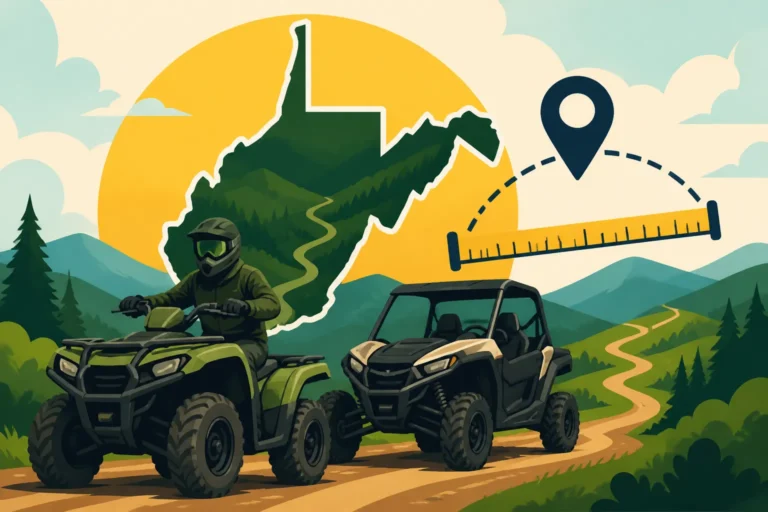
West Virginia has truly embraced the off-road community, creating a network of trail towns where ATVs and UTVs are not just tolerated, but welcomed. These towns, often nestled right beside the famed Hatfield-McCoy Trails, offer direct access to hundreds of miles of riding, along with amenities like lodging, restaurants, and gas stations that cater specifically to riders. It's a fantastic setup that has revitalized many communities, but it also creates a unique enforcement challenge for local law enforcement.
The Allure and the Rules of ATV-Friendly Towns
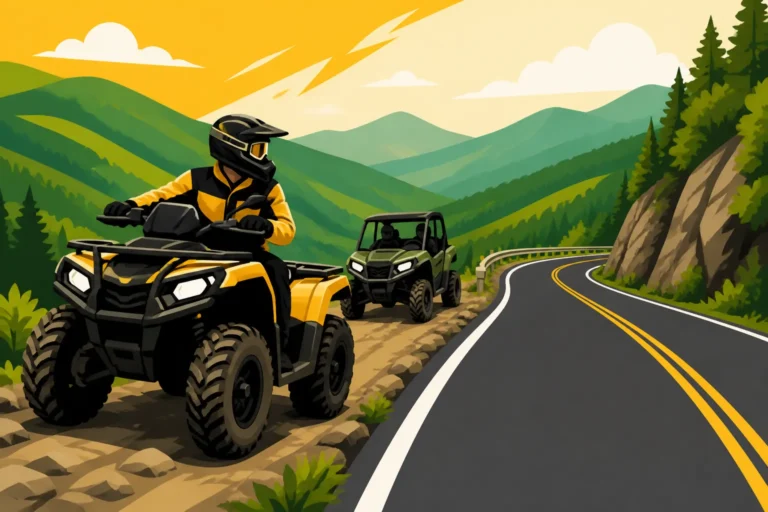
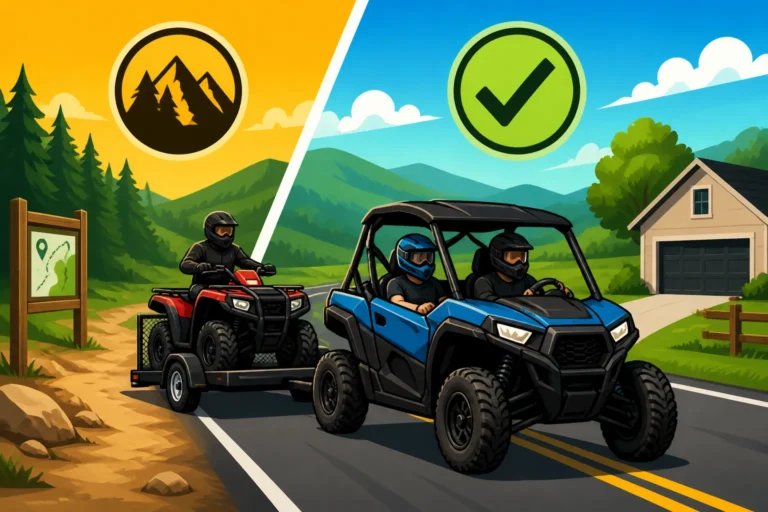
The appeal of a trail town is undeniable: you can literally ride your machine from the trailhead, through town, to your cabin, and even to a restaurant for dinner. This convenience is a huge part of what makes West Virginia such a premier destination for off-road enthusiasts. However, it's crucial to remember that "ATV-friendly" doesn't mean "anything goes." When you're on public roads within these towns, even designated ATV routes, you're transitioning from trail rules to road rules. This blending of environments means riders need to be doubly aware of their surroundings and the specific laws that apply. These towns thrive on good behavior from riders, and a few bad apples can sour the experience for everyone.
Who Oversees Safety and Enforcement?
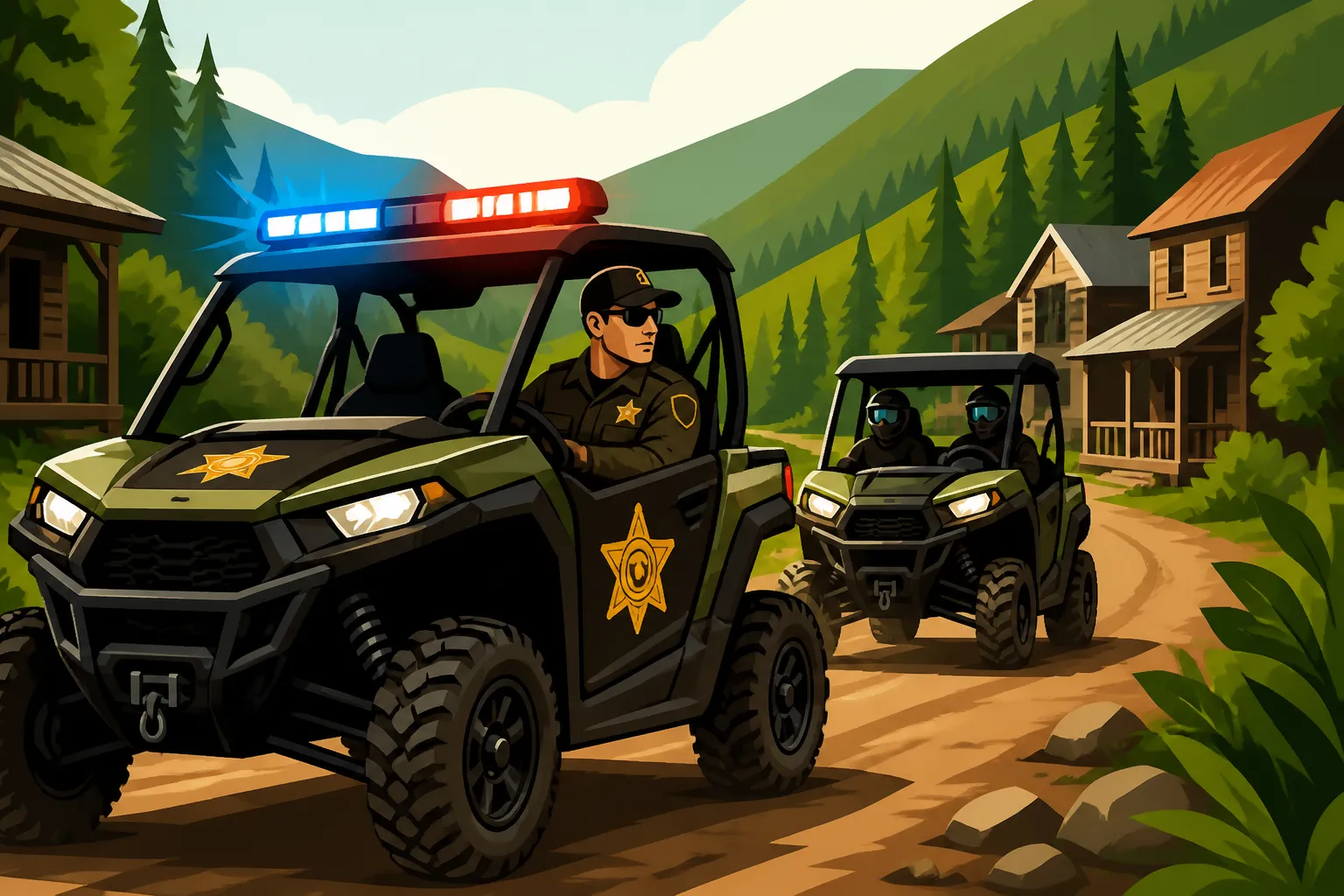
In West Virginia's trail towns, safety and enforcement are a shared responsibility, but the county sheriff's department often plays a primary role. While you might also see local city police in larger municipalities or West Virginia State Police on main highways, the sheriff's deputies typically cover the broader county areas, including many of the smaller, more remote trail towns and the roads connecting them to trailheads. Their job isn't just to catch lawbreakers; it's also to ensure public safety for both residents and visitors, keep traffic flowing, and respond to emergencies. They are the frontline for enforcing everything from trail permit rules to traffic laws on shared roads. If you're wondering about the specifics, we have more detailed information in our article [West Virginia Sheriff Patrols in Trail Towns].
Common Infractions West Virginia Sheriffs Look For
When a sheriff's deputy pulls over an ATV or UTV in a West Virginia trail town, they're not usually just doing it to be a nuisance. They're looking for specific behaviors or equipment violations that compromise safety or break the law. Understanding these common infractions can help you avoid an unpleasant encounter and keep your ride on track.
Road Riding Violations
The most frequent issues arise when ATVs and UTVs transition from the dirt trails to paved public roads. Speeding is a major concern. Many trail towns have posted speed limits, often as low as 25 mph, and it's easy for riders, especially those used to open trails, to exceed these limits. West Virginia law also has specific provisions like [West Virginia's 10-Mile, 25 mph Road Rule] that dictate how far and how fast you can ride on certain roads.
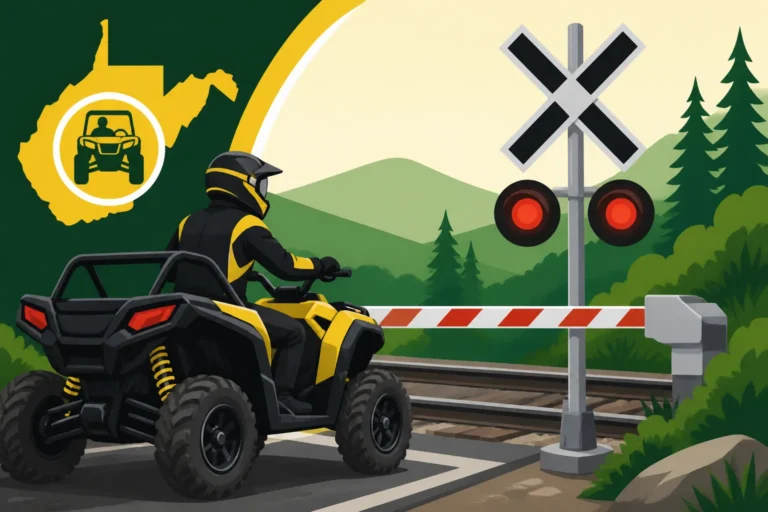
Beyond speed, deputies frequently check for required equipment. If your machine is street-legal or operating on roads where specific equipment is mandated, you need to have it. This can include working headlights, taillights, brake lights, mirrors, a horn, and even turn signals for Special Purpose Vehicles (SPVs). Many riders use aftermarket parts from companies like SuperATV to upgrade their machines, but it's vital to ensure these additions meet all legal requirements for road use. Not having the proper gear means you're breaking the law. Check out [Equipment West Virginia Requires on a Road Ride] for a full list.
Permit, Safety, and Insurance Checks
Another common area of scrutiny for sheriffs is proper documentation and adherence to safety regulations. If you're riding the Hatfield-McCoy Trails, a valid permit is absolutely essential. Deputies can and will check for these, and riding without one can lead to fines. We cover this in depth in [West Virginia's Hatfield-McCoy Trail Permit Explained]. They also enforce age restrictions for riders, both on trails and on roads, and verify that minors are being properly supervised.
Insurance is another big one, especially if your UTV or ATV is registered as a street-legal SPV. Just like any other vehicle on public roads, these machines often require liability insurance. Don't assume your regular auto policy covers your side-by-side on the road; often, it doesn't. Make sure you understand [West Virginia ATV Insurance and When You Need It] before you hit the pavement.
Reckless Operation and Impairment
Perhaps the most serious infractions sheriffs look for are those involving reckless operation or impairment. Driving an ATV or UTV under the influence of alcohol or drugs is illegal and extremely dangerous, carrying penalties similar to those for a DUI in a car. Law enforcement is vigilant about this, especially in areas where riders might be enjoying adult beverages after a day on the trails. Familiarize yourself with [Alcohol Limits for West Virginia ATV Operators] to avoid severe consequences.
Beyond impairment, reckless driving—such as doing wheelies on public roads, excessive noise, or cutting through private property—not only endangers others but also gives the entire off-road community a bad name. These actions can quickly lead to citations, fines, or even losing your riding privileges in the area. Sheriffs are keen to ensure the safety and peace of local residents.
How to Ensure a Smooth Ride Through West Virginia Trail Towns
Nobody wants their adventure in West Virginia to be interrupted by a law enforcement stop. The good news is that most encounters can be avoided by simply being prepared, informed, and courteous. A little proactive planning goes a long way toward a smooth and enjoyable experience.
Pre-Ride Checks and Documentation
Before you even load up your machine, do a thorough check. Are your lights working? Are your tires in good shape? Is your horn functioning? If your machine is modified with accessories from, say, SuperATV, make sure all those parts are installed correctly and meet road-legal requirements if you plan to hit pavement. These simple checks can prevent a stop based on equipment violations.
Equally important is having all your necessary documents readily accessible. This includes your valid driver's license (if you're driving on public roads), your Hatfield-McCoy Trail Permit, proof of ownership or your ATV/UTV title, and proof of insurance for street-legal machines. Keeping these in a waterproof pouch on your person or in a secure compartment on your machine, rather than buried deep in a backpack, makes any interaction with a deputy much quicker and smoother. We have specific guidance on [Carrying Your Title Copy on a Trail Ride] and a complete list of [Documents to Bring for a West Virginia ATV Title]. It's also a good idea to know your machine's VIN and where to find it; you can learn more about this in [Reading the Model Year From Your ATV VIN].
Riding Etiquette and Road Awareness
Once you're riding, especially within the confines of a trail town, adopting a mindful approach is key. Obey all posted speed limits, which are often significantly lower than what you might be used to on open trails. Remember, these are residential and business areas, and local families live and work there. Stay on marked ATV routes; do not cut through parking lots, private driveways, or unpaved shoulders unless it's a designated trail connector.
Being courteous to other vehicles, pedestrians, and residents helps foster a positive relationship between the riding community and the towns that welcome us. Wave at people, yield to pedestrians, and make eye contact with drivers. Excessive noise, kicking up dust in residential areas, or riding aggressively can quickly draw unwanted attention from both locals and law enforcement. Being a good ambassador for the sport ensures these towns remain ATV-friendly for years to come. Understanding [How a West Virginia Town Becomes ATV-Friendly] gives insight into why respectful riding is so important.
What to Do If You Encounter Law Enforcement
Even if you're the most diligent rider, there might come a time when a sheriff's deputy signals you to pull over. How you handle this interaction can significantly impact the outcome, turning a potentially tense moment into a quick, professional exchange.
A Calm and Respectful Approach
If you see flashing lights or hear a siren, respond immediately and safely. Signal your intent, slow down, and pull over to the right side of the road or trail in a clear, safe location. Turn off your machine's engine and remove your helmet if requested, so the officer can clearly see and hear you. Keep your hands visible, perhaps on the handlebars or steering wheel, and avoid sudden movements.
When the deputy approaches, remain calm and polite. Address them respectfully, and let them explain why they stopped you. You don't need to volunteer information beyond what's asked, but always be cooperative. Have your documents—driver's license, trail permit, title, and insurance—ready to present. A calm, respectful attitude often leads to a more positive outcome, even if you made a minor mistake.
Understanding Common Penalties
Deputies have discretion in how they handle infractions. For minor issues, you might receive a verbal warning. For more serious or repeated offenses, you'll likely receive a written citation, which comes with a fine. Depending on the severity of the violation, penalties can range from a few dollars to hundreds of dollars, plus court costs. Some serious offenses, like a DUI or reckless endangerment, could lead to your machine being impounded or even charges that affect your driving record. To give you an idea of potential costs, review [West Virginia ATV Ticket Costs].
It's important to remember that ignorance of the law is not considered a valid excuse. Familiarizing yourself with West Virginia's ATV and UTV laws, especially those pertaining to road use and trail permits, is your responsibility as a rider. Making sure your machine is up to par with components from a reputable supplier like SuperATV can help you avoid equipment-related tickets. Understanding the rules, having your machine properly equipped, and riding responsibly are your best defenses against penalties, including those for [Penalties for an Untitled ATV in West Virginia].
| Violation Category | Common Examples | Potential Consequences |
|---|---|---|
| Road Operation | Speeding, improper lane usage, illegal turns | Fines, points on driver's license, potential impoundment |
| Equipment | Missing lights, mirrors, horn, turn signals | Fines, "fix-it" tickets, may be prohibited from riding on road |
| Permits & Registration | No Hatfield-McCoy permit, expired registration | Fines, exclusion from trails, potential impoundment |
| Documentation | No driver's license, no proof of insurance, no title | Fines, machine impoundment, may be unable to ride on public roads |
| Reckless Operation | Wheelies, excessive noise, dangerous maneuvers | Fines, loss of riding privileges, potential criminal charges |
| Impairment | Operating under influence of alcohol/drugs | Significant fines, license suspension, jail time, machine impoundment |
| Trespassing | Riding on private land, off marked trails | Fines, potential criminal charges, loss of trail access |
Ultimately, West Virginia's trail towns are incredible places for off-road adventure, largely because local communities and law enforcement work together to create a safe and welcoming environment. By doing your part—understanding the rules, being prepared, and riding respectfully—you contribute to the continued success and enjoyment of these unique destinations. A little vigilance goes a long way in ensuring your mountain adventures are memorable for all the right reasons.
Disclaimer
This article is for general informational purposes only and does not constitute professional advice. Laws, prices and regulations vary by location and change over time. Consult a qualified professional for guidance on your specific situation.