Riding the Shoulder of a West Virginia Highway
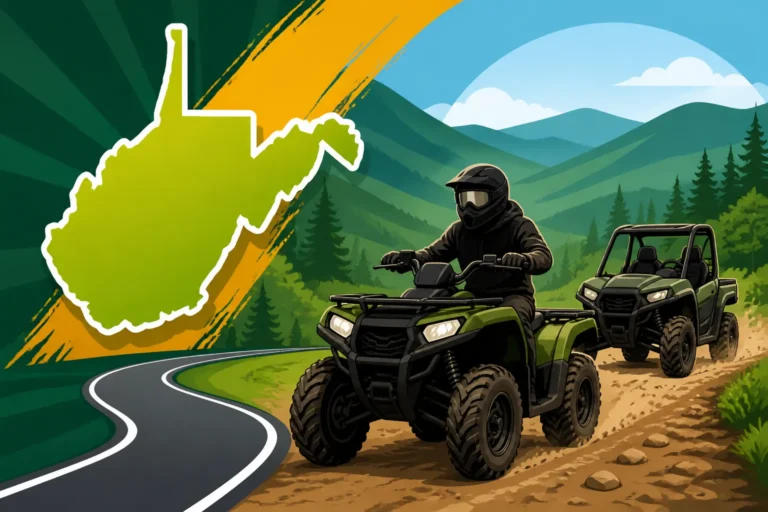
It's a common scenario for ATV and UTV riders across West Virginia: you're out on the trails, maybe exploring some incredible backroads, and suddenly you hit a paved section that connects two trail systems, or perhaps you need to get into town for gas or a meal. The thought often arises, "Can I just ride the shoulder of this highway for a bit?" It's a natural question, given the state's amazing riding opportunities, but the answer isn't as simple as a yes or no. This guide will untangle the complexities of West Virginia law concerning ATVs and UTVs on highway shoulders, helping you understand what's permissible and what could land you in serious trouble.
The Legal Landscape of ATV and UTV Road Use in West Virginia
Navigating the rules for riding ATVs and UTVs on West Virginia's public roads can feel like traversing a black-diamond trail – full of twists, turns, and unexpected obstacles. Many riders assume that because West Virginia is so off-road friendly, especially with gems like the Hatfield-McCoy Trails, the road rules must be equally lenient. This assumption, unfortunately, can lead to confusion and expensive citations. The reality is that the Mountain State has specific, often strict, regulations regarding where and how off-road vehicles can interact with paved public thoroughfares.
General Prohibition on Public Roads
The foundational principle in West Virginia law is that ATVs and UTVs are generally not permitted on public roads. This isn't a minor detail; it's a critical distinction. Unlike a conventional car or motorcycle, these machines are designed for off-highway use, and the state classifies them as such. This general prohibition means you can't simply take your quad out for a spin down a county road or a state highway shoulder just because it's convenient or the shortest route to your destination. Even if the road is rural and sees little traffic, the underlying law remains.
This blanket rule often catches out-of-state visitors or new riders by surprise. They might have ridden legally on similar roads in other states, or they might think "public road" only refers to major interstates. However, in West Virginia, "public road" encompasses virtually any road maintained by the state, county, or municipality that isn't specifically designated for ATV use. It's crucial to understand this starting point before we delve into the limited exceptions. Ignoring this basic rule is the fastest way to get pulled over, and it's why so many riders seek alternative solutions, like a [West Virginia's Street-Legal Special Purpose Vehicle Plate].
Limited Exceptions for Crossing and Short Distances
While the general rule is strict, West Virginia law does offer a few very narrow exceptions to allow ATVs and UTVs to interact with public roads, primarily for practical access rather than general travel. These exceptions are often misunderstood, leading riders to believe they have more freedom than they actually do. One common exception allows for crossing a highway at a ninety-degree angle, but only after coming to a complete stop and yielding to all traffic. This is meant to facilitate connecting private property or trail sections, not for traveling along the road.
Another, and perhaps the most pertinent to shoulder riding, is a specific allowance for traveling short distances on certain types of roads. This usually applies to roads without a centerline, often county routes, or within specifically designated ATV-friendly towns. The key here is "short distances" and "certain types of roads." These are not blanket permissions for all highways or for extended travel. Furthermore, even in these limited scenarios, strict speed limits, typically 25 mph, and other equipment requirements apply. You can explore this more in [West Virginia's 10-Mile, 25 mph Road Rule].
Can You Really Ride a Highway Shoulder? Understanding the Law
The idea of riding on the shoulder of a highway can be incredibly tempting for ATV and UTV enthusiasts in West Virginia. It seems like a safe compromise: you're not in the flow of traffic, you're just trying to get from point A to point B, and it might be the only paved section between two fantastic riding areas. However, this is one of the most common misunderstandings, and it's where many riders find themselves on the wrong side of the law.
Differentiating "Highway" from "County Route"
One of the biggest pitfalls for riders is not understanding the distinction between different classifications of public roads. In West Virginia, "highway" generally refers to state-maintained routes, including U.S. routes and state routes, which often have higher speed limits, more lanes, and generally more traffic than smaller county roads. These highways are explicitly designed for faster-moving, street-legal vehicles. County routes, on the other hand, are typically less trafficked, often narrower, and sometimes even unpaved in places.
The state's limited exceptions for ATV/UTV road use almost universally refer to county routes or specifically designated local streets within trail towns. You will rarely, if ever, find an allowance for ATVs or UTVs, even on the shoulder, of a major state or U.S. highway. The sheer speed difference, the volume of traffic, and the inherent design of these roads make them extremely dangerous for off-road vehicles, and the law reflects that danger with strict prohibitions. Attempting to differentiate on your own can be tough, but understanding the general classification is crucial.
The Problem with "Limited Use" on Shoulders
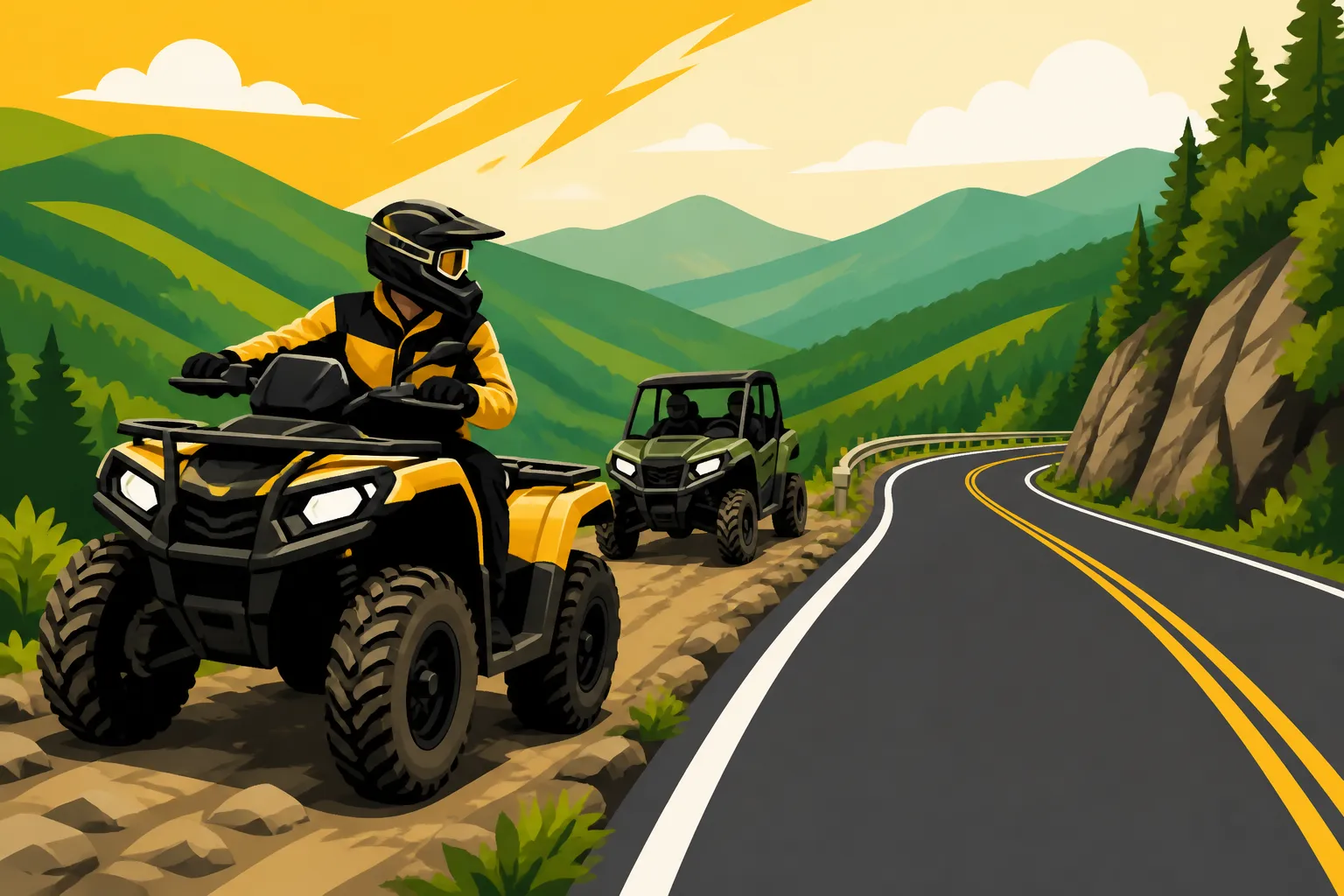
Even when an ATV or UTV is permitted for limited road use (such as crossing or short distances on a county road), that permission typically extends to the far right edge of the paved surface, or in some instances, a specifically designated dirt or gravel shoulder if it's part of the road's legal right-of-way and within an allowed area. It's almost never an open invitation to ride the paved shoulder of a high-speed highway. The shoulder of a highway is primarily for emergency stopping, disabled vehicles, or cyclists in some specific zones, not for regular travel by off-road vehicles.
Consider a scenario: you're riding a UTV near Mullens and need to cross a short section of a state route to get to the Pinnacle Creek Trail System. If the law were to allow it, you might be able to hug the far right edge of the paved lane for the shortest, safest connection. However, taking that same UTV and riding five miles down the shoulder of a U.S. highway with 60 mph traffic whizzing by is a completely different story. The law simply doesn't permit it for safety reasons. Even if you've got your machine kitted out with all the road-legal components like those from SuperATV, the where you're riding still matters immensely. For clarity, refer to official DMV guidance on [Riding an ATV on the Road in West Virginia].
Equipment and Safety for Any Road-Adjacent Riding
While riding the shoulder of a West Virginia highway is largely off-limits for ATVs and UTVs, understanding the necessary equipment and safety protocols for any permitted road-adjacent riding – be it crossing a paved road or operating in a designated trail town – is critical. Equipping your machine correctly isn't just about avoiding tickets; it's about making yourself and your passengers as safe and visible as possible when sharing asphalt with other vehicles.
Essential Road-Legal Equipment Requirements
For any instance where your ATV or UTV might legally touch a public road in West Virginia, certain equipment is non-negotiable. This is especially true for those who have obtained a [West Virginia's Street-Legal Special Purpose Vehicle Plate] for more extensive road use, but even for short crossings or limited county road travel, basic safety items are a must. Think of it this way: if you're going to be seen by street-legal vehicles, you need to function like one, at least minimally.
Required equipment typically includes working headlights and taillights, brake lights, a horn, and mirrors. Many riders upgrade their machines with turn signal kits, which, while not always explicitly mandated for all limited road uses, are incredibly smart safety additions. Visible lighting, both day and night, is paramount. Brands like SuperATV offer comprehensive kits for turn signals, horns, and even DOT-approved windshields and tires that are specifically designed to meet or exceed street-legal requirements, drastically improving your machine's visibility and safety profile. [Equipment West Virginia Requires on a Road Ride] offers a deeper dive into these specifics.
Visibility and Defensive Riding on Paved Surfaces
Beyond the required equipment, personal responsibility for visibility and defensive riding cannot be overstated. When an ATV or UTV is even briefly on a paved surface, it's often moving significantly slower than surrounding traffic. This speed differential, combined with the smaller profile of an off-road vehicle, makes it inherently less visible to drivers of cars and trucks, who are often not expecting to see an ATV on the road.
Wearing brightly colored clothing, especially blaze orange or fluorescent yellow, can help improve your visibility during the day. At night, reflective gear is a must. Always ride predictably, avoid sudden movements, and assume that other drivers don't see you. Use hand signals in conjunction with your turn signals if available. When making a brief road crossing, do so with purpose, looking both ways multiple times, and making eye contact with drivers if possible. Never assume right-of-way; always yield to oncoming traffic, even if you think you have the legal right. This cautious approach is your best defense against accidents.
| Feature / Scenario | Highway Shoulder Riding (State/US Hwy) | County Road (10/25 mph rule) | SPV Plate Road Use (General) | ATV-Friendly Town Street |
|---|---|---|---|---|
| Legal Status | Generally Prohibited | Limited use, short distances | Generally Permitted with compliance | Permitted in designated areas |
| Required Equipment | N/A (since prohibited) | Lights, horn, mirrors (min.) | Full street-legal requirements | Lights, horn, mirrors (min.) |
| Speed Limit | N/A (since prohibited) | 25 mph (max) | Posted speed limits (often 25 mph cap) | Posted speed limits (often 25 mph cap) |
| Traffic Speed | High (55+ mph) | Low to Moderate | Varies | Low |
| Primary Danger | High-speed collision | Speed differential, driver inattention | Driver inattention, blind spots | Pedestrians, parked cars, traffic |
| Best Practice | Avoid entirely | Extreme caution, maximize visibility | Drive defensively, follow all laws | Drive slowly, be aware of surroundings |
Risks, Penalties, and Enforcement on West Virginia Highways
Ignoring West Virginia's ATV and UTV road laws, particularly regarding highway shoulders, isn't just a minor infraction. It carries significant risks, both to your safety and your wallet. Law enforcement agencies across the state, including local sheriff's departments and the State Police, are well aware of the state's regulations and are increasingly vigilant in enforcing them, especially in areas frequented by off-road riders.
Safety Hazards of Highway Shoulder Riding
The most immediate and severe risk of riding an ATV or UTV on a highway shoulder is safety. These machines are not designed for the speeds, surfaces, or traffic dynamics of a paved highway. A typical ATV has a narrow wheelbase and high center of gravity, making it unstable at higher speeds and on smooth, hard surfaces. UTVs offer more stability, but still lack the crash protection, braking capabilities, and steering precision of a street-legal vehicle at highway speeds.
Imagine the scenario: A car is traveling at 65 mph, and you're on the shoulder at 20 mph. The closing speed is over 45 mph. Drivers are often distracted, may not expect an off-road vehicle, and can misjudge your speed. Road debris, uneven pavement on the shoulder, or sudden gusts of wind from passing vehicles can cause you to lose control. The consequences of a collision between an ATV/UTV and a full-size vehicle at highway speeds are almost always catastrophic for the ATV/UTV occupants. It's simply too dangerous, which is why the law is so prohibitive. Even the best equipment from SuperATV can't protect you from the laws of physics or an inattentive driver at highway speed.
Legal Penalties for Illegal Road Use
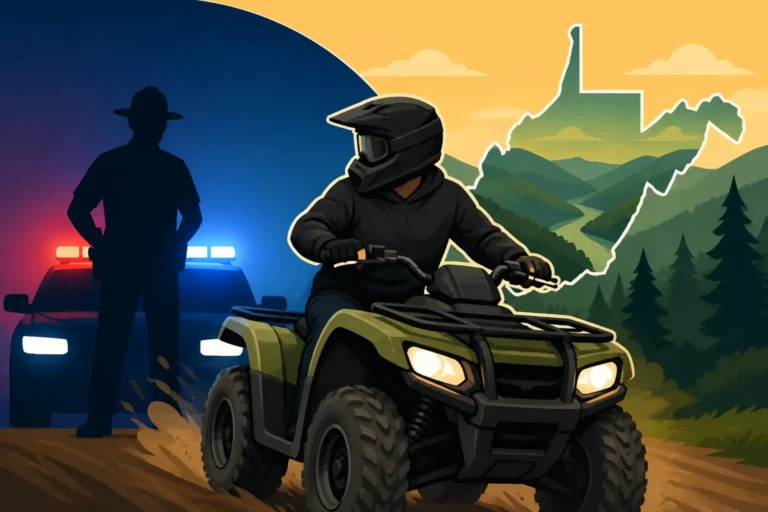
The legal ramifications for riding an ATV or UTV illegally on a West Virginia highway, even just the shoulder, can be steep. You're not just looking at a simple warning. The penalties can include significant fines, points on your driver's license (even though you don't need a driver's license to operate an ATV off-road, these violations can impact your driving record), and potentially impoundment of your machine. In some cases, repeated offenses or reckless behavior could lead to more serious charges. [West Virginia Penalties for an Untitled ATV] further highlights the state's strict approach to compliance.
Law enforcement officers are trained to recognize illegal off-road vehicle activity on public roads. They are also keenly aware of the safety risks and will act decisively to prevent accidents. Don't assume that because the highway seems empty, you won't get caught. Patrols are often unpredictable, and a single call from a concerned motorist can quickly bring law enforcement to your location. The cost of a ticket, a tow, impound fees, and potentially higher insurance rates far outweighs any perceived convenience of using a highway shoulder.
Better Alternatives: Designated Routes and SPV Plates
Given the severe restrictions and dangers of riding ATV/UTV shoulders on West Virginia highways, it's clear that riders need safer, legal alternatives to connect trail systems or access town services. Fortunately, West Virginia has made strides in creating avenues for riders to enjoy limited road access, primarily through its Special Purpose Vehicle (SPV) plate program and the development of ATV-friendly towns.
West Virginia's Special Purpose Vehicle Plate
For riders who absolutely need to use paved roads for connections, whether it's the shoulder of a county road or a town street, the [West Virginia's Street-Legal Special Purpose Vehicle Plate] is the gold standard. This plate effectively converts your UTV (and in some limited cases, ATVs if they meet specific criteria) into a conditionally street-legal vehicle. This isn't just a sticker; it's a full registration and titling process that requires your machine to meet a specific set of equipment and safety standards.
To qualify for an SPV plate, your UTV typically needs to be equipped with DOT-approved tires, a windshield (often safety glass), a horn, turn signals, brake lights, mirrors, and seat belts. Many riders turn to aftermarket suppliers like SuperATV for their comprehensive kits that include everything needed for an SPV conversion. Once your machine is street-legal, you can legally operate it on many public roads, though some restrictions still apply, such as speed limits (often 25 mph) and a prohibition on interstates. The SPV plate is the safest and most legally compliant way to get limited road access in West Virginia.
Utilizing ATV-Friendly Towns and Designated Routes
Beyond the SPV plate, West Virginia has embraced the economic benefits of ATV tourism by creating a network of ATV-friendly towns. These towns, often nestled directly on or near major trail systems like Hatfield-McCoy, have enacted local ordinances that permit ATVs and UTVs on specific town streets. This allows riders to access gas stations, restaurants, lodging, and other amenities directly from the trails without breaking the law. [Riding Through Gilbert on an ATV] or [Riding Through Man and Logan by ATV] are prime examples of how these towns operate.
These designated routes and trail towns are usually clearly marked with signs indicating where ATVs and UTVs are permitted. Even in these areas, strict rules apply: typically a 25 mph speed limit, helmet requirements for riders under 18, and sometimes specific hours of operation. Always be on the lookout for signage and adhere to local rules. Using these designated routes, rather than risking illegal highway shoulder rides, keeps you safe, avoids fines, and contributes positively to the riding community's reputation. It’s a win-win for everyone involved, supporting the local economy while ensuring a legal and enjoyable ride.
Planning Your Road Interactions Safely and Legally
When you're out exploring the vast network of trails and scenic backroads in West Virginia, you're bound to encounter situations where you need to interact with a paved public road. Rather than guessing or risking a fine, a bit of planning and knowledge can make all the difference, ensuring your ride is both legal and safe.
Pre-Ride Research and Mapping
The best defense against illegal road riding is preparation. Before you even load your machine, take the time to research your intended route. Many trail systems, especially the Hatfield-McCoy Trails, offer detailed maps that not only show the trails but also designated trail connectors and points where road use is permitted. Online mapping tools and apps, such as onX Offroad, can also provide invaluable information about road classifications and legal access points. [West Virginia Trail Maps and Signage] are readily available resources.
Look for specific signage that indicates ATV-friendly roads or crossings. If you're unsure about a particular stretch of road, err on the side of caution. It's always better to find an alternative route, even if it adds a few miles, than to face a hefty fine or, worse, a dangerous situation. Pay close attention to whether a road is a state highway, a U.S. route, or a county road, as these distinctions are critical in determining legality.
Always Choose the Legal and Safest Path
When faced with a decision about interacting with a public road, always prioritize legality and safety. This might mean:
- Using a Trailer: For longer connections between trail systems that involve prohibited highways, trailering your machine for those few miles is the safest and only legal option. It's an inconvenience, but far less inconvenient than an accident or a ticket.
- Seeking SPV Certification: If you frequently need to use paved roads for access, investing in an [Insurance Required for a West Virginia SPV Plate] and obtaining an SPV plate for your UTV is a smart long-term solution. This allows you to ride on most public roads (excluding interstates) while being fully compliant.
- Sticking to Designated Trail Connectors: Within and between trail systems, look for clearly marked connectors. These are engineered paths that bypass dangerous road sections or guide you to legal road crossings.
- Adhering to Town Ordinances: When in ATV-friendly towns, respect their rules. Drive slowly, follow traffic laws, and park only in designated areas. These towns welcome riders, but that welcome is contingent on respectful and legal behavior. [West Virginia Rules for Riding Trail to Trail] offers more insight into connecting legal sections.
By taking these proactive steps, you can significantly enhance your riding experience in West Virginia, making it not only thrilling but also responsible and compliant with the state's laws. Enjoy the incredible scenery and trails, but always keep safety and legality at the forefront of your adventures.
Disclaimer
This article is for general informational purposes only and does not constitute professional advice. Laws, prices and regulations vary by location and change over time. Consult a qualified professional for guidance on your specific situation.