Parking a Side-by-Side at a West Virginia Trail Town Store
Let's be real, after a fantastic day of tearing up the trails on your side-by-side in West Virginia's legendary trail towns, the last thing you want to worry about is finding a decent spot to park while you grab a bite to eat or resupply. It's a common dilemma: you're riding your UTV right on the streets, but suddenly you need to blend into a world designed for cars. This guide is all about helping you confidently and courteously park your side-by-side at any store in a West Virginia trail town, ensuring a smooth, stress-free experience from the moment you roll off the trail to when you head back out.
Understanding Trail Town Parking Culture
West Virginia's trail towns are a unique breed. These communities, nestled amidst some of the most beautiful and rugged terrain in the country, have largely embraced off-road vehicles (OHVs) as a vital part of their local economy and identity. Unlike typical towns where an ATV or UTV might draw confused stares or even a citation for being on the road, these towns welcome you with open arms – and often, specifically designated infrastructure.
Why Trail Towns Embrace OHVs
The shift in how these towns operate is largely economic. Places like Gilbert, Man, Matewan, and Mullens, once reliant on coal, have seen a revitalization thanks to the massive influx of tourism brought by trail systems like the Hatfield-McCoy Trails. When you, as a rider, pull your side-by-side into town to buy gas, eat at a local diner, or pick up some snacks, you're directly contributing to the livelihoods of these communities. Locals understand this, and you'll often find a friendly, accommodating attitude towards OHVs, which extends to parking. This isn't just a convenience; it's a testament to how these towns have adapted and thrived by becoming true OHV-friendly destinations.
Think about it: before the trails opened up access to these towns, many storefronts sat empty, and Main Street might have been quiet. Now, you see vibrant businesses, bustling restaurants, and stores catering directly to riders. This transformation means that the local mindset is generally one of welcoming OHVs, including helping riders find appropriate places to park. You're not just a rider passing through; you're a valued customer.
Designated OHV Parking vs. Standard Spaces
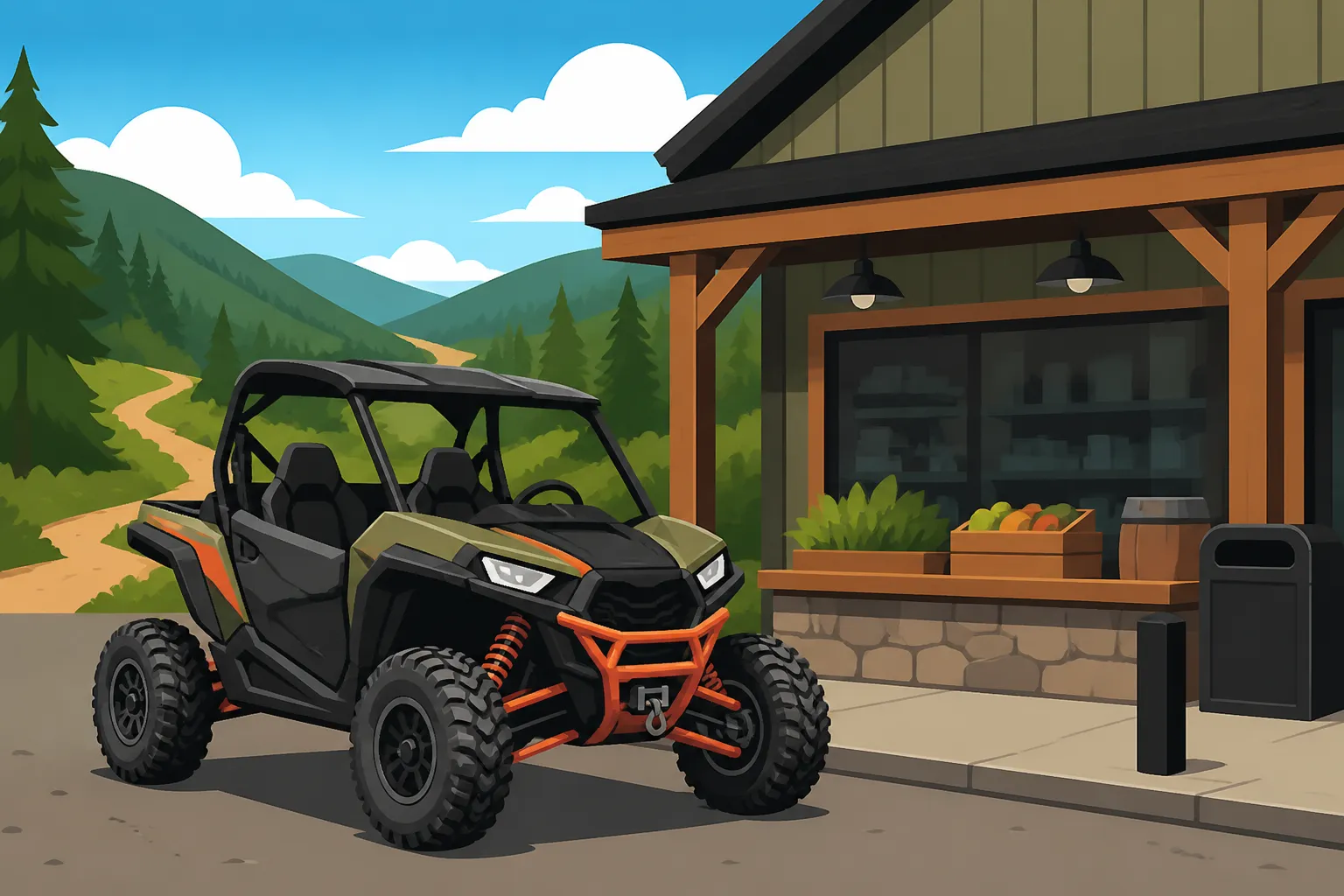
While most West Virginia trail towns welcome OHVs, the specific parking arrangements can vary. Some towns, particularly the larger and more established trail hubs, have gone the extra mile to create clearly marked, designated OHV parking areas. These might be gravel lots, specific sections of existing parking lots, or even marked street-side spaces designed to accommodate the wider footprint of a side-by-side. These are always your best bet when available. They're usually easy to spot, often near trailheads or main shopping areas, and signal a clear invitation for riders.
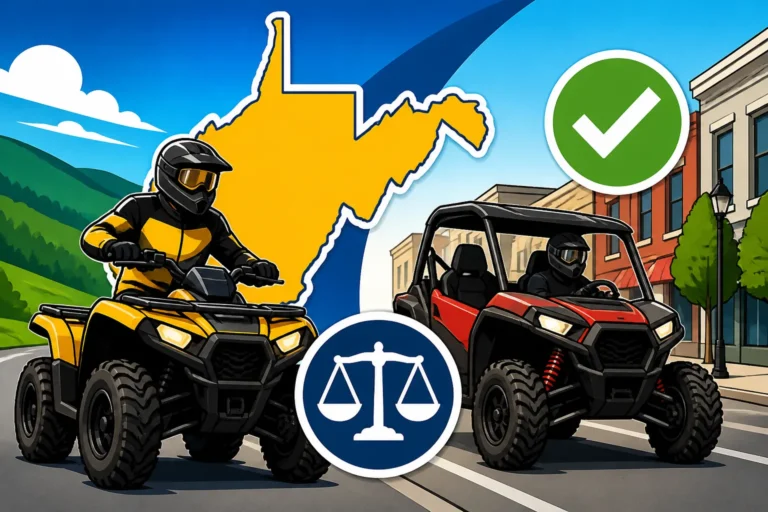
However, not every store or small town will have dedicated OHV parking. In these cases, you'll often find yourself using standard car parking spaces. The key here is to be considerate. A side-by-side is wider and often longer than a typical passenger car, so you might need to find a spot that offers a bit more room, or even consider parking across two standard spaces if it's a less crowded lot and doing so doesn't hinder other vehicles. The goal is always to park safely, legally, and without inconveniencing others. [West Virginia's Street-Legal Special Purpose Vehicle Plate] rules give you some guidance on how to behave on the road, and these considerations extend into parking as well.
Respecting Local Businesses and Residents
While trail towns are generally welcoming, respect and courtesy go a long way. This means a few things: First, avoid blocking entrances, exits, or fire lanes, even for a quick stop. These are common sense rules that apply to any vehicle, but sometimes in the excitement of a ride, it's easy to overlook. Second, be mindful of noise, especially if you're pulling into a residential area or a quiet corner of town. Revving engines and loud exhaust systems might be part of the trail experience, but they can be disruptive in a parking lot.
Finally, think about how your vehicle's presence affects others. If your side-by-side is muddy, try to park in a way that doesn't track mud into the store or onto clean pavement where pedestrians might slip. Consider the visual impact, too; a rowdy-looking machine might be cool on the trail, but in front of a quaint café, parking it neatly and considerately shows respect for the business and its other patrons. It reinforces the positive image of OHV riders as responsible tourists.
Practical Tips for Parking Your Side-by-Side
Parking a side-by-side, especially a larger model, can sometimes feel like trying to fit a square peg in a round hole when you're used to pulling into car-sized spots. But with a bit of foresight and awareness, it's usually quite simple in West Virginia's OHV-friendly towns.
Scouting Out Parking Spots
As you approach your destination, whether it's a general store for supplies or a restaurant for a meal, take a moment to observe the parking situation. Look for any signage specifically indicating "OHV Parking," "ATV Parking," or similar designations. These signs are your green light, guiding you to areas where the town or business has thoughtfully provided space for machines like yours. If you don't see specific OHV signage, scan the area for larger, less congested sections of parking lots. Sometimes the edges of a lot, or areas furthest from the main entrance, offer more generous space where a wider UTV won't feel so squeezed.
On-street parking is also common in many trail towns. If parallel parking, aim for a spot that gives you ample room, remembering your machine's length and width. Don't be afraid to circle the block once or twice if the first spot you see isn't ideal; a little extra time spent finding a good spot can save you a headache later. Some businesses, particularly larger ones or those catering heavily to riders, might even have auxiliary lots a short walk away. Keep an eye out for these. Remember, the goal is not just to park, but to park well and considerately.
Maneuvering and Space Considerations
Side-by-sides, especially those 60+ inches wide or longer four-seater models, require a bit more finesse than a compact car. When pulling into a standard parking space, try to align your machine squarely within the lines. If the space feels too narrow, and the lot isn't bustling, it's often more practical and safer to use two spaces, parking your machine neatly across them. This prevents other vehicles from trying to squeeze in next to you, potentially damaging your machine or their own, and shows that you're intentionally taking up more space rather than haphazardly parking. This is especially true if you've got a wider stance from aftermarket parts, perhaps from a SuperATV lift kit or extended A-arms.
When backing out or turning in a tight lot, use your mirrors and be aware of your blind spots. Pedestrians, especially children, might not expect an OHV to be maneuvering in a parking lot, so proceed slowly and cautiously. If you're parking on a slight incline, make sure your parking brake is fully engaged. Getting into a tight spot can be challenging, but getting out can be even more so if you're boxed in. Always leave enough room for others to navigate around you, and for you to exit without having to perform a complex, multi-point turn. [Riding an ATV on the Road in West Virginia] means you're already demonstrating road sense, and parking is just an extension of that.
Security and Valuables
While West Virginia trail towns are generally friendly places, it's always wise to take precautions with your machine and valuables. Think of your side-by-side like any other vehicle you'd park in public. If your machine has a locking glove box or storage compartment, utilize it for smaller items like wallets, phones, or keys. For larger items, or if your storage isn't secure, consider taking valuables with you into the store.
A simple cable lock or chain can be a good deterrent, especially if you're leaving your machine unattended for a longer period, such as during a meal. While no lock is foolproof against a determined thief, visible security measures often make your machine a less appealing target. If you have a soft top or doors, make sure they are properly secured to prevent opportunistic grabs. Some riders even carry discreet GPS trackers in their machines, offering an extra layer of peace of mind. Remember, an ounce of prevention is worth a pound of cure, particularly when you're far from home enjoying your ride.
Navigating Specific Store Types
The kind of store you're visiting might influence your parking strategy. A quick stop for gas is different from settling in for a long meal or browsing for a new accessory.
Convenience Stores and Gas Stations
These are probably the most frequent stops for trail riders. Most convenience stores and gas stations in West Virginia's trail towns are well-accustomed to OHVs. When pulling up to a gas pump, treat your side-by-side like a car: approach the pump, fill up, and then move your machine to a designated parking spot or an out-of-the-way corner of the lot before going inside to pay or grab snacks. Don't leave your machine blocking a pump while you shop, especially if it's a busy day. This is a common courtesy that keeps traffic flowing and prevents frustration for other drivers and riders.
Many gas stations, especially those on the main routes through trail towns, will have ample space at the edges of their lots for larger vehicles. Some even have specific signs indicating where OHVs should park. If you're just running inside for a minute, you might even find a small area near the entrance that's suitable for a very short stop, as long as you're not blocking the entrance or pedestrian pathways. Always prioritize keeping access clear for emergency vehicles and other customers.
Restaurants and Cafes
When you're ready to refuel yourself, parking for a restaurant or café might require a bit more thought, especially if you plan to be inside for a while. If the establishment has its own parking lot, look for those wider, less-trafficked spaces we discussed earlier. Street parking can also be a good option in many trail towns, particularly during off-peak hours, provided it's legal and safe. If you're parking on the street, ensure your side-by-side is pulled as close to the curb as possible without blocking fire hydrants, crosswalks, or business entrances.
For popular eateries during peak times, parking might be tighter. Don't hesitate to park a block or two away and walk if it means finding a safer, more considerate spot. The short walk through a trail town can actually be part of the experience, letting you soak in the atmosphere. Some restaurants might even have specific areas in the back or side for OHVs, so if you're unsure, a quick call ahead or asking a local once you arrive can save you time and hassle. Security is a bit more of a concern here since you'll be away from your machine for a longer period, so consider those locking mechanisms and taking valuables with you.
Outfitters and Gear Shops
These are stores specifically catering to the OHV crowd, so they are generally the most understanding when it comes to parking. Many outfitters, especially those selling parts or machines, will have dedicated parking areas designed for trailers and OHVs. You might be stopping in for a new pair of goggles, a replacement tire, or perhaps to browse some heavy-duty UTV parts from a brand like SuperATV. These businesses know their customers arrive on these machines.
Look for wide pull-through spots or large open areas where you can easily park your side-by-side without feeling cramped. Often, these shops are located in industrial parks or on the outskirts of town where space is less of an issue. If you're buying something bulky, like a new tire or a large accessory, parking close to the entrance for easy loading will be helpful, but again, move your machine to a more permanent spot once loaded if you plan to continue shopping. These businesses want your patronage, so they're usually very accommodating. Many of these shops understand that riders might be traveling with their machines and want to make the experience as seamless as possible.
Rules of the Road (and Parking Lot) in Trail Towns
While the overall vibe in West Virginia trail towns is "ride-friendly," it's not a free-for-all. There are still rules and common courtesies that apply, ensuring everyone can enjoy the towns safely.
| Store Type | Parking Priority | Key Parking Tip |
|---|---|---|
| Gas Stations | Fueling, then moving | Don't block pumps; move to an edge spot immediately after fueling. |
| Convenience Stores | Quick access, minimal obstruction | Utilize wider spots; avoid blocking entrances or high-traffic areas. |
| Restaurants/Cafes | Safe, longer-term spot | Seek out less congested areas, designated OHV spots, or consider street parking. |
| Outfitters/Gear Shops | Accommodate OHVs, loading space | Expect OHV-friendly parking; utilize space for loading bulky items. |
| General Stores | Integration with mixed traffic | Be mindful of other vehicles; use common sense in shared parking lots. |
Local Ordinances and Posted Signs
Even in the most OHV-friendly West Virginia towns, local ordinances exist. These might dictate specific areas where OHVs are prohibited, quiet hours, or particular parking rules. Always keep an eye out for posted signs. A sign indicating "No OHV Parking" or "Permit Parking Only" applies to your side-by-side just as it would to a car. Ignoring these signs can lead to fines, or worse, having your machine towed, which would quickly ruin your riding trip.
Many trail towns have adopted specific measures to allow [Riding an ATV on the Road in West Virginia] legally, and these laws often cover parking as well. It's a good idea to familiarize yourself with the general rules of the town you're visiting, especially if you plan to spend a significant amount of time there. A quick search online for "Gilbert WV ATV rules" or "Man WV OHV ordinances" before your trip can provide valuable peace of mind. The goal of these rules is generally to ensure safety and order, not to hinder riders.
Avoiding Obstructions and Traffic Flow
This is perhaps the most crucial aspect of courteous parking. Never block pedestrian walkways, building entrances, fire hydrants, handicapped ramps, or emergency access points. A side-by-side can be wider than a small car, so ensure your machine isn't encroaching on these vital areas. Consider the flow of traffic in the parking lot itself; can other vehicles easily get in and out if you're parked in a particular spot?
Also, be mindful of how your parked machine affects visibility for drivers. Avoid parking directly at corners or intersections in a way that creates a blind spot for cars trying to turn or exit. In a small town, every bit of clear visibility helps. The general rule is: if you have to question whether you're obstructing something, you probably are. Choose a different spot. This common sense approach will make your experience, and everyone else's, much more pleasant.
When in Doubt, Ask a Local
One of the best resources for navigating parking in a West Virginia trail town is the locals themselves. Shop owners, restaurant staff, or even fellow riders are usually more than happy to point you to the best or most appropriate parking spots. Don't be shy about asking. For instance, if you're looking for [Hatfield-McCoy Trailhead Parking That Fits a Toy Hauler], a local can often guide you to the best options.
Many locals are riders themselves or have a deep understanding of the riding community. They can offer insights into unofficial overflow lots, less-known street parking areas, or even specific arrangements a business might have for OHVs. Asking shows respect for their town and their knowledge, and it often leads to a friendlier interaction than simply guessing and potentially making a mistake. These communities thrive on hospitality, and you'll find that extends to helping you park your side-by-side safely and conveniently.
Disclaimer
This article is for general informational purposes only and does not constitute professional advice. Laws, prices and regulations vary by location and change over time. Consult a qualified professional for guidance on your specific situation.