Riding to a Hotel in Williamson
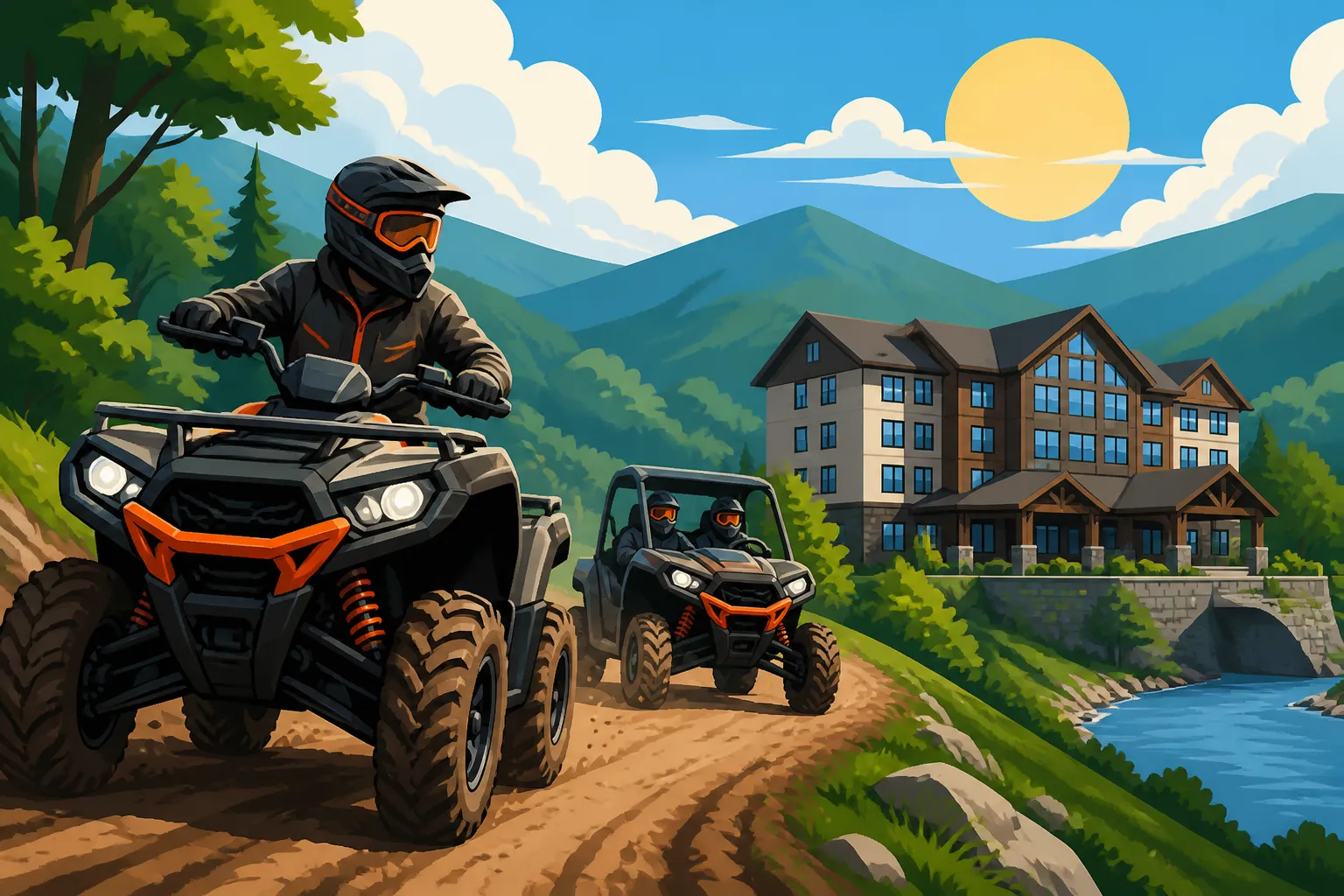
It's an amazing feeling, isn't it? After a long day of conquering the winding trails and incredible terrain of southern West Virginia, all you want to do is point your ATV or UTV towards town, roll right up to your hotel, and kick off those dusty boots. But the thought often pops up: "Can I actually ride my machine on these streets, or am I asking for a ticket?" It's a common concern for riders visiting places like Williamson, a true gateway to the [Hatfield-McCoy Trails, West Virginia's 1,200-Mile Network]. This guide is here to walk you through the specifics of legally and safely riding your ATV or UTV directly to your hotel in Williamson, helping you avoid unnecessary worry and focus on enjoying your well-earned rest.
Understanding Williamson's ATV-Friendly Road Rules
Williamson, like many of West Virginia's vibrant trail towns, embraces ATV and UTV riders, recognizing the significant role off-road tourism plays in the local economy. However, "ATV-friendly" doesn't mean a complete free-for-all. There are specific state laws and local ordinances that govern how and where you can operate your machine on public roads, especially when trying to reach your lodging. It’s about knowing the rules of the road, literally, to ensure a smooth transition from trail to hotel.
Navigating the "Last Mile" to Your Hotel
West Virginia law does provide a framework for operating ATVs and UTVs on public roads in specific situations, and trail towns like Williamson often take full advantage of these provisions. The general idea is to allow riders to connect trail sections, access services like gas stations and restaurants, and yes, get to their hotels, all while staying within town limits. You're typically looking at rules that dictate you can ride on secondary roads or designated routes, often with a speed restriction, for a limited distance. For instance, many West Virginia trail towns operate under a rule that allows ATV/UTV use on roads with a speed limit of 25 mph or less, often up to a certain distance to connect to trails or services. Williamson has its own specific ordinances, aligning with these state provisions, to ensure riders can access its downtown core.
Imagine you've just spent the day exploring the challenging terrain of the [Buffalo Mountain Trail System], perhaps hitting some of those epic black diamond trails. You're dusty, exhilarated, and ready for a hot shower. As you exit the trail system near Williamson, you'll need to look for signs indicating designated ATV routes into town. These routes are specifically chosen to minimize traffic conflicts and guide riders to key areas like lodging and dining. It’s not about taking any road you want; it's about following the mapped or signed connectors that lead you directly to where you need to go. Always keep an eye out for local signage, as this is your best indicator of permissible routes within the town itself.
Speed Limits and Traffic Flow in Town
When you transition from the wide-open trails to the streets of Williamson, your mindset needs to shift. The speed limit for ATVs and UTVs on public roads in trail towns is generally capped at 25 mph, or the posted speed limit if it's lower. This isn't just a suggestion; it's a legal requirement designed to ensure safety for riders, pedestrians, and other motorists. It also acknowledges the different handling characteristics of off-road machines compared to regular cars.
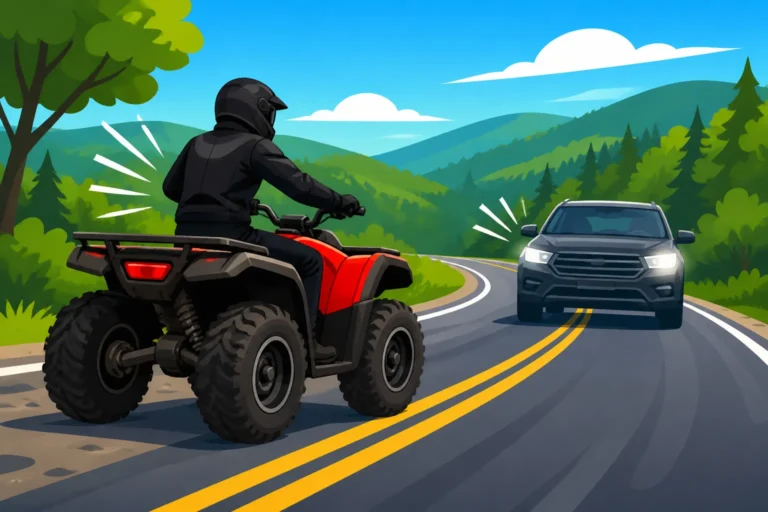
Think about a real-world scenario: you're cruising down a main street in Williamson, perhaps after grabbing a bite to eat. Even if your machine can easily hit 60 mph on the trail, maintaining that 25 mph (or less) is paramount. This speed limit helps you react to unexpected pedestrian crossings, merging traffic, or vehicles pulling out of parking spaces. It's about blending in with the flow of local traffic, not dominating it. Impeding traffic by riding too slowly or unsafely is also a no-go. You're sharing the road, and courtesy goes a long way. When approaching intersections or areas with heavy foot traffic, always be prepared to yield and proceed cautiously. Remember, the goal is to make your presence a positive part of the town's atmosphere, not a source of frustration for locals.
Essential Equipment for Street-Legal Travel to Your Lodging
While West Virginia's trail towns provide incredible access for ATVs and UTVs, riding on public roads means your machine needs to meet certain street-legal equipment requirements. This isn't just about avoiding a ticket; it's fundamentally about safety and making sure you're visible and predictable to other drivers and pedestrians. Don't assume your machine is ready for pavement just because it's a newer model. Many off-the-dealer-floor ATVs and UTVs aren't equipped for street legal status without some modifications.
Lights, Horn, and Mirrors: The Non-Negotiables
To legally operate your ATV or UTV on public roads in West Virginia, even for short distances within a trail town like Williamson, you absolutely need to have proper lighting, a horn, and mirrors.
- Headlights: Your machine must have at least one working headlight, and it needs to be illuminated if you're riding after dark or when visibility is poor. We're talking about a functional headlight that projects forward, not just a small trail light.
- Taillights and Brake Lights: A functional taillight is required, and it must illuminate when your headlights are on. Crucially, you need a working brake light that activates when you apply the brakes. This is vital for signaling your intentions to traffic behind you.
- Horn: A working horn is mandatory for signaling other vehicles and pedestrians. It doesn't have to be a full-blown air horn, but it needs to be audible.
- Mirrors: You must have at least one rearview mirror, typically mounted on the left side, that provides a clear view of the road behind you. Many riders opt for a full set of side mirrors, which [Mirror Requirements on a West Virginia Street-Legal Machine] often suggests, as it significantly enhances situational awareness.
Failing to have these basic items can not only lead to a citation but also dramatically increase your risk of an accident. Imagine trying to make a turn at dusk without a working taillight, or having to stop suddenly in traffic without a visible brake light. These modifications are often the first step in creating a truly street-legal machine, and many riders find that investing in a comprehensive [Street-Legal Conversion Kit Prices] is the easiest way to ensure compliance. Companies like SuperATV offer a range of these kits designed to get your machine legal quickly and efficiently.
Tires, Windshields, and Other Considerations
Beyond the basic lights, horn, and mirrors, there are other critical equipment considerations for road use. One of the most important is your tires. Your machine must be equipped with tires that are rated for highway use, often indicated by a "DOT" (Department of Transportation) stamp on the sidewall. Regular off-road tires, while fantastic for traction on dirt and rocks, wear extremely quickly on pavement and can handle very differently than street-rated tires. Swapping to DOT-approved tires is a must if your machine isn't already fitted with them.
A windshield, while not strictly mandated for all open-cab UTVs in West Virginia, is highly recommended for safety and comfort when riding on roads. It protects you from road debris, insects, and wind fatigue, making your ride into Williamson far more pleasant. If you choose to install one, ensure it's made from safety glass or a similar shatter-resistant material. Brands like SuperATV offer robust windshield options that can significantly improve your road riding experience. Additionally, ensure your machine has functional seat belts (if applicable) and that any aftermarket exhaust systems meet noise regulations. Loud exhausts can quickly draw unwanted attention and lead to complaints or citations from local law enforcement.
| Equipment Item | Requirement for WV Street Use | Importance |
|---|---|---|
| Headlights | At least one, illuminated after dark | Visibility for you and others |
| Taillights | At least one, illuminated with headlights | Rear visibility and presence |
| Brake Lights | At least one, activates with brake pedal | Signaling deceleration and stops |
| Horn | Functional and audible | Alerting others to your presence |
| Rearview Mirror | At least one (left side) | Awareness of traffic behind you |
| DOT-Approved Tires | Required | Safety, handling, and legal compliance on pavement |
| Seat Belts | Functional (if originally equipped) | Occupant safety |
| Muffler/Spark Arrester | Required for noise/fire prevention | Community peace and environmental safety |
| Turn Signals | Not universally mandated, but highly recommended | Clear signaling of turns and lane changes |
While turn signals are not always explicitly mandated for all ATVs and UTVs under West Virginia law for short road sections, they are an excellent idea for clarity and safety, especially in town traffic. Many riders choose to add them as part of their conversion kit, enhancing their ability to communicate intentions to other drivers.
Parking, Safety, and Courtesy at Your Williamson Hotel
Once you’ve successfully navigated Williamson's streets and arrived at your chosen hotel, the journey isn't quite over. You still need to consider where to park your machine, how to ensure its security, and, of course, maintain courteous behavior as a guest in town. Trail towns thrive on welcoming riders, and being a good guest helps maintain that positive relationship.
Parking Your ATV or UTV Securely
Finding appropriate parking for an ATV or UTV at a hotel can sometimes be a challenge, as these machines don't always fit neatly into standard parking spaces, and security is a concern. Many hotels in trail-friendly areas like Williamson have adapted and offer designated ATV/UTV parking areas. These might be separate lots, sections of a regular lot, or even areas where you can back a truck and trailer in and unload.
Your best bet is to call ahead to your hotel and ask about their specific ATV/UTV parking policies. They can direct you to the best spot, inform you of any special procedures, or even suggest nearby secure parking if their lot isn't suitable. When you do park, always ensure your machine is not blocking fire lanes, accessible parking, or general traffic flow. Lock your machine securely; a good quality chain or cable lock can deter opportunistic theft. Consider removing any valuable accessories or electronics that are easy to snatch. You've invested a lot in your machine, perhaps outfitting it with durable SuperATV accessories, so protecting that investment is key. Being proactive about security will allow you to relax and enjoy your stay without worrying about your ride.
Rider Requirements and Local Etiquette
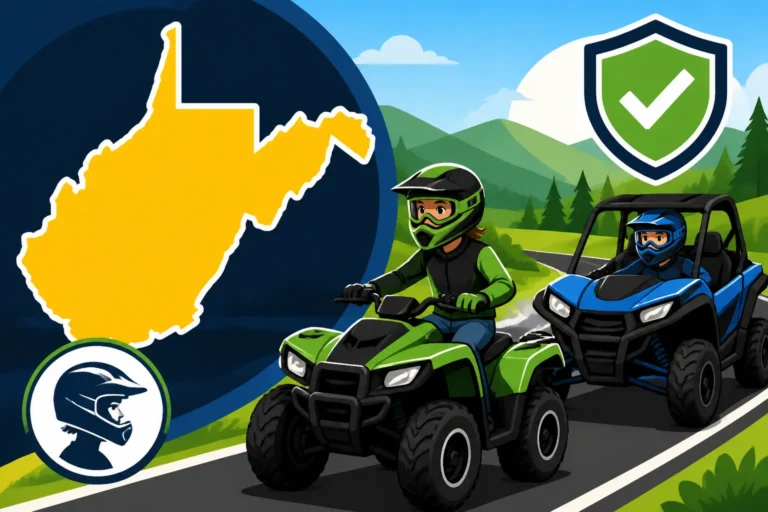
Riding into town doesn't mean leaving safety and good manners on the trail. [West Virginia Helmet Rules for Riders Under 18] require anyone under 18 to wear a helmet, and while adults aren't legally mandated to wear one on the road, it is strongly recommended. Eye protection is also crucial for all riders on public roads to shield against debris and wind. Additionally, you must possess a valid driver's license to operate an ATV or UTV on West Virginia's public roads, even in designated trail towns. [Driver's License Rules for West Virginia Road Riding] are quite clear on this point, so don't assume your trail permit is sufficient.
Beyond the legal requirements, etiquette plays a massive role. Noise is a big one. While your machine might sound awesome on the trail, loud exhausts can be a nuisance in town, especially early in the morning or late at night when people are trying to sleep. Be mindful of your throttle usage; avoid revving your engine unnecessarily. When passing through residential areas or past other businesses, reduce your speed and keep noise to a minimum. Remember, you're a guest in the community. Keeping your machine reasonably clean before pulling into the hotel lobby (at least wiping off the worst of the mud) shows respect for the establishment and its other guests. A little courtesy goes a long way in ensuring trail towns remain welcoming to riders for years to come.
Planning Your Williamson Stay: Beyond the Ride
Williamson is more than just a place to park your ATV or UTV for the night; it's a small town with its own character, services, and local charm. Planning how you'll utilize the town's amenities while riding your machine can significantly enhance your overall trip experience, allowing you to immerse yourself fully in the trail town culture without constantly loading and unloading your machine from a trailer.
Fueling Up and Amenities in Town
One of the great advantages of riding directly into Williamson is the ability to access essential services with your machine. After a full day of riding, your fuel tank is likely running low, and you're probably hungry. Williamson has gas stations that are easily accessible by ATV or UTV, so you can refuel your machine right from the pump. This beats having to carry extra gas cans or drive your truck into town. Check out our guide on [West Virginia Gas Stations That Serve ATV Riders] for more insights on finding these convenient spots.
Beyond fuel, Williamson offers a variety of dining options, from quick bites to sit-down meals. Many restaurants in trail towns are accustomed to riders showing up in their gear, but a little common sense goes a long way. Some establishments might even have specific ATV parking areas or recommendations. You can literally ride your machine right to a local diner for breakfast before hitting the trails again, or to a nice restaurant for dinner. This convenience is a huge draw for the trail town experience, truly making your off-road machine an integral part of your entire vacation. It's similar to the experience of [Riding to a Restaurant in Gilbert], where town streets become part of the adventure.
Local Ordinances and Staying Informed
While West Virginia's state laws provide the general framework for ATV and UTV use on public roads, it's crucial to remember that local municipalities like Williamson can and do enact their own specific ordinances. These local rules might define exact routes, hours of operation for ATVs on town streets, or specific parking regulations. What's permissible in one trail town might have slight variations in another.
Therefore, before your trip or upon arrival, it's always a good idea to seek out current local information. The best sources are often the local visitor center, the town's municipal website, or even simply asking at your hotel's front desk. You can also discreetly inquire with [West Virginia Sheriff Patrols in Trail Towns] if you have any questions about specific rules. Staying informed ensures you avoid unintentional violations and helps you ride responsibly. Remember, the goal is to be a welcome visitor, contributing positively to the local economy and culture. Respecting private property is also paramount; always stay on designated roads and trails, and never trespass onto private land. By doing your homework and riding courteously, you contribute to the continued success and acceptance of off-road vehicle use in West Virginia's amazing trail towns.
Disclaimer
This article is for general informational purposes only and does not constitute professional advice. Laws, prices and regulations vary by location and change over time. Consult a qualified professional for guidance on your specific situation.