Winter Road Riding on an ATV in West Virginia
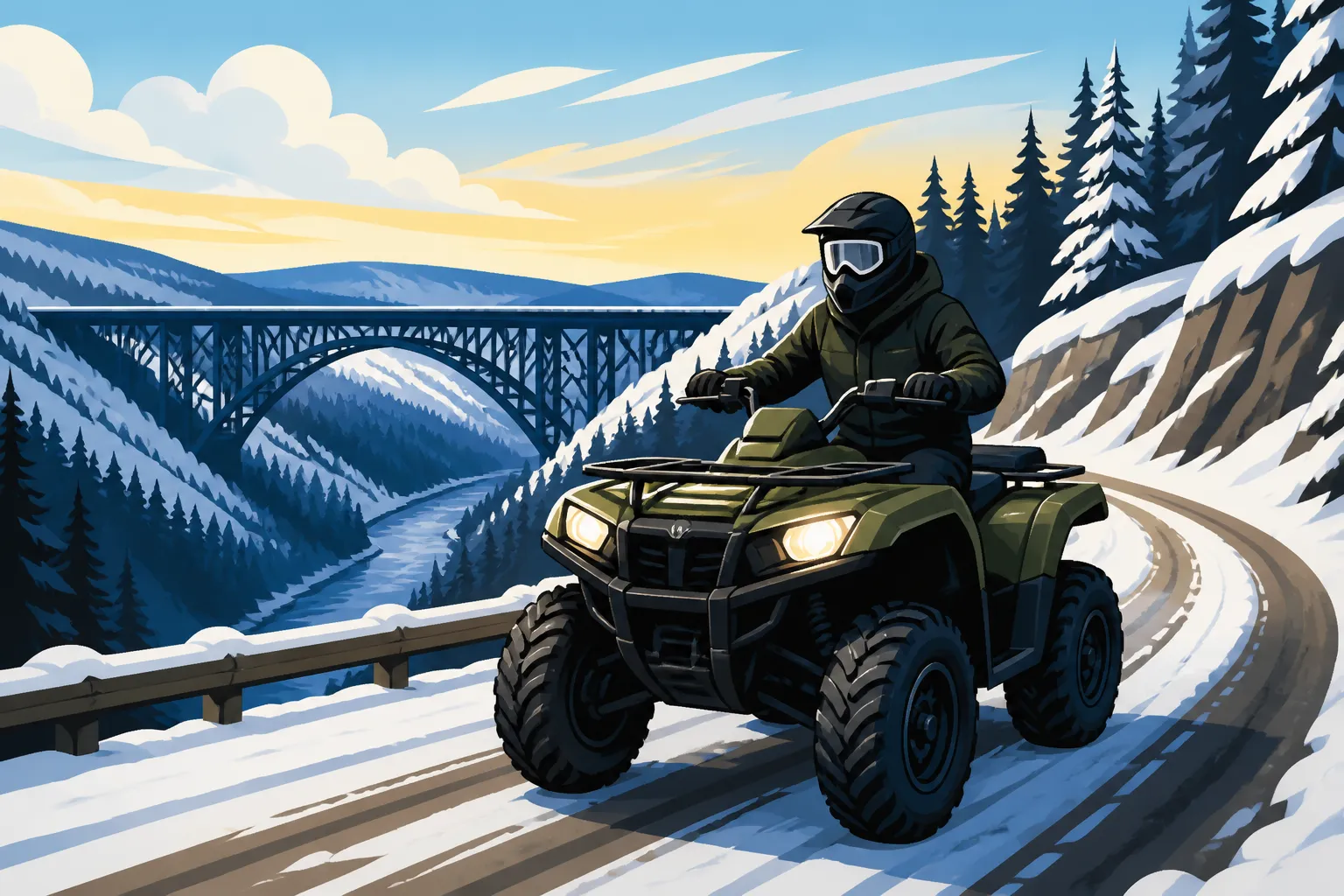
Riding your ATV or UTV on West Virginia roads during winter presents a whole new level of challenge, especially when you're used to fair-weather cruising or even just trail riding where roads aren't a concern. The sudden appearance of black ice, snow drifts, and just plain biting cold can turn a quick trip into a hazardous ordeal, leaving you questioning if it's even worth taking your machine out. This guide is here to walk you through the unique risks, necessary preparations, and smart riding strategies you'll need to safely navigate West Virginia's public roads when winter sets in.
The Harsh Realities of Winter Road Riding in West Virginia
Let's be real, winter in West Virginia isn't just a picturesque blanket of snow; it's a genuine test of endurance for both rider and machine, particularly when you venture onto public roads. The conditions can shift from perfectly clear to treacherous in a matter of minutes, and ignoring these realities is a recipe for trouble.
Unpredictable Road Conditions and Hidden Hazards
One moment you might be cruising a relatively dry stretch, and the next you're hitting a patch of hidden black ice in the shade of a mountain or a dense thicket of trees. These icy spots are insidious because they're often invisible, blending seamlessly with the wet pavement, making them impossible to spot until you're already on them. Then there are the snow drifts, which can accumulate rapidly, especially on less-traveled county routes or [West Virginia's 10-Mile, 25 mph Road Rule]([West Virginia's 10-Mile, 25 mph Road Rule](West Virginia's 10-Mile, 25 mph Road Rule)) roads. These aren't just powdery piles; they can hide chunks of ice, potholes, or even debris plowed off the road by larger vehicles. What might look like a harmless snowbank could conceal a deep ditch or a rock, turning a simple pass into a catastrophic event. Even melting snow and ice can create problems, leading to slick spots, especially as temperatures drop again and refreeze overnight.
Reduced Traction and Braking Challenges
The grip your ATV or UTV has on dry asphalt is significantly compromised when ice, snow, or even just freezing rain enters the picture. Your tires, designed for off-road prowess or mild on-road use, simply don't have the same bite on slick surfaces. This means your stopping distances will drastically increase, making emergency braking a perilous endeavor. Imagine a situation where a deer darts out onto a [West Virginia County Route]([West Virginia Rules for Riding a County Route](West Virginia Rules for Riding a County Route)) in front of you, and you suddenly need to stop. On dry pavement, it's a jolt; on black ice, it could be an uncontrolled slide, potentially leading to a collision or flipping your machine. Even minor turns become exercises in precision and caution. The engine braking you rely on for slowing down on trails can also become a liability on icy roads, potentially causing your wheels to lock up and you to lose control. It's a fundamental shift in how your machine interacts with the ground, demanding a completely different approach to throttle and brake control.
Dealing with Cold, Wind, and Visibility Issues
Beyond the road surface itself, the sheer elements are against you. The biting West Virginia wind, especially in the hollows and mountain passes, will cut right through inadequate gear. Wind chill can make 30 degrees feel like 10, leading to rapid onset hypothermia if you're not properly insulated. Then there's the issue of visibility. Winter daylight hours are shorter, meaning more of your riding might happen during dusk or dawn when light is already low. Add to that the potential for falling snow, freezing fog, or even just the glare off a snow-covered landscape, and seeing and being seen becomes a serious concern. Your helmet visor might fog, your goggles might ice over, or snow kicked up by passing vehicles can momentarily blind you. These conditions demand not just physical preparedness but a heightened sense of awareness and caution from every rider.
Gearing Up Your Machine for West Virginia's Winter Roads
Just like you wouldn't head to the beach in a parka, you shouldn't tackle winter roads with a summer setup. Your ATV or UTV needs specific modifications and careful maintenance to stand a chance against West Virginia's colder, harsher road conditions.
Tire Choices: Studs, Chains, and Tread Patterns
This is perhaps the most critical component for winter road safety. Your standard trail tires, while great for mud and rocks, often lack the siping and softer compounds needed to grip ice and packed snow. When considering tires, you have a few options:
- Studded Tires: These tires have small metal studs embedded in the tread, designed to dig into ice for superior grip. They can make a massive difference on slick, frozen surfaces. However, be aware that while they offer excellent ice traction, they can actually reduce grip on dry pavement and may wear faster if used extensively on bare asphalt. They also tend to be noisier.
- Tire Chains: For extreme conditions or short stretches of very deep snow and ice, tire chains can be a lifesaaver. They provide maximum traction in the worst conditions but are not practical for extended road use. They are usually slow-speed items, can damage pavement if misused, and are a chore to install and remove. They're best reserved for specific, very challenging sections rather than general road riding.
- Aggressive All-Terrain (AT) or Mud-Terrain (MT) Tires with Siping: Some ATVs and UTVs come with more aggressive tires that, when properly siped (small cuts made in the tread blocks), can offer better winter performance than standard street-oriented tires. Siping allows the tread blocks to flex and conform to the road surface better, gripping small imperfections and channeling water away. Companies like SuperATV offer a range of tires that, with some research, can be chosen for better all-season performance, including specific compounds or tread patterns that shed snow and maintain flexibility in colder temperatures. Always check manufacturer specifications for cold-weather performance.
Here's a quick comparison of tire options for winter road riding:
| Feature | Studded Tires | Tire Chains | Aggressive AT/MT (Siped) | Standard Road/Trail Tires |
|---|---|---|---|---|
| Ice Traction | Excellent | Excellent | Fair to Good | Poor |
| Snow Traction | Very Good | Excellent | Good to Very Good | Fair |
| Dry Pavement | Reduced, Noisy | Not Recommended (Slow Speed Only) | Good | Good |
| Installation | Professional/Pre-installed | Manual, Time-consuming | Standard | Standard |
| Wear | Faster on dry pavement | Minimal (intermittent use) | Moderate | Normal |
| Damage Risk | Low (on pavement) | High (if misused/over-speed) | Low | Low |
| Best Use Case | Regular use on icy roads | Extreme, short-distance traction | Versatile for mixed conditions | Mild winter, no snow/ice |
Essential Machine Maintenance for Cold Weather
Winter weather takes a toll on your machine, so preventative maintenance is crucial. Start by checking your battery. Cold weather significantly reduces battery efficiency, and a weak battery might struggle to crank your engine in sub-freezing temperatures. Consider a battery tender if your machine sits for extended periods. Next, inspect all fluids. Ensure your coolant is rated for the expected low temperatures; topping off with a proper antifreeze mixture is vital to prevent freezing and engine damage. Check your oil; some riders opt for lighter viscosity oils in winter to aid cold starts, but always refer to your owner's manual.
Beyond fluids, inspect your brakes. Corrosive road salt and moisture can quickly degrade brake components. Ensure your pads are thick, and your brake lines aren't compromised. Lubricate all moving parts, cables, and hinges to prevent freezing and ensure smooth operation. Air filters can get clogged with fine snow or ice, so check and clean them regularly. Finally, don't forget your winch. If you have one, ensure it's in top working order and you have all necessary recovery gear, as getting stuck in winter can quickly become a serious emergency. [Carrying Your Title Copy on a Trail Ride]([Do You Need Paperwork on the Trail in West Virginia?](Do You Need Paperwork on the Trail in West Virginia?)) might seem unrelated but having proof of ownership handy is always a good idea in case of a breakdown and need for assistance.
Lighting, Winches, and Cold-Weather Accessories
Visibility is paramount, so ensure all your lights are functioning perfectly: headlights, taillights, brake lights, and turn signals. Consider adding auxiliary LED lights for better illumination during dark winter hours, especially if you'll be riding near [West Virginia's 20-Mile Centerline Limit for an SPV]([West Virginia's 20-Mile Centerline Limit for an SPV](West Virginia's 20-Mile Centerline Limit for an SPV)) or other less-lit roads. A good quality windshield can offer significant protection from wind chill and snow, but ensure it's clear and doesn't fog easily. Many riders opt for heated grips and thumb warmers, which are absolute game-changers for comfort on long, cold rides. These accessories, often available from brands like SuperATV, can make the difference between an enjoyable ride and excruciating pain. A powerful winch, properly mounted and regularly maintained, is not just for off-road recovery; it can get you unstuck from a snow drift on a remote road or help a fellow rider in need.
Prioritizing Rider Safety and Preparedness
Your machine might be ready, but are you? Riding in winter requires a deep commitment to personal safety and being prepared for the unexpected. The consequences of an oversight can be far more severe than in warmer months.
Layering for Warmth and Protection
This isn't just about throwing on a heavy coat. Proper layering is a science when it comes to extreme cold. Start with a moisture-wicking base layer against your skin to draw sweat away. Cotton is a no-go, as it holds moisture and rapidly saps body heat when wet. Next, add an insulating mid-layer, such as fleece or wool, to trap warmth. Finally, an outer shell that is waterproof and windproof is essential to protect against snow, freezing rain, and that brutal West Virginia wind. Don't forget extremities: warm, waterproof gloves or mittens (mittens are often warmer), insulated, waterproof boots, and a balaclava or neck gaiter under your helmet are non-negotiable. [West Virginia Helmet Standards: DOT, Snell and ANSI]([West Virginia Helmet Standards: DOT, Snell and ANSI](West Virginia Helmet Standards: DOT, Snell and ANSI)) are important to adhere to, but also ensure your helmet is comfortable with your layering. Many riders find modular helmets with a heated shield offer the best balance of warmth and visibility.
Enhancing Rider Visibility on Winter Roads
In winter, visibility often plummets. Shorter daylight, falling snow, fog, and the general drabness of the season mean you need to do everything you can to be seen. Wear bright, high-contrast clothing, preferably with reflective strips. A blaze orange vest or jacket isn't just for hunting season; it can literally be a lifesaver on winter roads. Your machine should also have ample reflective tape, especially on the sides and rear. Consider running your headlights and taillights even during the day to enhance your presence. Remember, other drivers, especially those in cars and trucks, might not be expecting an ATV or UTV on the road, and their own visibility may be compromised by frost or grime on their windows. Making yourself as obvious as possible is your first line of defense against being hit. [West Virginia Headlight Rules After Sunset]([West Virginia Headlight Rules After Sunset](West Virginia Headlight Rules After Sunset)) apply to all street-legal machines, and in winter, it's wise to extend those rules to daytime as well.
Emergency Gear for Unexpected Situations
Getting stranded in freezing temperatures is not just inconvenient; it's dangerous. Your emergency kit for winter road riding needs to be robust. Include a first-aid kit, extra layers of clothing (especially socks and gloves), hand warmers, a fully charged power bank for your phone, a flashlight or headlamp with extra batteries, and a small shovel. High-energy snacks and a thermos of hot coffee or soup can provide critical warmth and sustenance. Always carry a tow strap or recovery rope, even if you have a winch. A fire starter and some kindling can be a lifesaver if you're truly stuck in a remote area. Consider a small, portable jump starter for your machine's battery. And always, always tell someone your route and your estimated return time, especially if you're venturing onto less-traveled [West Virginia County Routes]([West Virginia Rules for Riding a County Route](West Virginia Rules for Riding a County Route)).
Legality and Smart Riding Practices on West Virginia's Winter Roads
Beyond preparing your machine and yourself, understanding and adhering to West Virginia's specific rules for ATV/UTV road access, coupled with smart riding practices tailored to winter, is essential for a safe and legal journey.
Revisiting West Virginia's Road Access Rules
West Virginia has specific laws governing where and how ATVs and UTVs can be operated on public roads. Generally, you cannot just ride anywhere. Machines need to be titled, and in many cases, need to be converted to a [West Virginia's Street-Legal Special Purpose Vehicle Plate]([West Virginia's Street-Legal Special Purpose Vehicle Plate](West Virginia's Street-Legal Special Purpose Vehicle Plate)) (SPV) to ride on paved roads. This involves meeting specific equipment requirements like DOT-approved tires, mirrors, turn signals, and a horn. Even then, SPV use is often limited to secondary roads and specific trail towns, not interstates or major highways. [West Virginia's 20-Mile Centerline Limit for an SPV]([West Virginia's 20-Mile Centerline Limit for an SPV](West Virginia's 20-Mile Centerline Limit for an SPV)) and the [West Virginia's 10-Mile, 25 mph Road Rule]([West Virginia's 10-Mile, 25 mph Road Rule](West Virginia's 10-Mile, 25 mph Road Rule)) for non-SPV machines are crucial to remember. These rules don't disappear just because it's winter. In fact, law enforcement might be even more vigilant, as an improperly equipped or illegally ridden ATV or UTV becomes an even greater hazard in adverse conditions. Always double-check your local ordinances, especially if you plan to ride through [West Virginia's ATV-Friendly Towns and What You Can Ride]([West Virginia's ATV-Friendly Towns and What You Can Ride](West Virginia's ATV-Friendly Towns and What You Can Ride)).
Responsible Riding: Speed, Distance, and Trail Town Courtesy
Common sense is your best friend in winter. Slow down, way down. The speed limits posted for cars are often far too fast for an ATV or UTV on icy or snow-packed roads. Increase your following distance from other vehicles significantly. Anticipate turns, stops, and potential hazards well in advance. Smooth inputs are key – sudden braking, sharp turns, or aggressive acceleration can easily lead to a loss of traction. When riding through a trail town, remember that while they might be welcoming to ATVs, winter conditions require even more respect for residents and businesses. Avoid making excessive noise, keep your speed to a crawl, and be extra careful around pedestrians and parked cars, as icy conditions can make maneuvering difficult even for foot traffic. Don't be "that rider" who gives all ATV and UTV enthusiasts a bad name, especially when everyone is dealing with the challenges of winter. [West Virginia ATV Speed Limit on a Public Road]([West Virginia ATV Speed Limit on a Public Road](West Virginia ATV Speed Limit on a Public Road)) should be seen as a maximum, not a target, in winter.
Understanding Liability in Winter Conditions
Riding an ATV or UTV on public roads always carries liability, and this is amplified in winter. Accidents are more likely to occur due to adverse conditions, and proving fault can become complex. Ensure your [West Virginia ATV Liability Coverage Limits]([West Virginia ATV Liability Coverage Limits](West Virginia ATV Liability Coverage Limits)) are adequate, and understand what your policy covers in the event of an accident involving property damage or personal injury. If your machine is street-legal, [Insurance Required for a West Virginia SPV Plate]([Insurance Required for a West Virginia SPV Plate](Insurance Required for a West Virginia SPV Plate)) is a must. Operating an ATV or UTV without proper insurance can lead to severe financial consequences if you're involved in a collision. Remember, even if you are riding responsibly, other drivers might not be, and their lack of control on icy roads could still involve you. Being prepared for the legal and financial aftermath of an incident is just as important as preparing for the ride itself. Always prioritize safety over speed or convenience, and remember that local authorities may be more inclined to issue [Tickets West Virginia Deputies Write for Road Riding]([Tickets West Virginia Deputies Write for Road Riding](Tickets West Virginia Deputies Write for Road Riding)) when winter conditions increase the risk factor.
Disclaimer
This article is for general informational purposes only and does not constitute professional advice. Laws, prices and regulations vary by location and change over time. Consult a qualified professional for guidance on your specific situation.