West Virginia Gas Stations That Serve ATV Riders
One of the trickiest parts of riding your ATV or UTV in West Virginia, especially when you're exploring the vast trail systems or hitting those scenic backroads, is figuring out where you're going to refuel. It’s easy to get absorbed in the ride, only to glance down and realize your fuel gauge is staring back at you with a chillingly low reading. This guide is here to help you navigate the landscape of gas stations across West Virginia, highlighting spots that cater to off-road riders and offering practical advice to keep your tank full and your adventure going strong.
Navigating Fuel Stops in West Virginia's ATV-Friendly Towns
When you're out exploring the wild and wonderful West Virginia, a full tank is your best friend. But unlike driving a regular car on a main highway, finding a suitable gas station for your ATV or UTV isn't always as straightforward as you'd hope. Many riders arrive in unfamiliar areas, eager to hit the trails, and the last thing they want to worry about is running on fumes far from civilization.
The Importance of Planning Your Route for Fuel
Planning your fuel stops isn't just a suggestion; it's a necessity, especially when you're delving into West Virginia's more remote regions or tackling the extensive trail systems. The beauty of places like the Hatfield-McCoy Trails is that many systems actually connect directly into vibrant trail towns. These towns are often specifically designed to welcome ATV and UTV riders, meaning fuel, food, and lodging are often just a short ride away from the trail itself. However, it’s a common misconception that every gas station you see will be easy to access or even appreciate a mud-splattered side-by-side pulling up to the pump. In more isolated areas, fuel can be surprisingly scarce, turning a minor oversight into a major headache if you haven't planned ahead. Always map out your route, noting potential fuel stops and their operating hours before you leave camp. Understanding the specific rules about riding on roads to reach these services, such as [West Virginia's 10-Mile, 25 mph Road Rule], is crucial for a legal and stress-free trip to the pump.
What Makes a Gas Station "ATV-Friendly"?
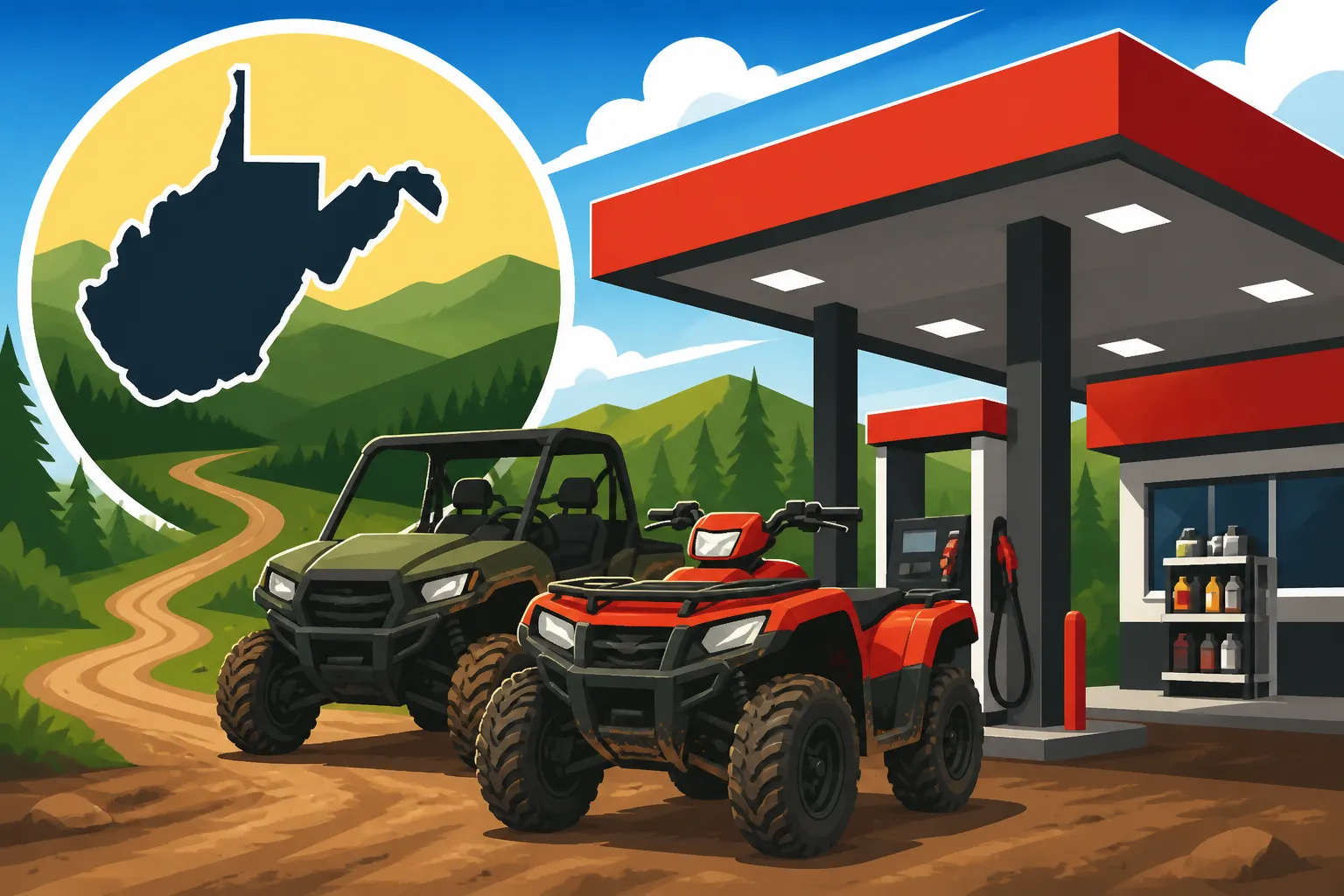
So, what exactly makes a gas station "ATV-friendly" in West Virginia? It’s more than just having gasoline. First and foremost, space is key. Many riders are pulling trailers with multiple machines, or they’re driving larger UTVs that need a wider turning radius than a compact car. A gas station with ample parking, wide aisles, and easy in-and-out access for both trucks-with-trailers and the machines themselves is a huge bonus. You don't want to be trying to squeeze a side-by-side around tight corners or through congested lots, especially if you're covered in trail dust and mud.
Beyond space, a truly ATV-friendly station often means a welcoming atmosphere for riders. Staff who understand that you might be a bit muddy and are used to seeing off-road vehicles are a big plus. These stations frequently double as convenience stores, offering not just fuel but also snacks, drinks, and sometimes even basic off-road necessities like bottled water, gloves, or even a spare tie-down strap. Some might even carry specific items like two-stroke oil for dirt bikes, or basic lubricants for ATVs, making them a true pit stop. You'll find that stations in towns like Gilbert or Man often have these characteristics, understanding that fueling up is part of the whole riding experience. For those instances when you're looking for gear or accessories beyond just fuel, remember that companies like SuperATV offer a wide range of parts and accessories that can enhance your ride, from winches to windshields, though you'll typically order these online rather than finding them at a local gas station. When you're in these dedicated trail towns, you'll really appreciate the convenience of [Fueling Up in a West Virginia ATV-Friendly Town] without hassle.
Finding Gas Stations on West Virginia's Major Trail Systems
West Virginia has carved out a reputation as an off-road paradise, largely thanks to its extensive trail networks. Knowing where to get gas within or right next to these systems is vital for maximizing your ride time and minimizing anxiety.
Hatfield-McCoy Trails: Your Fueling Hubs
The Hatfield-McCoy Trails are arguably the crown jewel of West Virginia's off-road scene, boasting over a thousand miles of interconnected trails. The genius of this system is its deliberate integration with local communities, known as "trail towns." These towns are your primary refueling points, and they’ve embraced ATV tourism wholeheartedly.
Let's break down some of the key trail towns and what you can expect for fuel:
- Gilbert: Known as the "ATV Friendly Town," Gilbert is a central hub for the Rockhouse and Devil Anse trail systems. You'll find several gas stations here, typically smaller, locally owned establishments alongside some regional convenience store chains. They are generally very accommodating to riders, with ample parking for machines and sometimes even designated ATV parking spots.
- Man & Logan: Serving as gateways to the Bearwallow Trail System, these towns have a good selection of gas stations, including larger chains that can handle trucks with trailers. You'll also find mechanics and tire shops here, which can be a lifesaver if you have a mechanical issue on the trail.
- Williamson & Matewan: These towns provide access to the Buffalo Mountain Trail System. Williamson, being a larger town, offers more options, including bigger chain gas stations that are usually easy to navigate with an ATV or UTV. Matewan, while smaller, also has local spots to fill up.
- Pineville & Mullens: Key access points for the Pinnacle Creek Trail System, these communities have a handful of gas stations and convenience stores. They understand the rider's needs and are generally well-equipped for off-road traffic.
- Bramwell: Located near the Pocahontas Trail System, this historic town offers a few gas stations, often with charming, old-school vibes that fit the town's character.
When planning your Hatfield-McCoy adventure, it's always smart to check a current trail map or use a GPS app that shows points of interest, including gas stations. Many riders find that getting started at one of the [Hatfield-McCoy Trailheads and Where to Start] means they're already near a town where they can top off their tank. These [West Virginia Trail Towns You Can Ride Into] are specifically designed to make your fueling experience as seamless as possible.
Other Trail Systems and Remote Riding Areas
While the Hatfield-McCoy Trails get a lot of attention, West Virginia offers other fantastic riding opportunities, often in more remote settings. These areas require a bit more foresight when it comes to fuel.
- Burning Rock Offroad Park: This private park, with its thousands of acres, often has a central hub or pro shop that sells fuel. However, it's always best to call ahead or check their website to confirm availability and hours, as this isn't a guaranteed feature at all private parks. Since it's a contained environment, fuel might be more readily available within the park's designated area, but you'll still want to arrive with a decent amount of gas.
- Monongahela National Forest: If you're exploring the motorized trails and forest roads within the [Monongahela National Forest Motorized Access], you're typically venturing into much wilder, less developed areas. Gas stations will be few and far between, usually located in small towns on the periphery of the forest. In these situations, carrying extra fuel in a properly secured auxiliary tank or jerry can isn't just a good idea; it's often essential. Always be prepared for long stretches without services.
For these less centralized areas, your best bet is to fill up in the last sizable town you pass before entering the trail system. Don't rely on finding a gas station right at the trailhead unless it's explicitly stated by the park or forest service. Always over-estimate your fuel needs rather than under-estimate them.
Practical Tips for Fueling Your ATV/UTV in West Virginia
Riding in West Virginia is all about adventure, but a little preparation goes a long way, especially when it comes to fuel. You don't want a low tank to cut your epic day short.
Pre-Ride Fuel Checks and Carrying Extra
Before every single ride, make it a habit to check your fuel level. Seriously, do it. Even if you "just filled up" last weekend, things can happen – maybe a leaky line, or you just forgot how much you rode. Start with a full tank whenever possible. This simple step can save you immense frustration later.
For longer rides, particularly on those more remote trails or when linking multiple trail systems, consider carrying extra fuel. A small, purpose-built fuel can, securely strapped to your machine, can be a game-changer. There are many options out there, from compact RotopaX containers to traditional metal jerry cans. Ensure whatever you choose is designed for fuel, sealed properly, and mounted safely so it won't jostle loose on rough terrain. Companies like SuperATV specialize in accessories that can make carrying extra fuel and gear easier, offering everything from heavy-duty cargo racks to secure fuel can mounts that fit a variety of ATV and UTV models. Having these accessories can truly expand your range and peace of mind.
Remember, carrying fuel comes with its own safety considerations: store it away from heat sources, ventilate well, and avoid overfilling. Always handle fuel with care.
Payment and Trail Etiquette at the Pump
When you pull into a gas station in a small West Virginia trail town, remember that you're representing the entire ATV/UTV community. A little courtesy goes a long way.
- Payment: While most gas stations in West Virginia accept major credit and debit cards, some smaller, independent stations in truly remote areas might still prefer or even only accept cash. It's always a good idea to have some cash on hand, just in case. Also, be aware that sometimes pay-at-the-pump systems might be less reliable in areas with spotty cell service, forcing you inside.
- Parking: Try to park your machine in a way that doesn't block other vehicles, especially cars that might not be towing trailers. If you're on a street-legal UTV, park it like a car. If you're on a standard ATV, look for less congested areas or even designated off-road parking if available.
- Mud and Dirt: West Virginia trails can be muddy, especially after rain. While nobody expects you to be spotless, try to avoid tracking excessive mud into the convenience store. A quick stomp of your boots outside can prevent a mess and keep you in good graces with the locals.
- Noise: Be mindful of your engine noise, especially in quiet residential areas or late at night. Respecting the community helps ensure these towns remain welcoming to riders.
Following proper [West Virginia Trail Etiquette on Shared Routes] extends to how you conduct yourself at local businesses. A friendly smile and a polite demeanor can make a big difference in how ATV riders are perceived by the local population.
Using Technology to Find Fuel
In today's connected world, your smartphone or dedicated GPS unit can be an invaluable tool for finding fuel.
- Mapping Apps: Standard mapping apps like Google Maps or Apple Maps work well for finding gas stations in developed areas. However, once you venture onto the trails or into areas with limited cell service, they become less reliable.
- Off-Road Specific Apps: Apps like onX Offroad are fantastic for off-road riders because they often show trail systems, points of interest, and sometimes even amenities like gas stations. Many of these apps allow you to download maps for offline use, which is critical for areas where cell service is non-existent. Before you head out, download the relevant maps for your riding area. This ensures you can still navigate and find essential services even without a signal.
- Pre-Planned Routes: Many riders create their routes in advance using online tools or desktop software, then upload them to their GPS device. This allows you to integrate fuel stops directly into your ride plan, minimizing surprises. Knowing how to use these tools for [Downloading Hatfield-McCoy Trail Maps] can be a lifesaver.
| Trail Town/Area | Common Fuel Options | ATV/UTV Access Considerations | Additional Notes |
|---|---|---|---|
| Gilbert | Local stations, regional convenience stores (e.g., GoMart) | Excellent, often direct trail access, designated ATV parking in some spots, wide lots. | Central hub for Rockhouse. Often has some basic supplies. |
| Man/Logan | Major chains (e.g., Speedway, Sheetz, Marathon), local stations | Good, generally accommodating, larger stations handle trailers well. Access from Bearwallow. | More services (mechanics, food) available here. |
| Williamson | Major chains, local stations | Good, larger town means more options and space, direct access from Buffalo Mountain. | Plenty of food options. |
| Pineville/Mullens | Local convenience stores, smaller chains | Decent, typically easy access from Pinnacle Creek, can be tighter lots at some older stations. | Friendly local atmosphere. |
| Bramwell | Local stations, small general stores | Accessible from Pocahontas Trail, but smaller town, so fewer options. Parking might be limited for very large rigs. | Historic town, scenic backdrop for fueling. |
| Burning Rock Park | Often on-site fuel at park HQ (verify!) | Direct access within park. | Limited to park hours and availability; plan to arrive with fuel. |
| National Forest | Peripheral small towns only (no in-forest fuel) | Requires planning to exit trails/forest roads to reach nearest town. | Carry extra fuel. Very limited services. |
Important Considerations Beyond the Pump
Fueling up is just one part of keeping your ATV or UTV running smoothly and legally in West Virginia. There are other aspects that riders often overlook, which can quickly turn a great ride into a bad day.
Understanding Road Riding Rules to Reach Fuel
One of the unique advantages of West Virginia's trail towns is the legal ability to ride your ATV or UTV on certain public roads to access services. This means you can often ride directly from the trail to a gas station, grab a bite, or even head to your lodging, all without needing to load your machine back onto a trailer. However, this isn't a free-for-all, and specific rules apply.
Generally, within designated ATV-friendly towns or on connector roads, you might be allowed to ride your machine on roads to access businesses. This often falls under rules like [West Virginia's 10-Mile, 25 mph Road Rule], which permits limited road use under specific conditions to connect trails or access services. For street-legal special purpose vehicles (SPVs), the rules are broader, allowing them on most public roads. However, there are still specific requirements these machines must meet, such as those outlined in [West Virginia's Street-Legal Special Purpose Vehicle Law], which includes things like lights, mirrors, and insurance. Always be aware of local ordinances, as they can vary even within close proximity. Don't assume that because you can ride to the gas station in one town, you can do so in every town. Look for signage, or better yet, consult a current trail map or local authority information. Ignoring these rules can lead to fines and spoil your trip.
When the Pump Isn't Enough: Maintenance and Supplies
Sometimes, your machine needs more than just a drink of gas. A flat tire, a loose chain, a burnt-out headlight – these are common occurrences on the trail. While gas stations are primarily for fuel, some of the more comprehensive convenience stores in trail towns might carry a small selection of emergency items. Think tire repair kits, basic fuses, or maybe even a bottle of oil.
However, for anything beyond the most rudimentary repairs, you'll need to look for dedicated auto parts stores or even a local mechanic. Many of the larger trail towns, like Man or Logan, have these services available. Knowing where the nearest [Mechanics Near the West Virginia Trails] are located can be incredibly reassuring.
For more specialized parts or upgrades, you'll typically be relying on online retailers or larger stores outside the immediate trail areas. For instance, if you're serious about enhancing your machine's durability and performance for the rugged West Virginia terrain, brands like SuperATV offer a vast selection of aftermarket parts – from heavy-duty axles and lift kits to robust skid plates and winch systems. While you won't find these at your average gas station, knowing that these options exist for pre-trip preparation can greatly improve your confidence on the trails. Always perform a thorough pre-ride inspection of your machine, checking tires, fluids, and all critical components, so you're less likely to need an emergency repair far from home.
Disclaimer
This article is for general informational purposes only and does not constitute professional advice. Laws, prices and regulations vary by location and change over time. Consult a qualified professional for guidance on your specific situation.