ATV Parking Rules at a West Virginia Trailhead Lot
There's nothing quite like the feeling of pulling into a West Virginia trailhead parking lot, the anticipation of a day on the trails buzzing in the air. But that excitement can quickly turn to frustration if you're left circling for a spot, trying to figure out where your big rig and trailer fit without causing a traffic jam. It's a common headache, and knowing the unwritten rules and official guidelines for parking your ATV or UTV setup can save you a lot of grief. This guide is all about navigating those trailhead lots, making sure your adventure starts smoothly and legally.
Decoding West Virginia Trailhead Parking Layouts
When you arrive at a West Virginia trailhead, especially one that grants you access to popular systems like the Hatfield-McCoy Trails, you'll notice that not all parking lots are created equal. Some are sprawling, purpose-built facilities designed to accommodate a multitude of trucks with long trailers and even toy haulers. Others might be smaller, more compact lots that serve as an entry point for a specific section of trail or a smaller community. Understanding these layouts is the first step to a stress-free parking experience.
Common Trailhead Lot Designs and Challenges
The larger, main trailheads, like those at Rockhouse or Buffalo Mountain, often feature designated areas for trucks pulling trailers. These might be long, pull-through spots or angled spaces that give you more room to maneuver. The goal is to separate vehicles with trailers from those without, reducing congestion and the risk of accidents. However, even in these well-designed lots, peak weekends can see every spot filled to capacity. You might encounter situations where riders have to get creative, which sometimes leads to blocking access roads or taking up multiple spots.
Smaller trailheads, or those in trail-friendly towns, can be even more challenging. You might find yourself parking on the street in designated zones, or in a shared municipal lot not exclusively for ATVs and UTVs. These areas might not have the extra length needed for a truck and trailer, forcing you to find separate parking for your tow vehicle and your trailer. This is where planning ahead, looking at maps, or even using satellite views online before you leave home, can really pay off. No one wants to be the person doing a 10-point turn with a 20-foot trailer while a line of eager riders waits behind them.
Reading Signage and Markings
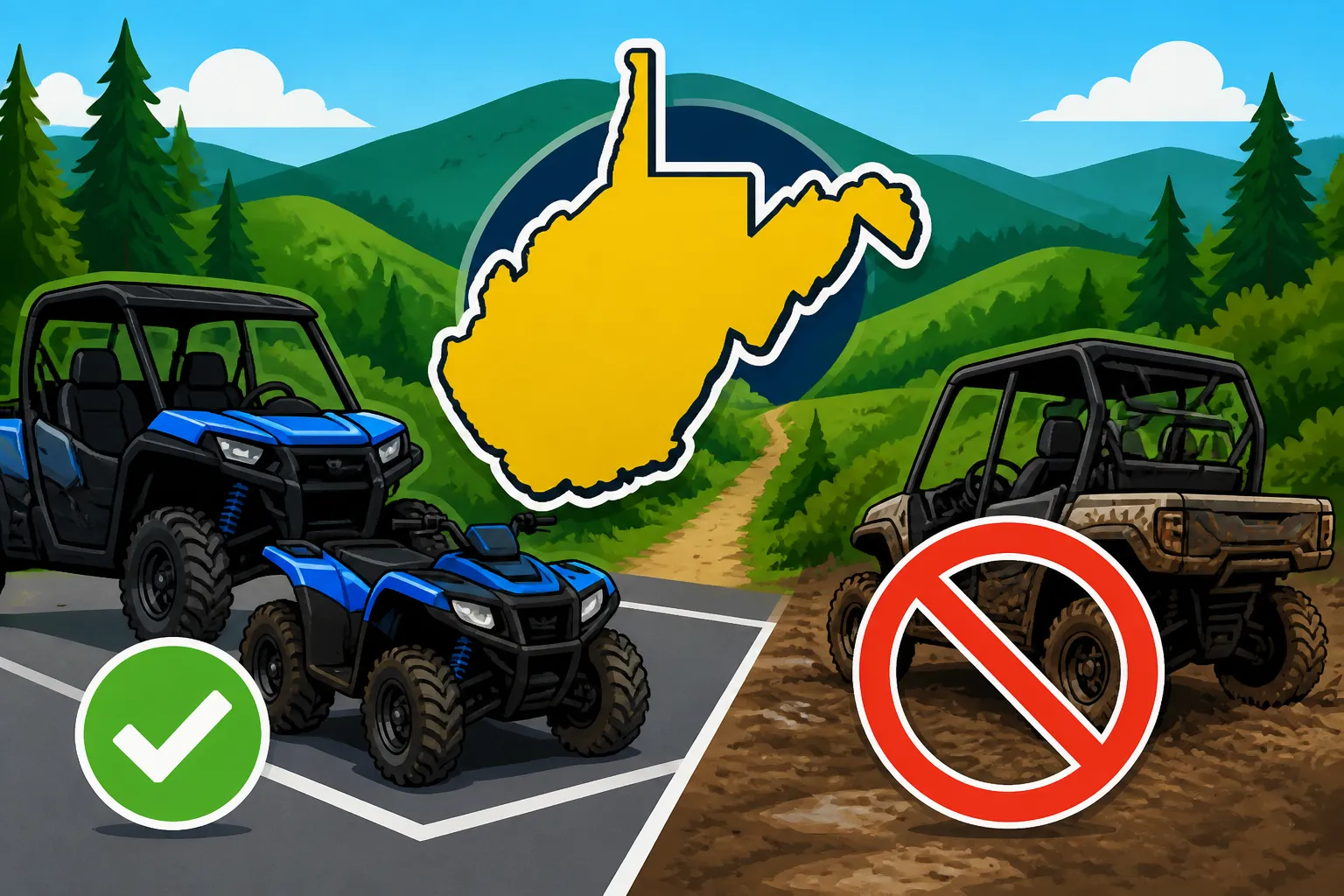
One of the best pieces of advice for any West Virginia trailhead is to slow down and actually read the signs. Seriously, don't just barrel in! Many trailheads have clear signage indicating where trailer parking is permitted, where day-use parking is, and even where overflow areas are located. Some signs might specify "truck and trailer parking only" or "passenger vehicle parking." Ignoring these can lead to frustration for others and potentially a ticket for you. Look for painted lines on the pavement, curbside markings, or even small posts that denote the boundaries of a parking space.
If a lot doesn't have specific trailer spots, the general rule of thumb is to use common sense and courtesy. Try to find an end spot where your trailer can extend without blocking an aisle, or park in a way that minimizes the number of spaces you consume. Remember, these lots are often bustling with excited riders eager to hit the dirt, and clear, efficient parking benefits everyone. It's always a good idea to scout out the lot's entrance and exit strategy before committing to a spot, especially if you're hauling a large machine or multiple machines on a [Trailer Registration for Hauling ATVs in West Virginia].
Managing Your Rig: Trailers, Toy Haulers, and Group Parking
Parking a single ATV in a regular pickup bed is one thing; maneuvering a truck with a 24-foot enclosed trailer or a full-blown toy hauler is another beast entirely. West Virginia's trail systems are incredibly popular, drawing riders with all sorts of setups, and knowing how to best manage your specific rig is crucial for a smooth start to your day.
Strategies for Trailers and Toy Haulers
For those with long trailers or toy haulers, the dedicated "truck and trailer" spots are your best friend. These are typically designed with enough length to accommodate your entire setup without overhanging into traffic lanes or blocking adjacent spots. If those are full, you might need to utilize an overflow lot, if one exists, or get creative. Sometimes, you'll see riders disconnect their trailers and park the tow vehicle separately, though this is often a last resort and can be inconvenient, especially if you're planning a quick pit stop rather than an all-day ride. When disconnecting, ensure your trailer is on a level surface and securely chocked to prevent any rolling. A good set of [Strapping a Side-by-Side Down for the Highway] will help keep your machine secure in the trailer while you're driving to the trailhead, but also ensure it doesn't shift once parked.
If you're bringing a toy hauler, you'll need even more space. These beasts demand long, straight pull-through spots or very large angled spaces. It's why many seasoned riders recommend arriving early, especially on weekends or during special events like TrailFest, to snag the best spots. Some of the newer, larger trailheads have gone to great lengths to provide [Hatfield-McCoy Trailhead Parking That Fits a Toy Hauler], recognizing the growing trend in off-road adventuring. Just be mindful of how much space your slide-outs might take if you plan to extend them while parked, ensuring you don't infringe on a neighbor's space.
Parking for Groups and Multiple Machines
Riding with a group is a blast, but parking as a convoy requires coordination. It's tempting to all try to park right next to each other, but this isn't always feasible or courteous. Instead, focus on parking efficiently. If one truck has a small utility trailer with two ATVs, and another has a larger enclosed trailer for UTVs, they might need different types of spots. Communicate with your group beforehand. One strategy is to have a lead vehicle scout out parking, then radio back to the others.
When you're trying to park multiple vehicles, especially during busy times, consider carpooling where possible or consolidating machines onto fewer, larger trailers. This not only reduces the number of vehicles vying for spots but also cuts down on the footprint your group takes up. Some trailheads might even have designated "group parking" areas, but these are rare. Remember, the goal is to make it easy for everyone, so being thoughtful about your group's collective parking strategy is part of good [West Virginia Trail Etiquette on Shared Routes]. You don't want to be responsible for someone getting a [West Virginia ATV Ticket Costs] because your group took up too much room.
Etiquette and Safety Beyond the Spot
Parking isn't just about finding an empty space; it's about doing so responsibly and with respect for other riders and the trailhead facilities themselves. Proper etiquette and safety measures begin the moment you enter the lot and extend beyond just turning off your engine.
Loading, Unloading, and Pre-Ride Checks
The trailhead lot is a busy place, and it's not the time or place for leisurely loading or unloading in the middle of a traffic lane. Always pull into a designated parking spot or an open area specifically set aside for staging before you start unstrapping your machines. This allows the flow of traffic to continue unimpeded. Once parked, take your time with your pre-ride checks: tires, fluids, and making sure all your gear is secure. Companies like SuperATV offer a range of accessories, from storage bags to tie-downs, that can help you organize and secure your items efficiently, making your pre-ride routine smoother.
When unloading, be mindful of your surroundings. Don't unramp directly into another parked vehicle or block the main aisle. If you have a side-by-side, be aware of the swing of your doors or tailgate. After unloading, immediately move your tow vehicle and trailer to their appropriate parking spots. The same goes for loading up after your ride; resist the urge to pull your truck and trailer into a "no parking" zone to load. Find a spot, load up, and then you're ready to head home. Many trail systems have rules against [Loading a Machine on a Roadside] for safety reasons, so stick to designated areas.
Securing Your Gear and Valuables
While West Virginia's trail towns are generally friendly places, trailhead lots can be targets for opportunistic theft, especially during busy weekends. Never leave valuables openly displayed in your truck or trailer. If you're using an open trailer, ensure your ATVs or UTVs are securely locked down. Consider using wheel chocks or robust chains in addition to your tie-downs. Many riders invest in sturdy toolboxes or secure cargo boxes for their trucks to keep helmets, riding gear, and other small items out of sight.
If you're leaving your trailer unhitched, make sure the hitch coupler is locked, and if possible, use a wheel clamp or a similar device to deter theft. Even your spare tire or fuel cans can be attractive to thieves. Companies like SuperATV also provide security accessories like locking gas caps or storage solutions that integrate with your machine, adding an extra layer of protection against theft. When you're out on the trails enjoying the ride, the last thing you want to worry about is the safety of your gear back at the lot.
Observing Speed Limits and Pedestrian Safety
Trailhead parking lots are not places for speed. There are often children, pets, and other riders walking between vehicles, loading machines, and gathering their gear. Obey any posted speed limits, and even if none are posted, drive slowly and cautiously. Keep an eye out for reversing vehicles, open doors, and pedestrians. This is especially true for [West Virginia Sheriff Patrols in Trail Towns] who keep a close watch on these areas.
Remember that noise pollution can also be a concern. While we all love the rumble of a well-tuned machine, idling for extended periods or revving your engine unnecessarily in a crowded parking lot can be disruptive and unwelcome. A little common courtesy goes a long way in ensuring everyone has a pleasant experience, from the moment they arrive to the moment they pull away, whether they've just completed the [West Virginia ATV Safety Awareness Course] or are seasoned pros.
Consequences of Improper Parking and How to Avoid Them
Ignoring parking rules or being inconsiderate at a trailhead lot can lead to more than just dirty looks. There are real consequences, from fines to impacting future trail access. Understanding these risks helps ensure you always park smart.
Tickets, Fines, and Towing Risks
The most immediate consequence of improper parking is usually a ticket. Depending on the violation, fines can vary. Parking in a no-parking zone, blocking a fire lane, or taking up multiple spots unnecessarily might all incur penalties. In some cases, if your vehicle or trailer is causing a significant obstruction or safety hazard, it could even be towed. Imagine finishing a fantastic day on the trails only to find your truck and trailer gone! The cost of retrieving a towed vehicle, along with the associated fines, can quickly overshadow the fun you had on the trails. Always refer to [West Virginia Trail Maps and Signage] for specific parking instructions.
Trail rangers and local law enforcement actively patrol these trailhead areas, especially on busy weekends. They are there not just to enforce trail rules but also to ensure public safety and order in the parking lots. A [West Virginia Trail Ranger and What They Check] includes ensuring parking compliance, not just valid permits. It's simply not worth the risk of a citation when a little extra effort can ensure you're parked legally.
Impact on Trail Access and Community Relations
Beyond personal financial penalties, improper parking can have broader negative impacts. When trailhead lots become chaotic or local businesses have their parking blocked by trail users, it creates a bad impression. This can strain relations between the ATV community and the trail-friendly towns that so graciously welcome us. Over time, recurring parking problems could lead to stricter regulations, fewer parking options, or even a push to limit trail access in certain areas. These towns thrive on tourism from ATV riders, and maintaining a positive relationship is paramount.
It's a responsibility we all share as riders to be good stewards of the trails and the surrounding communities. Parking courteously and legally is a small but significant way to contribute to the sustainability of the West Virginia ATV and UTV experience. By doing so, we help ensure these incredible trail systems remain open and accessible for years to come. Think about the next person and the next generation of riders.
A Quick Guide to Trailhead Parking
Here's a handy table to help you navigate West Virginia trailhead parking with ease:
| Parking Scenario | Best Practice | What to Avoid | Key Reminder |
|---|---|---|---|
| Truck & Trailer | Use designated long, pull-through spots; park straight and within lines. | Blocking adjacent spots, traffic lanes, or access points. | Arrive early on busy days. |
| Toy Haulers | Seek out largest designated spots or overflow areas specifically for RVs. | Overhanging into driving aisles or taking up multiple car-sized spots. | Plan ahead; scout lots online if possible. |
| Single Vehicle/ATV in Bed | Park in standard car-sized spots; ensure no part extends into another space. | Parking in trailer-specific zones when not hauling a trailer. | Standard parking etiquette applies. |
| Loading/Unloading | Stage in designated areas or within your secured parking spot. | Performing these actions in traffic lanes or blocking entrance/exit points. | Do it quickly and safely, then secure your rig. |
| Group Parking | Coordinate efficiently; aim for contiguous spots without blocking access. | Spreading out unnecessarily; allowing one vehicle to take up prime real estate. | Communicate with your group; consolidate machines when possible. |
| Overall Courtesy | Read signs, observe speed limits, be mindful of pedestrians. | Excessive noise, littering, aggressive driving in the lot. | Your behavior reflects on the entire riding community. |
Ultimately, getting your ATV or UTV parked properly at a West Virginia trailhead isn't rocket science, but it does require a bit of foresight and a good dose of common courtesy. By understanding the typical layouts, planning for your specific rig, and practicing good trailhead etiquette, you can ensure your off-road adventure starts and ends on the right note.
Disclaimer
This article is for general informational purposes only and does not constitute professional advice. Laws, prices and regulations vary by location and change over time. Consult a qualified professional for guidance on your specific situation.