West Virginia Trail Systems Ranked by Difficulty
West Virginia trail systems ranked by practical difficulty help riders choose routes matching machine size and experience.
The map is not the permission.
National forest and BLM routes, state OHV parks, and club trails crossing private land — with the closures and passes that decide whether today counts.
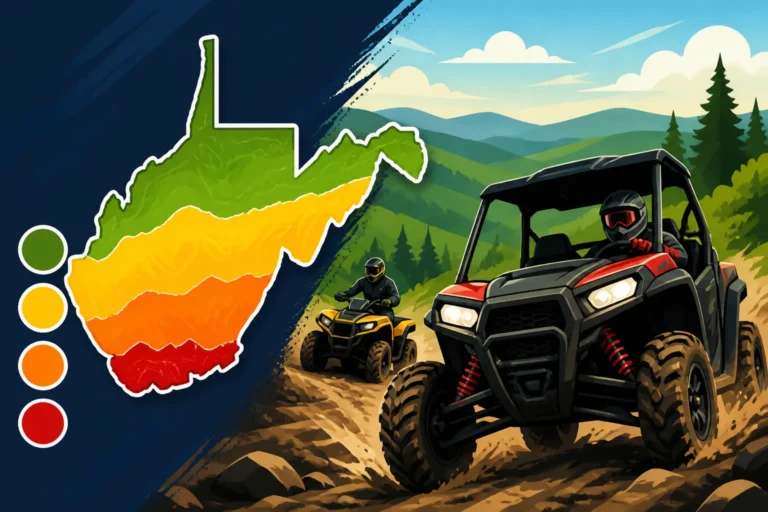
West Virginia trail systems ranked by practical difficulty help riders choose routes matching machine size and experience.
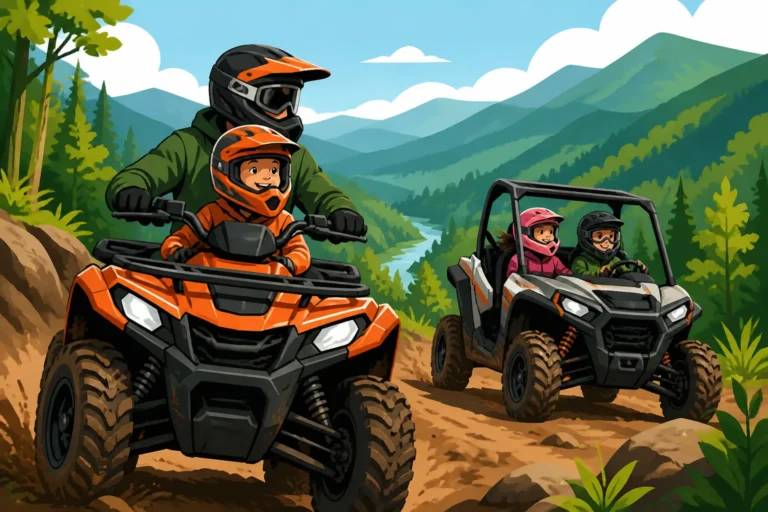
West Virginia off-road trail riding with children requires checking age rules, safety habits, and route choices.
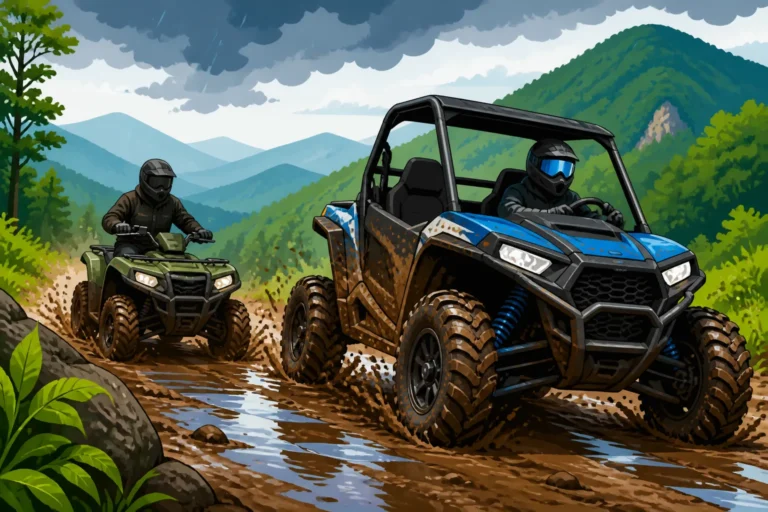
West Virginia trail conditions after rain vary by terrain, creating hidden mud, rising creeks, and slippery rock surfaces.
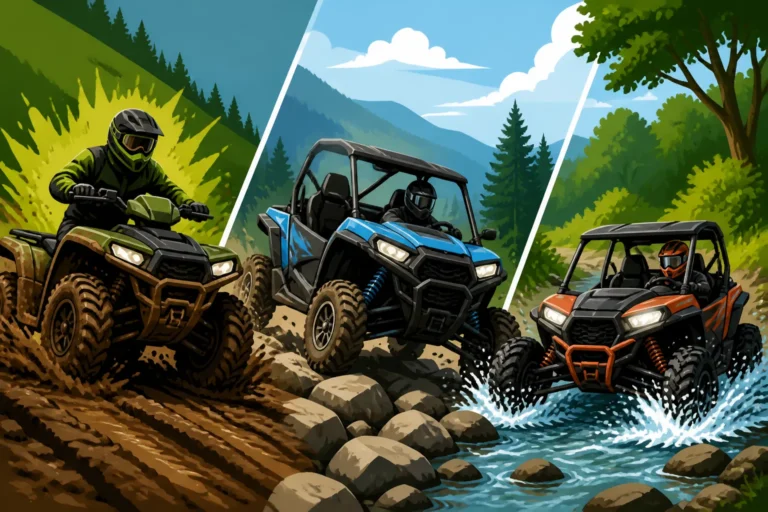
West Virginia trail riding requires careful handling of mud, rocks, and creek crossings to protect machines and ride responsibly.
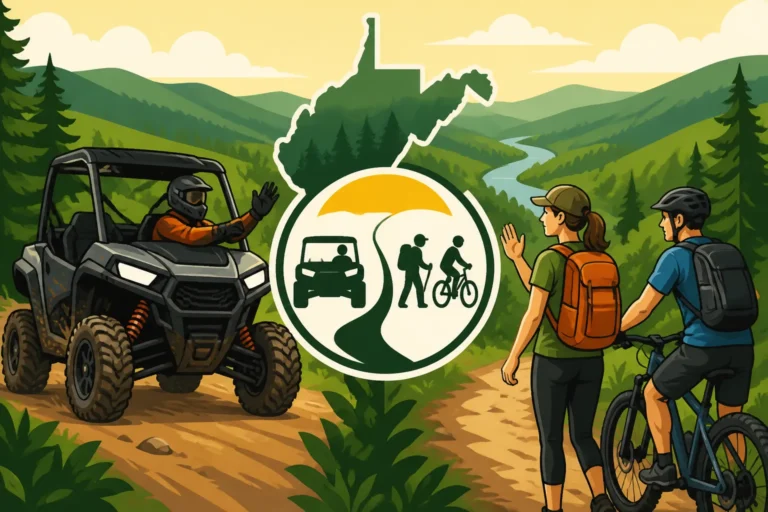
West Virginia shared trails safety rules for ATVs, hikers, and cyclists to avoid conflicts and protect routes.
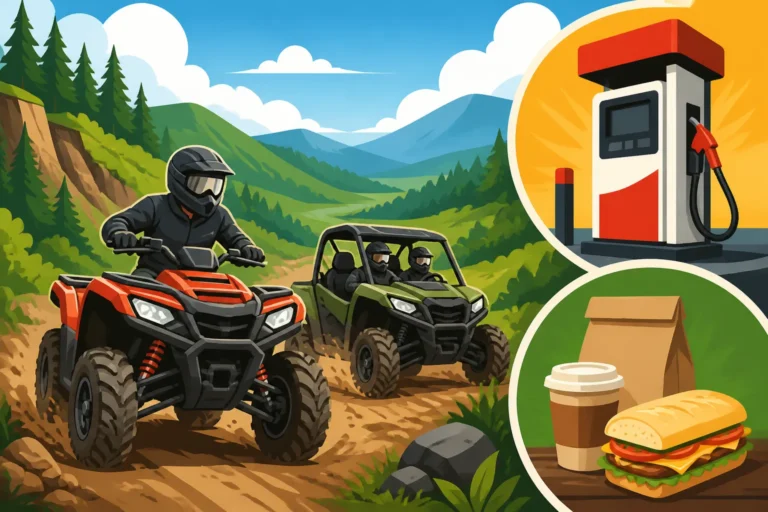
West Virginia trail riders learn how to plan fuel stops, estimate machine range, and carry reserve supplies safely.
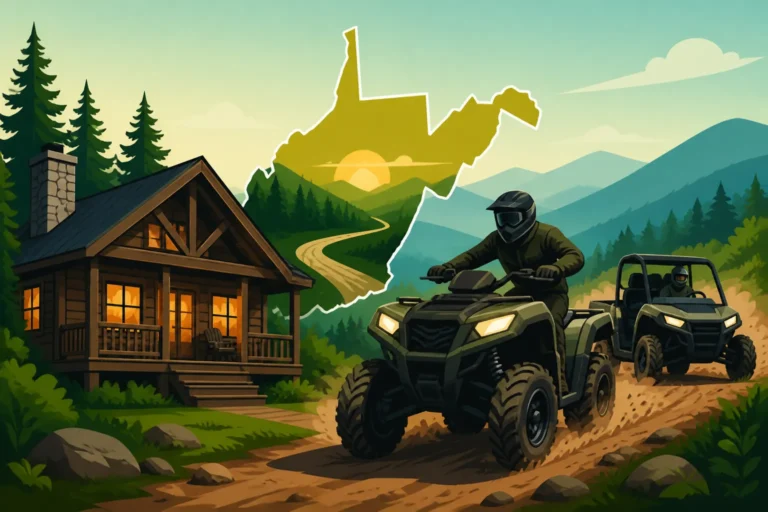
West Virginia cabin rentals with direct trail access require confirming legal routes, landowner permission, and local riding rules before booking.
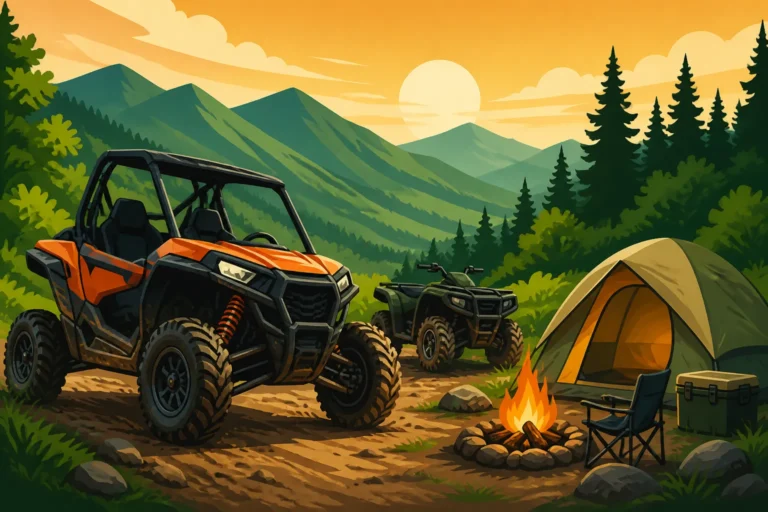
West Virginia ATV and UTV camping explains how to choose a campsite, plan routes, and verify legal trail access.
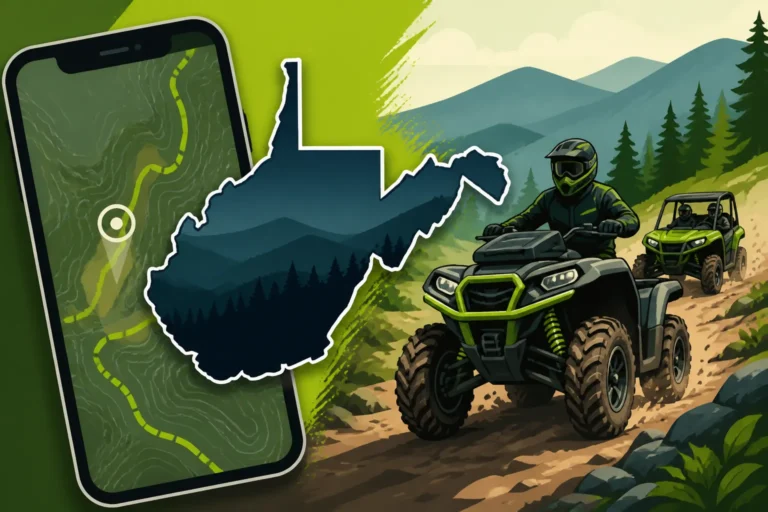
West Virginia trail navigation with onX Offroad details planning rides, checking permits, and respecting property boundaries.

West Virginia ATV and UTV trail maps and signs help riders navigate authorized routes, check closures, and choose reliable tools.