Checking a Title Status With the West Virginia DMV
It can be incredibly frustrating to be in limbo after you've bought an ATV or UTV, or even just applied for a replacement title. You've handed over money, or filled out paperwork, and now you're just waiting, wondering, "Did it go through? Is my title on its way?" This guide is all about cutting through that uncertainty, showing you exactly how to check the status of your ATV or UTV title with the West Virginia DMV, and what to do when you get an answer.
Why You Might Need to Check a Title Status
There are a few key moments in any ATV or UTV owner's journey where knowing how to check a title status isn't just helpful, it's absolutely crucial. Whether you're making a big purchase or just waiting for your own paperwork to come through, a little proactive checking can save you a whole lot of heartache down the road.
Buying a Used Machine
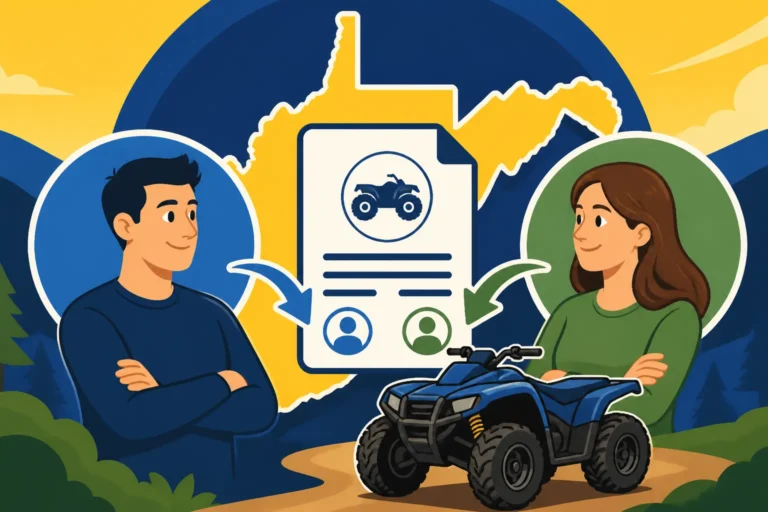
Imagine finding the perfect used side-by-side online. The price is right, it looks great in the pictures, and the seller seems legitimate. You meet up, shake hands, maybe even get a handwritten bill of sale. But without checking the title status before you finalize the deal, you're essentially buying blind. Is the seller truly the legal owner? Is there a lien on the machine from a previous loan? Could it even be stolen? These are all very real concerns for any buyer in West Virginia.
Verifying ownership is paramount. If the person selling you the ATV isn't the rightful owner, or if their name isn't clearly on the title, you could end up with a machine you can't legally title in your own name. This often means you've lost your money and are stuck with a very expensive paperweight. Furthermore, checking for existing liens means you avoid inheriting someone else's debt. If a bank still has a financial interest in the ATV, they could repossess it even after you've paid for it, leaving you out of luck. It’s also a vital step to confirm the machine isn't flagged as stolen, which would quickly turn your exciting new purchase into a police matter. Don't underestimate the power of a quick title status check to protect your investment and your peace of mind.
After Applying for Your Own Title
So, you've done everything right. You bought your ATV, gathered all your documents, filled out the application, and submitted it to the West Virginia DMV. Now what? The waiting game begins, and for many, that can be the most nerve-wracking part. You're eager to hit the trails, but you need that title in your hand to feel fully legitimate. Maybe you’re planning a trip to a Hatfield-McCoy trail system and want all your ducks in a row. You start wondering if it was received, if it's being processed, or if there's some hiccup you don't know about.
Typically, the DMV has processing times, but these aren't always set in stone. Holidays, staffing issues, or a sudden rush of applications can all cause unexpected delays. Knowing how to check the status means you can gently nudge the process if it seems to be taking too long, or at least confirm it's moving along as expected. Sometimes, a crucial piece of information might be missing, or a signature wasn't quite right. Without checking, you could be waiting weeks or even months unnecessarily, completely unaware that your application is sitting idle. Being proactive helps you catch these issues early and provide any missing details promptly. You might also need to understand [How Long a West Virginia ATV Title Takes] to set realistic expectations.
Lost or Damaged Titles
It happens to the best of us. You finally paid off your UTV loan, and you put your title in a "safe place" – only to find that place isn't so safe when you actually need it. Or maybe it got caught in a flood, chewed by a puppy, or simply wore out over years of being stuffed in a glove box. Whatever the reason, needing to replace a lost or damaged title for your West Virginia ATV or UTV is a common scenario. Once you've submitted the application for a replacement, the same uncertainty about processing times can creep in.
You've filled out Form DMV-4-TR and mailed it in, perhaps along with a small fee. Now you're waiting for the new document to arrive. Checking the status in this situation serves a similar purpose to checking on a new title application: it confirms the DMV received your request and is working on it. This is especially important if you have an urgent need for the title, perhaps for a sale, or if you want to ensure no unexpected issues are holding up the process. Without a way to confirm the status, you're left to wonder if your application was lost in the mail or if there's an issue you need to address. This verification can save you from a lot of stress and unnecessary delays, helping you get that crucial piece of paper back in your hands. You can also explore options like [Replacing a Lost West Virginia ATV Title].
How to Check Your ATV or UTV Title Status with the West Virginia DMV
When it comes to official documents like ATV and UTV titles, the West Virginia DMV is your primary point of contact. While many government services are moving online, the process for checking title statuses isn't always as simple as clicking a button. It often requires a bit more legwork, but knowing the right channels can make all the difference.
Online Portal Limitations
Let's address the elephant in the room first: for many things, the internet has made life incredibly easy. You can renew your driver's license, pay property taxes, and even check vehicle registration renewals online in West Virginia. However, when it comes to a specific, detailed status check for an ATV or UTV title application, the West Virginia DMV's online portal might not always provide the granular detail you're looking for. While you might be able to find general information or forms, a direct "track my title application" feature, complete with real-time updates, isn't always available in the same way you might track a package delivery.
This isn't to say the online resources are useless; they're excellent for downloading forms like the [West Virginia ATV Title Application Form] or understanding general requirements. However, if you've submitted an application and are looking for a specific status update—like whether it's been approved, printed, or mailed—you'll often find that the online system provides general information rather than personalized tracking. This limitation means you'll typically need to use more direct communication methods to get the precise answer you need for your unique situation. Don't be surprised if your initial online search for a "title tracker" comes up short; it's a common experience.
Phone Call to the DMV
Often, the most efficient way to get a specific update on your ATV or UTV title status is to pick up the phone and call the West Virginia DMV directly. While this might conjure images of long hold times, it's often the quickest route to a personalized answer, especially if your online searches haven't yielded anything specific. Before you dial, make sure you have all your relevant information handy, as the representative will need it to look up your record. This includes the Vehicle Identification Number (VIN), your full name, address, and any application numbers or dates you might have.
When you call, be prepared for a potential wait, especially during peak hours. Be patient and polite; the person on the other end is there to help you. Clearly state that you are calling to inquire about the status of an ATV or UTV title application or a replacement title. Provide the VIN first, as that's the primary identifier they'll use. Then, offer your name and address to confirm ownership or application details. Ask specific questions: "Has my application been processed?" "Has the title been mailed?" "Is anything outstanding or missing?" They should be able to provide you with a current status and potentially an estimated timeline if it's still in process. Calling is often the best way to get human-level assistance and clarify any specific concerns you might have.
Visiting a DMV Office
For those who prefer face-to-face interaction, or if your phone call hasn't yielded a clear answer, visiting a West Virginia DMV office in person is another solid option. This method can sometimes provide the most immediate and definitive answers, especially if there's a complex issue with your application that might be difficult to explain over the phone. You can find a list of [West Virginia DMV Offices That Handle ATV Titles] online.
Just like with a phone call, preparation is key. Gather all original documents related to your ATV or UTV, including proof of ownership, your ID, and any receipts or application copies you have. Crucially, have the VIN readily available. Arrive early, especially if you're visiting on a weekday morning or right after lunch, as wait times can still be substantial. When you get to the counter, clearly explain your reason for being there: you need to check the status of an ATV/UTV title application or replacement. The clerk can access the system and give you an update, and if there are any issues, they can often tell you exactly what's needed right then and there. This direct interaction can be invaluable for troubleshooting problems, and you might even be able to submit missing documents on the spot. While it requires a trip and some waiting, the certainty you gain can be well worth the effort.
What Information You'll Need to Check a Title
When you're trying to get information from the West Virginia DMV, whether over the phone or in person, they're going to need certain pieces of information to pull up your record. You can't just call up and say, "Hey, what about that quad I bought?" Having your ducks in a row with the right details will make the process much smoother and faster for everyone involved.
Essential Details for Your Query
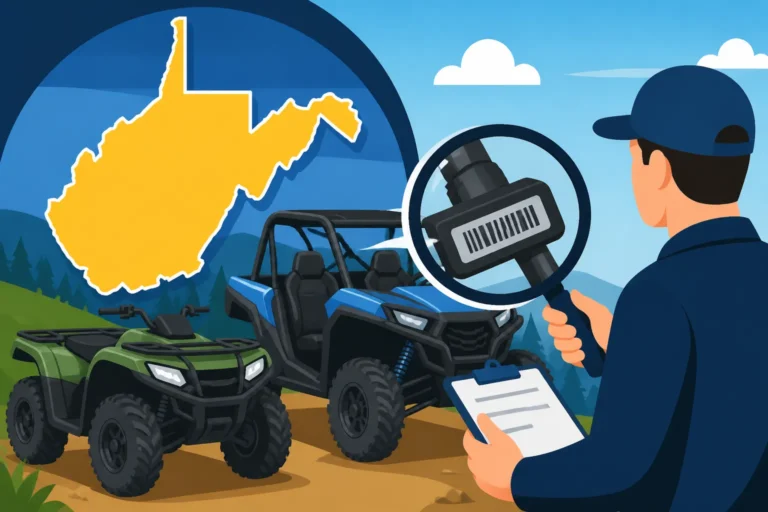
To successfully check the status of an ATV or UTV title, you'll need to provide some fundamental information that positively identifies the machine and the associated transaction. The absolute cornerstone of any vehicle inquiry is the Vehicle Identification Number (VIN). This unique 17-character code is like the DNA of your ATV; it distinguishes it from every other machine out there. Without it, the DMV has almost no way to look up your specific record accurately. So, make sure you have the correct VIN written down, or better yet, a photo of it directly from the machine's frame or a previous document.
Beyond the VIN, you'll also need the owner's name and address as it appears on the application or the previous title. If you've recently applied for a title, having the application date and any reference or transaction numbers provided by the DMV can significantly speed up the lookup process. These numbers act like a tracking ID for your specific paperwork. If you're checking a title before purchasing a used machine, you'll need the seller's name and ideally, their address as well, so the DMV can confirm they are indeed the registered owner. The more precise information you can offer, the quicker and more accurate the response will be from the DMV. Organizations like LawDepot can provide template documents, such as a bill of sale, that help ensure you gather all the correct details during a private sale, which can then be used for title applications or status checks.
Understanding the VIN's Importance
The Vehicle Identification Number (VIN) is not just another number; it is the most critical piece of data when dealing with any vehicle, including ATVs and UTVs, and especially when checking its title status. Think of it as the serial number that uniquely identifies your machine globally. Every single ATV and UTV has one, and it's permanently stamped into the frame by the manufacturer. This makes it incredibly difficult to alter or remove, serving as a primary anti-theft measure and a reliable identifier for official records.
When you provide the VIN to the West Virginia DMV, they can instantly access the machine's history, current ownership, and any associated titles or liens. This is how they can verify if a title application has been submitted for that specific vehicle, who the last registered owner was, and if there are any active financial interests from lenders. For buyers, running a VIN check before purchase is indispensable for confirming the seller's legitimacy and uncovering any hidden problems. For sellers, providing the VIN allows the buyer to do their due diligence, fostering trust. Always make it a habit to locate and record the VIN accurately. It's usually found on the frame near the front wheel, on the steering column, or under the seat. Knowing [Where to Find the VIN Stamp on an ATV Frame] can be incredibly helpful for both buyers and current owners.
Common Title Statuses and What They Mean
When you finally get through to the DMV, whether on the phone or in person, they'll give you a status update. These aren't always crystal clear, and it helps to know what the common terms mean so you can understand what's happening with your title and what, if anything, you need to do next.
"Processing" or "Pending"
If the DMV tells you your ATV or UTV title is "processing" or "pending," that's generally good news, though it requires a bit more patience. It means your application has been received, entered into the system, and is actively moving through the DMV's internal workflow. They've acknowledged your submission, and it's not sitting forgotten in a pile somewhere. This status is the normal intermediary step between submitting your paperwork and receiving your physical title.
While it's a positive sign, "processing" doesn't usually come with an exact minute-by-minute timeline. The DMV has a queue, and your application is somewhere in it. Typical processing times can vary depending on their current workload, but it's often a matter of weeks. If you're checking after a reasonable amount of time (say, a few weeks post-submission), and it's still "processing," you might ask if they can provide an estimated completion date or a timeframe. Generally, unless it stays in this status for an unusually long period, there's no immediate action required on your part. It simply means things are moving along as they should, just not at warp speed.
"Issued" or "Mailed"
This is the status update you're hoping for! When the DMV says your ATV or UTV title has been "issued" or "mailed," it means the heavy lifting is done. Your application has been fully approved, the title document has been printed, and it's either in the postal system on its way to you or is ready for pickup if you were instructed to do so. This signifies that your ownership is officially recorded and recognized by the state of West Virginia.
Once you hear this, you can usually expect your title to arrive within a few business days if it was mailed. Keep an eye on your mailbox, especially for official-looking envelopes from the Department of Motor Vehicles. If you don't receive it within a week or two after being told it was mailed, it's worth following up with the DMV again, as sometimes mail can go astray. Knowing it's been issued brings a huge sense of relief, as it confirms all your hard work on the application has paid off, and you'll soon have that crucial piece of paper in your hands. This also means you're good to proceed with things like insuring your machine or [Selling an ATV in West Virginia Without Trouble].
"On Hold" or "Requires Additional Information"
Now, this status can be a bit more frustrating, but it's not the end of the world. If your ATV or UTV title application is "on hold" or "requires additional information," it means there's a specific problem preventing its further processing. The good news is that the DMV has identified the issue, and with your help, it can likely be resolved. Common reasons for this status include a missing signature, an incorrectly filled-out form, insufficient fees, unclear information on the bill of sale, or a discrepancy with the VIN or previous owner details.
When you receive this status, it's crucial to ask the DMV representative for the exact reason for the hold. Don't hang up until you understand precisely what information or action is needed from you. They should be able to tell you which form needs correction, what document is missing, or what fee needs to be paid. Once you have this clear information, act quickly to provide it. This might involve resubmitting a corrected form, sending in a missing document (perhaps a lien release or a proper [West Virginia ATV Bill of Sale: What Belongs in It]), or paying an outstanding balance. The faster you respond and provide the necessary details, the sooner your application can be moved off hold and back into the "processing" queue. Proactive follow-up here is key to avoiding prolonged delays.
"Active Lien"
If you're checking the title status for an ATV or UTV you intend to buy, and the DMV informs you there's an "active lien" on the title, this is a major red flag that requires immediate attention and caution. An active lien means that a financial institution (like a bank or credit union) still has a legal claim on the vehicle because money is owed on a loan. Essentially, the previous owner hasn't fully paid off their debt for that ATV or UTV.
For a potential buyer, this means the seller does not have full, clear ownership, and if you buy the machine, you could unknowingly inherit the lien. The lender could then legally repossess the ATV from you, even though you paid the seller. Do not proceed with the purchase until you can verify that the lien has been fully satisfied and released. The seller must obtain a [West Virginia Lien Release on a Paid-Off UTV] from their lender. Often, the bank will send the release directly to the DMV, or they will provide it to the seller to submit. You should ideally see a clean title without any liens before you exchange any money. If a seller is hesitant to provide proof of lien release, consider it a deal-breaker. Protection from LawDepot's legal document templates, such as purchase agreements, can help clarify these terms and conditions prior to a sale.
Comparing Title Status Check Methods
To help you decide the best way to check your ATV or UTV title status in West Virginia, here's a quick comparison of the available methods.
| Method | Pros | Cons | Required Information | Best For |
|---|---|---|---|---|
| Online Portal | Convenient, available 24/7 | Limited detailed tracking for individual applications | VIN, sometimes owner name | General information, form downloads, checking basic vehicle registration status (not always title details) |
| Phone Call to DMV | Personalized answers, quick for simple queries | Potential hold times, less ideal for complex issues | VIN, owner's name/address, application date/ref # | Specific status updates, clarifying minor issues, confirming mailing dates |
| In-Person DMV Visit | Immediate answers, ideal for complex problems | Requires travel, potential long wait times | All original documents, ID, VIN, application copies | Resolving "on hold" issues, submitting missing documents, complex title transfers, comprehensive inquiries |
Disclaimer
This article is for general informational purposes only and does not constitute professional advice. Laws, prices and regulations vary by location and change over time. Consult a qualified professional for guidance on your specific situation.