How Trail Towns Police ATV Speed
It's an incredible feeling, isn't it? Rolling into a West Virginia trail town, dust on your tires, the hum of your engine a comforting thrum after miles on the trail. You're ready for some food, maybe a quick stop at the store, or just to cruise the main street with your buddies. But that sudden rush of freedom can sometimes lead us to forget that these aren't just trail connectors; they're actual towns where people live, work, and raise their families. That's why speed enforcement in these unique communities is a serious topic, and it's something every rider needs to understand to keep everyone safe and preserve our riding privileges. This guide is all about shedding light on how these towns keep an eye on ATV and UTV speeds, why it matters, and what you need to know to enjoy your time without any unwelcome run-ins with local law enforcement.
The Why Behind Speed Enforcement in Trail Towns
When you think about the exhilaration of riding, speed is often part of the allure. But in a small town, especially one that has opened its streets to ATVs and UTVs, that same speed can quickly become a serious concern. Local municipalities aren't trying to dampen your fun; they're genuinely trying to strike a balance that allows everyone to enjoy the unique culture of a West Virginia trail town safely. Understanding the motivations behind their speed enforcement efforts can help us all be more conscientious riders.
Safety for Residents and Riders
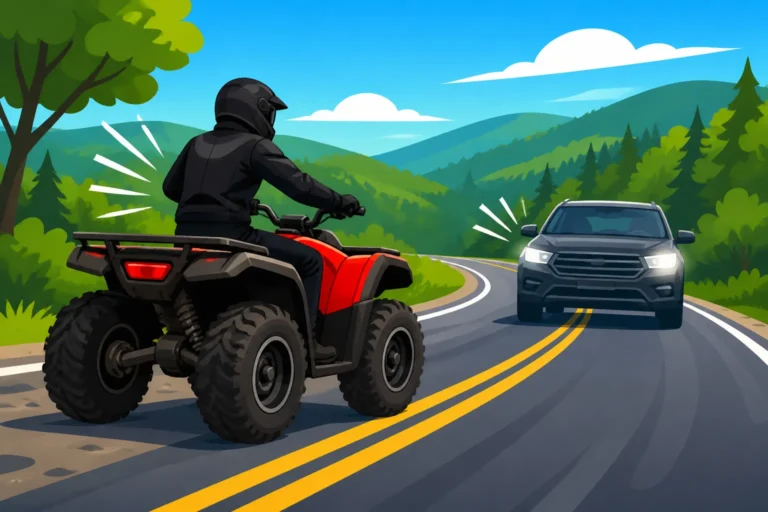
Let's be honest, an ATV or UTV is a powerful machine. It's built for off-road adventure, for tackling mud and rocks, and often, for carrying multiple passengers. When you bring that power onto paved streets, especially narrow town roads, the dynamics change completely. Suddenly, you're sharing the road not just with other vehicles, but with pedestrians, children playing in yards, pets wandering, and folks simply walking to the local diner. A machine traveling too fast can't stop on a dime, especially if the rider is distracted or unfamiliar with the street layout. The potential for a serious accident involving a resident, or even another rider, skyrockets.
Imagine a child chasing a ball into the street, or an elderly couple slowly crossing at a crosswalk. These are real-life scenarios in any town. The higher your speed, the less time you have to react, and the greater the force of impact if something goes wrong. Beyond the direct collision risk, excessive speed also increases the likelihood of property damage. A momentary loss of control could send your machine veering into a fence, a mailbox, or even someone's porch. Nobody wants to be that rider who causes injury or damage in a community that has welcomed them with open arms.
Maintaining Community Harmony
The welcome mat for ATVs and UTVs in towns like Gilbert, Man, or Mullens isn't a given; it's a privilege earned through careful negotiation and a commitment from local leaders to their residents. One of the biggest complaints from residents about off-road vehicles on town streets is often the noise. While the rumble of an exhaust might be music to a rider's ears, it can be a constant annoyance for someone trying to enjoy a quiet evening on their porch or put their kids to bed. Speed exacerbates this. A machine accelerating quickly or zipping through town at high RPMs creates significantly more noise than one cruising at a respectful pace.
Beyond noise, there's also the issue of dust, especially in drier conditions, and simply the general disruption that a constant stream of fast-moving vehicles can create. Local ordinances, including speed limits, are put in place to help manage these factors. They represent a compromise: riders get street access, and residents get a degree of peace and quiet. When riders disregard these rules, it breaks that delicate balance. It validates the concerns of those who might be skeptical of ATV access, making it harder for the town to continue supporting it. Your actions on Main Street directly influence how the community views all riders, and whether they'll continue to embrace the trail tourism that brings so much life and economic vitality to these areas.
Preserving Trail Town Status
Becoming an "ATV-friendly" town in West Virginia is a huge deal. It means economic growth, new businesses, and a revitalized community. Towns invest a lot of effort and resources to achieve and maintain this status, often working closely with the Hatfield-McCoy Trails Authority and other state agencies. This status is not immutable; it's dependent on continued cooperation and, crucially, responsible behavior from riders. If a town starts experiencing a high volume of complaints about speeding, reckless riding, or other violations, it puts that designation at risk.
Local officials face pressure from their constituents. If residents feel unsafe or that their quality of life is being negatively impacted, those officials will be forced to respond. That response could range from increased enforcement to, in extreme cases, reconsidering the very ordinances that allow street access. Every time a rider blows past a stop sign or speeds through a residential area, it chips away at the goodwill that has been built. We, as riders, are ambassadors for our sport. Our collective reputation is on the line, and preserving [How a West Virginia Town Becomes ATV-Friendly] relies heavily on individual responsibility. Ignoring speed limits isn't just a minor infraction; it's a threat to the future of riding in these fantastic communities.
Common Enforcement Methods You'll Encounter
When you're out enjoying the trails and rolling through the trail towns, it's easy to get caught up in the moment. However, these towns are not unregulated free-for-alls. Law enforcement in West Virginia trail towns is very aware of the presence of ATVs and UTVs, and they have specific methods for ensuring compliance with local traffic laws, especially speed limits. It’s important to know what to expect, not just to avoid a ticket, but to understand that these rules are actively enforced for everyone's safety.
Visible Law Enforcement Presence
One of the most immediate ways trail towns police ATV speed is through a strong, visible presence of law enforcement. You'll often see city police, county sheriff's deputies, and sometimes even West Virginia State Police patrolling the streets, particularly during peak riding seasons and on busy weekends. These officers aren't just sitting in their cars; they are actively observing traffic, including off-road vehicles.
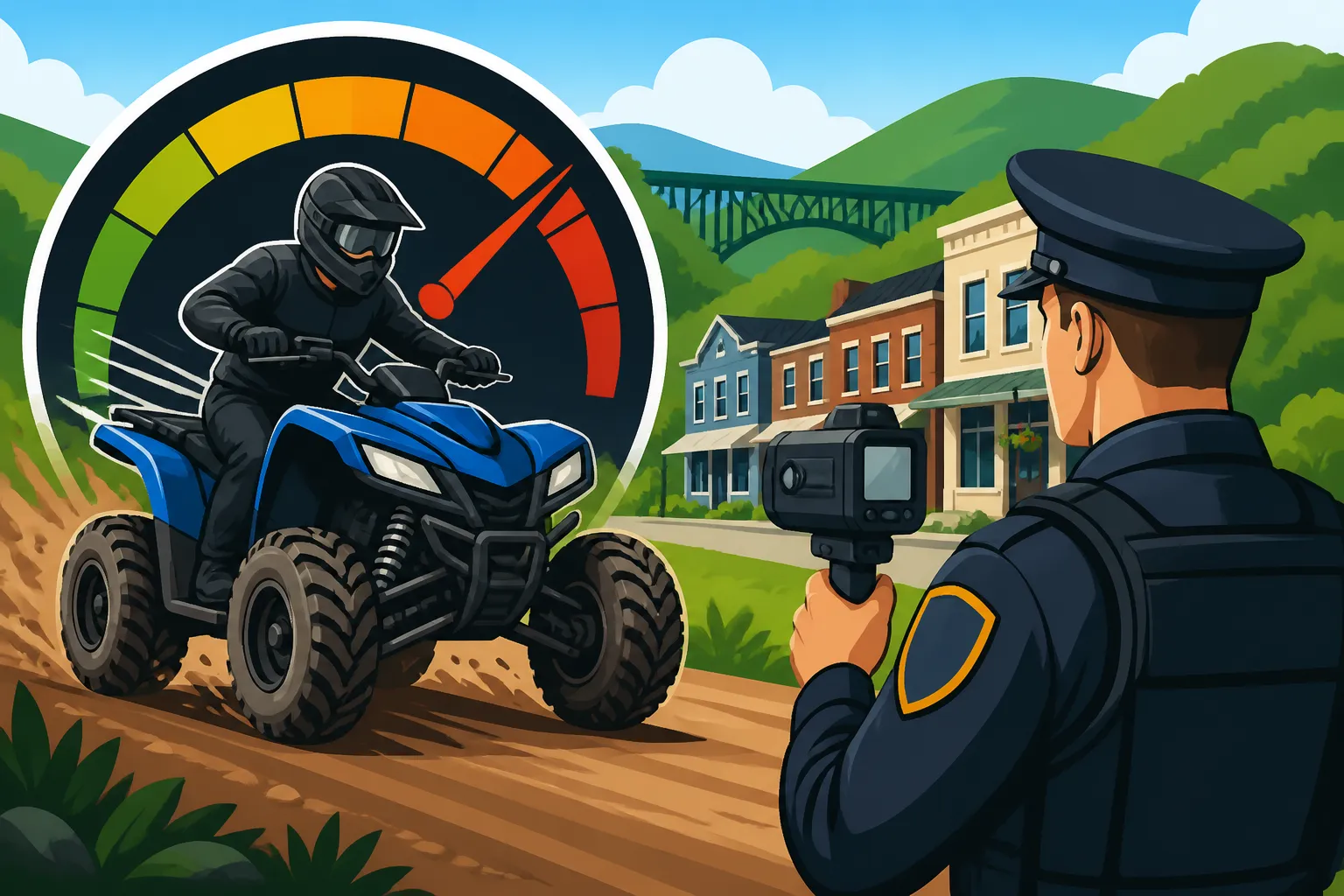
You might spot marked cruisers parked at intersections or slowly driving through residential areas. Some sheriff's departments in these areas even utilize their own ATVs or UTVs for patrol, making their presence even more apparent and effective on roads where traditional police cars might struggle or simply not blend in as well. Officers are trained to use tools like radar guns and lidar devices, which can accurately measure your speed from a distance. But it's not always about technology; a seasoned officer can often gauge excessive speed simply through visual observation. They know what 25 mph looks like in their town, and they can spot a machine that's clearly exceeding that limit. Their goal isn't just to write tickets, but to create a deterrent and remind riders to stay within the posted limits. You might even see [West Virginia Sheriff Patrols in Trail Towns] making routine passes.
Posted Speed Limits and Signage
This might seem obvious, but it's crucial: pay attention to the signs! West Virginia's trail towns, like any other municipality, are crisscrossed with clear, well-marked speed limit signs. These aren't suggestions; they are legally binding instructions. You'll typically find speed limits ranging from 15 mph in very congested areas or school zones, up to 25 mph or 35 mph on main thoroughfares that pass through town. When you're transitioning from the open trail back onto a paved street, it's easy to carry momentum, but those bright white signs with black numbers are your absolute guide.
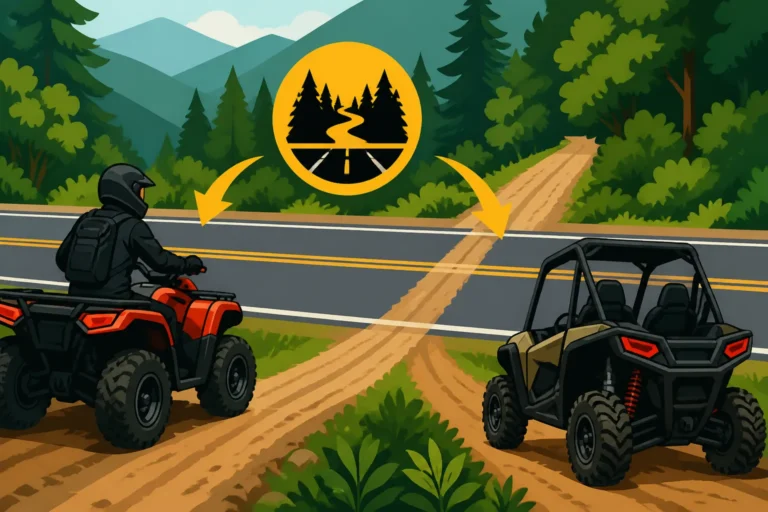
Beyond the standard speed limit signs, many trail towns also have specific signage related to ATV and UTV access, sometimes reminding riders of the rules or cautioning about residential areas. It’s also important to remember specific state-mandated road rules for ATVs and UTVs. For instance, [West Virginia's 10-Mile, 25 mph Road Rule] applies to specific situations, and for street-legal Special Purpose Vehicles (SPVs), there's a [West Virginia's 20-Mile Centerline Limit for Street-Legal Machines]. These nuances mean you can't just assume the speed limit is the same everywhere. Always be actively looking for and adhering to the posted speed.
Community Watch and Reporting
One of the most effective, yet sometimes overlooked, methods of policing speed in trail towns comes directly from the residents themselves. These are close-knit communities, and people know their neighbors, their streets, and what feels "normal" versus what feels dangerous. Residents are often the first line of defense, acting as informal community watchdogs. They are fiercely protective of their towns and their way of life.
If a rider is consistently speeding, making excessive noise, or riding recklessly, it's highly likely that a resident will notice. And in small towns, where relationships with local law enforcement are often personal, it's very easy for them to pick up the phone and report a concern. They might provide a description of the machine, the time of the incident, or even note specific repeat offenders. Some residents even have doorbell cameras or dashcams that capture footage of violations. While law enforcement won't issue a ticket based solely on a neighbor's complaint, consistent reports can certainly lead to increased patrols in specific areas or targeted observations. This community-led enforcement is a powerful motivator for riders to be respectful and mindful of their speed, as you're not just under the gaze of a police officer, but the entire town.
What Happens When You're Caught Speeding
Nobody wants to get pulled over, especially when you're on a fun riding trip. But if you're caught speeding on your ATV or UTV in a West Virginia trail town, there are clear consequences. It's not just an inconvenience; it can hit your wallet, affect your riding privileges, and even impact the broader ATV community's relationship with these welcoming towns. Understanding the potential repercussions can be a strong motivator to keep your speed in check.
The Immediate Consequences
Let's imagine the scenario: you're cruising through town, maybe a little too fast, and suddenly, those flashing blue lights are behind you. Your first reaction might be a mix of surprise and frustration. When an officer initiates a stop, it's crucial to pull over safely and comply with all instructions. Just like in any traffic stop, keep your hands visible, be polite, and have your identification and any required permits ready. An uncooperative attitude will only make the situation worse.
The officer will likely explain why you were stopped. Depending on the severity of your speed, your history, and the officer's discretion, you might receive a verbal warning – a stern talking-to designed to remind you of the rules – or you'll be handed a written citation. A written citation, often called a ticket, is a formal legal document. It will detail the specific violation, the location, and information about how to pay the fine or contest it in court. Be aware that [West Virginia ATV Ticket Costs] can vary significantly, but they're rarely cheap, especially for speeding, and they come with court fees and administrative costs on top of the base fine. It's a quick way to put a significant dent in your riding budget.
Fines, Points, and Trail Access
Beyond the immediate financial impact of a fine, speeding tickets can have other, longer-lasting consequences. While West Virginia doesn't typically assess points against a standard driver's license for ATV/UTV violations unless you're operating a licensed Special Purpose Vehicle (SPV) on the road, the record of the citation still exists. Repeated violations could flag you as a habitual offender in the local jurisdiction, leading to harsher penalties in the future.
More significantly for recreational riders, a pattern of irresponsible behavior, including speeding, can lead to much more severe repercussions related to your actual ability to ride. Local ordinances or even the Hatfield-McCoy Trails Authority can enforce penalties. For example, if you're cited for reckless operation or multiple speeding tickets, you could face [Losing West Virginia Trail Access After a Citation]. This might mean a temporary ban from the trail system, or even a permanent one for egregious and repeated offenses. Imagine planning a long-awaited riding trip to West Virginia, only to find out you're barred from the trails because of a few seconds of speeding through a town. It's a real possibility and a harsh lesson to learn.
Long-Term Impact on Rider Community
The consequences of speeding don't just affect the individual rider; they ripple through the entire ATV and UTV community. Every time a rider acts irresponsibly, it creates negative press and fuels the arguments of those who wish to see off-road vehicles banned from public access altogether. This makes the job of advocating for more trails and continued street access much harder for everyone involved. The local shop owners, cabin rentals, and restaurants that thrive on trail tourism rely on a positive image of ATV riders. When riders speed and cause problems, it undermines their businesses and the local economy.
Ultimately, the future of riding in West Virginia's incredible trail system depends on us. We have a collective responsibility to be good ambassadors for the sport. This means self-policing within rider groups, gently reminding a buddy to slow down, and setting a positive example for newer riders. If we don't respect the rules, we risk losing the amazing opportunities we currently have to explore these beautiful mountains and ride into welcoming towns. The long-term impact of individual actions on the entire rider community is perhaps the most significant consequence of all.
Tips for Staying Legal and Enjoying Your Ride
The goal of riding in West Virginia is to have an incredible time exploring the trails and enjoying the unique charm of its trail towns. The last thing you want is a run-in with law enforcement or to create a negative impression. By being proactive and mindful, you can easily stay legal, avoid speeding tickets, and ensure a fantastic experience for yourself and everyone around you. It's all about preparation and respectful riding.
Know the Local Rules
Before you even load up your machine, take a few minutes to research the specific towns you plan to visit or pass through. While West Virginia has state-level laws governing ATV and UTV use on roads, individual municipalities can and often do have their own specific ordinances. These might include variations in speed limits, specific routes where ATVs are allowed, or even hours of operation on town streets.
You can often find this information on the town's official website, or by calling the local police department or visitor's center. For example, you should be familiar with general rules like [Riding an ATV on the Road in West Virginia] and more specific details like [West Virginia's 20-Mile Centerline Limit for Street-Legal Machines]. Knowing these details beforehand means you won't be caught off guard. When you arrive, make it a point to look for informational kiosks or signs at trailheads and town entrances; they often have maps and summaries of local rules. This little bit of homework goes a long way in preventing an accidental violation.
Ride Defensively and Respectfully
When you're on town streets, you're not on the trail anymore. The riding mindset needs to shift from aggressive off-roading to defensive street driving. Treat every town street like a busy residential road, even if it appears quiet. That means anticipating pedestrians, especially children, who might dart out from between parked cars or from yards. Be mindful of vehicles backing out of driveways or parking spaces. Always yield to pedestrians and other vehicles.
Crucially, keep your noise down. Resist the urge to blip the throttle or accelerate hard. A steady, low-RPM cruise at or below the speed limit shows respect for the residents. If you're riding with a group, encourage everyone to adopt the same mindful approach. You'll not only avoid tickets but contribute positively to the image of ATV riders in the community. Remember, these towns are part of the adventure, not just a means to an end. Enjoy [West Virginia's ATV-Friendly Towns and What You Can Ride] by blending in, not standing out negatively.
Gear Up for Safety and Legality
While most of your riding gear focuses on trail safety, some aspects of your machine itself can help you stay legal on town roads. First and foremost, ensure your ATV or UTV is equipped with all the necessary [Equipment a West Virginia SPV Must Carry] if you plan to operate it as a street-legal vehicle. This includes things like working headlights, taillights, brake lights, mirrors, and a horn. These aren't just for legality; they significantly enhance your visibility and ability to communicate with other road users, making defensive riding much easier.
Regarding speed, always rely on your machine's speedometer, or a GPS unit that displays your speed. Aftermarket GPS devices, or even mapping apps on your phone with speed display features, can be very accurate and provide an easy way to monitor your pace in real-time, helping you avoid creeping over the limit. Lastly, never forget the basics of personal safety gear, including helmets and eye protection. While adults aren't always mandated to wear helmets on all public roads in West Virginia, it's always wise to wear one, and [West Virginia Helmet Rules for Riders Under 18] are strict. Being properly geared up not only protects you but also demonstrates a responsible approach to riding, which is noticed by both law enforcement and residents.
| Zone Type | Typical Speed Limit (West Virginia Trail Towns) | Enforcement Rationale |
|---|---|---|
| Residential Streets | 15 – 25 mph | Pedestrian safety, children playing, noise reduction |
| Downtown Commercial | 15 – 25 mph | High pedestrian traffic, parking maneuvers, storefront access |
| School Zones | 15 – 20 mph (when active) | Child safety, often strictly enforced |
| Main Thoroughfares | 25 – 35 mph | Higher traffic flow, but still within town limits |
| Rural/County Roads | 35 – 55 mph (outside town limits) | Less pedestrian traffic, longer sightlines |
Disclaimer
This article is for general informational purposes only and does not constitute professional advice. Laws, prices and regulations vary by location and change over time. Consult a qualified professional for guidance on your specific situation.