Titling a UTV Bought Before West Virginia’s 2010 Rule
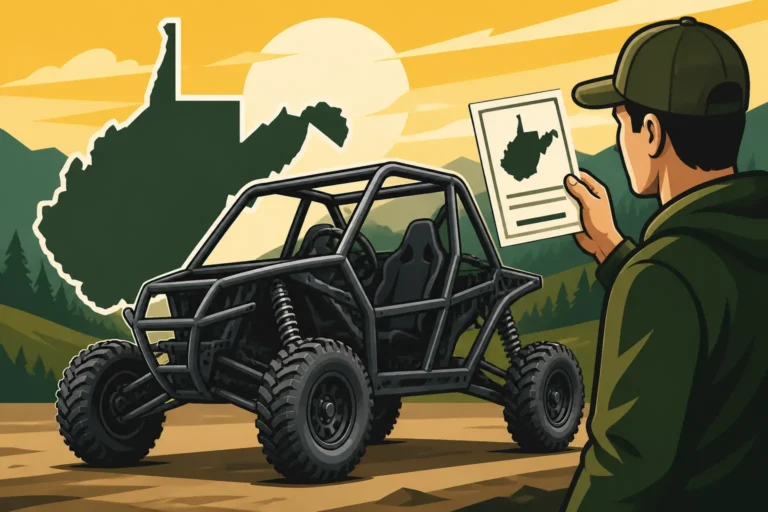
It can be incredibly frustrating to realize your UTV, a machine you've owned and enjoyed for years, might not have the correct paperwork in West Virginia simply because you bought it before a specific rule came into play. Many folks find themselves in a bind when they try to sell an older side-by-side or suddenly need to prove ownership for other reasons, only to discover that the state started requiring titles for these vehicles back in December 2010. This guide will walk you through the often-confusing process of titling a UTV that was purchased before West Virginia implemented its titling requirement for these specific machines, helping you gather the necessary documents and navigate the DMV with confidence.
Understanding West Virginia's UTV Title Rule Shift in 2010
Before December 2010, the landscape for titling UTVs in West Virginia was, shall we say, a bit… fuzzy. Unlike ATVs, which had a clearer titling mandate for many years prior, side-by-sides (or UTVs) often flew under the radar when it came to state registration and titling. Many owners simply had a bill of sale or perhaps no formal paperwork beyond a cancelled check, relying on the fact that the state didn't explicitly require a title for these larger, multi-passenger off-road vehicles. This made sense at the time; if the state didn't demand it, why would you go through the extra hassle?
However, the rapid growth in popularity of UTVs, coupled with increased use on public lands and roads (where permitted), prompted West Virginia to update its laws. [UTVs Titled in West Virginia Since December 2010] became the new standard, meaning any UTV sold after that date was subject to the same titling requirements as ATVs. For those who bought their machines before this cutoff, it created a unique situation. Suddenly, what was perfectly acceptable proof of ownership years ago might not cut it today, especially if you're trying to sell the UTV, move out of state, or even just ensure your estate is in order. It's a classic example of regulations catching up with technology, leaving early adopters in a bit of a bureaucratic limbo.
The primary challenge this presents is a lack of a clear, state-issued document that definitively proves your ownership in a way the DMV now expects. While you might have paid cash or simply used a handwritten note when you bought it from a friend or private seller, the state's current system is designed around a more formal process. This isn't about blaming anyone for not having a title back then; it's about understanding the historical context and what steps you need to take now to bring your UTV into compliance with today's regulations.
Gathering Your Proof of Ownership for a Pre-2010 UTV
When you're dealing with a UTV bought before the 2010 rule change, the West Virginia DMV understands that a traditional manufacturer's certificate of origin (MCO) or a previous title might not exist. This means your focus shifts to assembling a robust collection of alternative documents to establish a clear chain of ownership. Think of yourself as building a case, piece by piece, to show the state that this machine genuinely belongs to you.
Essential Documents for Older Machines
The cornerstone of your application will likely be a comprehensive bill of sale. Even if you had a simple handwritten note when you bought it, you'll want something more formalized now. A good bill of sale should include the full names and addresses of both buyer and seller, the date of sale, a detailed description of the UTV (make, model, year, color), and most critically, the Vehicle Identification Number (VIN). If you don't have a robust original, you can create a new one using a reliable template service like LawDepot, getting the seller to sign if possible (though this can be tricky with older sales). [West Virginia ATV Bill of Sale: What Belongs in It] explains what details are absolutely crucial.
Beyond the bill of sale, dig through your personal records for anything that supports your claim. This could include cancelled checks or bank statements showing the purchase payment, old insurance policies that listed the UTV, repair receipts with the VIN, or even past registration documents if, for some reason, your UTV was registered in another state before coming to West Virginia. Every piece of paper that connects you to that specific VIN strengthens your application.
When the Original Seller is Out of Reach
It's a common story: you bought your UTV a decade or more ago from someone you knew casually, or perhaps from a seller who has since moved, changed their phone number, or is no longer with us. If you can't get a signature on a new bill of sale or track down the original seller, don't despair immediately. The West Virginia DMV often recognizes the challenges of these older sales. In such cases, a notarized affidavit from you, detailing how and when you acquired the UTV, along with all the supporting documents you do have, can be immensely helpful.
You might want to draft this affidavit using a legal document service, such as LawDepot, to ensure it contains all the necessary legal language and is properly formatted for notarization. The more detail you can provide about the purchase, the better. This includes where and when the sale took place, the amount paid, and any witnesses to the transaction. While not as strong as a signed bill of sale from the original owner, a detailed and notarized affidavit, combined with other evidence, can often be enough to satisfy the DMV. This is where [Titling an ATV in West Virginia Without the Previous Owner] provides more specific strategies.
Navigating the West Virginia DMV for Older UTV Titles
Once you've assembled all your documentation, the next step is to prepare for your visit to the West Virginia DMV. This process, while seemingly daunting, is manageable if you go in prepared. Remember, the goal is to present a clear, compelling case for ownership of your pre-2010 UTV.
Completing the Application Form
You'll need to fill out the official West Virginia ATV/UTV Title Application form. You can usually find this form online or pick one up at your local DMV office. Take your time filling it out, ensuring all fields are accurate, especially the UTV's VIN, make, model, and year. Double-check that all names and addresses match your supporting documentation. An error on the form can cause unnecessary delays. [West Virginia ATV Title Application Form] details where to find this form and how to complete it properly.
Alongside the application, be ready to pay the required titling fee and any applicable sales tax. Even if you bought the UTV years ago, if you've never paid West Virginia sales tax on it, you might be assessed this at the time of titling. The amount of sales tax due can depend on the purchase price listed on your bill of sale, so be prepared for that calculation. [West Virginia Sales Tax on an ATV Purchase] provides more information on this often-overlooked cost.
Your Visit to the DMV Office
When you go to the DMV, bring every piece of documentation you've gathered. This means your completed application, your bill of sale (original and copies), proof of payment, any old insurance cards, repair receipts, and your notarized affidavit if needed. It's often helpful to organize these documents in a folder, perhaps with a cover sheet listing everything you're submitting. [Documents to Bring for a West Virginia ATV Title] provides a comprehensive checklist.
Be prepared to explain your situation clearly to the DMV clerk. They are familiar with these types of scenarios, especially for older machines that predate specific titling requirements. Politely present your case, emphasizing that your UTV was purchased before December 2010, which is why a traditional title might be absent. The more organized and cooperative you are, the smoother the process will likely be. You might also need to undergo a VIN inspection to verify the number on your machine matches your documentation.
Common Hurdles and How to Overcome Them
Even with all your ducks in a row, the titling process for a pre-2010 UTV can still present a few curveballs. Knowing what these potential issues are ahead of time can help you prepare and avoid unnecessary frustration.
Dealing with Insufficient Documentation
Sometimes, despite your best efforts, you might simply lack enough solid paperwork to convince the DMV of your ownership. This is a tough spot, but not necessarily a dead end. In West Virginia, for vehicles where traditional proof of ownership (like a title or MCO) is unavailable, and other documentation is lacking, a bonded title might be an option. A bonded title requires you to purchase a surety bond, which protects previous owners or lienholders if they later come forward to claim the vehicle. The bond is usually for a specific duration and value, offering the state a level of financial assurance.
While a bonded title can be a lifeline, it's not always the first recommendation, as it involves additional costs and steps. You'd typically need to apply for it, which involves an appraisal of the UTV and then securing the bond from a surety company. If you find yourself in this situation, it’s worth researching what a [Bonded Title for an ATV in West Virginia] entails and discussing it with the DMV as a last resort.
Understanding the Waiting Game
Once you've submitted all your paperwork to one of the [West Virginia DMV Offices That Handle ATV Titles], the process isn't always instant. The DMV needs time to review your application, verify the VIN, and ensure everything is in order, especially for these non-standard cases. You might receive a temporary operating permit while your application is under review, but the actual title can take some time to be processed and mailed to you.
It's wise to ask the DMV clerk for an estimated timeframe when you submit your application. This sets your expectations and helps you plan. Don't be surprised if it takes several weeks, or even a couple of months, for your new title to arrive. Patience is definitely a virtue here. [How Long a West Virginia ATV Title Takes] can give you a general idea of the expected duration.
Summary of Documentation and Steps for Pre-2010 UTV Titling
| Document/Step | Description | Importance | Notes |
|---|---|---|---|
| West Virginia Title Application | The official form (DMV-1-TR) for titling ATVs/UTVs. | Required for all title applications. | Fill out completely and accurately, especially VIN and vehicle details. |
| Bill of Sale | A document detailing the transaction between you and the seller, including buyer/seller info, date, UTV description, VIN, and purchase price. | Crucial proof of transfer of ownership. | Even if old and informal, bring it. If new/updated, consider using a template from a service like LawDepot and getting it signed by the seller (if possible). |
| Proof of Payment | Cancelled checks, bank statements, or receipts showing the financial transaction. | Supports the bill of sale and establishes a clear purchase. | The more direct and clear, the better. |
| Notarized Affidavit of Ownership | Your sworn statement detailing how and when you acquired the UTV, especially if the original seller is unreachable or documentation is sparse. | Essential for filling gaps in documentation. | Use a formal template, such as one available through LawDepot, and have it notarized. Include VIN and all known details. |
| Old Insurance/Registration | Any past insurance policies or out-of-state registrations that list the UTV and its VIN. | Secondary evidence supporting long-term possession. | Even expired documents can be helpful. |
| Repair/Maintenance Records | Invoices for work done on the UTV, especially if they include your name and the UTV's VIN. | Further proof of possession and investment in the machine. | Good supporting evidence, but not typically primary proof of ownership for the DMV. |
| VIN Inspection | Physical verification of the UTV's VIN by an authorized party (often a DMV employee or law enforcement). | Ensures the machine matches the paperwork and isn't stolen. | May be done at the DMV or require a separate visit/appointment. |
| Titling Fees & Sales Tax | Payment for the title application and any unpaid West Virginia sales tax based on the UTV's purchase price. | Required to complete the transaction. | Check current fees with the DMV. Be prepared for sales tax calculation based on your bill of sale. |
Navigating the rules for a UTV purchased before West Virginia's 2010 titling mandate can feel like a trek through uncharted territory, but with the right preparation and documentation, you can successfully title your machine. Being thorough, patient, and clear in your communication with the DMV will pave the way for a smooth process, ensuring your UTV is officially yours in the eyes of the state.
Disclaimer
This article is for general informational purposes only and does not constitute professional advice. Laws, prices and regulations vary by location and change over time. Consult a qualified professional for guidance on your specific situation.