West Virginia Resident Discounts on Trail Permits
West Virginia residents may qualify for a lower Hatfield-McCoy trail permit price, but the discount is easy to misunderstand: it is not a statewide ATV registration, and having a West Virginia title or plate does not automatically settle every eligibility question. This guide explains how resident pricing works, what to check before buying, and how to avoid paying the wrong rate or arriving without a valid permit.
What the West Virginia resident permit discount means
Resident pricing applies to a trail permit, not every riding cost
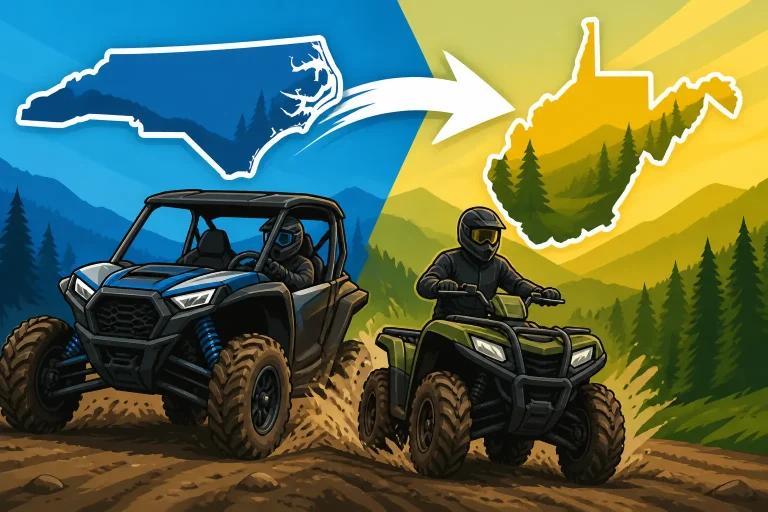
The resident discount is a price difference between eligible West Virginia residents and nonresidents buying a Hatfield-McCoy trail permit. It can make a ride less expensive for a local rider, but it does not make trail access free or replace other trip costs. Riders may still need to account for lodging, fuel, food, equipment, rentals, and any separate access or permit requirements for places outside the Hatfield-McCoy system.
That distinction matters because “permit” is sometimes used casually to mean several different documents. A trail permit grants access under the rules of the trail system that issues it. A title is proof of ownership. A registration or plate relates to the machine’s permitted use on certain roads or public routes. Those documents have different purposes, and one does not automatically substitute for another.
For example, a rider from Logan County might have a titled ATV and qualify for the resident permit price, but still need to buy the required trail permit before riding a Hatfield-McCoy route. A resident discount changes the price of the permit; it does not waive the permit requirement. For the broader paperwork picture, see Permits West Virginia Riders Actually Need and West Virginia’s Hatfield-McCoy Trail Permit Explained.
The discount is tied to eligibility, not just where you ride
A person does not become a West Virginia resident for permit pricing simply by riding in the state, staying in a local cabin, or owning property there. The key question is whether the permit program considers that person an eligible resident under its current rules and what evidence it accepts.
This can be confusing for people with split lives. Perhaps you spend weekdays in Charleston and weekends at a home in Pike County, Kentucky. Maybe you recently moved to West Virginia but still have an out-of-state driver’s license. Or perhaps the ATV is titled to a family member who lives in another state. Each detail can affect what documentation is practical to show, but none should be treated as a substitute for checking the permit provider’s residency rules.
Before you pay, confirm both the resident-price criteria and the documents that support your eligibility. The requirements may be more specific than “I live here.” The guide Proving West Virginia Residency for a Permit is useful if you are unsure which records to gather.
There is no single statewide resident discount for every trail
West Virginia has multiple places where people ride, and each may have different access rules. The Hatfield-McCoy Trails operate under a permit system, while a private off-road park, a public forest road, a local trail network, or a riding event may have its own permission requirements. A resident discount associated with one system should not be assumed to apply everywhere in the state.
This catches riders who plan a multi-stop weekend. A family might ride Hatfield-McCoy on Saturday, then visit a different riding location on Sunday. The first permit may not cover the second destination. Likewise, a permit for a particular system does not necessarily authorize riding on every connecting road or every parcel of land nearby.
Use the permit name and issuing organization as your guide. Ask which trails it covers, what machine it applies to, and whether it is valid for the dates of your trip. A discount is useful only when the permit you buy actually covers the riding you plan to do.
Who may qualify for the resident rate
Start with the permit program’s definition of resident
The ordinary meaning of “resident” sounds straightforward, but a permit program may define eligibility through specific documents or rules. The safest approach is to check the current instructions from the Hatfield-McCoy permit provider before purchasing. Look for the exact definition it uses, the accepted proof, and any age or account requirements that apply to the buyer.
Do not rely solely on a friend’s experience. One rider may have shown a West Virginia driver’s license at a trailhead, while another purchased online using a different verification process. Procedures can differ by sales channel, and a rule that worked for one person may not answer your situation. The official purchasing instructions should resolve the question before you select a resident category.
If the wording is unclear, contact the permit seller or trail authority before checkout. Give them the relevant facts plainly: where you live, whether you recently moved, what identity documents you hold, and whether you are buying for yourself or someone else. A short question beforehand is easier than discovering a problem at the trailhead.
Gather documents that match the name and address you provide
When a program asks for residency proof, consistency helps. If you use a state-issued identity document, make sure the name matches the permit account or the name attached to the purchase. If your address recently changed, check whether the document needs to show the new address or whether another accepted record can support your claim.
A common headache is trying to purchase for a group while one person handles the transaction. The buyer may be eligible for the resident rate, but the riders using the permits may have different residency status. Don’t assume the buyer’s address automatically makes every permit in a group eligible. Clarify whether residency is evaluated for each rider, each machine, or the purchaser, and follow the program’s exact process.
Keep the documents accessible in case the permit seller asks to see them or you need to resolve a purchase issue. A digital copy may be convenient, but don’t assume a photo will be accepted if the instructions require an original or a particular form of verification. The goal is not to bring a folder of every household record; it is to have the specific proof the program requests.
Recent movers and households with mixed residency need extra care
Moving to West Virginia does not always mean every piece of paperwork changes at once. A recent arrival may have a lease or utility account in West Virginia but still hold an out-of-state license. A student may live in the state during term and elsewhere during breaks. A household may include a West Virginia resident and an out-of-state spouse who ride the same machine.
These are precisely the cases where guessing can lead to the wrong permit category. Ask whether the program accepts alternative documents while a new state ID is being processed, and whether temporary or seasonal living arrangements qualify. If the answer is no, purchase the category the program instructs you to use rather than risking a permit that may not be valid for your circumstances.
For a group trip, settle this before everyone contributes money. Write down each rider’s status and confirm how the program handles individual eligibility. If a person is not eligible for resident pricing, that does not necessarily mean they cannot ride; it may simply mean the nonresident permit category applies to them.
How to buy the permit at the right price
Compare the official purchasing channels before checkout
Hatfield-McCoy permits may be available through designated online or in-person sales channels. The available options, steps, and verification process can vary, so begin with the trail authority’s official permit information rather than a search result or an old social media post. Use the current instructions to find an authorized seller and confirm the resident category is offered through that channel.
Online purchasing is convenient when you want to have arrangements settled before driving to southern West Virginia. It also gives you time to review the order details carefully. Read the selected permit type, the rider or machine information, and any confirmation instructions before submitting payment. Save the receipt and confirmation in a place you can find later.
In-person purchasing can be helpful when you have a question about eligibility or need assistance with the process. However, don’t assume every local business or trailhead has the same hours, inventory, or ability to resolve a complicated residency question. Check the official seller information, then call ahead if your situation is unusual. For purchasing details, see Where to Buy a Hatfield-McCoy Trail Permit and Buying a Permit Online at Trailsheaven.
Check the permit category before paying
A discounted price is not enough to confirm that you chose the correct permit. Check what the permit covers, its period of validity, the rider or machine it is associated with, and any limits on use. If you are purchasing for more than one machine or rider, verify whether each needs a separate permit rather than assuming one purchase covers the whole group.
A practical example: two adults are bringing two ATVs to ride for a weekend. One adult is a West Virginia resident; the other recently moved to Ohio. Before checkout, the pair should confirm whether the permit is sold per rider, per machine, or by another unit, and how residency is applied to each purchase. That is more reliable than choosing the resident option for both because one person in the group qualifies.
Pay close attention to the total before submitting payment. The displayed amount may reflect the permit category and any other items in the transaction. If a resident rate does not appear, do not keep clicking through or choose a different category just to make the price look right. Stop and check the instructions or ask the seller.
Save the confirmation and follow the sticker instructions
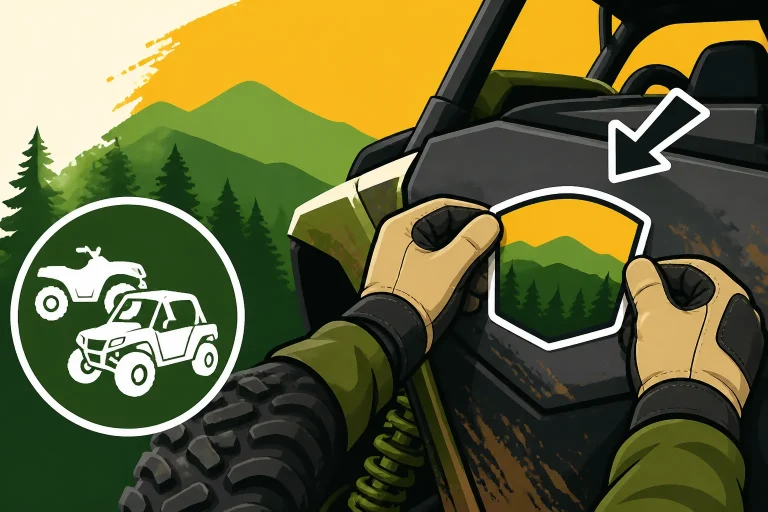
After purchasing, keep the confirmation, receipt, and any permit details together. If the permit involves a physical sticker, follow the placement and display directions exactly. A sticker kept in a glovebox may not satisfy a rule that requires it to be attached visibly to the machine. Conversely, putting it on the wrong surface or covering key information can create a separate problem.
A small waterproof document pouch can keep a receipt or permit confirmation from turning into soggy paper during a muddy weekend. Amazon is one place riders may find basic waterproof organizers, but check the size and closure style rather than assuming a product is trail-ready. The pouch is for supporting paperwork, not a replacement for any required sticker or display method.
Before leaving home, take a moment to compare the permit name and machine details against what you are bringing. If you spot an error, contact the seller while there is still time to correct it. The guide Mounting a Hatfield-McCoy Permit Sticker covers the practical side of displaying a sticker, and [Replacing a Lost West Virginia Trail Permit] may help if a permit is misplaced.
Permit, title, registration, and reciprocity are different
A West Virginia title does not replace a trail permit
An ATV or UTV title establishes ownership information; it does not by itself grant access to the Hatfield-McCoy Trails. A West Virginia resident may title a machine locally and still need to purchase the trail permit required for the route they plan to ride.
This distinction can feel unnecessarily technical when the same machine is used on a farm, hauled to a trailhead, and ridden on managed trails. But each document answers a different question. The title is about who owns the machine. A permit is about permission to ride within a particular managed system. A road-use plate or registration may apply under separate legal conditions.
If you are still sorting out ownership paperwork, begin with Titling an ATV in West Virginia. If the machine came from another state, West Virginia Title Rules for Out-of-State Machines can help explain why title status and trail access should be considered separately.
Out-of-state registration does not automatically provide Hatfield-McCoy access
Visitors sometimes assume that a plate, registration, or trail sticker from their home state will be accepted everywhere they ride. Reciprocity is not something to assume. A document recognized for one purpose or jurisdiction may not satisfy the permit rules of a separate managed trail system.
For example, an Ohio rider may bring a registered machine to a West Virginia trailhead and still need the applicable West Virginia trail permit. The machine’s paperwork may help establish ownership or legal road use, but it does not automatically substitute for the permit required by the trail operator. Before travelling, confirm the permit requirements for the actual trails on your itinerary.
This is especially important if you are riding across state lines or combining networks. Check the system name, the issuing authority, and the permit’s stated coverage. For related questions, read Do Other States’ Registrations Work in West Virginia? and [Out-of-State Riders on West Virginia Trails].
One permit may not cover every system or machine
A rider may purchase a permit for a specific trail network and then assume it covers another network because both are in West Virginia. That assumption can leave you with the wrong access permission. Trail systems can have separate operators, rules, and sales arrangements, so verify coverage for every place on your plan.
Machine count matters too. A couple travelling with two machines should not assume one permit will cover both. Check whether the permit is associated with the individual rider, the vehicle, or another defined unit. This becomes even more important for families, groups, and rental trips where the person paying may not be the person riding each machine.
If your weekend includes more than one area, list each destination and ask what permit it requires. One Permit for Every Trail System is a useful companion when you are planning a route that crosses between managed areas.
Common situations that cause confusion
A resident buys permits for visiting friends
It is generous to organize a group’s paperwork, but a West Virginia resident should not assume their eligibility transfers to visitors. If the program applies residency individually, each out-of-state rider may need the nonresident category even when the resident friend buys all the permits in one transaction.
Before making a group purchase, ask the seller how to enter each rider’s information and how residency is checked. Keep a simple roster with each person’s name, machine, and permit status. That is particularly helpful when a group arrives in separate vehicles or someone joins the trip at the last minute.
A group organizer can also reduce confusion by sending the official permit instructions to everyone before the trip. That way, a visitor from Ohio or Virginia can review their own requirements instead of relying on a secondhand description. The distinction may affect price, but the larger goal is making sure everyone has valid access.
A family shares a machine or brings several machines
Families often assume one adult’s permit covers the whole household. Do not rely on that assumption. The permit rules may distinguish among riders, machines, passengers, and permit holders, so check exactly what is required for the planned setup.
A parent bringing two machines for two teens should confirm whether the permit is attached to each machine, each operator, or another category. The teens’ ages may also affect safety requirements unrelated to the price. A resident rate does not remove age, supervision, equipment, or trail conduct rules.
Make the family’s plan specific before purchase: who will operate each machine, whether a passenger will ride, and which trails are suitable for the group. For youth-specific requirements, consult [West Virginia Age Rules on the Trails] and Manufacturer Age and Size Requirements. Those rules are separate from resident pricing but can matter just as much on ride day.
A rental package appears to include a permit
Rental shops and lodging providers may offer packages that bundle some trip arrangements. Do not assume a discounted rental or cabin package automatically includes the correct trail permit, especially if the package description is unclear. Ask what is included, who the permit is issued to, which machine it applies to, and whether the rider needs to take any action before arrival.
A rental operator may handle paperwork as part of its service, but that does not mean every permit detail is invisible to the customer. Confirm whether the permit is included in writing and whether the arrangement covers all riders in your group. If you are booking for several people, ask whether the package includes one permit or the number required for the machines and operators.
This prevents a frustrating scene at check-in, when the group is ready to ride but nobody can tell whether the permit has been purchased. Read Does a West Virginia Rental Include the Trail Permit? before relying on a package description.
A practical checklist for West Virginia residents
Before buying
Use this checklist before selecting a resident permit category:
- Identify the exact trail system you plan to ride.
- Open the current permit instructions from the system’s official source.
- Confirm whether a resident price is available for your situation.
- Check which documents are accepted as proof of West Virginia residency.
- Confirm whether the permit is issued per rider, per machine, or another unit.
- Check whether every person or machine in your group needs a separate permit.
- Verify the permit dates and trail coverage.
- Review the total and selected category before paying.
- Save the receipt, confirmation, and any permit instructions.
- Follow the required sticker placement or display rules.
This list may feel like extra work for a simple weekend ride, especially if you have bought permits before. But a quick check is easier than trying to correct an order at the trailhead, where a seller may be busy and your group may already be waiting.
If residency is the only uncertain point, resolve that before purchasing. If coverage is the uncertainty, start with the trail system rather than the price. That order helps prevent the common mistake of finding the cheapest option first and only later discovering it does not fit the trip.
Before leaving home
Keep the permit confirmation where you can access it without digging through a packed truck or trailer. A phone screenshot is convenient, but it should not be your only record if you expect to be in an area with weak service or a drained battery. Save the information offline or keep a paper copy if the provider’s instructions allow it.
Amazon sells general-purpose document organizers that can help keep paper confirmations, maps, and emergency contact details together. Choose a pouch that closes securely and can be separated from wet riding gear. It should protect supporting paperwork, not interfere with required permit display on the machine.
Check that the permit is actually attached or displayed as directed before unloading at the trailhead. Then confirm the machine details and rider plan one last time. If a sticker has lifted, become unreadable, or been damaged, contact the permit provider about the appropriate fix instead of making an improvised replacement.
At the trailhead
Carry yourself as though the permit may be checked. Keep the confirmation accessible, display the required sticker properly, and make sure every machine in the group is covered. If an attendant or trail official asks a question, answer plainly and show the documentation you have.
Do not ride beyond the permitted system or cross onto a route simply because it appears to connect. A permit does not grant unrestricted access to private land, public roads, or another managed trail network. Stay on marked routes and follow posted closures and directional signs.
If you learn that a permit category or machine detail is wrong, do not assume it will be overlooked. Ask the authorized seller or trail staff how to correct the issue before continuing. A calm conversation at the start of the day is usually preferable to finding out after a citation or loss of access.
How to avoid paying the wrong amount
Don’t use old prices or screenshots as the final authority
A friend’s old receipt can be helpful as a reminder of the process, but it is not a reliable guide to the price or eligibility rules now. Permit prices, sales procedures, and proof requirements can change. Avoid planning your budget around a number copied from an old post, a saved screenshot, or a previous season’s email.
Use the official permit sales channel for the amount displayed at checkout. If you see conflicting information between a social post and the seller’s current page, confirm directly with the issuing organization or authorized vendor. The title Hatfield-McCoy Resident Permit Price can help frame what to look for, but the transaction page is where you should confirm the amount for your purchase.
Do the same with discount claims. A statement that “locals get a cheaper permit” may be broadly true while omitting restrictions, documentation, or the permit type involved. Verify the category that applies to you rather than relying on a general claim.
Don’t choose the resident option just to test the price
It can be tempting to click the resident category to see what the checkout total looks like. But if the system asks you to certify eligibility, selecting an option without meeting its criteria can create avoidable trouble. Read the eligibility statement before you make that selection.
If you are uncertain, pause the transaction and ask. That is especially wise for people who recently moved, maintain homes in two states, or are buying permits on behalf of a mixed-residency group. A short clarification can prevent a purchase that needs to be changed later.
If the checkout page does not make the choice clear, record the exact wording and contact the seller. Avoid entering inaccurate information in an effort to get through the order. Correct information helps the permit provider issue the right permit and protects your riding plans from a paperwork dispute.
Keep the purchase record until after the trip
Save a receipt even after the sticker is mounted. The record can help if the permit is damaged, a purchase does not appear in the system, or you need to confirm what was included. Keep it until the trip is over and any purchase questions are settled.
For groups, one organizer can maintain a simple record of who bought what, but each rider should know how to access their own confirmation. If the organizer’s phone dies or the group gets separated, a single copy on one device is not much help. Share the official instructions and relevant confirmation details appropriately.
At the end of the ride, note what worked and what caused confusion. If you plan to return, keep a checklist of the documents and steps you actually needed. That makes the next trip smoother without treating an old price or old procedure as guaranteed to remain valid.
Frequently asked questions
Is the resident permit free for West Virginia residents?
Do not assume that a resident discount means a free permit. Resident pricing refers to the applicable resident category and its price; the amount should be confirmed through the official sales channel before buying. Even when a reduced price is available, the permit requirement itself still applies.
Also separate permit cost from the total trip budget. Fuel, lodging, meals, machine rental, gear, and other access requirements may be separate. Check what your purchase includes rather than treating the trail permit as a complete riding package.
Does a West Virginia driver’s license automatically qualify me?
A West Virginia driver’s license may be relevant proof, but check the permit program’s current documentation requirements. Do not assume that one document will meet every verification process, particularly if the name or address on it differs from the purchase information.
If you have recently moved or your paperwork is in transition, ask the permit provider what it accepts before purchasing. The answer may depend on the program’s rules and the sales channel you use.
Can I use a resident permit for a friend who lives out of state?
Do not assume that a resident’s status extends to a friend. Check whether the program applies eligibility to the permit purchaser, the rider, or another person associated with the permit. If the friend is not eligible for resident pricing, the correct option may be the nonresident category.
Does a resident permit cover all West Virginia trails?
No single permit should be assumed to cover every place to ride in West Virginia. Confirm the system and routes covered by the permit, and check for separate requirements at other parks, forests, or privately operated areas.
Can I buy the permit at the trailhead?
Sales locations and availability can vary. Check the official permit information for authorized sellers, operating hours, and purchasing options before making the drive. Buying in advance can reduce uncertainty, while an in-person seller may be helpful if you need assistance.
Where can I check how permit revenue is used?
For an overview of the funding question, see Where Permit Revenue Is Spent. For your own purchase, rely on the official permit information for current rules, price, and coverage. Keep those issues separate: how revenue is used is a policy question, while your immediate need is to make sure your permit is valid for the ride you have planned.
Disclaimer
This article is for general informational purposes only and does not constitute professional advice. Laws, prices and regulations vary by location and change over time. Consult a qualified professional for guidance on your specific situation.