Hatfield-McCoy Permit Cost for Non-Residents
Hatfield-McCoy permit cost is a practical part of planning a West Virginia ride, especially if you’re bringing an ATV or UTV from another state. The exact amount can change, so an old screenshot or a friend’s past receipt may not be reliable. Here’s how to find the non-resident fee, work out what your group needs to buy, and avoid mistaking an out-of-state registration for trail access.
What the non-resident permit cost covers
The non-resident permit is the trail-access charge for riding a machine on the Hatfield-McCoy Trails. It is separate from the cost of transporting your machine, lodging, fuel, and other trip expenses. It also does not replace paperwork you may need for the machine itself, such as ownership documents or insurance required for your circumstances.
The fee to use the managed trail system is not the same thing as a general West Virginia ATV registration. In particular, having an out-of-state registration or title does not, by itself, give you permission to ride Hatfield-McCoy trails. Permit and reciprocity rules are distinct from a machine’s title status. For background on how those issues differ, see Do Other States’ Registrations Work in West Virginia?.
Non-residents should look for the permit category intended for riders who do not qualify for the West Virginia resident rate. Don’t select a resident option based only on owning property in the state, staying in a cabin, or visiting regularly. If the eligibility wording is not clear, ask the official permit seller before paying.
The posted price is the amount to start with, but check the checkout total before completing a purchase. A sales channel may show separate transaction details or instructions. Don’t assume that a price in an older blog post, social media comment, rental listing, or saved browser tab still applies. For another overview of how the fee is presented, see Hatfield-McCoy Non-Resident Permit Price. Treat any older figure as a prompt to verify, not as a guaranteed quote.
A permit is associated with machine access, so plan around the number of vehicles that will actually enter the trails—not just the number of people in your group. As a practical starting point, budget for a permit for each machine you intend to ride, and check the current terms for how passengers and additional machines are handled. One Permit for Every Trail System can help clarify why access should not be confused with a separate permit for each trail system.
| Budget item | What to check |
|---|---|
| Non-resident permit | Select the correct non-resident category and confirm the posted fee |
| Number of permits | Count the machines that will ride, then confirm the permit rules for each one |
| Purchase details | Review the checkout total, dates or validity terms, and pickup or printing instructions |
| Rental package | Ask whether the permit is included, provided by the shop, or your responsibility |
| Other trip costs | Budget separately for fuel, transport, lodging, food, and equipment |
This is why a single fee figure rarely answers the full planning question. A solo rider bringing one machine has a different total permit bill from a family bringing several machines. A group renting vehicles may have a different arrangement again, depending on what the outfitter includes.
How to estimate your group’s permit budget
Start by counting machines, not riders. A side-by-side with multiple seats is still one machine; several separate ATVs are several machines. If your group plans to switch drivers or passengers during a ride, don’t assume that this changes the number of permits needed. Check the permit conditions for the vehicle and the way your group intends to use it.
Next, check whether every machine will enter the Hatfield-McCoy system. A vehicle left at the cabin or used only to haul equipment does not automatically need the same trail permit as one being ridden on the system. If your plans include more than one trail network, verify access separately for each one. A permit for one system should not be treated as a universal pass for trails elsewhere.
Use this simple calculation:
- Choose the non-resident permit category that matches your situation.
- Confirm the fee and any purchase details through the official permit channel.
- Count the machines your group will ride on the Hatfield-McCoy Trails.
- Apply the permit terms to those machines and check whether any rental or package already includes access.
- Add the verified permit total to your trip budget, keeping it separate from transport and lodging.
For instance, if four people travel together in two machines, the starting point is the number of machines, not four separate rider permits. The group should still verify the current terms before purchasing, especially if the machines are rented, shared, or being used under a package booking.
If you are bringing a second machine, don’t assume that buying one permit covers it as well. Confirm the applicable rule and any purchase steps before the trip. West Virginia Trail Permits for a Second Machine is a useful related topic when planning multiple vehicles.
If you are renting
Ask the rental shop directly whether the Hatfield-McCoy permit is included in your booking. “Trail access,” “trail-ready,” or “rental package” can refer to different things, so get a clear answer about the permit itself. Also ask whether the shop supplies it, whether you must buy it separately, and what you need to show or attach before riding.
Do not buy a permit for a rental machine until you know how the outfitter handles permits. You could end up paying twice if the rental already includes trail access, or arrive without the required permit if you assumed it was included when it was not. The same check is worthwhile for cabins and bundled trips: a lodging reservation alone does not necessarily include a trail permit. For more on the purchase process, see Does a West Virginia Rental Include the Trail Permit?.
Keep the shop’s answer with your booking details. If the permit is included, ask how it will be provided and whether you need to display or carry anything. If it is not included, ask which permit category applies to you as a non-resident and where the shop recommends purchasing it.
Where to check the fee and buy the permit
Use the official Hatfield-McCoy permit sales channel to confirm the amount before you travel. Check the category name, eligibility information, purchase total, and any terms about how long the permit is valid. If you are unsure whether your circumstances qualify for the non-resident option, ask the seller rather than choosing based on an informal description.
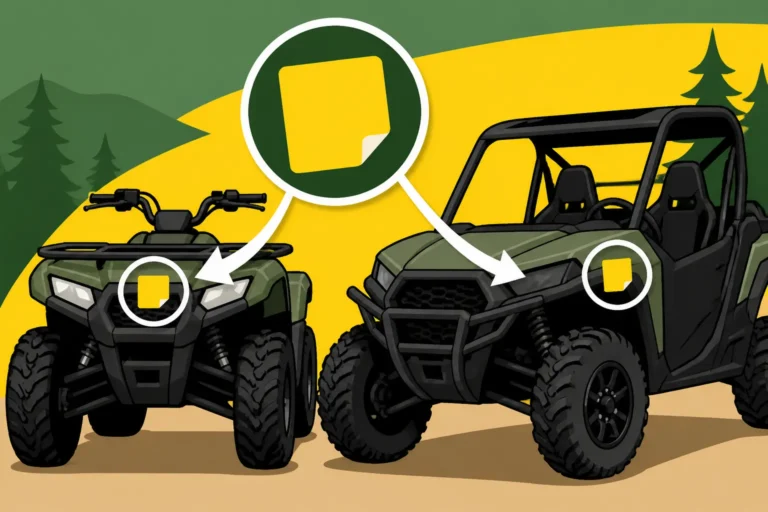
The official online process may be convenient because you can review the details before leaving home. Follow the instructions provided at checkout: depending on the current process, you may need to print or collect permit materials and display them as directed. Don’t rely on a confirmation email alone if the instructions call for a visible sticker or other physical item. Buying a Permit Online at Trailsheaven covers the online route, while Where to Buy a Hatfield-McCoy Trail Permit can help you compare purchase options.
If you plan to buy in person, check that the sales location is open and can issue the permit you need when you arrive. Trailhead and local vendor arrangements can differ, and a late arrival or an unexpected closure can create a delay. Buying ahead can reduce uncertainty, but only if you follow the official instructions for receiving and displaying the permit.
Before paying, check these details:
- Permit category: Confirm that you are choosing the non-resident option and meet its stated conditions.
- Machine count: Make sure your purchase plan accounts for every machine that will ride.
- Validity: Read the terms for the permit’s effective period instead of assuming it matches your travel dates.
- Display or possession: Follow the instructions for where the permit goes and what riders must keep available.
- Included access: Check whether a rental, guided trip, or lodging package already provides a permit.
- Purchase record: Save the confirmation and any directions for printing, pickup, or replacement.
If the online description and a vendor’s answer conflict, pause and confirm the rule through an official channel before purchasing. It is easier to resolve a category or machine-count question before the ride than at the trailhead.
Reciprocity, out-of-state machines, and common cost mistakes
“Non-resident” describes the permit category; it does not mean that an out-of-state machine’s registration automatically substitutes for a trail permit. A rider may have valid paperwork from home and still need the Hatfield-McCoy permit for trail access. Likewise, a trail permit should not be treated as a title, road registration, or permission to ride on every public road in West Virginia.
The reverse is important too: a permit does not settle every legal or practical question about a machine brought from another state. Make sure you understand the separate requirements that apply to your vehicle and trip. If you are unsure whether your home-state paperwork is relevant, Out-of-State Riders on West Virginia Trails addresses the broader issue of visiting riders and trail rules.
Common budgeting errors include:
- Using a remembered price: Fees and purchase terms can change. Confirm the posted amount for the category you need.
- Counting people instead of machines: Plan around the vehicles entering the system, then check the permit terms.
- Assuming one permit covers unrelated trail networks: Verify access for each system you plan to ride.
- Treating a rental reservation as proof of permit coverage: Ask the rental provider directly.
- Confusing trail access with road legality: A trail permit is not a general license for public-road riding.
- Leaving the purchase until arrival: A vendor’s hours, availability, or pickup process may not fit your schedule.
A sound budget is simple: verify the non-resident price through the official seller, apply the permit terms to each machine, and keep the permit cost separate from all other trip expenses. If a group is renting, get written confirmation of what is included. If you are bringing your own machine, check its paperwork independently and do not assume an out-of-state registration grants access.
That approach is more reliable than planning around an old fee quoted elsewhere. It also makes it easier to spot a missing permit before loading the trailer, leaving home, or reaching a trailhead.
Disclaimer
This article is for general informational purposes only and does not constitute professional advice. Laws, prices and regulations vary by location and change over time. Consult a qualified professional for guidance on your specific situation.