Trade-In Credit at a West Virginia Dealer
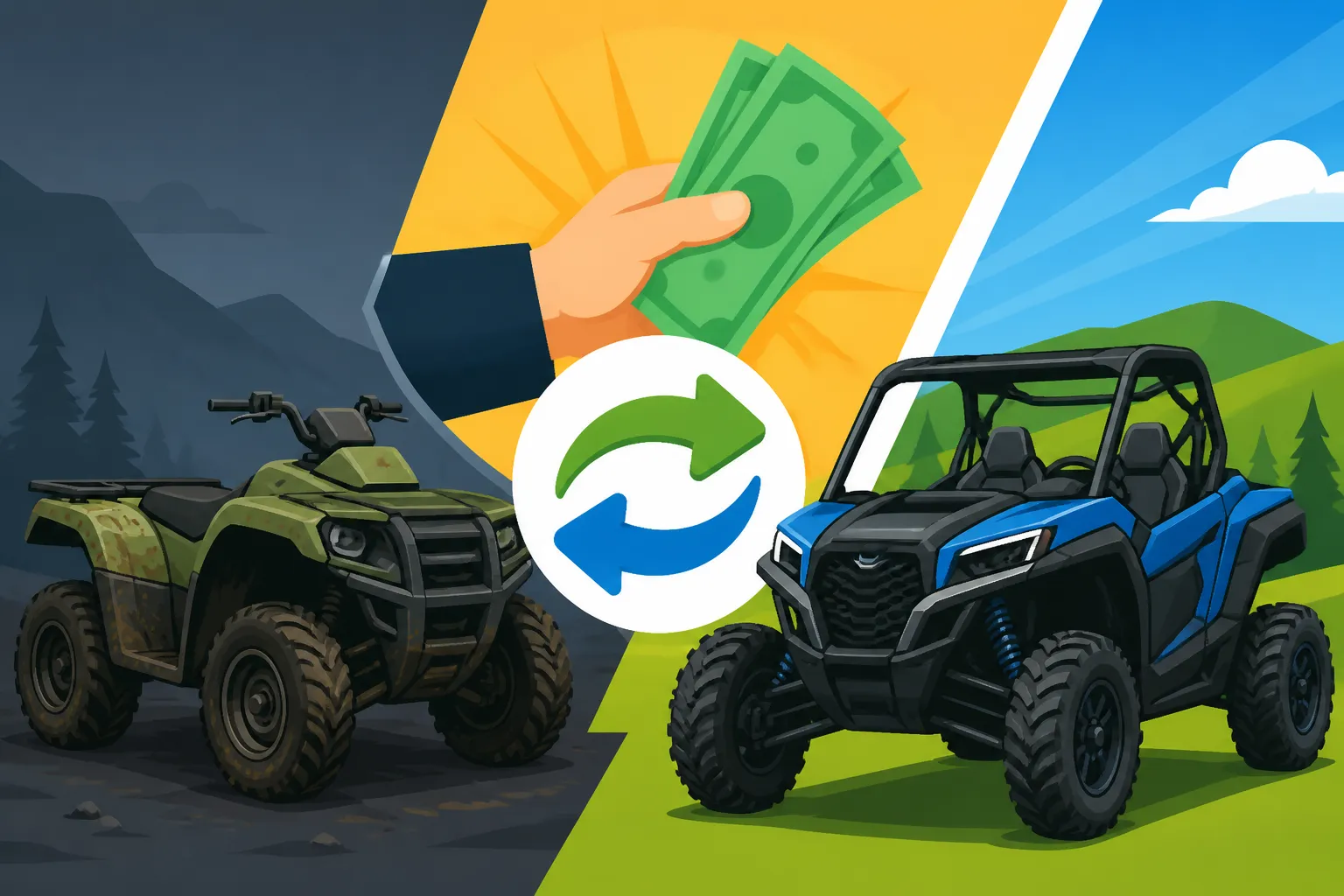
Selling your trusty ATV or UTV in West Virginia, especially when you're eyeing an upgrade, can feel like navigating a winding mountain road in the fog. Many riders wonder if they'll get a fair shake at a dealership, or if trading in is even the best financial move. This guide will help you understand the ins and outs of getting trade-in credit for your ATV or UTV at a West Virginia dealer, ensuring you're prepared and confident in the process.
Understanding Trade-In Credit at a West Virginia Dealership
When you're ready to upgrade your off-road machine, trading in your current ATV or UTV at a West Virginia dealership seems like the most straightforward path. It eliminates the hassle of private sales, advertising, and meeting strangers, but it's essential to understand how dealerships approach this process and what factors influence the value they offer. It's not just about what your machine is worth to you, but what it's worth to them as a resale item.
Why Dealerships Offer Trade-In Credit
For dealerships, accepting trade-ins is a cornerstone of their business model. It's a convenient service for customers, making the purchasing process smoother and often more appealing. By taking your old machine, they remove a significant barrier to you buying a new one, as you don't have to worry about finding a buyer yourself. From their perspective, a trade-in is another potential sale for them, albeit often at a lower profit margin than a new unit. They factor in the costs of reconditioning, advertising, and the profit margin they need to make when determining what they can offer you.
Beyond the convenience, trade-ins offer dealerships a consistent inventory stream of used machines. This allows them to cater to a broader range of budgets and preferences, attracting customers who might not be in the market for a brand-new ATV or UTV. They also benefit from the potential for repeat business, building a relationship with you as a customer who might return for future upgrades or service needs. Understanding this symbiotic relationship can give you leverage in negotiations, as you know they want your business.
Furthermore, trade-in credit can offer you a tax advantage in West Virginia. When you trade in a machine and purchase a new one, you typically only pay sales tax on the difference between the new machine's price and your trade-in value, rather than on the full price of the new unit. This can be a significant saving, especially on higher-value machines, and is a major reason why many West Virginia riders opt for a trade-in over a private sale. Keep this in mind as you weigh your options, as it directly impacts your out-of-pocket cost. You can learn more about this by reading [West Virginia Sales Tax on an ATV Purchase].
The Basics of How Trade-In Value is Determined
A dealership's trade-in offer isn't pulled out of thin air. Several key factors go into their valuation. Primarily, they look at the make, model, year, and overall condition of your ATV or UTV. Is it a popular model that sells quickly? How many hours are on the engine? What's the cosmetic wear and tear like? They'll assess everything from tire tread and brake condition to dents, scratches, and any signs of neglect. They're looking for issues that will require repair before they can resell it, and those repair costs will directly reduce their offer to you.
Beyond the physical state of the machine, market demand plays a huge role. If your specific model is highly sought after in West Virginia, or if there's a shortage of used inventory, your trade-in value might be higher. Conversely, if the market is saturated with similar machines, or if your model is less popular, the offer might be lower. They also consider local factors, such as the prevalence of certain brands or types of riding in the region. A machine perfect for tight woods trails might fetch more in a heavy timber area than one designed for wide-open dunes.
Finally, the dealer needs to make a profit. They're a business, and they'll factor in overhead, reconditioning costs, and their desired profit margin. This is why a trade-in offer will almost always be less than what you might be able to get through a private sale. They're taking on the risk and the work of selling the machine, and that convenience comes at a cost. Your goal is to get the best possible offer while still appreciating the value of the convenience they provide.
What Paperwork You'll Need for a Trade-In
To make your trade-in smooth, having all your ducks in a row paperwork-wise is critical. The absolute most important document you'll need is the clear, original title for your ATV or UTV. In West Virginia, ATVs and UTVs have been titled since 1989 and 2010 respectively, so nearly all modern machines should have one. If you don't have the title, or if there's a lien listed on it, the process becomes significantly more complicated, and the dealer might not even accept your trade. A clean title proves you are the legal owner and can transfer ownership without issue. You can learn more about this process in [What the West Virginia DMV Needs to Title an ATV].
Beyond the title, gather any maintenance records, service history, and receipts for aftermarket parts or accessories you've added. These documents demonstrate that you've cared for your machine and can add to its perceived value. While not always directly increasing the offer, they build trust with the dealership and show them you're a responsible owner. If you don't have a formal bill of sale from when you originally purchased the machine, it's less critical for a trade-in than for a private sale, but any proof of ownership is helpful. For tips on a proper bill of sale, check out [West Virginia ATV Bill of Sale: What Belongs in It].
If your machine has a lien on the title because you financed it, don't despair. Dealerships handle this all the time. You'll need to know your payoff amount, and the dealer will typically pay off your existing loan as part of the trade-in transaction. The remaining equity (or deficit) is then applied to your new purchase. Make sure you understand how this is calculated and get all the figures in writing. A solid understanding of [Liens on a West Virginia ATV Title] will be very beneficial here.
Maximizing Your ATV or UTV's Trade-In Value
You want the best possible return on your trade-in, and while dealerships need to make a profit, there are definite steps you can take to present your machine in the best light and potentially boost their offer. Think of it like selling a house – a little effort upfront can yield big dividends. It’s about making it easy for the dealer to see its value and minimizing their perceived reconditioning costs.
Prepping Your Machine for Evaluation
First impressions matter, even for an off-road vehicle. Before you take your ATV or UTV to the dealership for evaluation, give it a thorough cleaning. Wash off all the mud, grime, and dust. Get into the nooks and crannies. A clean machine suggests it has been well-maintained, even if it has seen its fair share of West Virginia mud holes. This isn't about hiding anything, but rather about showcasing its true condition without distractions. Wipe down plastics, clean the seat, and even shine up the tires.
Beyond aesthetics, consider some basic maintenance. Check fluid levels (oil, coolant, brake fluid) and top them off if necessary. Ensure the tires are properly inflated. Make sure all lights (headlights, taillights, brake lights) are working. If there are any minor, inexpensive repairs you can do yourself, like replacing a missing bolt or tightening a loose cable, it's worth the effort. These small details add up and contribute to the dealer's perception of your machine's overall condition and your attentiveness as an owner. A well-maintained machine implies fewer hidden problems for the dealer to fix.
If your machine has any significant, yet minor, issues – perhaps a frayed grip or a bent lever – consider replacing them if the cost is low. For example, replacing worn grips or a broken mirror might cost you $20-$50, but it could prevent the dealer from docking $100-$200 from their offer. However, don't invest in major repairs like engine work or transmission rebuilds specifically for a trade-in, as you're unlikely to recoup that cost in the trade value. Focus on the low-hanging fruit that impacts the visual and immediate operational impression.
Gathering Your Documentation
Having all your paperwork organized and easily accessible can streamline the trade-in process and demonstrate your commitment to a smooth transaction. As mentioned, your West Virginia title is paramount. Ensure it's in your name and free of any errors or discrepancies. If you're unsure about your title's status, or if it's lost, address that before you head to the dealership. Dealing with a lost title can take time, so get a [Replacing a Lost West Virginia ATV Title] if needed.
Beyond the title, gather any and all service records. This includes receipts from professional mechanics for oil changes, tire rotations, brake work, or any major component replacements. If you're a DIY mechanic, keep a log of your own maintenance, noting dates, mileage/hours, and what was done. These records provide a verifiable history of care and can reassure a dealer that the machine hasn't been neglected. Documentation of professional service can be especially compelling.
Lastly, if you've added valuable aftermarket accessories like a winch, upgraded suspension, or a custom light bar, gather receipts for these items. While dealers don't typically offer dollar-for-dollar value for accessories, having proof of their quality and cost can sometimes nudge your offer slightly higher. They'll appreciate knowing the machine has quality additions, not cheap knock-offs. Even a printout from a reliable source like LawDepot for a generic bill of sale from a previous purchase could show your commitment to proper documentation.
Researching Market Value Before You Go
Walking into a dealership armed with knowledge is your best defense against a lowball offer. Before you even set foot on the lot, do your homework on the market value of your specific ATV or UTV. Start by checking established valuation guides. While specific to cars, resources like NADA Guides and Kelley Blue Book sometimes have sections for powersports vehicles, offering a baseline "trade-in" or "retail" value. Keep in mind these are national averages and may need adjustment for the West Virginia market.
Next, scour online marketplaces and local classifieds in West Virginia. Look for machines identical or very similar to yours (same make, model, year, and approximate condition) that are currently for sale by private sellers and other dealerships. Note their asking prices. This will give you a realistic idea of what people are actually paying for your machine in your area. Remember, private sale prices will almost always be higher than a dealership's trade-in offer, but it helps establish a ceiling for your expectations.
When researching, differentiate between "asking price" and "selling price." Just because someone is asking a certain amount doesn't mean they'll get it. Pay attention to how long listings have been active. If a machine has been for sale for months, the asking price is likely too high. Your goal isn't to demand the private sale price from the dealer, but to understand the range and argue for the higher end of the trade-in spectrum based on your machine's condition and market demand. This groundwork will empower you during the negotiation process.
The Trade-In Process: Step-by-Step at a West Virginia Dealer
Once you've done your homework and prepped your machine, it's time to head to the dealership. Knowing what to expect at each stage of the trade-in process can reduce anxiety and help you feel more in control. It's a dance between you and the sales team, and understanding the steps will allow you to participate confidently.
Initial Evaluation and Offer
When you arrive at the dealership, a sales associate will typically greet you and inquire about your interest in a new machine and your intention to trade in your current one. Be clear about your goals. They'll then likely have a service technician or a used vehicle manager inspect your ATV or UTV. This inspection will be thorough, checking for mechanical issues, frame damage, tire wear, fluid leaks, and overall cosmetic condition. They'll start it up, listen to the engine, and potentially even take it for a short test drive to assess its performance.
During this evaluation, be honest about your machine's history. Hiding known issues can backfire and erode trust. However, don't volunteer every minor flaw. Let them find things. If they ask about a specific issue, answer truthfully. After their inspection, they'll typically disappear for a while to crunch numbers. They'll consider their reconditioning costs, current market demand, and their desired profit margin.
Finally, they'll present you with a trade-in offer. This offer might be presented as a single figure or broken down to show the new machine price, trade allowance, and sales tax savings. Don't feel pressured to accept the first offer. It's a starting point for negotiation. Calmly review the figures and compare them to your research. Remember, the sales tax benefit can make a lower trade-in offer more palatable than a higher private sale that doesn't offer that tax reduction.
Negotiating Your Trade-In Value
Negotiating is where your prior research truly pays off. When the dealer presents their offer, be ready to counter. You can say something like, "I appreciate the offer, but based on my research of similar machines in the West Virginia market and the excellent condition of my ATV, I was expecting a figure closer to X." Be specific about why you believe your machine is worth more – perhaps you just put new tires on it, or you have a full service history.
Focus on the overall deal, not just the trade-in value in isolation. Sometimes, a dealer might not budge much on the trade-in amount but might offer a better price on the new machine, throw in some accessories, or offer a service package. Look at the total out-the-door price. For instance, if the difference in sales tax is significant, that's real money in your pocket. A tool like a basic contract template from LawDepot, even if for private sales, can help you visualize the financial breakdown and ensure you understand each line item.
If you're struggling to get movement on the trade-in value, consider asking for an explanation of how they arrived at their figure. Sometimes, they might point out a specific repair cost they anticipate. If it's something minor you can argue against or that you can fix cheaply, you might be able to improve the offer. Be polite, firm, and prepared to walk away if the offer simply isn't fair. There are other dealerships, and a private sale might still be an option.
Understanding the Financial Impact of a Trade-In
Beyond the dollar amount of the trade-in, it's crucial to understand the full financial picture, especially with West Virginia's sales tax rules. As mentioned, one of the biggest benefits of trading in is the sales tax offset. In West Virginia, you typically only pay sales tax on the net price – that's the price of the new machine minus your trade-in allowance.
Let's say you're buying a new UTV for $15,000 and the dealer offers you $5,000 for your trade-in. You'd only pay sales tax on $10,000 ($15,000 – $5,000). If you sold your old UTV privately for $5,000 and then bought the new one for $15,000, you'd pay sales tax on the full $15,000. This difference can easily amount to hundreds of dollars in savings, which effectively boosts the "real" value of your trade-in. Always factor this into your calculations when comparing a trade-in offer to a private sale price.
Another financial consideration is any outstanding loan on your trade-in. If you owe money on your current ATV or UTV, the dealership will pay off that loan directly to your lender as part of the transaction. If your trade-in value is less than what you owe (you're "upside down"), the difference will be rolled into your new loan, increasing your payments. If your trade-in value is more than what you owe ("positive equity"), that extra money will be applied to your new purchase, reducing the amount you need to finance. Make sure you get all these figures in writing and understand the exact amount you're financing.
Common Pitfalls and How to Avoid Them
Even with all your preparation, issues can arise during the trade-in process. Being aware of common pitfalls can help you navigate them smoothly and ensure you don't get caught off guard, especially with West Virginia's specific titling requirements.
The Untitled Machine Dilemma
This is perhaps the biggest hurdle you can face when trying to trade in an ATV or UTV in West Virginia. Since 1989 for ATVs and 2010 for UTVs, these machines have required titles. If your machine is newer than these dates and you don't have a title, you're going to have a very tough time trading it in. A dealership cannot legally accept a trade-in and resell it without a valid title showing proper ownership. They simply won't touch it.
If your machine is older than these cutoff dates, or if you bought it from a state that didn't require titles and never registered it in West Virginia, you might still face challenges. Even if it's legally exempt from titling, a dealer might be hesitant because it's harder to prove ownership and assure future buyers. Your best bet is always to have a clean, valid West Virginia title in your name. If you're currently without one for a machine that should be titled, explore options like a bonded title or contacting the DMV immediately. You can find more specific guidance in articles like [Selling an ATV With No Title in West Virginia] and [Proof of Ownership for a West Virginia ATV Title].
The best advice is to ensure your title situation is sorted before you even think about heading to the dealership. If you bought your machine used and never transferred the title into your name, that needs to be done first. The dealer isn't going to do that work for you, and it will significantly delay or halt your trade-in plans. This is one area where procrastination can be very costly.
Outstanding Liens and Loans
While dealerships are accustomed to handling trade-ins with existing liens, it's still a pitfall if you're not prepared. The main issue arises if you have "negative equity" – meaning you owe more on your current loan than the dealer is willing to give you for your trade-in. If this happens, that negative equity will be added to your new loan, increasing your principal and monthly payments. Many buyers are surprised by this, thinking their old loan simply disappears.
Before you go, contact your lender and get an exact payoff amount for your ATV or UTV loan. Have this figure readily available. This allows you to accurately calculate your equity (or negative equity) and understand the true cost impact on your new purchase. While the dealership will handle the payoff, knowing the numbers yourself ensures transparency and helps you confirm their calculations. This proactive step helps avoid any last-minute surprises or misunderstandings at the finance desk.
If you do have a lien, ensure you have all the loan documentation handy. Once the dealer pays off the loan, you'll want to confirm with your original lender that the lien has been released and that you're no longer responsible for that debt. Sometimes this can take a few weeks, so follow up to ensure everything is squared away. Knowing about [Getting a West Virginia Title After a UTV Loan Is Paid] can give you peace of mind.
Hidden Costs and Fees
Dealership transactions can sometimes involve various fees that might not be immediately obvious. While reputable West Virginia dealerships will be transparent, it's always wise to scrutinize the final paperwork. Look out for "document fees," "processing fees," or other administrative charges. Ask for a full breakdown of all fees associated with both the purchase of the new machine and the trade-in transaction.
Don't be afraid to question anything you don't understand. If a fee seems exorbitant or unnecessary, ask for an explanation. In some cases, certain fees might be negotiable, or at least they can explain their purpose. The more informed you are, the less likely you are to pay for something you shouldn't. Using a checklist, perhaps inspired by the details found in a LawDepot contract, can help you compare line by line.
Ensure the sales tax calculation reflects the trade-in credit correctly. Double-check the final price of the new machine and the trade-in value on the contract to make sure they match what you agreed upon. It's a significant financial transaction, so take your time and read every single line of the purchase agreement before you sign on the dotted line. A moment of thoroughness can save you from a costly mistake.
Alternatives to Trading In Your ATV or UTV
While trading in at a dealership offers convenience and tax benefits, it's not the only way to offload your current machine. Understanding your alternatives can help you decide if a trade-in is truly the best option for your specific situation in West Virginia.
Selling Privately in West Virginia
The most common alternative to a trade-in is selling your ATV or UTV privately. The biggest advantage here is the potential to get a higher selling price than a dealership would offer for a trade-in. When you sell privately, you're capturing the retail value, not the wholesale value. This means more cash in your pocket, which you can then put towards your new purchase or keep for other expenses. However, this increased profit comes with its own set of responsibilities and potential headaches.
Selling privately means you're responsible for everything: advertising, fielding inquiries, arranging viewings and test rides, negotiating with buyers, and handling all the paperwork. You'll need to write a compelling ad, take good photos, and be available to show the machine. You'll also need to ensure you understand West Virginia's title transfer process thoroughly, as you'll be signing over your title directly to the new owner. Be prepared for potential buyers who might be tire-kickers, no-shows, or lowballers. For a smooth private sale, check out [Selling an ATV in West Virginia Without Trouble].
You'll also need a solid bill of sale to protect both you and the buyer. A template from a resource like LawDepot can be incredibly helpful here, ensuring all necessary details like buyer/seller information, VIN, purchase price, and condition are clearly documented. This helps avoid disputes down the line. Remember, while you might get more money, you're trading convenience for effort and risk.
Consignment or Online Marketplaces
Another option, sitting somewhere between a private sale and a dealership trade-in, is selling your ATV or UTV on consignment through a powersports dealer or through a dedicated online marketplace. With consignment, you leave your machine with a dealer, and they handle the advertising, showing, and selling for you. Once it sells, they take a percentage or a flat fee, and you get the rest. This can be less hassle than a full private sale, but you still need to find a reputable dealer willing to offer consignment and agree on a fair commission.
Online marketplaces, like dedicated ATV/UTV classifieds websites or even general online sales platforms, offer a wider reach than local classifieds. You still do the legwork of listing and communicating, but you might reach buyers outside your immediate area. This can be particularly useful if you have a niche or higher-value machine. Just be mindful of scams and always prioritize safe meeting locations and secure payment methods when dealing with online buyers.
When considering these options, weigh the time and effort you're willing to put in against the potential for a higher return. If you're not in a rush to sell and want to maximize your profit, a private sale or consignment might be worth the extra work. But if convenience and avoiding sales tax on the full new machine price are your top priorities, a dealership trade-in often makes the most sense in West Virginia.
| Feature | Dealership Trade-In | Private Sale in West Virginia |
|---|---|---|
| Convenience | High – Dealer handles everything | Low – Seller handles all aspects |
| Sales Tax Benefit | Yes – Pay tax on net price (new minus trade-in) | No – Pay tax on full price of new machine if bought from dealer |
| Selling Price | Wholesale/Lower – Dealer needs profit and reconditioning | Retail/Higher – You set the price to maximize profit |
| Payment | Credit applied directly to new purchase | Cash, check, or bank transfer from buyer |
| Paperwork | Dealer handles title transfer (you sign over) | Seller responsible for bill of sale, title transfer (to buyer) |
| Risk/Effort | Low – No buyer interaction, no advertising | High – Vetting buyers, security concerns, marketing |
| Time to Sell | Immediate – Part of new purchase process | Variable – Can take days, weeks, or months |
Disclaimer
This article is for general informational purposes only and does not constitute professional advice. Laws, prices and regulations vary by location and change over time. Consult a qualified professional for guidance on your specific situation.