West Virginia’s ATV-Friendly Towns and What You Can Ride
For any ATV or UTV owner in West Virginia, few things are more frustrating than hitting a fantastic trail system, then needing to load up your machine just to grab a bite to eat or get gas a mile down the road. The constant back-and-forth between legal trail and illegal road can really put a damper on your ride. This guide is all about navigating that common headache, exploring West Virginia's fantastic ATV-friendly towns and what exactly you can ride on their streets, so you can ditch the trailer and truly embrace the adventure.
Understanding West Virginia's Unique ATV Road Rules
West Virginia, with its rugged mountains and abundant off-road opportunities, has always been a haven for ATV and UTV enthusiasts. However, the legal landscape for riding these machines on public roads has historically been a bit of a maze, leaving many riders scratching their heads. It's not just about knowing the rules; it's about understanding the spirit behind them, and how local communities have carved out exceptions to welcome riders.
The General "No Road Riding" Rule and Its Frustrations
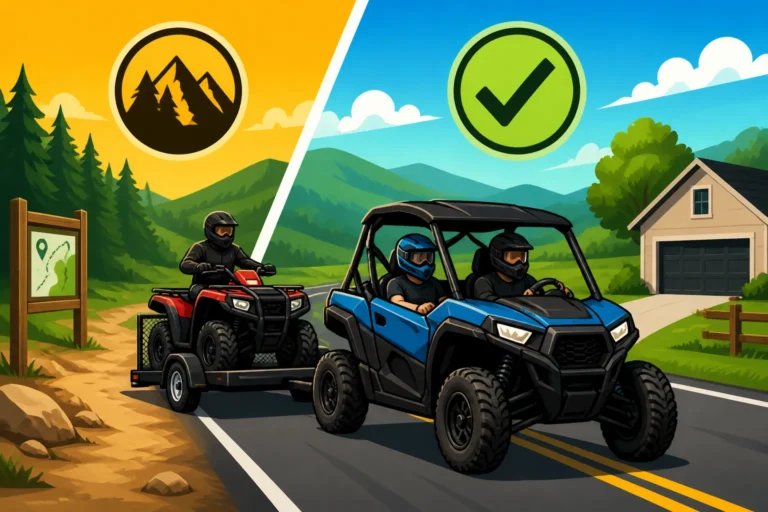
By and large, the standard rule across the Mountain State is that ATVs and UTVs are not permitted on public roads. This isn't unique to West Virginia, of course; many states have similar blanket prohibitions. The reasoning often revolves around safety concerns, the lack of traditional road-legal equipment on many off-road machines, and the general flow of traffic. For years, this meant that after a thrilling ride on private land or a designated trail, you had to haul your machine back to a staging area, load it onto a trailer, and then drive your truck into town for supplies, food, or lodging. This constant loading and unloading isn't just a minor inconvenience; it's a significant barrier to enjoying multi-day trips and fully immersing yourself in the trail community. Imagine finishing a dusty ride, the sun setting, and all you want is a hot meal and a cold drink, but you're facing another hour of trailering. It's a real buzzkill for many riders who just want to keep the adventure going seamlessly.
Exemptions and the Concept of "Trail Connectors"
While the general rule is restrictive, West Virginia law has some crucial exemptions that pave the way for a more rider-friendly environment. One significant exemption allows for short stretches of public road to be used as "trail connectors" to link different parts of a trail system, or to access a specific trail from a parking area. These aren't free-for-all passes to ride anywhere; they're very specific, designated sections, often marked with signage, where ATVs and UTVs can legally operate. The idea is to enhance the trail experience by reducing the need for trailering between segments. This concept is vital for destinations like the Hatfield-McCoy Trails, where extensive networks often intersect or run adjacent to small communities. Understanding [West Virginia's 10-Mile, 25 mph Road Rule] is key here, as these connector sections often come with specific limitations on speed and distance. It means you can often ride a designated route to cross a highway, get to a specific trailhead, or even pop into a nearby business, but it's not a license to cruise across the entire county.
The Rise of ATV-Friendly Ordinances
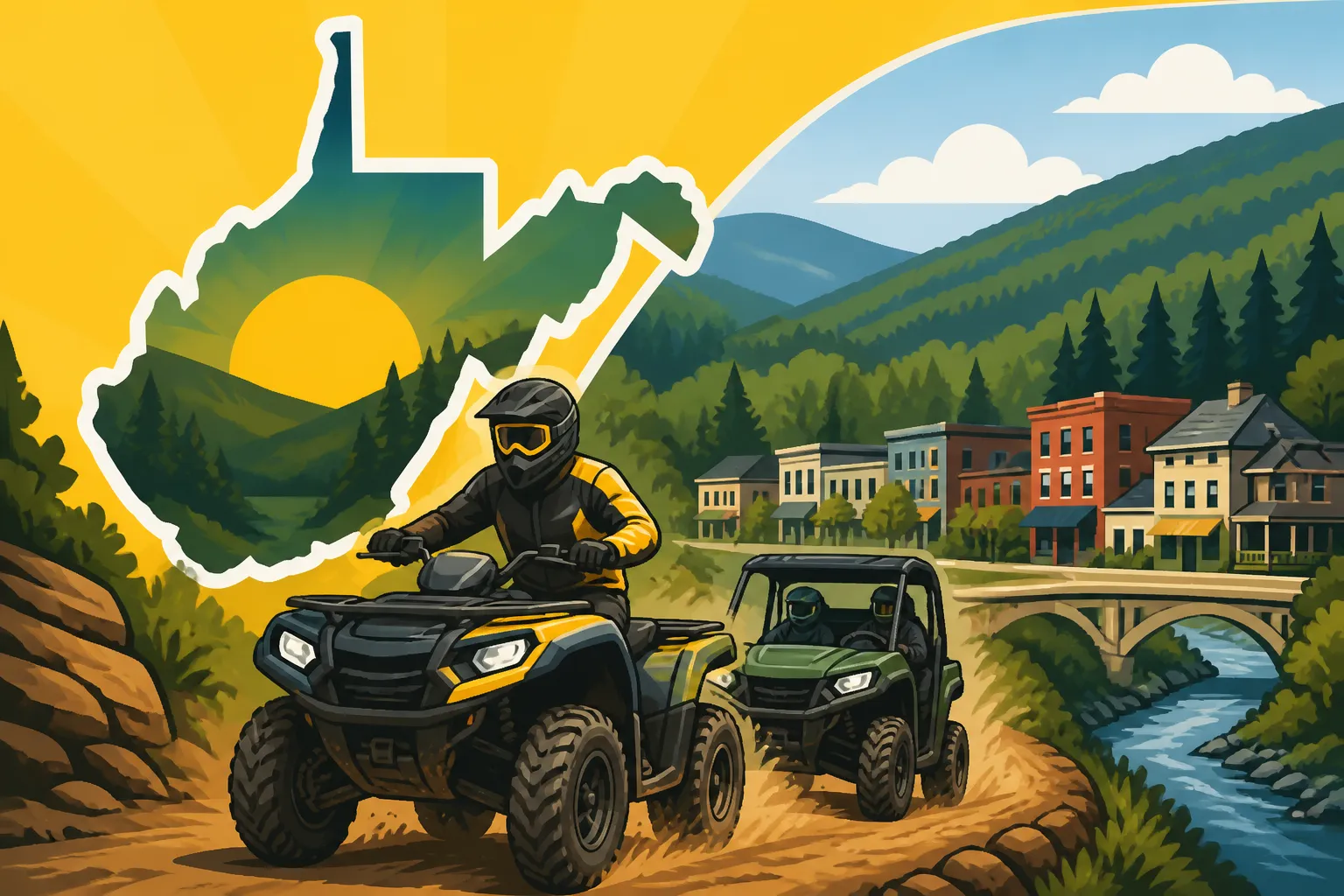
The real game-changer for West Virginia riders has been the proliferation of local ordinances in towns and communities that embrace off-road tourism. Recognizing the economic boom that ATV and UTV riders bring, many towns in Southern West Virginia, particularly those adjacent to major trail systems, have proactively passed local laws allowing the operation of ATVs and UTVs on specific municipal streets. This isn't just about connectors; it's about opening up entire downtown areas, allowing riders to access restaurants, hotels, gas stations, and shops directly from the trails. These "ATV-Friendly Town" designations represent a monumental shift, transforming what were once sleepy coal towns into vibrant hubs for off-road tourism. These local ordinances often come with their own set of rules, which can vary slightly from town to town, but they all share the goal of making it easier and more enjoyable for riders to spend their money and time in the community. It's a testament to how local initiative can overcome broader state restrictions, creating a welcoming environment that truly understands the needs of the ATV and UTV community.
What Makes a Town "ATV-Friendly" in West Virginia?
When you hear a town is "ATV-friendly" in West Virginia, it's more than just a catchy phrase; it implies a whole ecosystem built around accommodating off-road enthusiasts. These towns have gone the extra mile to integrate ATVs and UTVs into their daily fabric, making it seamless for riders to transition from rugged trails to paved streets without missing a beat. It's about thoughtful planning and a genuine welcome from the community.
Local Ordinances and Designated Routes
At the core of any ATV-friendly town is a set of carefully crafted local ordinances. These aren't just verbal agreements; they are official municipal laws that designate which streets are open to ATV and UTV traffic. Typically, these ordinances will clearly outline routes that connect directly to major trail systems, allowing riders to enter town without having to trailer their machines. For instance, towns like Gilbert might have maps detailing [Riding Through Gilbert on an ATV], showing you exactly which streets you can use to get to a restaurant or a hotel. These routes are usually marked with specific signage, making it easy for riders to know where they are allowed and where they're not. It's critical to pay attention to these signs, as riding off a designated route can still lead to fines or citations, even in an otherwise ATV-friendly town. These ordinances also often stipulate operating hours, helmet requirements, and other safety measures, which can sometimes be more stringent than the general trail rules, so it's always wise to check a town's specific regulations before you ride in.
Infrastructure for Riders: Parking, Fuel, and Food
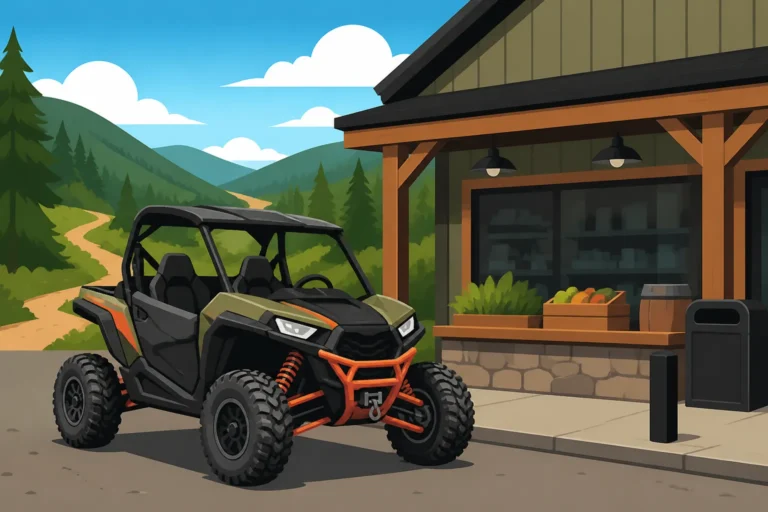
Beyond just legal access, ATV-friendly towns invest in the necessary infrastructure to support riders. This means having ample, accessible parking for your machine, often right in front of businesses or in designated lots. Imagine rolling off the trail, pulling right up to a diner, and parking your UTV like any other vehicle. It's a simple convenience that makes a world of difference. Gas stations in these towns are often equipped to handle off-road vehicles, with easy access at the pumps and sometimes even dedicated areas for cleaning off dusty machines. You'll find a proliferation of restaurants, from local diners serving homestyle cooking to more upscale options, all accustomed to serving muddy riders. Many lodging options, from small motels to sprawling cabin resorts, are either directly on a trail connector or offer dedicated ATV parking and wash stations. Some places even offer [West Virginia Rental and Cabin Packages at the Trails], making it incredibly easy to plan an entire trip without worrying about logistics. This focus on rider-specific amenities transforms a simple town into a true destination, understanding that the experience extends beyond just the trails themselves.
Community Welcome and Local Support
Perhaps the most intangible yet significant aspect of an ATV-friendly town is the palpable sense of community welcome. You'll notice it in the small things: store owners who greet you with a smile despite your muddy boots, local mechanics who specialize in ATV and UTV repairs, and events tailored specifically for riders. These communities recognize that off-road tourism is not just a recreational activity but a vital economic engine, providing jobs and supporting local businesses. This support often extends to local law enforcement, who, while still enforcing laws, are generally understanding and helpful to riders. They're there to ensure safety, not to deter visitors. Many local businesses will even display "ATV Friendly" decals, showing their commitment to the riding community. This genuine embrace makes riders feel not just tolerated, but truly valued, enhancing the overall experience and fostering a desire to return. The whole atmosphere reflects the spirit of hospitality that West Virginia is known for, extended wholeheartedly to the off-road community.
Exploring Key ATV-Friendly Towns and Their Offerings
West Virginia boasts several fantastic towns that have wholeheartedly embraced off-road tourism, becoming bustling hubs for riders flocking to the state's incredible trail networks. These towns are not just points on a map; they are destinations in themselves, offering everything from quaint lodging to delicious local eats, all accessible directly from your ATV or UTV.
Gilbert: The Heart of Southern West Virginia Riding
Gilbert, often proudly proclaiming itself the "ATV Capital of the East," truly lives up to its name. Nestled right on the edge of the Hatfield-McCoy Trail System's Rockhouse and Devil Anse trails, Gilbert has perfected the art of catering to riders. You can literally ride your machine from your hotel or cabin directly onto the trails, making it an unparalleled experience for convenience. The town's main street is fully accessible by ATV, allowing you to cruise right up to the many local restaurants like the popular Lynn's Drive-In for a burger and milkshake, or find gear at one of the several accessory shops. Need a part? Gilbert has you covered. Ran out of gas? Pull right up to the pump. Many local businesses in Gilbert understand the riding lifestyle implicitly, and you'll often see groups of ATVs parked outside stores and eateries. It's a vibrant, buzzing atmosphere, especially on peak weekends. For those looking for lodging, there are numerous cabin rentals and campgrounds, many of which offer direct trail access. Gilbert truly embodies the spirit of an ATV-friendly town, where the line between trail and town blurs into one continuous adventure.
Man and Logan: Gateways to Adventure
Further north along the Hatfield-McCoy system, the towns of Man and Logan serve as essential gateways for riders exploring trails like Buffalo Mountain and Bearwallow. While perhaps not as densely concentrated with direct trail access businesses as Gilbert, both towns have embraced their role in the off-road economy. In Man, you can find a variety of services, including gas stations, grocery stores, and local diners that welcome riders. Many riders stay in and around Man, trailering a short distance to the trailheads or using designated connector routes where permitted. [Lodging in Man, West Virginia] often includes accommodations that understand the needs of ATV groups, with parking for trailers and wash-down areas. Logan, a slightly larger town, offers more extensive amenities, including larger grocery stores, pharmacies, and a wider selection of dining options. It's a crucial resupply point for longer rides. Both towns have designated routes that allow for ATV access to core services, providing convenience for riders who might be exploring the vast network of trails in the surrounding areas. The emphasis here is on providing essential services within easy reach, solidifying their role as integral parts of the West Virginia riding experience.
Williamson and Matewan: History Meets Trail Access
For riders exploring the Buffalo Mountain Trail System, Williamson and Matewan offer a unique blend of historical significance and modern trail access. Williamson, often called "The Heart of the Coalfields," provides a larger urban center with a wide array of services. Riders coming off the trails can find substantial lodging options, diverse dining experiences, and all the supplies they might need for a multi-day trip. The city has specific streets designated for ATV access, making it convenient to ride into town. Matewan, famous for its role in the Hatfield-McCoy Feud and the Matewan Massacre, offers a more intimate, historically rich experience. You can ride your ATV through this historic town, exploring its unique heritage while enjoying easy access to nearby trails. Imagine parking your side-by-side and walking into a museum that tells the story of the coal wars, all within the same afternoon. [Riding Buffalo Mountain to Matewan] is a popular route, allowing riders to seamlessly blend historical exploration with exhilarating off-road adventure. These towns prove that ATV tourism isn't just about adrenaline; it's also about cultural immersion and experiencing the rich tapestry of West Virginia.
Mullens and Pineville: Gateway to Pinnacle Creek
If your destination is the Pinnacle Creek Trail System, then Mullens and Pineville are your essential stops. These towns are strategically located to provide direct access to the trails, allowing riders to easily get on and off the system for supplies, food, and rest. Pineville, as the county seat of Wyoming County, offers a range of services from gas and groceries to local eateries. It's a welcoming town where you'll see plenty of ATVs and UTVs cruising the streets. Mullens, a smaller community, also provides convenient access points and essential services for riders. Many of the local businesses in both towns cater specifically to the off-road crowd, from repair shops to places that sell common riding accessories. [Riding Pinnacle Creek to Mullens] is a common way to enjoy a day on the trails, knowing you can easily pop into town for lunch or to refuel. The infrastructure here is designed to support a smooth riding experience, ensuring that your adventure isn't interrupted by logistical headaches.
Bramwell and Ashland: Pocahontas Trail Access
For those heading to the Pocahontas Trail System, the charming historic town of Bramwell, known for its "Millionaires' Row," is a fantastic base. While not as overtly "ATV-centric" in its downtown as some other towns, Bramwell offers unique lodging in historic homes and good trail access nearby. You can experience a piece of West Virginia's past while enjoying modern off-road recreation. Just a short ride away, Ashland serves as another key access point to Pocahontas, with services like gas and convenience stores readily available. These towns, particularly Bramwell, offer a different flavor of ATV-friendly experience, blending heritage tourism with outdoor adventure. They're perfect for riders who appreciate a bit of history and charm with their dust and mud.
Navigating ATV-Friendly Towns Safely and Legally
Even in the most welcoming of ATV-friendly towns, the responsibility for safe and legal operation rests squarely on the rider. These towns open their streets to off-road vehicles with the expectation that riders will respect the rules, prioritize safety, and integrate smoothly with regular vehicular and pedestrian traffic. It’s not a free-for-all, but rather a privilege that comes with specific guidelines.
Essential Equipment for Town Riding
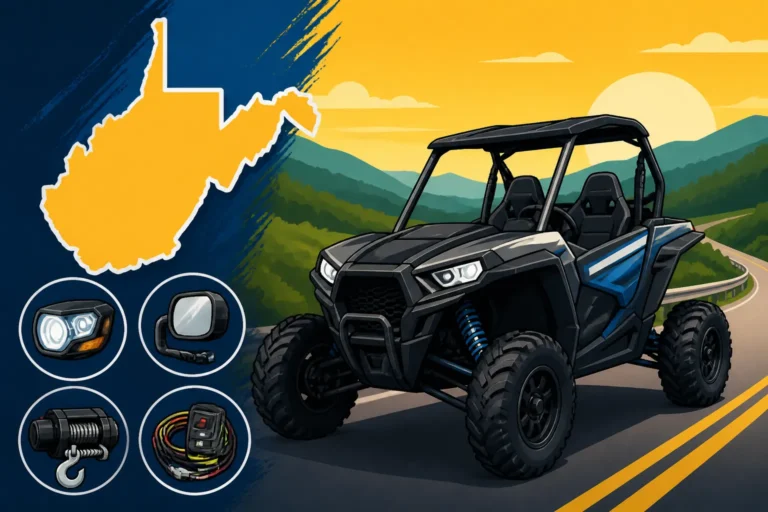
When you're transitioning from dirt trails to paved town streets, your machine needs to be equipped not just for the wilderness, but for interacting with other vehicles and pedestrians. This typically means having certain road-legal essentials. While specifics can vary slightly by town ordinance, universally, you'll need working headlights and taillights, especially if you plan to ride after dark. Your brake lights must be functional and clearly visible. A horn is absolutely essential for alerting others to your presence, particularly around blind corners or in parking lots. Mirrors are another non-negotiable, allowing you to see traffic behind and beside you. Many riders choose to upgrade their machines with aftermarket kits that include turn signals, as these greatly enhance safety and communication with other drivers on public roads. Companies like SuperATV offer a wide range of these types of kits, from plug-and-play turn signal systems to complete street-legal conversion kits that bundle all the necessary lighting and safety accessories. Having proper safety equipment isn't just about avoiding a ticket; it's about preventing accidents and ensuring you can navigate town streets confidently and predictably. Remember, while some trail machines come with basic lights, true town-riding often demands more robust, visible, and communicative lighting and signaling.
Understanding Speed Limits and Traffic Rules
This is where many off-road riders, accustomed to wide-open trails, can slip up. When you enter an ATV-friendly town, you are no longer just on a trail; you are sharing the road with cars, trucks, and pedestrians. This means all standard traffic laws apply, including posted speed limits. These limits are almost always significantly lower than what you might be used to on the trails, and they are strictly enforced. Pay close attention to signage – speed limits in town centers might be as low as 15 or 25 mph. Stop signs and traffic lights must be obeyed just as if you were driving a car. You must yield to pedestrians and other vehicles, and maintain a safe following distance. Remember that ATVs and UTVs handle differently on pavement than they do on dirt, especially when braking or cornering. Over-accelerating or sharp turns on asphalt can be dangerous. Respecting these rules is paramount not only for your safety but also for maintaining the good standing of ATV access in these communities. Ignoring them could jeopardize the very ordinances that allow you to ride in town. [How Trail Towns Police ATV Speed] is a serious concern for local authorities, and they will issue citations if riders are not compliant.
Parking and Fueling Etiquette
Parking your ATV or UTV in an ATV-friendly town also requires a bit of awareness. While many businesses will have designated areas, or you can park on the street like a car, always be mindful of blocking entrances, exits, or pedestrian walkways. Avoid parking on private property unless you have permission. If you're part of a large group, try to park efficiently to avoid taking up excessive space. When fueling up, pull your machine to the side of the pump, be considerate of other vehicles, and if your machine is particularly muddy, try to avoid leaving a mess for the next customer. Most importantly, always turn off your engine while fueling. Remember, you're representing the entire riding community, and your actions, positive or negative, reflect on all riders. The goal is to integrate seamlessly and respectfully into the town's daily life, proving that ATVs and UTVs can coexist harmoniously with traditional vehicles and residents.
Riding Etiquette and Community Engagement in Trail Towns
Being an ATV-friendly town is a two-way street. While these West Virginia communities go out of their way to welcome riders and cater to their needs, riders, in turn, have a responsibility to be respectful, conscientious guests. Good etiquette and positive community engagement are crucial for the continued success of off-road tourism in these areas.
Respecting Residents and Private Property
The most fundamental aspect of responsible riding in a trail town is showing respect for the local residents and their property. This means adhering to noise ordinances, especially during early morning or late evening hours. While the roar of your engine might be music to your ears on the trail, it can be disruptive in a residential neighborhood. Avoid riding through residential areas unnecessarily, and if you must, do so quietly and cautiously. Never trespass on private land, even if it looks like a shortcut. The trails are clearly marked for a reason, and respecting property boundaries is non-negotiable. Littering, whether on trails or in town, is absolutely unacceptable. West Virginia's natural beauty is part of what draws riders, and it's everyone's duty to keep it pristine. Remember that residents live and work in these towns every day, and a positive relationship with the riding community depends on mutual respect. Careless actions by a few can unfortunately sour the experience for everyone, potentially leading to stricter rules or even reduced access.
Supporting Local Businesses
One of the primary reasons these towns become "ATV-friendly" is the economic benefit that riders bring. As a responsible rider, make an effort to support the local businesses that welcome you. Instead of packing all your food and supplies from home, buy your gas, groceries, and meals in town. Choose local lodging options, visit the souvenir shops, and use the services of local mechanics if needed. Every dollar you spend directly contributes to the local economy, helping these towns thrive and reinforcing the value of off-road tourism. Many establishments are family-owned and operated, and your patronage makes a real difference. Look for businesses that proudly display "ATV Friendly" signs, as these are often the ones that have gone above and beyond to cater to your needs. This financial support is a critical component of positive community engagement, ensuring that these towns continue to see the benefits of welcoming riders and are motivated to maintain and even expand their ATV access.
Being a Responsible Ambassador for the Sport
When you ride into a West Virginia trail town, you're not just an individual; you're an ambassador for the entire ATV and UTV community. Your behavior, whether good or bad, reflects on all riders. This means being courteous, friendly, and helpful. If you see another rider struggling, offer assistance. If you encounter non-riders, be polite and considerate. When speaking with local business owners or residents, express your appreciation for their hospitality and the ATV-friendly environment they've created. This positive image helps to dispel any negative stereotypes about off-road riders and reinforces the idea that the sport is enjoyed by responsible, respectful individuals. Encourage others in your riding group to follow these same guidelines. The long-term viability of ATV access in these unique towns depends heavily on the collective reputation of riders. By being a responsible ambassador, you're not just enjoying your ride; you're helping to secure these incredible opportunities for future generations of riders.
Beyond the Towns: Connecting to the Wider Trail Network
While the ATV-friendly towns of West Virginia offer fantastic amenities and a welcoming atmosphere, their true value often lies in their role as vital connectors to the state's expansive off-road trail systems. These towns are not just places to grab a bite; they are launchpads for epic adventures, serving as convenient bases from which to explore hundreds of miles of world-class trails.
Accessing the Hatfield-McCoy Trail Systems from Town
Many of West Virginia's ATV-friendly towns are strategically positioned directly alongside or within easy riding distance of the legendary Hatfield-McCoy Trail Systems. This unparalleled network boasts over 1,200 miles of trails, ranging from easy green circles to challenging black diamonds, catering to every skill level. Towns like Gilbert, Man, Logan, Williamson, Mullens, Pineville, and Bramwell provide direct access points to various Hatfield-McCoy systems, including Rockhouse, Buffalo Mountain, Bearwallow, Pinnacle Creek, and Pocahontas. The beauty of these towns is that they allow you to ride directly from your lodging or local business onto the trails, eliminating the need to trailer your machine every day. This seamless transition maximizes your riding time and minimizes logistical headaches. For example, after a hearty breakfast in Gilbert, you can be on the [Rockhouse Trail System] in minutes, exploring its diverse terrain. Or, from Williamson, you can easily hop onto the [Buffalo Mountain Trail System] for a day of adventure. These towns are essentially extensions of the trail system itself, allowing for a truly immersive riding experience.
Planning Multi-Day Rides and Lodging Options
The convenience of ATV-friendly towns makes planning multi-day riding excursions a breeze. Instead of being confined to a single trailhead, you can use these towns as hubs for exploring multiple trail systems. Imagine starting your day on the Rockhouse Trail from Gilbert, riding to another town for lunch, and then exploring a different section of the trail before returning to your comfortable lodging. Many towns offer a variety of accommodations, from rustic cabins with direct trail access to modern hotels and RV parks. You can find everything from [Cabins With Direct West Virginia Trail Access] to larger facilities suitable for groups. Some places even offer combined packages that include both lodging and machine rentals, making it easy for out-of-state visitors or those without their own machines to experience the thrill. Planning your route to pass through different ATV-friendly towns allows you to refuel, grab a meal, and restock supplies without ever having to unhook your trailer. This flexibility is a game-changer for serious riders looking to maximize their time on the trails and experience everything West Virginia has to offer.
The Future of West Virginia's ATV Tourism
The success of West Virginia's ATV-friendly towns and trail systems has created a positive feedback loop, encouraging further development and investment in off-road tourism. More towns are recognizing the economic benefits and are exploring options to become ATV-friendly. There's ongoing work to expand and connect trail systems, creating even longer and more diverse riding opportunities. Local businesses are continually adapting and enhancing their services to cater to riders, from specialized repair shops to gear outfitters that might offer specific accessories from brands like SuperATV for making machines more trail or road-ready. This growth isn't just about more trails; it's about building a sustainable tourism industry that supports local communities and preserves the natural environment. The future looks bright for ATV and UTV riders in West Virginia, with a growing network of welcoming towns and unparalleled trail access promising endless adventures for years to come. By supporting these communities and riding responsibly, you're helping to shape that exciting future.
West Virginia ATV-Friendly Town Comparison
To give you a better idea of what to expect, here's a brief comparison of some of the key ATV-friendly towns in West Virginia, highlighting their primary trail access and common offerings.
| Town | Primary Trail Access (Hatfield-McCoy) | Key Amenities | Unique Features |
|---|---|---|---|
| Gilbert | Rockhouse, Devil Anse | Restaurants, Lodging, Gas, Parts/Gear Shops | "ATV Capital," high density of rider-specific services |
| Man | Buffalo Mountain, Bearwallow | Gas, Groceries, Lodging, Local Diners | Essential resupply point for multiple trail systems |
| Logan | Bearwallow | Larger amenities (stores, pharmacies), Lodging | Broader range of services, good for extended stays |
| Williamson | Buffalo Mountain | Diverse Dining, Hotels, Major Shopping | Urban center with historical sites, larger services |
| Matewan | Buffalo Mountain | Historic Sites, Small Local Shops | Rich history, cultural experience alongside riding |
| Mullens | Pinnacle Creek | Gas, Convenience, Local Eateries, Lodging | Direct access to Pinnacle Creek Trail System |
| Pineville | Pinnacle Creek | Gas, Groceries, Restaurants, Lodging | County seat, good range of essential rider services |
| Bramwell | Pocahontas | Historic Lodging, Unique Shops | "Millionaires' Row" history, quaint atmosphere |
| Ashland | Pocahontas | Gas, Convenience Stores | Gateway to Pocahontas Trail System, practical stops |
This table serves as a quick reference, but remember that each town has its own unique charm and specific local ordinances regarding ATV operation. Always check local signage and town websites for the most current information before riding on public streets.
Disclaimer
This article is for general informational purposes only and does not constitute professional advice. Laws, prices and regulations vary by location and change over time. Consult a qualified professional for guidance on your specific situation.