How Far You Can Ride an ATV on a West Virginia Road
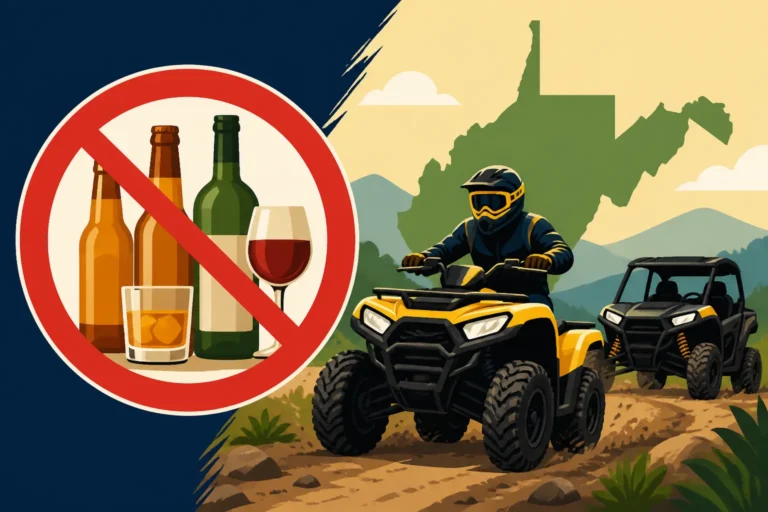
Many of us in West Virginia love the thrill of hitting the trails on our ATVs and UTVs, but what happens when the trail ends and you need to get to the next section, or maybe just grab a bite to eat in a nearby trail town? The thought of riding your machine on a public road can be a bit confusing, bringing up worries about breaking the law or getting a ticket. You’ve probably heard whispers of "10 miles" or "25 mph," but understanding exactly how far you can legally travel on a West Virginia road with your ATV or UTV, and under what conditions, is crucial to avoiding trouble. This guide will cut through the confusion and explain the precise limits and requirements for riding your off-road machine on the Mountain State's public roadways.
The Standard "10-Mile, 25 MPH" Rule for ATVs and UTVs
For most ATV and UTV owners in West Virginia, the ability to legally ride on public roads is quite limited, designed primarily for short transitions between trails or property access. This isn't about joyriding down Main Street; it's about practical necessity. The key here is to understand that this allowance comes with very specific restrictions that, if overlooked, can quickly lead to citations and a ruined day of riding. It’s a common misconception that "any road" for "any distance" is fine, but that couldn't be further from the truth in West Virginia.
Understanding the 10-Mile Limit
West Virginia law carves out a very narrow exception that permits ATVs and UTVs to operate on secondary roads, county routes, and even some town streets, but only for a limited distance. This distance is precisely 10 miles. Think of it as a small corridor designed to connect trails, access fuel, or get to a nearby lodging spot. It's not a green light to commute or take long scenic drives on public pavement. The intent is strictly functional, allowing riders to bridge gaps rather than replace traditional vehicles for everyday travel.
This 10-mile limit is per trip, not per day. So, if you ride 5 miles from a trailhead to a restaurant, then 5 miles back, that's within the limit. However, if you decide to go another 6 miles in a different direction, you’ve exceeded that allowance for that segment of your journey. Keeping track of your mileage is paramount, especially if you're navigating unfamiliar territory or using digital mapping apps that might not account for these specific legal restrictions. It’s easy to get caught up in the ride and inadvertently push past that boundary, so a keen eye on your odometer is always a good idea. Many riders find that having a dedicated GPS unit or using an app like onX Offroad on their phone helps them track these crucial distances. For more on this, check out [West Virginia's 10-Mile, 25 mph Road Rule].
The 25 MPH Speed Cap
Coupled with the 10-mile distance restriction is a strict speed limit of 25 miles per hour (mph). This speed limit applies even if the posted speed limit for cars on that particular road is higher. It’s a non-negotiable cap meant to ensure safety, as ATVs and UTVs, even those equipped with aftermarket street-legal kits, are not designed for high-speed road travel and often lack the same stability, braking, and crash protection as a typical passenger vehicle. The difference in handling between dirt and pavement, especially at higher speeds, can be significant.
Imagine riding your machine on a paved road at 45 mph. The tires designed for gripping loose terrain might feel floaty or unstable, and a sudden braking maneuver could be far more jarring or prone to skidding than in a car. This 25 mph limit is a critical safety measure, acknowledging the inherent differences in vehicle design. Deputies patrolling these roads are acutely aware of these limits, and exceeding 25 mph is a straightforward violation that can result in a ticket, regardless of whether you're within the 10-mile distance. Don't push your luck; adhere to the speed limit.
Where This Rule Applies
This 10-mile, 25 mph rule primarily applies to secondary roads, county routes, and some city streets that are explicitly designated as "ATV-friendly" or "trail connectors." You absolutely cannot ride on controlled-access highways, interstates, or any primary roads that are clearly marked as off-limits to ATVs. The intent is to facilitate access within local communities and connect sections of trails, not to create a statewide network of ATV-friendly highways.
Many of West Virginia’s beloved [Hatfield-McCoy Trail Systems] incorporate these road sections, especially in designated "trail towns" like Gilbert, Man, or Matewan. These towns have often passed local ordinances to align with state law and make their streets accessible for riders. However, even in these friendly locales, the 10-mile/25 mph rule still applies for non-SPV machines. Always look for signage and consult local ordinances or trail maps if you're unsure. Riding on a busy highway shoulder, for example, is almost certainly prohibited and extremely dangerous. You can find more details on [Which West Virginia Roads Allow ATVs].
What About Street-Legal Special Purpose Vehicles (SPVs)?
While the standard rules are quite restrictive, West Virginia does offer an option for those who want more extensive road-riding privileges: the Street-Legal Special Purpose Vehicle (SPV) plate. This designation is a game-changer for UTV owners, in particular, who wish to use their machines more broadly on public roads, bridging longer distances and accessing more amenities without constant worry about the 10-mile limit. It represents a significant investment in time and money to convert your machine, but for many, the freedom it offers is well worth it.
The Expanded 20-Mile Centerline Limit
For a properly titled and registered [West Virginia's Street-Legal Special Purpose Vehicle Plate], the road riding rules are considerably more lenient. Instead of a hard 10-mile cap, SPVs can travel up to 20 miles from their origin point on roads with no centerline. This means many of the less-trafficked, two-lane rural roads, which are common in West Virginia, become accessible for longer stretches. This is a crucial distinction: the limit applies to roads without a painted centerline, effectively allowing greater access on many backroads and rural connectors.
Additionally, SPVs can cross any road or highway (including those with centerlines or multiple lanes) at an intersection to continue on a permitted road. This provides much greater navigational flexibility. However, it's vital to remember that interstates and controlled-access highways remain off-limits. The ability to ride up to [West Virginia's 20-Mile Centerline Limit for Street-Legal Machines] significantly enhances the utility of a UTV, allowing riders to connect multiple trail systems, explore more distant towns, or simply enjoy a scenic drive on appropriate rural roads.
SPV Plate Requirements for Road Use
Earning an SPV plate isn't as simple as slapping on a new tag. It requires a specific conversion of your ATV or UTV to meet stringent safety and equipment standards, much like a regular vehicle. This typically includes, but isn't limited to:
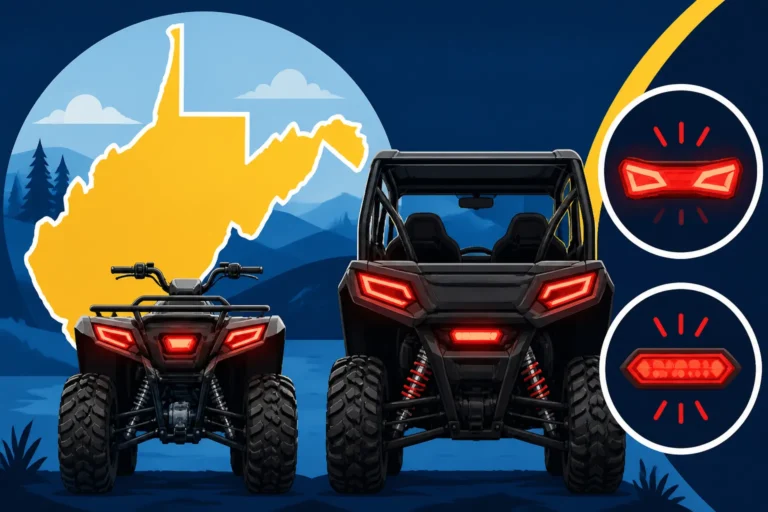
- Headlights and Taillights: Operational high and low beams, brake lights, and functioning taillights.
- Turn Signals: Front and rear turn signals are a must, an item many off-road machines lack from the factory. Companies like SuperATV offer comprehensive street-legal conversion kits that include turn signals, horns, and mirrors, making the upgrade process much smoother.
- Horn: A working horn for signaling.
- Mirrors: At least one rearview mirror, typically two, for adequate visibility.
- Windshield: While not always a full glass windshield, some form of eye protection or a windshield is often required, along with wipers if it's a full enclosure.
- DOT-Approved Tires: Your off-road tires might be fantastic for mud, but they generally aren't DOT-approved for pavement. Swapping to compliant tires is a common requirement.
- Seat Belts/Restraints: If applicable for UTVs, factory-installed seatbelts must be in good working order.
- Brakes: Fully functional braking system, including a parking brake.
- Spark Arrester: A U.S. Forest Service-approved spark arrester on the exhaust.
The [Equipment a West Virginia SPV Must Carry] is a detailed list that must be fully met before the DMV will issue an SPV title and registration. This process often involves a state inspection to verify compliance. It's a significant undertaking but transforms your machine into a much more versatile road-legal vehicle. Many riders opt for quality aftermarket components from brands like SuperATV to ensure their machines meet all necessary specifications.
Key Differences from Standard ATVs
The fundamental difference between a standard ATV operating under the 10-mile rule and an SPV is the intent and equipment. The 10-mile rule is a limited concession for essentially off-road machines to cross small sections of pavement. An SPV, on the other hand, has been purposefully modified and certified to operate more extensively on public roads.
This means that SPVs are subject to many of the same rules as cars when on the road, including mandatory [Insurance Required for a West Virginia SPV Plate], seat belt laws (for UTVs), and driver's license requirements. Standard ATVs under the 10-mile rule often have different or less stringent requirements for insurance or driver's licenses depending on specific circumstances and age of the rider. The SPV designation signifies a higher level of responsibility and compliance, allowing for that expanded road access. It's crucial not to confuse the two; an unmodified ATV cannot simply claim the 20-mile SPV privileges without the full conversion and registration. For detailed instructions, refer to [Registering a Street-Legal Special Purpose Vehicle in West Virginia].
Practical Considerations and Safety on West Virginia Roads
Beyond the legal limits, riding an ATV or UTV on a public road, whether for a short connection or an extended SPV journey, demands heightened awareness and specific safety practices. You're sharing the road with much larger, faster, and less maneuverable vehicles, and your machine simply isn't designed for the same dynamics. Safety should always be your top priority, especially when traversing paved surfaces.
Visibility and Required Equipment
Visibility is arguably your biggest challenge when riding an ATV or UTV on a public road. Your machine is smaller than most cars, and in many cases, lower to the ground, making it easy for other drivers to overlook you, especially at dusk or dawn, or around blind curves common on West Virginia's winding roads. To combat this, ensure your headlights and taillights are always on, even during daylight hours. Consider adding additional reflective tape to your machine and wearing bright, high-visibility clothing. Many riders add a tall, brightly colored flag to their UTVs, especially when riding in areas with heavy truck traffic, which can be very beneficial.
For SPVs, the equipment requirements mentioned earlier—like turn signals, horn, and mirrors—are not just legal necessities but critical safety features. Use your turn signals religiously, even for slight turns on country roads, to clearly communicate your intentions to other drivers. A good horn can alert distracted drivers. And mirrors, especially those with wide fields of view (SuperATV makes some great aftermarket options for UTVs), are essential for keeping track of traffic behind you. Remember, drivers often aren't expecting an ATV or UTV, so you need to be extra proactive in making yourself seen and understood.
Driver and Passenger Rules
Whether you're riding a standard ATV on a short road section or piloting an SPV, certain rules apply to the operator and any passengers. In West Virginia, if you're riding an ATV or UTV on a public road, you generally need to possess a valid driver's license. This isn't just a courtesy; it's a legal requirement that ensures you've demonstrated a basic level of driving competence. For younger riders, there are [West Virginia ATV Road Riding Age Minimum] and supervision rules that must be strictly followed.
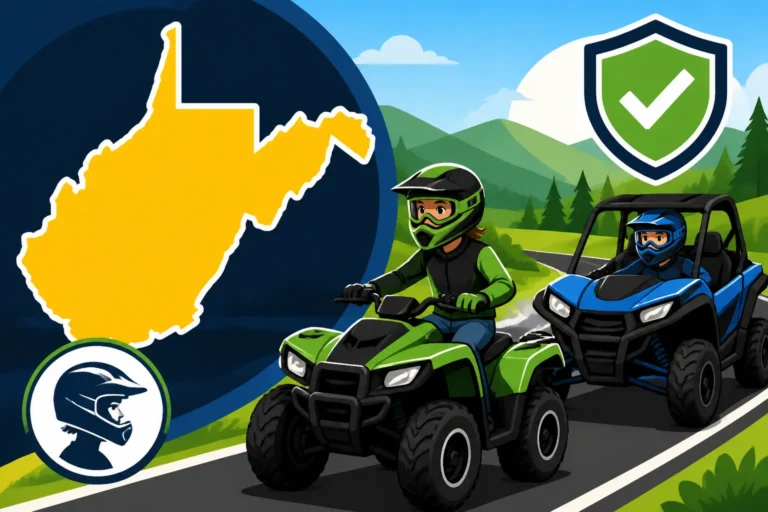
Furthermore, helmet laws are paramount. All riders and passengers under the age of 18 must wear a DOT-compliant helmet when operating or riding an ATV or UTV on any public road. While adults over 18 are not legally mandated to wear a helmet on these specific road sections, it is highly recommended for your own safety. The potential for serious injury in a collision is significantly reduced with a proper helmet. Eye protection is also a must for all riders and passengers. Even if you have a windshield, dust, debris, or insects can impair your vision, so goggles or a face shield are critical.
Navigating Towns and Highways
Even in ATV-friendly towns, discretion is key. While you might be able to ride legally on certain streets, remember that these are shared spaces. Be respectful of local residents, keep your noise down, and obey all traffic laws, including stop signs and traffic lights. Excessive speed, loud exhausts, or reckless riding can quickly erode the goodwill that has made these towns welcoming to riders. [Riding an ATV on the Road in West Virginia] means being a good ambassador for the sport.
As for highways, it bears repeating: interstates and multi-lane, controlled-access highways are almost universally off-limits, even for SPVs. The risks associated with high-speed traffic, complex merges, and the lack of suitable shoulders make these roads extremely dangerous and illegal for ATVs and UTVs. Stick to the designated secondary roads, county routes, and town streets where your machine is legally permitted. Plan your routes carefully, using maps that clearly delineate permitted roads from prohibited ones. [West Virginia's Rule for Roads Without Center Lines] can be a great guideline for SPV owners planning longer trips. Consider upgrading your machine with reliable parts from SuperATV to ensure peak performance on both trails and roads.
Penalties for Going Too Far or Breaking Rules
Ignoring West Virginia's ATV and UTV road riding regulations isn't just a minor oversight; it can lead to significant legal and financial consequences. The state and local authorities take these rules seriously, especially given the potential safety risks involved when off-road machines share pavement with traditional vehicles. Understanding the potential repercussions can help reinforce the importance of adherence.
Fines and Citations
The most immediate consequence of violating road riding rules is a citation from law enforcement. Deputies and state troopers in West Virginia are familiar with the 10-mile, 25 mph rule for standard ATVs and the SPV-specific regulations. If you're caught exceeding the 10-mile limit, going over 25 mph on a standard ATV, or riding an SPV on a prohibited road, you can expect a ticket. These fines can vary, but they are often substantial enough to put a serious damper on your riding budget. Think of it as an expensive lesson that could have been avoided by simply knowing and respecting the rules.
Beyond just exceeding the limits, other infractions like riding without a helmet (if under 18), lacking proper lighting, or operating without a valid driver's license (if required) can also result in citations. These aren't just minor traffic violations; they can be categorized as misdemeanors, potentially affecting your driving record and even your ability to operate an ATV or UTV in the future. It’s always cheaper and less stressful to simply follow the rules. [West Virginia ATV Ticket Costs] can really add up.
The Risk of Losing Trail Access
Perhaps one of the most disheartening consequences of breaking road riding rules, particularly in popular riding areas like the Hatfield-McCoy Trails, is the potential to lose your trail riding privileges. Trail systems and local communities work hard to maintain the delicate balance between allowing ATV access and ensuring public safety. Reckless or illegal road riding, especially behavior that generates complaints from residents or other motorists, threatens that balance.
If you receive a citation for road violations, especially repeat offenses, it can sometimes lead to a suspension of your Hatfield-McCoy Trail permit or other local trail access. The trail authorities monitor these incidents because they directly impact the relationships with landowners, local governments, and law enforcement. Losing access to the trails you love, all because you decided to push the limits on a paved road, is a heavy penalty that many riders don't consider until it's too late. It’s a collective responsibility to keep these riding opportunities open and thriving. [Penalties for an Untitled ATV in West Virginia] also touches upon severe consequences.
Title and Insurance Implications
Riding illegally on public roads can also have significant implications for your ATV or UTV's title and your insurance coverage. If you get into an accident while operating your machine in violation of state or local laws (e.g., exceeding the 10-mile limit or riding on a prohibited road), your insurance company might deny your claim. Most off-road vehicle insurance policies have clauses that exclude coverage for incidents occurring during illegal operation. This means you could be personally liable for damages to your machine, other vehicles, property, and any medical expenses for injuries sustained, which can quickly amount to tens or even hundreds of thousands of dollars.
Furthermore, if your machine is confiscated or impounded due to repeated or severe violations, recovering it can be a costly and complicated process, sometimes requiring proof of proper title and registration, along with payment of impound fees and fines. It's a nightmare scenario that can easily be avoided. Ensure your machine is properly [Titling an ATV in West Virginia] and has adequate [West Virginia ATV Insurance and When You Need It] for any potential road use, even limited. If you plan to make it an SPV, ensure your insurance explicitly covers street-legal operation. Don't let a moment of impatience or ignorance lead to such profound financial and legal headaches.
Here's a quick comparison of the two main types of road access for ATVs and UTVs in West Virginia:
| Feature | Standard ATV/UTV (10-Mile Rule) | Street-Legal Special Purpose Vehicle (SPV) |
|---|---|---|
| Primary Use | Trail connectors, property access, limited town transit | General road use, extensive trail system linking |
| Maximum Distance | 10 miles (per trip) | 20 miles (on roads without centerlines) |
| Maximum Speed | 25 mph | Posted speed limit (up to 25 mph if no limit) |
| Road Types Allowed | Secondary, county routes, designated town streets | Secondary, county routes, town streets, cross any road at intersection |
| Road Types Prohibited | Interstates, controlled-access highways, primary roads | Interstates, controlled-access highways |
| Equipment Required | Basic lights, spark arrester (for off-road) | DOT tires, turn signals, horn, mirrors, brake lights, headlights, windshield, seatbelts (UTV) |
| Driver's License | Generally required for road use | Required |
| Insurance | Recommended, often limited for road incidents | Mandatory (liability) |
| Registration/Title | ATV/UTV Title | SPV Title & Registration |
| Conversion Effort | Minimal (no specific mods for road use) | Significant (conversion kit, inspection) |
| Example Scenario | Riding 3 miles to a gas station from a trailhead | Riding 15 miles between two distinct trail systems |
Disclaimer
This article is for general informational purposes only and does not constitute professional advice. Laws, prices and regulations vary by location and change over time. Consult a qualified professional for guidance on your specific situation.