Riding to a Hunting Camp by ATV in West Virginia
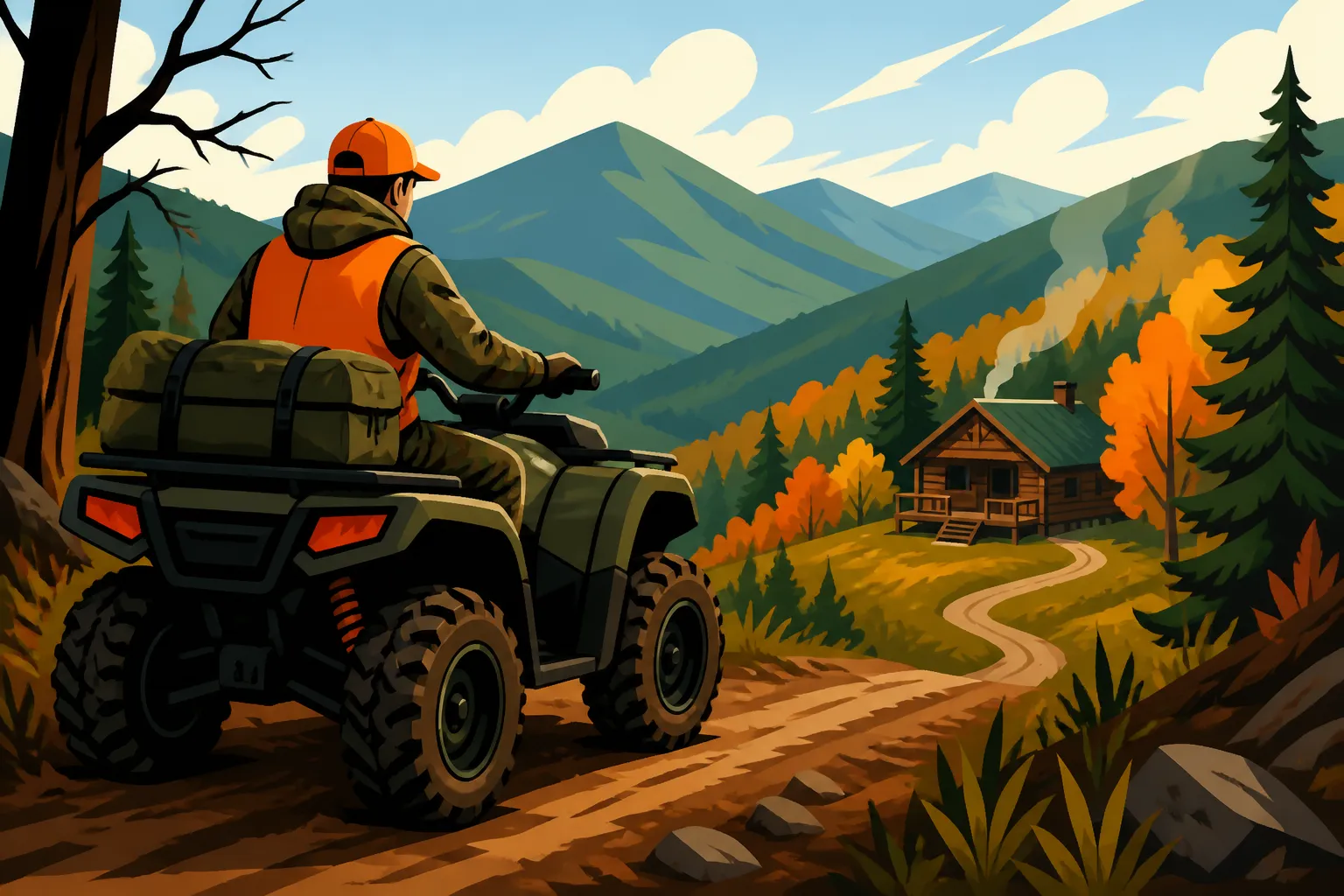
There's nothing quite like the crisp air of a West Virginia autumn morning, gearing up for a hunt. For many of us, the ATV or UTV isn't just a recreational toy; it's an essential tool for reaching those remote hunting camps and bringing out our hard-earned game. But the journey from your truck to that hidden camp often involves navigating some stretch of public road, and that's where the confusion, and sometimes frustration, begins. It's not always clear where you can legally ride, what equipment you need, or what rules apply when you're mixing public roads with your hunting plans. This guide will help you understand the specific West Virginia rules and practical tips for safely and legally riding your ATV or UTV to your hunting camp, ensuring your focus stays on the hunt, not on legal headaches.
Understanding West Virginia's ATV Road Rules for Hunting Access
Navigating West Virginia's roads on an ATV or UTV, especially with hunting gear, can feel like a maze of regulations. It's easy to assume that because you're "just going to camp" or "only crossing a road," the rules might bend a little. Unfortunately, that's not the case, and deputies take road safety very seriously. Understanding the precise rules for road usage is the first critical step to a successful and penalty-free hunting trip. You want to be celebrating your harvest, not explaining yourself to a state trooper.
The "10-Mile, 25 mph" Rule and Its Nuances
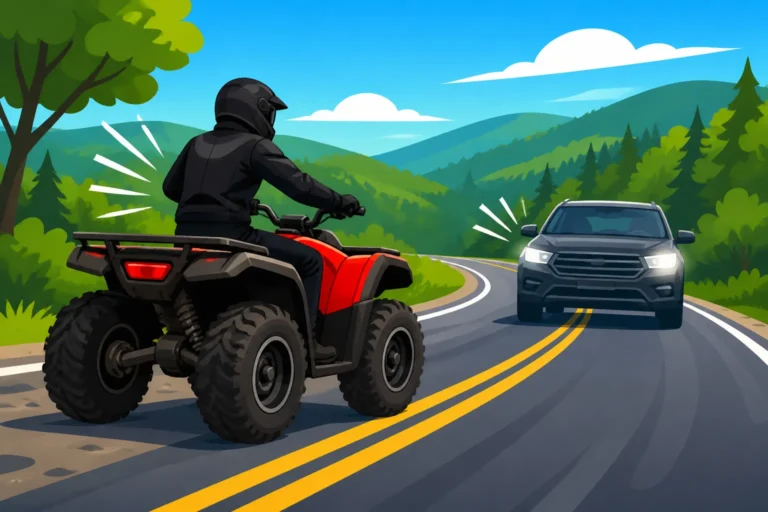
West Virginia law does provide limited opportunities for ATVs and UTVs to operate on public roads, but these are highly restricted. The most commonly cited provision allows you to operate an ATV or UTV on a public road for no more than ten miles and at a speed not exceeding 25 miles per hour. This rule isn't a free pass for joyriding. Instead, it's typically intended to provide access when no other practical route exists, such as connecting trail systems or, pertinent to our discussion, getting to a remote property like a hunting camp.
It’s crucial to understand that this rule primarily applies to county routes or roads that do not have a marked centerline. State-maintained routes, particularly those with higher traffic volumes or painted centerlines, are generally off-limits even for these short distances unless specifically designated as an ATV route by the local municipality. This distinction is vital because riding on a state highway, even briefly, when the law doesn't permit it can lead to immediate citations. Always check local ordinances, as some counties or towns may have stricter rules or even specific exemptions for designated areas.
When Are You Allowed on Public Roads with a Hunting ATV?
The primary intent of allowing limited road access for ATVs and UTVs, especially for activities like hunting, is for access and crossing, not extended travel. You might use a short stretch of road to connect from a main highway where you've parked your trailer to a gravel county road that leads directly to your private hunting land. Or perhaps you need to cross a paved road to get from one section of timber company land to another. In these scenarios, the 10-mile, 25 mph rule may come into play.
However, even when crossing or using a short stretch of permissible road, your machine must meet specific equipment requirements. This includes having working headlights, taillights, brake lights, a horn, and a muffler. Without these, even a lawful short hop can turn into a ticket. It’s also important to remember that these allowances do not extend to interstate highways or controlled-access roads at all – not even for crossing. Those are absolute no-go zones for your ATV or UTV. For a more detailed look, check out [West Virginia's 10-Mile, 25 mph Road Rule].
Essential Equipment and Preparations for the Hunt Camp Ride
Getting to hunting camp isn't just about knowing the rules; it's about being prepared. Your ATV or UTV needs to be in top shape, and your gear needs to be secured properly. A breakdown on a remote logging road or losing valuable equipment along a bumpy trail can quickly turn a promising hunting trip into a frustrating ordeal. Think of your machine as part of your hunting kit – it needs to be reliable, safe, and ready for anything the West Virginia wilderness throws at it.
Machine Readiness: Safety and Legality Checks
Before you even think about loading your cooler, you need to ensure your ATV or UTV is road-legal for those brief stints on public roads. This means checking your headlights, taillights, and brake lights for proper function. A working horn is also a must for signaling. Your muffler should be in good condition to meet noise regulations, and a spark arrester is often required for off-road use, especially when venturing onto public lands or close to wooded areas where fire danger is a concern.
Beyond the legal requirements, think about safety. Are your tires in good condition? While DOT-approved tires aren't strictly required for the limited road use permitted for off-highway vehicles, having good tread and proper inflation is crucial for both paved and unpaved sections. What about your brakes? Ensure they are responsive and effective. Consider adding heavy-duty cargo racks or secure storage boxes, perhaps from a reputable brand like SuperATV, to keep your gear protected from the elements and secured during bumpy rides. Having a reliable winch can also be a lifesaver if you find yourself stuck, especially when hauling out a big deer. For a comprehensive checklist, refer to [Equipment West Virginia Requires on a Road Ride].
Carrying Gear Safely: What You Need and How to Secure It
Once your machine is ready, it's time to think about your hunting gear. Whether you're hauling a rifle, a bow, a climbing stand, a cooler full of provisions, or even a chainsaw for camp chores, proper securement is non-negotiable. Loose items can become dangerous projectiles during abrupt stops or over rough terrain. They can also fall off, leading to lost or damaged equipment.
Invest in high-quality tie-downs and cargo nets. Rigid cargo boxes, like those offered by SuperATV, are excellent for keeping smaller items dry and contained. For rifles and bows, use approved cases that can be securely strapped to your racks. Never carry a loaded firearm unsecured on your ATV. Distribute weight evenly to maintain stability, especially when navigating turns or inclines. Overloading your machine can severely impact its handling and braking, creating a dangerous situation. Think through your entire route – if there's a steep section or a rough creek crossing, how will your gear hold up? It’s better to be overly cautious than underprepared when it comes to securing your precious hunting equipment. [Carrying a Firearm on an ATV in West Virginia] offers specific guidance on transporting your weapon.
| Item Type | Securement Method Recommended | Why It's Important |
|---|---|---|
| Firearms/Bows | Hard cases, securely strapped to racks | Protects weapon from damage, keeps it unloaded/safe, prevents loss |
| Coolers/Food | Cargo boxes, heavy-duty tie-downs, bungee nets | Prevents spills, keeps food safe, maintains weight distribution |
| Tree Stands/Blinds | Ratchet straps, designated rack mounts | Prevents shifting, keeps bulky items secure, avoids obstruction of view |
| Tools/Spare Parts | Enclosed tool bag, bolted-down toolbox | Keeps small items from falling out, prevents rattling, quick access |
| Backpacks/Soft Bags | Bungee nets, cargo straps, cargo boxes | Keeps contents dry and clean, prevents items from snagging branches |
| Fuel Cans | Approved mounts, dedicated fuel can carriers | Prevents spills, keeps flammable liquids stable and away from engine heat |
Navigating Different Road Types to Reach Your Camp
West Virginia offers a diverse landscape, and with that comes a variety of roads. From paved state highways to winding gravel county routes and barely-there logging trails, each type presents its own set of rules and challenges for ATV and UTV riders heading to a hunting camp. Knowing what to expect and how to legally navigate these different surfaces is paramount.
County Routes, Forest Roads, and Private Access
Many hunting camps in West Virginia are tucked away at the end of county routes or accessed via private logging roads. County routes, especially those without a painted centerline, are generally where the 10-mile, 25 mph rule for ATVs and UTVs is most likely to apply. These are often less-traveled, gravel, or poorly maintained paved roads that serve rural communities. However, always confirm with local authorities or consult a detailed map, as exceptions and local ordinances can exist. For deeper insights, consider reading [West Virginia Rules for Riding a County Route].
When it comes to forest roads, such as those within the Monongahela National Forest, the rules can vary significantly. Some designated forest roads are open to ATVs and UTVs, while others are strictly prohibited. These designations are usually clearly marked, and it's your responsibility to know before you go. Always consult the specific forest district's motorized vehicle use map (MVUM) for the most accurate and up-to-date information. Penalties for violating forest service regulations can be severe. You can learn more about this in [West Virginia Rules on National Forest Land].
Private land access is often the final leg of the journey to a hunting camp. If your camp is on private property, you absolutely must have explicit permission from the landowner to traverse their land with your ATV or UTV. This includes any private logging roads or trails that lead to your camp. Even if you've hunted there for years, a quick conversation to reconfirm access, especially with new landowners, can save a lot of grief. Without permission, you are trespassing, regardless of your intent. Understanding [West Virginia Trespass Law for ATV Riders] is vital for any hunter.
Crossing Highways and Interstates: The Rules
The rules for crossing major roadways in West Virginia are very strict for ATVs and UTVs. While you might be allowed to travel short distances on certain secondary roads, primary state highways (like US Routes or most state routes with painted centerlines) are generally off-limits for travel. Your only recourse, in most cases, is to cross them.
When crossing a permissible highway, you must do so as directly and perpendicularly as possible. This means no riding down the shoulder for a quarter mile to find a better crossing point. You cross at a 90-degree angle, take the shortest route, and yield to all traffic. Remember, your ATV is much less visible and slower than typical road vehicles, so extreme caution is warranted.
Interstate highways (I-64, I-77, I-79, etc.) are an absolute prohibition. You cannot operate an ATV or UTV on an interstate highway under any circumstances, not even to cross. If your hunting camp requires you to navigate across or along an interstate, you'll need to trailer your machine to the other side. There are no exceptions for hunting access, even if it seems inconvenient. Safety and the flow of high-speed traffic are the primary concerns here.
Legal Considerations Beyond Road Use
Taking your ATV or UTV to hunting camp involves more than just understanding road rules. There are additional legal layers related to carrying firearms, ensuring you have the necessary permits, and respecting land boundaries. A responsible hunter is a knowledgeable hunter, and that means staying informed on all applicable laws, both on and off the trail.
Carrying a Firearm and Hunting Regulations
For many, the ATV or UTV is the primary way to transport firearms to and from the hunting grounds. West Virginia law is clear about how firearms should be carried on these machines. Any firearm being transported on an ATV or UTV must be unloaded and either cased or otherwise made inaccessible to the operator. This means it cannot be readily available for use. For example, a rifle leaned against the seat with a loaded magazine in the well, even if not chambered, would likely be considered "accessible."
It’s always best practice to fully unload your firearm, remove the magazine, and place it in a secure, rigid case that is then strapped down to your machine. This not only complies with the law but also protects your valuable firearm from damage and ensures safety on bumpy rides. Also, be mindful of specific hunting seasons and regulations. [West Virginia ATV Rules During Deer Season] provides crucial information on rules that might specifically apply during prime hunting times. Always have your hunting license and any required tags or permits readily accessible while in the field.
Trail Permits and Private Land Access
While a dedicated trail permit, such as those for the Hatfield-McCoy Trails system, isn't usually required for riding directly to your private hunting camp on unpaved roads or private land, it's essential to understand when and where these permits are necessary. If your route to camp involves any designated, permitted trail system, you absolutely must have the appropriate permit displayed on your machine. Ignoring this can lead to fines and a ruined hunting trip.
For the vast majority of private hunting camps accessed via non-system roads, your primary concern regarding permits will be landowner permission. As discussed, having explicit, and ideally written, permission to access private land is paramount. This includes traversing land that might seem "unmarked" or "abandoned." Assume all land is private unless clearly designated as public and specifically open to ATV/UTV use. Even if you have permission to hunt a parcel, that doesn't automatically grant permission to ride your ATV across a neighbor's property to get there. Clear communication and respect for private property are the cornerstones of responsible hunting. A review of [Permits West Virginia Riders Actually Need] can help clarify which specific permits might apply to your planned ride.
Disclaimer
This article is for general informational purposes only and does not constitute professional advice. Laws, prices and regulations vary by location and change over time. Consult a qualified professional for guidance on your specific situation.