Fighting an ATV Ticket in West Virginia
Receiving an ATV ticket in West Virginia can be a real headache, taking a significant bite out of your wallet and potentially impacting your riding privileges. It’s frustrating when you're just trying to enjoy the incredible trails and backroads our state has to offer, only to be met with a citation. This guide will walk you through the various types of ATV tickets you might encounter, help you understand your options for addressing them, and outline the steps involved if you decide to fight your West Virginia ATV ticket.
Understanding Your West Virginia ATV Ticket: What Does It Mean?
First things first, let's unpack what that ticket actually means. An ATV ticket in West Virginia isn't just a minor annoyance; it’s a formal accusation of violating a specific law or ordinance. These citations can range from relatively minor infractions to more serious offenses, each carrying its own set of potential fines, points on your driving record (if applicable), and even more severe consequences. Knowing exactly what you've been cited for is the critical first step in figuring out your next move.
When a law enforcement officer hands you a ticket, it will typically list the specific code section you're accused of violating, the date, time, and location of the incident, and often a court date or instructions on how to pay the fine. Don't just glance at it and stash it away; read it carefully.
Common West Virginia ATV Violations
West Virginia has a mix of state laws and local ordinances governing ATV and UTV use, both on and off designated trails. It's easy to get caught off guard, especially if you're unfamiliar with a particular area or specific rules that apply to certain types of roads or trails.
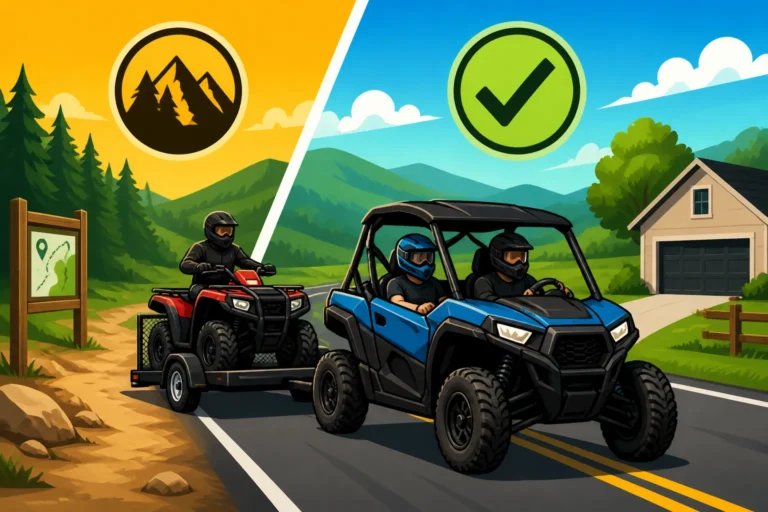
One of the most frequent tickets riders receive involves improper road use. While West Virginia has made great strides in opening up many roads for ATV use, there are strict limits. You might get a ticket for riding on a highway not designated for ATVs, exceeding the [West Virginia's 10-Mile, 25 mph Road Rule], or riding outside of [West Virginia's 20-Mile Centerline Limit for an SPV]. It can be baffling when one road is open and the very next one isn't, leading to genuine confusion rather than malicious intent.
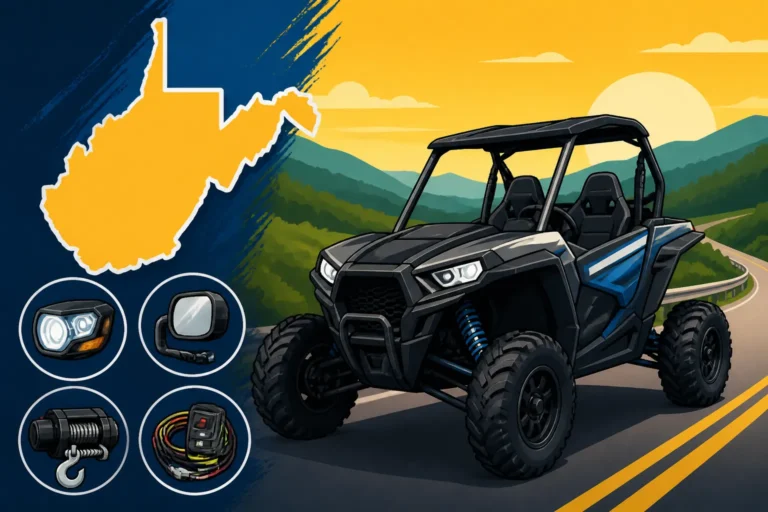
Another common citation area relates to equipment. If you're riding a Special Purpose Vehicle (SPV) on the road, it needs specific gear, such as proper lights, mirrors, and a horn. Forgetting a mirror or having a headlight out after dark could lead to a ticket for not meeting [Equipment a West Virginia SPV Must Carry]. Even on trails, there are rules about spark arresters and mufflers.
Age and licensing violations are also prevalent. For example, if you're caught riding on a public road without a valid driver's license, that's a problem, regardless of how experienced a rider you are. Similarly, allowing a minor to ride an ATV in violation of [West Virginia ATV Road Riding Age Minimum] or [Youth Machine Engine Size Limits for West Virginia Families] could land you with a citation. Sometimes, people just aren't aware of all the nuances of [Driver's License Rules for West Virginia Road Riding].
Then there are personal protective equipment violations. While adults generally aren't required to wear helmets on private land, [West Virginia Helmet Rules for Riders Under 18] are very clear for younger riders and for anyone riding on public roads. Not having appropriate eye protection can also lead to a ticket. Finally, let’s not forget the obvious ones: reckless riding, trespassing on private property, or operating under the influence. These are serious and come with significant penalties. You can find more detail on severe infractions in [West Virginia Penalties for Reckless Riding].
The Initial Consequences of an ATV Citation
Beyond the immediate fine, a West Virginia ATV ticket can have several lasting impacts. For starters, there’s the financial burden. Fines can vary widely based on the offense, from relatively small amounts for minor equipment violations to hundreds of dollars for more serious infractions. If you choose to pay the ticket, you're essentially admitting guilt, which means the fine is due, and any associated points or marks on your record will be applied.
For some violations, especially those involving road use, these citations might be tied to your state-issued driver's license, even if you weren't operating a traditional vehicle. This could lead to points on your license, potentially increasing your vehicle insurance premiums, or even affecting your ability to renew your license in the future. It really depends on how the specific charge is classified by the West Virginia Division of Motor Vehicles (DMV).
If the citation is for a trail permit violation, like riding on the Hatfield-McCoy Trails without a current permit, the fine can be substantial, and you might even face being asked to leave the trail system. These are all things to consider when you get that piece of paper. You'll also want to make sure you understand the [West Virginia ATV Ticket Costs] associated with various infractions.
Deciding Whether to Fight Your Ticket or Pay Up
Once you've received a West Virginia ATV ticket, you're usually presented with two main options: pay the fine or contest it in court. This decision isn't always straightforward, and there are valid reasons to choose either path. It really boils down to the specifics of your situation, the nature of the violation, and your willingness to invest time and potentially more money into the process.
It’s often tempting to just pay the fine and move on. After all, dealing with court dates, gathering evidence, and potentially taking time off work can feel like more trouble than it’s worth. However, simply paying the fine means you're pleading guilty or "no contest," and that comes with accepting all the consequences, including fines and any other penalties.
The Pros and Cons of Paying the Fine
Let’s be honest, paying a ticket is the easiest route in the short term. You write a check or pay online, and it's (usually) over.
Pros of Paying the Fine:
- Convenience: It’s typically a quick and hassle-free process. You avoid court appearances, legal fees, and the stress of a trial.
- Time-Saving: You don't have to spend time preparing a defense, gathering documents, or waiting in court.
- Predictable Outcome: You know exactly what the financial cost will be (the fine itself), and you can budget for it.
- No Further Risk: Once paid, the matter is generally closed, and you don't risk a higher fine or additional penalties from a judge.
Cons of Paying the Fine:
- Admission of Guilt: You're admitting to the violation, which can have ripple effects.
- Financial Cost: You still have to pay the full fine, which can be significant.
- Record Implications: Depending on the violation, it could lead to points on your driver's license, higher insurance premiums, or a mark on your record that could be visible in background checks. For example, a reckless riding charge could have serious long-term consequences.
- Missed Opportunity: If you truly believe you were innocent or the officer made a mistake, paying means you give up your chance to clear your name.
The Pros and Cons of Fighting Your Ticket in Court
Taking your case to court can be intimidating, especially if you've never done it before. However, it's your right to challenge a citation, and sometimes it's the right thing to do, particularly if you feel you were wrongfully accused or if the consequences of the ticket are severe.
Pros of Fighting the Ticket:
- Possibility of Dismissal: The best outcome is that the ticket is dismissed, meaning no fine, no points, and a clear record.
- Reduced Charges/Fine: Even if not dismissed, you might be able to negotiate with the prosecutor for a reduced charge, a lower fine, or an agreement that avoids points on your license.
- Justice: If you genuinely believe you're innocent, fighting the ticket allows you to present your side of the story and seek justice.
- Officer No-Show: Sometimes, the citing officer doesn't appear in court, which often leads to an automatic dismissal of your case. It's not guaranteed, but it happens.
- Setting a Precedent (Rare): In very specific circumstances, successfully fighting a ticket might draw attention to an unclear or problematic local ordinance, though this is rare for individual cases.
Cons of Fighting the Ticket:
- Time Commitment: You'll need to spend time preparing, gathering evidence, and attending court hearings, which might mean taking time off work.
- Financial Cost: While you might avoid the fine, you could incur other costs, such as attorney fees if you hire legal counsel, or court costs if you lose.
- Uncertain Outcome: There’s no guarantee you’ll win. The judge might uphold the ticket, and in some cases, you could even face a higher fine or additional penalties than the original citation.
- Stress: Going to court can be a stressful experience, particularly if you’re not used to legal proceedings.
- Officer Presence: Most officers are diligent and will show up to court with their notes, making it harder to get a dismissal based on their absence.
Ultimately, the decision rests on your shoulders. Consider the severity of the charge, the potential impact on your record and insurance, the strength of your defense, and your available time and resources. If you're unsure, consulting with a legal professional who specializes in traffic or misdemeanor cases in West Virginia can provide valuable guidance.
Steps to Fighting a West Virginia ATV Ticket in Court
So, you've decided to fight your West Virginia ATV ticket. Good for you for standing up for your rights! While the process can seem daunting, it's manageable if you break it down into clear steps. Remember, preparation is key, and understanding the legal process will significantly improve your chances of a favorable outcome.
Step 1: Understand the Charge and Your Rights
Before doing anything else, thoroughly review your ticket. Make sure you understand:
- The exact statute or ordinance you are accused of violating. Look up this law online or at a local law library to understand its wording and requirements.
- The date, time, and location of the alleged offense.
- Your court date and location (if provided), or instructions on how to request a hearing. Don't miss any deadlines!
- The officer's badge number and agency.
You have the right to plead not guilty and present a defense. You also have the right to remain silent, and the right to counsel. If you can't afford a lawyer, you might ask about public defenders, although they are typically reserved for more serious criminal cases, not minor traffic or ATV infractions.
Step 2: Gather Your Evidence
This is where your case will truly be built. Start collecting anything and everything that supports your argument.
- Photographs and Videos: Were you cited for an equipment violation? Take photos of your ATV showing the compliant equipment (e.g., [Mirrors and Horns on a Street-Legal Build], working lights, [DOT Tires for a Street-Legal Side-by-Side]). Was the ticket issued for trespassing? Take photos of the area, any signage (or lack thereof), or property boundaries. If you have dashcam footage or helmet cam video from your ride, review it for anything relevant.
- Witness Statements: Did anyone else see what happened? If so, get their contact information and a written statement detailing what they observed. Witnesses can be incredibly powerful in court.
- Documents: Do you have your trail permit, title, or insurance information? Have a copy of your [West Virginia ATV Title Application Form] or [Proof of Ownership for a West Virginia ATV Title]. If you were riding an SPV, bring proof of [Insurance Required for a West Virginia SPV Plate]. Ensure you have a valid driver's license. If the violation was related to road access, bring maps (like those from the Hatfield-McCoy Trails) that show legal connectors or shared roads.
- Your Account: Write down your detailed version of events as soon as possible, while it's fresh in your mind. Include everything you remember: weather conditions, visibility, traffic, your speed, exactly what the officer said, and your responses.
For equipment-related tickets, especially if you had aftermarket parts from a brand like SuperATV, make sure you have receipts or installation guides that can prove compliance with legal standards where applicable. For instance, if you were cited for improper lighting, but you'd installed a SuperATV light kit that meets all visibility requirements, that documentation could be valuable.
Step 3: Request a Court Hearing (If Not Already Assigned)
If your ticket simply provides a payment option, you’ll need to formally notify the court that you intend to plead not guilty and request a hearing. This usually involves signing the "not guilty" portion of the ticket or sending a written request to the clerk of courts by the deadline. Make sure to keep a copy for your records. Sometimes, you can even make [West Virginia DMV Appointments for ATV Titles] or general inquiries, but for tickets, it's usually the magistrate court.
Step 4: Prepare Your Defense Strategy
Think about the weaknesses in the prosecution's case or the strengths of your own.
- Factual Error: Did the officer make a mistake about your speed, location, or equipment?
- Misinterpretation of Law: Was the law applied incorrectly to your situation? For example, if you were riding a [West Virginia's Street-Legal Special Purpose Vehicle Plate] on a road that genuinely permits them, but the officer believed otherwise.
- Justification: Were you in an emergency situation? Did you have to swerve to avoid an accident?
- Lack of Evidence: Does the prosecution truly have enough evidence to prove guilt beyond a reasonable doubt?
Practice what you'll say. Be concise, respectful, and stick to the facts. Avoid emotional appeals or arguing with the judge.
Step 5: Attend Your Court Date
Dress neatly and arrive early. Be prepared for delays. When your name is called, you'll approach the bench.
- Initial Plea: You'll confirm your "not guilty" plea.
- Officer's Testimony: The officer who issued the ticket will present their account of the incident. Listen carefully and take notes.
- Cross-Examination: This is your chance to ask the officer questions. Focus on clarifying facts, highlighting inconsistencies, or eliciting information that supports your defense. For example, "Officer, can you confirm there were no 'no trespassing' signs at the point where I entered the property?" or "Officer, did you test the functionality of my brake lights before issuing the citation?"
- Your Testimony: You will then have the opportunity to present your side of the story and introduce your evidence (photos, witness statements). Speak clearly and confidently.
- Closing Statements: Both sides may have a chance to summarize their arguments.
- Verdict: The judge will either make a decision immediately or take the matter under advisement. If you are found guilty, the judge will typically impose a fine and any other penalties.
If you are found guilty, you usually have the right to appeal the decision to a higher court, though this is a more involved and costly process. It's often worth talking to a lawyer about whether an appeal is worthwhile.
Remember, fighting a ticket requires diligence and a firm understanding of the situation. Don't be afraid to ask questions of the court clerk if you're unsure about procedural matters, but always direct your case arguments to the judge.
Preventing Future Tickets: Knowing West Virginia's ATV Laws
The best way to avoid the headache of fighting an ATV ticket in West Virginia is to not get one in the first place! A little preparation and knowledge of the rules can go a long way in ensuring your rides are fun and hassle-free. West Virginia has done a lot to embrace ATV tourism, but with that comes a responsibility for riders to understand and respect the regulations.
It's easy to get excited and just hit the trails, but a few minutes spent reviewing the rules for your specific riding area can save you a lot of grief. Many tickets stem from simple misunderstandings or assumptions about where you can ride and what equipment is required.
Key Laws and Regulations to Keep in Mind
West Virginia's ATV laws cover a broad spectrum, from how you operate your machine to where you can operate it.
- Trail Permits: If you're riding on the famous Hatfield-McCoy Trails, you absolutely need a [West Virginia's Hatfield-McCoy Trail Permit Explained]. Don't assume. Always buy it in advance and display it correctly. These permits are crucial for maintaining the trail system we all love.
- Road Use Rules: This is probably the most complex area. Understand the difference between county roads, state routes, and U.S. highways. Know the specific towns that allow [Riding an ATV on the Road in West Virginia] and what their local ordinances are. Always adhere to the [West Virginia's 10-Mile, 25 mph Road Rule] for incidental road crossings and understand the specifics for SPVs, including the [West Virginia's 20-Mile Centerline Limit for Street-Legal Machines]. When you're connecting trails, be especially mindful of [West Virginia Rules for Riding Trail to Trail].
- Equipment Requirements: For any road use, even short distances, make sure your ATV meets the legal requirements. This includes functional headlights, taillights, brake lights, a horn, and mirrors. Many riders use aftermarket parts from companies like SuperATV to ensure their machines are fully equipped for street-legal conversion. They offer a range of products from turn signal kits to DOT-approved tires and windshields, which can help ensure your UTV meets the necessary specifications for an SPV plate. Remember, [Lights Required After Dark in West Virginia] are non-negotiable.
- Age and Licensing: Be clear on the age restrictions for riders, especially for minors. Anyone operating an ATV on a public road needs a valid driver's license. For youth riders on trails, remember the [Hatfield-McCoy Minimum Age of Six] and [Direct Supervision Rules for West Virginia Riders Under 16].
- Personal Protective Equipment (PPE): While adults over 18 often have more leeway on private land, [Helmet and Eye Protection Rules in West Virginia] are strictly enforced for minors and often for adults on public roads and designated trails. Always wear appropriate eye protection.
- Alcohol and Drugs: Just like operating a car, operating an ATV under the influence of alcohol or drugs is illegal and carries severe penalties. Don't risk it. You can learn more about [West Virginia ATV Alcohol Limit] and the consequences.
- Trespassing: Always stay on marked trails or property you have permission to be on. [West Virginia Trespass Rules Along Roads] are strict, and riding on private land without permission can lead to fines and even your machine being impounded.
- Paperwork: While you don't always need to carry your physical title, it's wise to have copies of your permit, registration, and insurance in a waterproof bag, especially when riding on public lands or trails. Know what [Do You Need Paperwork on the Trail in West Virginia?] covers.
Proactive Measures for Responsible Riding
Being a responsible rider isn't just about avoiding tickets; it's about respecting the land, other users, and ensuring everyone has a safe and enjoyable experience.
- Pre-Ride Checks: Before every ride, do a quick check of your machine. Are your lights working? Tires properly inflated? Brakes good? Are your mirrors adjusted? This simple routine can prevent a roadside stop for an equipment violation.
- Study Maps: Familiarize yourself with the area you plan to ride. Use official trail maps and GPS apps like onX Offroad to understand designated trails, legal road connections, and off-limits areas. Don't rely solely on word-of-mouth.
- Stay Informed: Laws and regulations can change. Check the West Virginia DMV or Hatfield-McCoy Trails websites periodically for updates. Join local ATV clubs; they often share important information about new rules or closures.
- Ride with a Buddy: Not only is it safer, but if an incident occurs, you'll have a witness to corroborate your story.
- Attend a Safety Course: Even experienced riders can benefit from a refresher. West Virginia offers ATV safety awareness courses that can teach you more about safe operation and the state's specific laws. You might even find out about exemptions like the [West Virginia's Safety Course Exemption for Managed Trails] if you ride exclusively there.
| Action | Benefit | Risk if Ignored |
|---|---|---|
| Obtain Trail Permit | Legal access to trails, supports trail maintenance | Significant fines, ejection from trails |
| Know Road Use Rules | Avoid tickets for illegal road riding | Fines, points on license, potentially more severe charges |
| Ensure Proper Equipment | Legal compliance for SPV/road use | Equipment tickets, safety hazards |
| Adhere to Age/Licensing | Protects minors, avoids illegal operation charges | Fines, legal trouble for guardians/parents |
| Wear Required PPE | Personal safety, avoids fines | Injury, fines |
| Avoid Alcohol/Drugs | Safe operation, avoids DUI/DWI | Arrest, severe fines, license suspension, jail time |
| Stay on Marked Trails | Respects private property, avoids trespass charges | Fines, machine impoundment, landowner disputes |
| Carry Key Documents | Quick verification for law enforcement | Delays, potential tickets for missing paperwork |
By taking these proactive steps, you can significantly reduce your chances of getting an ATV ticket in West Virginia and instead focus on enjoying the stunning scenery and thrilling rides that our beautiful state has to offer.
Disclaimer
This article is for general informational purposes only and does not constitute professional advice. Laws, prices and regulations vary by location and change over time. Consult a qualified professional for guidance on your specific situation.