Safety Glass Windshield or Goggles
Navigating the rules for riding your ATV or UTV on West Virginia's public roads can feel like a labyrinth, and one question that often leaves riders scratching their heads is exactly what kind of eye protection you need. It's not enough to just wear something; the law specifies particular types of gear. This guide will help you understand whether a safety glass windshield is sufficient, when goggles are mandatory, and how to make sure you're both safe and legal on the open road.
The Basics of West Virginia's Eye Protection Rules for Road Riding
When you transition your off-road machine to a public road in West Virginia, you're entering a different world with different risks and, consequently, different rules. Eye protection isn't just a suggestion here; it's a critical component of safe and legal operation.
Why Eye Protection is Non-Negotiable on Public Roads
Riding an ATV or UTV on a public road, even for short distances on designated routes, exposes you to hazards that are far less common on trails. Imagine cruising down a scenic West Virginia backroad, enjoying the open air and the rumble of your machine. Suddenly, a pebble kicks up from the vehicle in front, a piece of roadside debris flies loose, or a large insect splatters directly into your line of sight. At road speeds, these seemingly minor incidents can become major safety threats. Without proper eye protection, that momentary distraction or impact could lead to a serious accident, not to mention a trip to the emergency room for an eye injury. It's more than just an inconvenience; it's a genuine hazard that the state's laws aim to mitigate by mandating appropriate gear.
The legal mandate for eye protection in West Virginia when operating on authorized public roads isn't just about avoiding a ticket; it's fundamentally about protecting your vision and ensuring you maintain control of your machine. Whether you're making a quick run to a gas station in a trail town or traversing a short connector road, the risks are real, and your ability to see clearly and react quickly is paramount. [Eye Protection on a West Virginia Road Ride] is crucial, and the law reflects this undeniable need.
Understanding the "Safety Glass Windshield" Requirement
When the law talks about a "safety glass windshield," it's not just referring to any piece of plastic or acrylic that happens to be in front of you. This term has a very specific meaning. In the context of vehicle laws, "safety glass" generally refers to laminated or tempered glass designed to minimize injury if it breaks. For automotive applications, this often means it meets specific standards, such as those set by the Department of Transportation (DOT), typically indicated by AS1 or AS2 markings etched into the glass. A properly installed, DOT-approved safety glass windshield on your UTV does fulfill the eye protection requirement in West Virginia, meaning you would not need additional goggles while operating it.
The distinction between a basic plastic UTV windshield and actual safety glass is incredibly important. Many off-road windshields are made from polycarbonate or acrylic, which are durable and shatter-resistant for trail riding but do not meet the "safety glass" standard for highway use. If your UTV has one of these non-safety glass windshields, or if your ATV has no windshield at all, then the law requires you to wear other forms of eye protection, typically goggles. When you're looking at upgrading your UTV, you'll find plenty of options for windshields on the market. Companies like SuperATV, for instance, offer a range of windshields, and it's crucial to check their product specifications carefully to ensure the one you choose is made with DOT-approved safety glass if you intend for it to count as your primary eye protection on West Virginia roads. Always look for those specific markings or manufacturer claims of DOT compliance.
Goggles: Your Go-To Option When There's No Safety Glass
For many riders, especially those on ATVs or UTVs without a certified safety glass windshield, goggles become the default and necessary form of eye protection on public roads. It's a simple, effective solution that keeps you compliant and safe.
What Makes Goggles "Street Legal" in West Virginia?
Unlike windshields, there isn't a specific "goggle certification" mark like DOT for general street legality in West Virginia. However, the expectation is that they offer adequate protection. This generally means the goggles should be shatter-resistant, provide clear, unobstructed visibility, and be securely worn. Common types of goggles, like those designed for motocross or ATV riding, are typically more than sufficient. These are built to withstand impacts from roost, debris, and provide good peripheral vision, all critical factors when sharing the road with other vehicles. Think about durability and clarity; flimsy plastic eyewear that could easily shatter or distort your vision won't cut it.
The pros of goggles include their versatility and often superior airflow compared to a full windshield, which can be a blessing on hot days or during physically demanding rides. They offer direct, unhindered vision, allowing you to fully experience the ride. The main con, of course, is that they don't offer the same overall protection from wind, rain, or larger debris that a full windshield provides. Nevertheless, for compliance with [Equipment West Virginia Requires on a Road Ride], a good pair of goggles is a straightforward and widely accepted solution, especially for those machines not equipped with a legal safety glass windshield.
Choosing the Right Goggles for Comfort and Safety
Selecting the right pair of goggles goes beyond just meeting the legal minimum; it's about optimizing your safety and comfort for varied riding conditions. The fit is paramount: goggles should sit snugly on your face without pinching or leaving large gaps where dust or wind can seep in, especially when worn with a helmet. Look for models with good ventilation systems to prevent fogging, which can quickly become a dangerous distraction. Anti-fog coatings on the lens are also a huge plus. Different lens types offer distinct advantages: clear lenses are essential for night riding or overcast days, while tinted or mirrored lenses are perfect for bright, sunny conditions. Many riders keep a spare pair with different lenses to swap out as conditions change.
Beyond the lens, consider features like tear-offs or roll-offs if you anticipate muddy or dusty environments, as these can quickly obscure your vision. The strap should be adjustable and have a silicone bead to prevent it from sliding on your helmet. While all goggles provide protection, a well-chosen pair can significantly enhance your riding experience, keeping your eyes shielded from dust, wind, bugs, and debris without compromising your field of view. Remember, even if you have a street-legal UTV, if you're riding with a half windshield or an open-cab machine, quality goggles are still your best friend, allowing you to ride freely while maintaining optimal visibility and compliance with [West Virginia's Street-Legal Special Purpose Vehicle Law].
The Pros and Cons: Windshield Versus Goggles for Street-Legal ATVs/UTVs
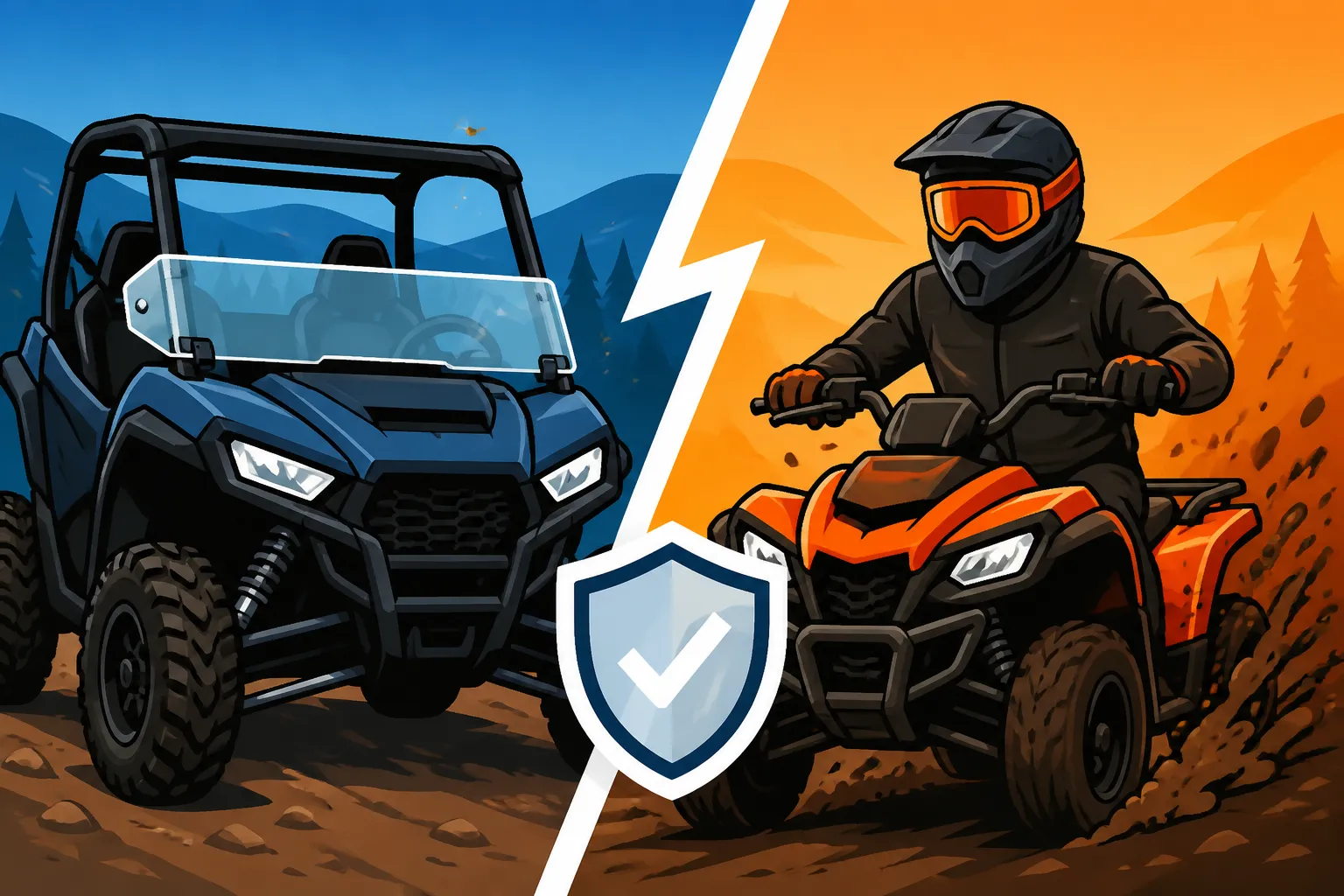
Deciding between a safety glass windshield and goggles isn't always cut and dry; each option presents its own set of advantages and disadvantages that can significantly impact your riding experience on West Virginia's roads. Your choice will largely depend on your machine, your riding style, and the typical conditions you encounter.
The Windshield Advantage: Comfort and Convenience
A DOT-approved safety glass windshield offers a superior level of comfort and convenience, especially for UTV riders who plan to spend a good deal of time on paved roads. Its primary benefit is comprehensive protection from the elements: wind, rain, dust, and flying debris are all effectively deflected, providing a much more relaxed riding experience. On long stretches of road, this protection can significantly reduce rider fatigue, making for a more enjoyable journey. In inclement weather, a full windshield, particularly one equipped with a wiper kit, dramatically improves visibility, allowing you to maintain speed and awareness safely. The "enclosed" feeling it provides also extends to passengers, making them more comfortable and less exposed to the elements.
However, a windshield does require maintenance. Keeping it clean, especially in dusty West Virginia conditions, is an ongoing task to ensure clear vision. Scratches can also become an issue over time, diminishing visibility and potentially requiring replacement. While the initial investment in a quality safety glass windshield can be substantial compared to a pair of goggles, the long-term benefits in terms of comfort and protection are often well worth it for those who regularly ride on public roads. Many aftermarket companies, including SuperATV, provide robust safety glass windshields designed specifically for popular UTV models, giving riders a solid option for street-legal conversion.
The Goggle Advantage: Versatility and Direct Experience
Goggles, on the other hand, shine in their versatility and the direct, unfiltered riding experience they offer. For riders who prefer maximum airflow or spend most of their time on dusty trails before briefly transitioning to the pavement, goggles are often the preferred choice. They prevent fogging better than many windshields in humid conditions and are much easier to clean on the go with a quick wipe. The direct connection to the environment – feeling the wind, smelling the fresh air – is a major draw for many ATV and UTV enthusiasts who cherish the open-air nature of their machines.
The cost difference is also a significant factor. A high-quality pair of goggles is considerably more affordable than purchasing and installing a full safety glass windshield. This makes them an accessible and practical solution for all riders needing to comply with eye protection laws on West Virginia roads. While they don't offer the same broad protection from weather as a windshield, they provide excellent direct eye protection against immediate threats like dust, bugs, and small debris. Riders often pair their goggles with a full-face helmet for comprehensive protection, adhering to guidelines like those found in [West Virginia Helmet Standards: DOT, Snell and ANSI]. This combination offers an excellent balance of safety, comfort, and compliance for many riders.
Practical Considerations and Making Your Choice
Ultimately, the decision between relying on a safety glass windshield or goggles often comes down to a blend of legal requirements, personal preference, and the specific ways you intend to use your ATV or UTV on West Virginia's roads. It’s about being prepared for anything the ride might throw at you.
When You Need Both (or Neither is Enough Alone)
There are definitely situations where you might find yourself needing both a windshield and goggles, or where a partial windshield simply isn't enough to meet the legal requirements. For instance, if your UTV has a flip-up or half-windshield that doesn't fully cover your eyes, you'll still need to wear goggles when traveling on public roads. The law requires adequate eye protection, and a partial barrier, while it might block some wind, often won't protect from all angles. Similarly, some riders with full safety glass windshields might still opt for goggles when they venture off-road onto particularly dusty trails, only to switch back to the windshield for the paved section. This dual-approach offers the best of both worlds: enhanced trail protection and road legality.
It's crucial to understand that a non-safety glass windshield, regardless of how much coverage it provides, does not absolve you of the need for separate eye protection. If your windshield isn't DOT-approved safety glass, then goggles or a full-face shield on your helmet become mandatory for you and any passengers when operating on West Virginia roads. This is a common pitfall for riders who assume any windshield is sufficient. Always remember, if there's any doubt about your windshield's compliance, wearing goggles is the safest and surest way to meet the requirement.
Equipping Your Machine for West Virginia Road Readiness
Eye protection is just one piece of the puzzle when it comes to making your ATV or UTV truly road-ready in West Virginia. Beyond ensuring your eyes are protected, your machine needs to meet several other critical requirements for legal operation on public roads. This includes proper lighting – headlights, taillights, brake lights, and turn signals – especially after dark. You’ll also need functional mirrors, a horn, and often a license plate light. All these elements work together to ensure your visibility to other drivers and your ability to safely communicate on the road.
Before you hit the pavement, take the time to review the complete list of [West Virginia SPV Plate Requirements List] or consult the specific regulations governing [Riding an ATV on the Road in West Virginia]. If you're installing an aftermarket windshield, always double-check the manufacturer's claims regarding safety glass compliance. For example, SuperATV, among others, typically specifies if their windshields meet DOT standards. Being proactive and thoroughly equipping your machine not only helps you avoid fines but, more importantly, keeps you and your passengers safe on West Virginia's beautiful, winding roads. Don't forget that [Equipment West Virginia Requires on a Road Ride] is comprehensive, and eye protection is just one vital part of it.
Disclaimer
This article is for general informational purposes only and does not constitute professional advice. Laws, prices and regulations vary by location and change over time. Consult a qualified professional for guidance on your specific situation.