Losing West Virginia Trail Access After a Citation
It's incredibly frustrating when you invest in a great ATV or UTV, plan an amazing trip to ride West Virginia's world-class trails, and then face the possibility of losing that access due to a citation. Nobody wants their riding privileges jeopardized, especially when you're just trying to enjoy the mountains. This guide is here to walk you through the various ways you could lose your West Virginia trail access after receiving a citation, what steps you can take, and how to prevent it from happening in the first place.
Common Citations That Threaten Your Trail Access
Riding an ATV or UTV in West Virginia is a privilege, and with that privilege comes a set of rules designed to keep everyone safe and preserve the trails for future enjoyment. Unfortunately, when those rules are broken, it can lead to citations that go beyond a simple fine—they can jeopardize your ability to ride on West Virginia's incredible trail systems. It’s not just about the immediate penalty; it's about the long-term impact on your beloved hobby.
Violating Alcohol and Drug Rules on the Trails
One of the quickest ways to find yourself in serious trouble and facing a loss of trail access is by operating your ATV or UTV under the influence of alcohol or drugs. Just like driving a car, operating an off-road vehicle while impaired is incredibly dangerous, not just for you but for other riders, hikers, and even wildlife. The state of West Virginia takes this very seriously, especially on popular trail systems like Hatfield-McCoy. You might think a casual beer at a trailside camp is harmless, but if a [West Virginia Trail Ranger] or law enforcement officer observes signs of impairment, you could face a citation.
The penalties for operating an ATV or UTV while under the influence are often similar to those for a DUI on public roads, and they can be severe. Beyond hefty fines, potential jail time, and legal fees, a conviction can directly lead to the suspension of your trail pass or even a permanent ban from the trail system. Imagine planning an entire trip, getting your machines ready, and then having it all cut short because of one bad decision. The Hatfield-McCoy Trails have clear rules against alcohol consumption while operating a machine, and rangers are vigilant about enforcing them. Understanding [Alcohol Limits for West Virginia ATV Operators] is critical before you even think about mixing riding with alcohol.
Reckless and Dangerous Riding Behavior
We all love to push our machines a little, and the thrill of off-road riding is undeniable. However, there's a huge difference between skilled, aggressive riding within appropriate boundaries and genuinely reckless behavior that endangers others. Things like excessive speed, riding against the flow of traffic, performing stunts in congested areas, or weaving dangerously close to other riders or pedestrians can all lead to citations for reckless riding. It's not just about the "cool factor"; it's about respecting the environment and the people around you.
Law enforcement and trail authorities are particularly sensitive to these behaviors because they often lead to serious accidents and injuries. A citation for [West Virginia Penalties for Reckless Riding] can come with significant fines and could trigger a review of your trail permit status. If your actions are deemed severe enough, or if you're a repeat offender, the trail authority might decide to revoke your permit and bar you from the trails. This isn't just about a bad day on the trail; it's about demonstrating a disregard for safety that the trail system simply cannot tolerate. You could be riding a top-notch machine, perhaps with all the bells and whistles from a brand like SuperATV, but no amount of gear will protect you from the consequences of reckless behavior.
Going Off-Trail or Trespassing
The beauty of West Virginia's trail systems lies in their well-maintained and clearly marked routes. These trails are often built on specific land agreements with landowners, whether private individuals, coal companies, or the state. When riders venture off these designated paths, they are not only damaging sensitive ecosystems but also trespassing on private property. This is a significant issue and one that trail authorities take very seriously. You might think cutting a quick shortcut through the woods or exploring an unmarked path is harmless, but it undermines the entire system of land access.
Citations for [Riding Off a Marked Trail] or [Trespass Beyond the Trail Boundary] can carry steep fines and, more importantly, can lead to the immediate revocation of your trail permit. Landowners often have zero tolerance for trespass, and if their agreements are violated too often, entire sections of trail could be closed to the public. The trail authority views this as a direct threat to the longevity and accessibility of the trail system. They enforce these rules to protect the trails and maintain good relationships with the landowners who allow us to ride there.
Operating Without Proper Permits or Safety Gear
Before you even hit the trails in West Virginia, there are a few essential requirements that must be met. The most fundamental is having a valid trail permit, such as the [Hatfield-McCoy Trail Permit Explained], if you're riding on one of the managed systems. Without this permit visibly displayed on your machine, you're not legally allowed to be there, and you're essentially riding for free on a system that relies on those fees for maintenance and operations. Similarly, West Virginia has specific [Helmet and Eye Protection Rules in West Virginia] that apply to riders, particularly those under 18.
If you are stopped by a trail ranger or law enforcement officer and found to be riding without the proper permit, or without the required safety gear, you will likely receive a citation. These might seem like minor infractions compared to reckless riding, but they are still violations that can lead to significant [Fines for Riding Hatfield-McCoy Without a Permit]. Depending on the severity or if it's a repeat offense, your permit could be revoked, or you could be issued an order banning you from purchasing future permits for a period of time. It's critical to ensure you're compliant with all these rules before your tires even touch the dirt.
The Consequences: How Trail Access Can Be Lost
Receiving a citation for an ATV or UTV infraction in West Virginia isn't just a slap on the wrist. Depending on the nature and severity of the violation, the consequences can extend far beyond a simple fine, directly impacting your ability to enjoy the state's incredible trail systems. Understanding these repercussions is key to appreciating the importance of responsible riding. It's not just a hypothetical threat; it's a very real possibility that can derail your riding plans for months or even years.
Immediate Suspension or Ban
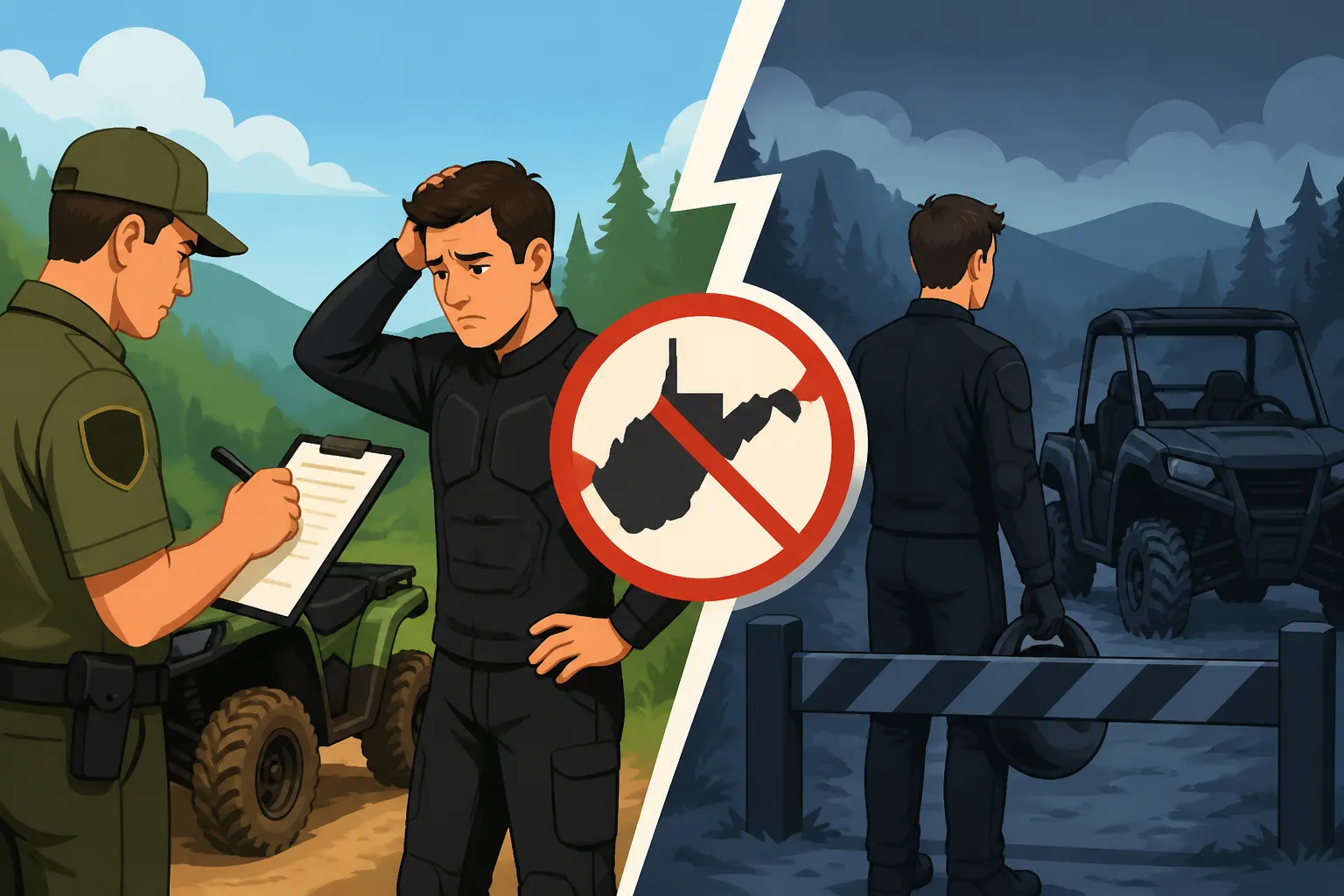
For serious infractions, the response can be swift and decisive. If you're caught operating an ATV or UTV while under the influence of alcohol or drugs, or engaging in highly reckless behavior that poses an immediate threat to others, a law enforcement officer or trail ranger has the authority to issue an immediate suspension or ban from the trail system. This means your ride is over on the spot. You might be required to load your machine onto a trailer or have it towed, and you'll be instructed to leave the trail area. This isn't just a temporary inconvenience; it's a direct and immediate loss of the privilege you were enjoying.
In many cases, your valid [Hatfield-McCoy Trail Permit Explained] could be confiscated on the spot, and your information entered into a system that flags you for future permit purchases. Imagine driving hours to reach your favorite trail system, unloading your machine, and then being told you're done for the day – or longer – because of a critical violation. The trail authority reserves the right to impose these immediate bans to ensure the safety and integrity of the trails for all users.
Fines and Legal Ramifications
Beyond losing immediate access, citations come with financial penalties that can really add up. [West Virginia ATV Ticket Costs] can vary widely depending on the specific offense, from relatively minor fines for something like riding without proper eye protection to significantly higher penalties for trespassing or reckless operation. These fines often need to be paid within a certain timeframe, and failure to do so can lead to even more severe legal consequences, including court summons, license suspensions, or even arrest warrants in some cases.
For serious violations like DUI on an ATV or UTV, the legal ramifications are far more extensive. You could face criminal charges, requiring court appearances, legal counsel, and potentially leading to a criminal record. This isn't just about an off-road vehicle anymore; it becomes a matter for the state's judicial system. Such legal troubles will not only be costly and time-consuming but can also directly influence the trail authority's decision regarding your future access.
Long-Term Impact on Your Riding Privileges
The most significant consequence for many riders is the long-term impact on their ability to access West Virginia's trail systems. Depending on the nature and number of citations, the trail authority or state DMV could impose a temporary or even permanent ban on your ability to purchase trail permits. This means that for a specified period, or indefinitely, you would be unable to legally ride on the Hatfield-McCoy Trails or other managed systems. This isn't just about a single ticket; it's about a pattern of behavior or a severe single incident that demonstrates you are not a responsible rider.
This long-term ban is recorded, and rangers performing permit checks, much like the [West Virginia Trail Rangers and What They Check], would be aware of your status. Even if you try to purchase a permit online or through an authorized vendor, your name might be flagged. The goal of these measures is to deter dangerous and irresponsible riding, ensuring that the vast majority of riders can enjoy the trails safely. Losing your access for a year or more can be incredibly disheartening, especially if riding is a major part of your recreation and social life.
| Citation Type | Potential Immediate Consequence | Potential Long-Term Consequence |
|---|---|---|
| DUI/DWI on ATV/UTV | Immediate trail ban, arrest | Permit revocation, criminal record, driving bans |
| Reckless Riding | Immediate trail ban, fine | Permit suspension/revocation, increased scrutiny |
| Off-Trail/Trespassing | Immediate trail ban, fine | Permit revocation, potential land closure |
| No Permit / Safety Gear | Fine, forced to leave trail | Permit suspension/revocation (especially if repeat) |
| Littering / Environmental Damage | Fine, trail ban (at authority's discretion) | Permit suspension/revocation, community service |
Preventing Citations and Protecting Your Riding Privileges
Nobody wants to lose access to the incredible riding opportunities that West Virginia offers. The good news is that preventing citations and protecting your trail privileges is largely within your control. It boils down to a combination of knowing the rules, preparing your machine, and consistently demonstrating responsible and respectful behavior on and off the trails. A little bit of proactive effort goes a long way in ensuring your riding adventures remain hassle-free and enjoyable for everyone.
Know and Follow All West Virginia ATV Rules
The most fundamental step in avoiding citations is to thoroughly understand and abide by all the rules and regulations governing ATV and UTV use in West Virginia. This isn't just about common sense; it's about familiarizing yourself with the specifics of the law. Before you even head out, make sure you've reviewed the [Hatfield-McCoy Trail Rules Every West Virginia Rider Signs Up To]. These rules cover everything from operating hours and speed limits to age restrictions and passenger guidelines. It’s also crucial to understand the state's specific laws regarding things like helmets, eye protection, and any requirements for street-legal machines if you plan to utilize town connectors.
It's not enough to just skim the rules; you need to internalize them. For instance, knowing that there's a strict "no alcohol while operating" policy is crucial. Understanding where you can and cannot ride is equally important to avoid [Trespass Beyond the Trail Boundary]. Many resources are available, including the official Hatfield-McCoy Trails website and local visitor centers, that provide detailed rulebooks and maps. Taking the [West Virginia DMV ATV Safety Awareness Course] can also greatly enhance your understanding of safe and legal riding practices, ensuring you're well-informed before you hit the dirt.
Equip Your Machine Properly
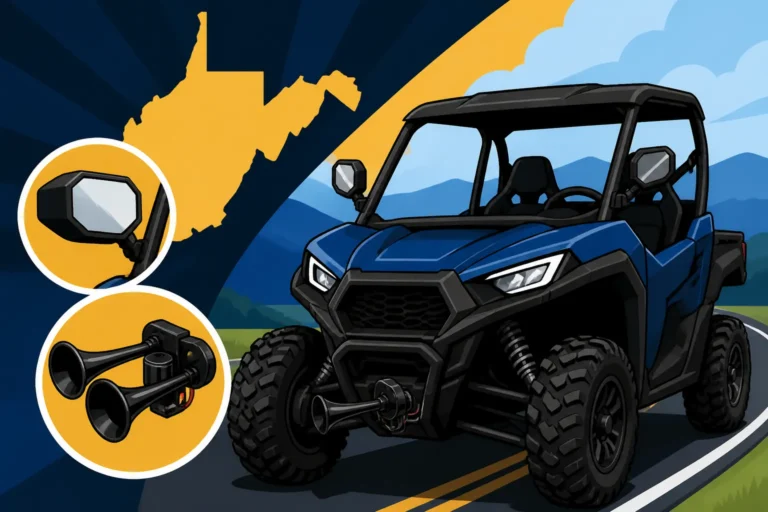
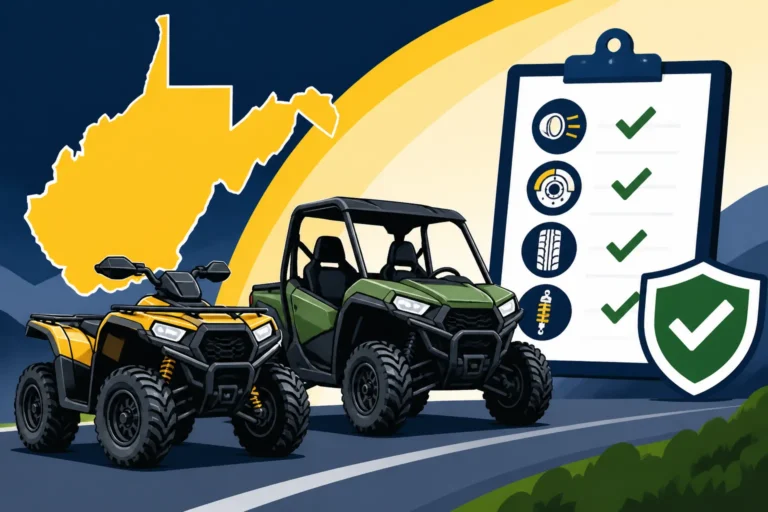
While not all equipment issues directly lead to citations that revoke trail access, having your machine properly equipped for the trails is a critical safety measure that can prevent situations leading to infractions. This includes ensuring your machine has functioning headlights, taillights, and brake lights, especially if you're riding near dusk or dawn, or if you plan to be on any road sections. A well-maintained machine is a safe machine, and safety directly relates to avoiding accidents and the scrutiny of trail rangers.
Consider essential safety and recovery gear. A working winch, like one from a reputable brand such as SuperATV, isn't just for getting yourself unstuck; it can help you avoid blocking a trail or prevent a recovery situation that might draw attention from trail authorities. Investing in quality tires that match the terrain, ensuring your brakes are in top condition, and routinely checking fluid levels and belts are all part of responsible ownership. A machine that breaks down repeatedly or isn't capable of handling the terrain can put you and others at risk, potentially leading to situations where citations become a possibility due to obstruction or dangerous operation.
Ride Responsibly and Respectfully
Ultimately, avoiding citations and preserving your trail access comes down to good judgment and a respectful attitude. This means riding within your skill level and the capabilities of your machine, avoiding excessive speed, and maintaining a safe distance from other riders. When passing, always do so safely and courteously. Remember that the trails are shared spaces, and you'll encounter a variety of riders, from beginners to advanced, as well as hikers and sometimes even horses on multi-use trails.
Being mindful of your surroundings also means staying on marked trails and respecting private property boundaries. This is especially true in West Virginia, where many trails wind through active coalfields or private timberland. Loud exhausts can also be a point of contention in trail towns; while not always a direct citation risk for trail access, noise complaints can lead to increased law enforcement presence and stricter enforcement of all rules. A respectful rider leaves no trace, packs out what they pack in, and strives to be a good ambassador for the sport. This positive approach helps foster good relationships between riders, landowners, and the trail authority, ensuring the continued expansion and enjoyment of the trails. It's about ensuring future generations, and even your friends who use SuperATV products to customize their machines, have the same awesome experience you do.
What to Do After Receiving a Citation
Finding a citation on your ATV or UTV, or being handed one by a law enforcement officer or trail ranger, can be a disheartening and confusing experience. It's easy to feel angry, frustrated, or worried about what comes next. But instead of letting emotions take over, it's crucial to understand the immediate steps you should take and your options for addressing the situation. Your response to the citation can significantly impact whether you lose trail access or are able to resolve the issue more favorably.
Understanding the Citation and Your Options
The very first thing you need to do is carefully read and understand the citation itself. Don't just glance at the fine amount; look for details like the specific violation code, the date and time of the incident, the issuing agency, and critically, the deadline for your response. The citation will outline your options, which typically include paying the fine, contesting the citation in court, or possibly attending a required safety course. It's important to understand the specific charges, as a ticket for [Riding Off a Marked Trail] will have different implications than one for a minor equipment violation.
If you have any questions about the citation, or if the wording is unclear, it's a good idea to contact the issuing authority (e.g., the Hatfield-McCoy Trails Authority or the local magistrate's office) for clarification. Avoid getting into an argument with the issuing officer at the time of the citation; remain respectful, get the information, and then seek clarity. Understanding the potential consequences, including the risk of losing trail access, will help you make an informed decision about how to proceed.
The Appeals Process
If you believe the citation was issued in error, or if there are extenuating circumstances you feel weren't considered, you usually have the right to appeal or contest it. The citation itself should provide instructions on how to do this, which typically involves notifying the court or issuing agency of your intent to plead "not guilty" or to request a hearing. This process allows you to present your side of the story, offer evidence, or call witnesses. For some citations issued on the Hatfield-McCoy Trails, there might be a specific internal process for [Appealing a Hatfield-McCoy Citation] before it escalates to the court system.
During an appeal, it's wise to gather any evidence you might have: photos, witness statements, or documents. For example, if you were cited for not having a visible permit but you had a valid one that simply peeled off, having proof of purchase could be critical. Be prepared to articulate your case clearly and respectfully. While the appeals process can be daunting, it's your opportunity to prevent a citation from leading to more severe consequences, including the loss of your cherished trail access.
Reinstatement of Trail Privileges
Even if a citation results in a temporary suspension or revocation of your trail privileges, it might not be the end of your riding days in West Virginia. Many trail authorities have a process for reinstatement after a period of suspension, especially for less severe infractions or first-time offenses. This often involves paying all outstanding fines, demonstrating a commitment to safe riding, and sometimes completing a mandatory ATV safety course, such as the one offered by the [West Virginia DMV ATV Safety Awareness Course]. The goal of the authority is not necessarily to permanently ban riders, but to ensure that everyone on the trails is doing so safely and responsibly.
Contacting the trail authority directly (e.g., the Hatfield-McCoy Trails Authority) is the best first step to inquire about their specific policies for reinstatement. Be honest about what happened, take responsibility, and ask what steps you need to take to regain access. Showing genuine remorse and a willingness to comply with all rules in the future can go a long way. While reinstatement isn't guaranteed, especially for serious offenses like a DUI or repeated dangerous behavior, understanding the pathway back to the trails can offer hope and a clear goal for returning to the sport you love.
Disclaimer
This article is for general informational purposes only and does not constitute professional advice. Laws, prices and regulations vary by location and change over time. Consult a qualified professional for guidance on your specific situation.