West Virginia Rules on Rail-Trails
It's incredibly frustrating when you're cruising along on your ATV or side-by-side, spot what looks like a perfectly smooth, inviting path stretching out for miles, and then realize it's a rail-trail where you might not be allowed to ride. West Virginia is a paradise for off-road enthusiasts, but navigating the rules around public access, especially concerning repurposed railroad beds, can be a real headache. This guide is here to clear up the confusion, explaining exactly where your machine is welcome and where it's best to stay off.
Understanding West Virginia's Rail-Trail Landscape for OHVs
When we talk about "rail-trails" in West Virginia, it's easy for off-road enthusiasts to get excited. Visions of long, flat, scenic rides dance in our heads. After all, isn't that what we often seek on the trails? However, the reality of rail-trail access for ATVs and UTVs in our beautiful state is often more restrictive than many hope. It's a common point of confusion, and frankly, a source of disappointment for riders just looking for a new adventure.
What Exactly is a "Rail-Trail" in West Virginia?
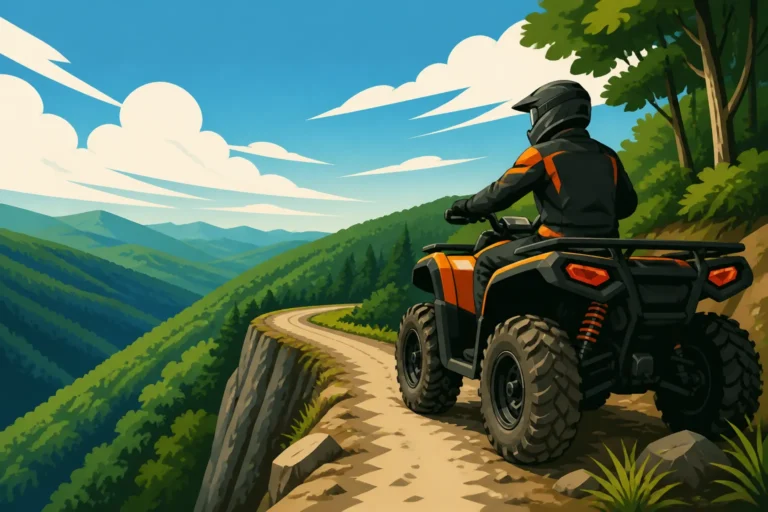
Let's break down what a rail-trail actually is, because understanding this fundamental definition is key to grasping the rules. In West Virginia, like many other places, a "rail-trail" is typically a former railroad corridor that has been converted into a multi-use path. Think about those old train tracks, long since removed, leaving behind a relatively flat, consistent grade that cuts through some truly stunning landscapes. These trails are generally managed by state parks, county governments, or local trail conservancies.
Their primary purpose is to offer recreational opportunities for activities like walking, jogging, bicycling, and sometimes even horseback riding. They are designed to be accessible, often connecting communities and providing a safe, non-motorized experience away from vehicle traffic. This distinction from traditional rugged ATV trails is important because it dictates the type of usage allowed. While they might look like an ideal, easy ride for your side-by-side, their intended use is very different.
The General Rule: No Motorized Vehicles on Most Rail-Trails
Here's where the rubber meets the trail, so to speak, and where many riders find themselves hitting a wall of frustration. Generally speaking, the vast majority of designated rail-trails in West Virginia explicitly prohibit motorized vehicles, and that includes your beloved ATV or UTV. You see that smooth, gravel path winding through the trees, a perfect route for your machine, but a sign saying "No Motorized Vehicles" quickly dashes your hopes.
Why this blanket prohibition? It comes down to several factors:
- Safety: Rail-trails are shared by users of all ages and abilities, including families with young children and elderly walkers. Introducing fast-moving, heavy motorized vehicles creates significant safety risks for these non-motorized users. The peace and quiet these trails offer would be shattered.
- Environmental Impact: While well-maintained, these trails and the surrounding ecosystems are often sensitive. The noise, exhaust, and potential for erosion from ATVs and UTVs can disrupt wildlife and damage the trail surface itself, which isn't designed for heavy vehicle traffic.
- User Experience: For many, the appeal of a rail-trail is the tranquility and the ability to enjoy nature without the intrusion of engines. Allowing motorized vehicles would fundamentally change that experience, alienating a large segment of their intended users.
It's a tough pill to swallow when you're looking at a fantastic stretch of trail that seems perfect for a casual cruise, only to be told it's off-limits. But these rules are in place for specific reasons, aimed at protecting the trail and ensuring the safety and enjoyment of all users.
Exceptions and Specific Cases: Where You MIGHT Find ATV/UTV Access
While the general rule is "no motorized vehicles" on most West Virginia rail-trails, our state is also home to some of the best ATV/UTV riding in the country. This creates a nuance: sometimes, what looks like a rail-trail might actually be a segment of a larger, managed OHV trail system that permits ATVs and UTVs. It’s important to distinguish between the two so you don't accidentally trespass or violate a rule.
Designated OHV Trail Systems That Incorporate Rail-Trail Segments
The primary exception to the "no motorized vehicles" rule comes in the form of West Virginia's acclaimed [The Hatfield-McCoy Trails, West Virginia's 1,200-Mile Network]. These trail systems are specifically designed and managed for off-highway vehicles. Within these vast networks, you will indeed find sections that were once old railroad beds. These segments are usually wider, flatter, and offer a smoother ride than some of the more rugged, rocky trails.
The key difference here is management and designation. These aren't just generic rail-trails; they are integral parts of a permit-based, clearly marked OHV trail system. When you're on a Hatfield-McCoy trail that happens to utilize an old rail bed, you're on an approved and legal path for your machine. You'll know you're in the right place because these sections will be part of the official [Hatfield-McCoy Trail Maps and Signage], clearly marked with trail numbers and difficulty ratings, and you’ll have your required [West Virginia's Hatfield-McCoy Trail Permit Explained] displayed. This is where you can truly let your machine stretch its legs on a smoother surface.
These segments are fantastic for families or those looking for a less technical ride, and they offer a welcome reprieve from constant rock crawling or steep ascents. Just remember, these are designated OHV trails that use old rail beds, not the other way around.
Specific Local Ordinances or Connector Routes
Beyond the major managed trail systems, it's exceedingly rare to find extensive rail-trails open to ATVs or UTVs. However, in a few very specific instances, primarily within what we call "trail towns," you might encounter a short segment of what appears to be a rail-trail that has been specifically designated as a connector route for OHVs. These are almost always small, clearly marked sections that link a main trail system to a town’s amenities, like restaurants or lodging.
These aren't open-ended invitations to ride miles down a rail-trail. They are specific, often short, and permitted solely because a local ordinance has carved out that exception to facilitate access for riders who have purchased permits for the main trail systems. For example, some towns have become "ATV-friendly" and created specific paths for riders to move from the trails into town. [How a West Virginia Town Becomes ATV-Friendly] involves careful planning and often includes designating these very specific connector routes.
It’s crucial to understand that these are exceptions, not the rule. You should never assume that if you see an OHV on a section of a rail-trail, it's universally permitted. Always look for official signage, local ordinances, or current trail maps. When in doubt, err on the side of caution.
To help clarify the distinction, here's a quick comparison:
| Feature | General West Virginia Rail-Trail | Designated OHV Trail System (e.g., Hatfield-McCoy) |
|---|---|---|
| Primary Use | Walking, Biking, Jogging, Horseback Riding | ATVs, UTVs, Dirt Bikes (with permit) |
| Motorized Access | Generally Prohibited | Permitted |
| Typical Surface | Gravel, crushed stone, paved, well-maintained | Varied (mud, rock, dirt, gravel, some old rail beds) |
| Permit Required | No (free public access) | Yes (Hatfield-McCoy Trail Permit) |
| Management Authority | State Parks, Local Governments, Conservancy Groups | Hatfield-McCoy Trail Authority |
| Signage | "No Motorized Vehicles," multi-use trail rules | Trail numbers, difficulty ratings, "OHV Permitted" |
| Common Location | Rural and urban areas, often connecting towns | Primarily southern WV, purpose-built OHV networks |
The Risks of Riding an ATV or UTV on Prohibited Rail-Trails
We all want to explore, push boundaries, and find new places to ride our ATVs and UTVs. But when it comes to rail-trails that aren't specifically designated for motorized vehicles, the risks far outweigh any potential reward. It's not just about getting caught; it's about safety, legal trouble, and impacting the very trails we cherish.
Penalties and Enforcement
Let's be blunt: riding on a prohibited rail-trail can get you into some serious hot water. West Virginia authorities, whether they're state park rangers, local sheriff's deputies, or even Department of Natural Resources (DNR) officers, take these rules seriously. They are protecting public land and ensuring the safety of all users.
The penalties can vary depending on the specific location and the discretion of the enforcing officer, but you're typically looking at:
- Significant Fines: These aren't just minor tickets. Fines for operating an OHV on restricted public land can be substantial, often hundreds of dollars, and they can add up quickly if multiple violations are cited.
- Machine Impoundment: In more severe cases, or for repeat offenders, your ATV or UTV could be impounded. Recovering your machine involves additional fees, storage costs, and a major headache, not to mention the inconvenience of being stranded.
- Trespassing Charges: Since most rail-trails are public property, riding where prohibited can lead to trespassing charges, which carry their own set of legal consequences and can even impact future recreational access.
- Court Appearances: A simple joyride can quickly escalate into mandatory court dates, legal fees, and a blemish on your record.
It's truly a frustrating scenario to be hit with a hefty fine or have your weekend cut short because you didn't realize a trail was off-limits. Many riders face the challenge of understanding complex local regulations, and it's easy to make an honest mistake. However, ignorance of the law is rarely an excuse in the eyes of enforcement. Always verify where you can ride. In some cases, [West Virginia Penalties for an Untitled Machine] can also apply if you're riding an unregistered or untitled machine in addition to being on an unauthorized trail.
Safety Concerns and Environmental Impact
Beyond the legal ramifications, there are very real safety and environmental concerns that underscore these prohibitions.
From a safety standpoint, rail-trails are designed for quiet, low-speed, non-motorized traffic. The users on these trails—pedestrians, cyclists, and sometimes equestrians—are simply not expecting to encounter a roaring engine or a fast-moving vehicle like an ATV or UTV. This creates a high risk of collisions, especially on blind curves or in crowded areas. A pedestrian stepping out or a child darting onto the trail could have catastrophic consequences if an OHV is present. These trails don't have the sight lines or space for quick maneuvers to avoid accidents with unexpected obstacles.
Environmentally, while a rail-trail might seem robust, it's often built on a sensitive old railroad bed with specific drainage and surface materials. Heavy OHV traffic can cause:
- Erosion: Tires digging into the surface, especially after rain, can quickly degrade the trail, leading to ruts and washouts.
- Noise Pollution: The sound of engines disrupts the tranquility of natural areas and the experience of other users who come for peace and quiet.
- Air Pollution: Exhaust fumes, while minimal from a single machine, contribute to air quality issues in popular areas.
- Wildlife Disturbance: The noise and presence of OHVs can scare away wildlife, impacting local ecosystems.
Even with the best aftermarket parts, like robust skid plates or A-arm guards you might get from SuperATV for protection on rugged trails, they won't protect you from fines or the environmental damage you might cause on an unauthorized rail-trail. It’s far better to reserve your machine and its powerful capabilities for the trails specifically designed to handle them.
How to Legally Find and Enjoy ATV/UTV Riding in West Virginia
So, if most rail-trails are off-limits, where can you ride your ATV or UTV legally and responsibly in West Virginia? The good news is, our state is packed with incredible opportunities for off-road adventure, you just need to know where to look and how to prepare. Don't let the rail-trail restrictions get you down; there's a whole world of legal riding waiting!
Stick to Dedicated Off-Highway Vehicle Trails
The absolute best way to ensure you're riding legally and safely is to stick to trails explicitly designated for off-highway vehicles. In West Virginia, this almost invariably means the magnificent Hatfield-McCoy Trails system. This network is legendary for a reason, offering over a thousand miles of diverse terrain across [West Virginia's Thirteen Hatfield-McCoy Trail Systems].
These trails are meticulously maintained, clearly marked, and designed specifically for ATVs, UTVs, and dirt bikes. You'll find everything from easy, scenic routes perfect for families to challenging black diamond trails that will test even the most experienced riders. There are also private off-road parks, like Burning Rock Offroad Park, which offer dedicated riding areas with varied terrain and amenities. These are your go-to destinations for guilt-free, high-octane fun.
Remember, a permit is required to ride the Hatfield-McCoy Trails. You can easily purchase your [West Virginia's Hatfield-McCoy Trail Permit Explained] online or at various vendors throughout the trail towns. It’s a small investment for endless adventure and peace of mind knowing you’re riding legally.
Utilize Official Resources for Trail Information
Never rely on hearsay or outdated information when planning your ride. Always consult official sources to confirm trail access and rules. This is paramount for a safe and legal trip.
Here are the best resources:
- Hatfield-McCoy Trails Official Website: This is your primary source for trail maps, permit information, rules, and updates on trail conditions. Their maps are incredibly detailed and will show you exactly where you can and cannot ride.
- West Virginia Department of Tourism: The state tourism site often has great information on OHV opportunities and can point you to various trail systems and riding parks.
- onX Offroad: This fantastic app, which you can learn more about in [onX Offroad for West Virginia Trails], is a digital mapping solution specifically designed for off-road enthusiasts. It provides detailed trail maps, property boundaries, and can show you exactly where motorized use is permitted, often incorporating Hatfield-McCoy data directly. It's a game-changer for navigation and ensuring you stay on legal routes.
- Local Trail Offices and Welcome Centers: When you arrive in a trail town, stop by a local welcome center or the Hatfield-McCoy Trail Authority office. The staff there are invaluable resources for current conditions, local tips, and clarification on any specific local ordinances regarding trail access.
Before you head out, make sure you're familiar with [West Virginia Age Rules on the Trails] and that you have all the necessary safety gear, including a DOT-approved helmet and eye protection, as outlined in [Helmet and Eye Protection Rules in West Virginia]. Outfitting your machine with quality parts from brands like SuperATV, whether it's an upgraded suspension for rough terrain or a sturdy windshield for dust and debris, will enhance your experience on these approved trails. Just ensure any modifications comply with local rules for your specific trail system.
By sticking to designated trails and using official information, you'll ensure your ATV or UTV adventures in West Virginia are both thrilling and entirely above board.
Disclaimer
This article is for general informational purposes only and does not constitute professional advice. Laws, prices and regulations vary by location and change over time. Consult a qualified professional for guidance on your specific situation.