West Virginia ATV Alcohol Limit
Picture this: you're out on the trails in West Virginia, maybe enjoying a beautiful ride through the mountains, or perhaps navigating some of the incredible routes on the Hatfield-McCoy system. The sun's shining, the air is fresh, and you might think about cracking open a cold one to celebrate a great day. But hold on a minute. The rules about drinking and driving an ATV or UTV in West Virginia are a lot stricter and more far-reaching than many riders realize. This isn't just about avoiding a buzzkill; it's about staying safe, staying legal, and understanding that operating an off-road vehicle under the influence carries serious consequences, just like driving a car. This guide will cut through the confusion and lay out exactly what West Virginia's ATV alcohol limits are, where they apply, and what you absolutely need to know to avoid a very costly mistake.
Understanding West Virginia's DUI Laws for ATVs
It's a common misconception that because an ATV or UTV isn't a traditional road vehicle, the same stringent DUI (Driving Under the Influence) laws don't apply. Nothing could be further from the truth in West Virginia. The state takes impaired driving very seriously, regardless of whether you're behind the wheel of a sedan or the handlebars of a quad.
The "Operating Under the Influence" Standard
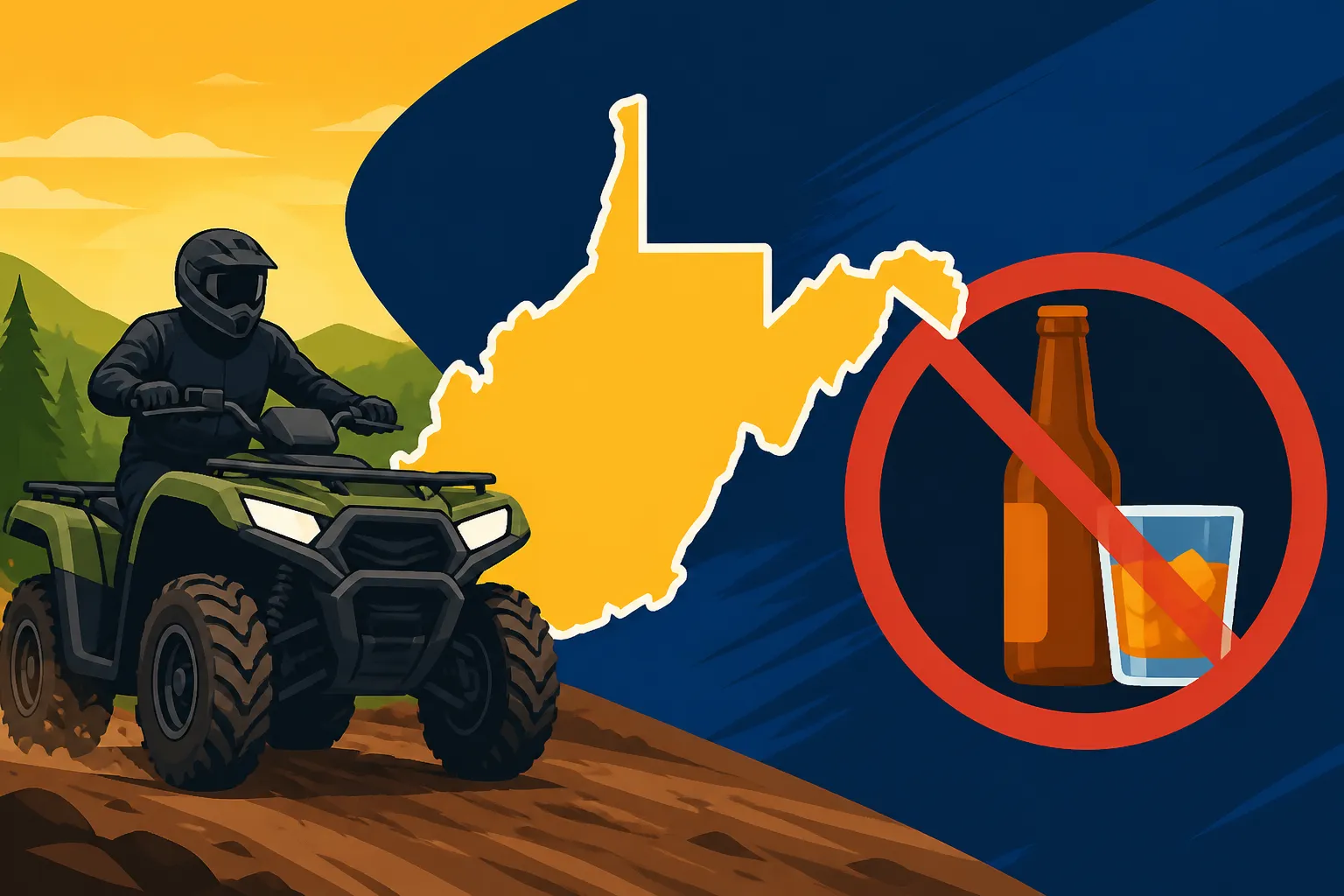
In West Virginia, the legal standard for operating any motor vehicle, including ATVs and UTVs, while under the influence is straightforward: if your Blood Alcohol Content (BAC) is 0.08% or higher, you are considered legally intoxicated. It doesn't matter if you feel fine, or if you believe you're still capable of operating your machine safely. The law uses a hard and fast number. This 0.08% limit applies across the board, whether you're on a county road, a designated trail, or even certain private lands with public access. It's the same threshold that applies to cars, trucks, and motorcycles. Many riders don't realize this, assuming that the "off-road" nature of their vehicle somehow exempts them from these critical safety regulations. This misunderstanding can lead to severe legal trouble and potentially dangerous situations on the trail. Law enforcement, whether it's a state trooper, a local sheriff's deputy, or even a natural resources police officer, has the authority to enforce these laws.
Think about it this way: your ATV or UTV is a powerful piece of machinery. Adding alcohol to the mix impairs your judgment, slows your reaction time, and can turn a fun day into a nightmare in an instant. Even if you've invested in top-tier accessories from a brand like SuperATV to enhance your machine's performance and safety, alcohol negates much of that advantage. The state's goal is to keep everyone safe, and that includes you, your passengers, and other riders on the trails.
Consequences Beyond the Pavement
Being charged with a DUI while operating an ATV or UTV in West Virginia can have a cascading effect of serious consequences, often far exceeding what riders anticipate. It's not just a slap on the wrist. For a first offense, you're looking at significant fines, ranging from hundreds to well over a thousand dollars. Beyond that, there's the very real possibility of jail time, which can range from a few days to several months, depending on the specifics of your case and the judge's discretion. This isn't just a fine you pay and forget; it can mean actual incarceration.
Perhaps one of the most impactful consequences for many riders is the suspension of your driver's license. Yes, even if you were operating an ATV that isn't typically registered for road use, a DUI conviction impacts your driver's license. This means your ability to legally drive your car to work, pick up groceries, or simply live your daily life can be severely restricted or revoked entirely. [A DUI on an ATV in West Virginia] carries the same weight as one in a car. You'll likely be required to complete a mandatory alcohol education program and potentially even an ignition interlock device if and when your driving privileges are reinstated. The legal fees, court costs, and increased insurance premiums that follow a DUI conviction can run into the thousands of dollars, creating a financial burden that can last for years. This isn't just about paying a ticket; it's about dealing with the long-term fallout on your personal and financial life.
Implied Consent on the Trails
Just as with any other vehicle, West Virginia operates under an "implied consent" law when it comes to operating an ATV or UTV. What does this mean for you? It means that by simply operating your off-road vehicle within the state of West Virginia, you are legally presumed to have given your consent to a chemical test (like a breathalyzer, blood test, or urine test) if a law enforcement officer has reasonable grounds to believe you are under the influence.
Refusing to submit to such a test carries its own immediate and severe penalties, separate from any potential DUI conviction. A refusal will typically result in an automatic suspension of your driver's license, often for a longer period than if you had taken the test and failed. This immediate suspension is administrative, meaning it happens almost right away and is separate from any criminal proceedings for the DUI itself. The logic behind implied consent is to ensure that officers have the tools they need to enforce impaired driving laws effectively, protecting everyone on public roads and trails. Many riders are surprised to learn that this extends to off-road vehicles on places like the Hatfield-McCoy Trails, but it absolutely does. Knowing your rights is important, but understanding the law surrounding implied consent is crucial for making informed decisions during an encounter with law enforcement.
Where the Alcohol Limit Applies: Trails, Roads, and Private Land
Understanding where West Virginia's ATV alcohol limits are enforced is key to staying out of trouble. It's not just a "road rule"; these laws have a much broader reach than many off-road enthusiasts might initially assume.
Public Trails and Managed Systems (Hatfield-McCoy)
When you're riding on public trails or within managed trail systems like the world-renowned Hatfield-McCoy Trails, you are absolutely subject to West Virginia's DUI laws. These aren't just informal playgrounds; they are legally recognized areas where state laws apply, and law enforcement has jurisdiction. Trail rangers, West Virginia State Police, and other law enforcement agencies patrol these areas and are authorized to stop and test operators suspected of driving under the influence.
The Hatfield-McCoy Trails, for instance, has very clear rules outlined in their permit agreements, including strict prohibitions against operating a machine while intoxicated. [Hatfield-McCoy Trail Rules Every West Virginia Rider Signs Up To] explicitly cover this. Violating these rules can lead to immediate expulsion from the trail system, fines, and even a permanent ban, in addition to any criminal charges for DUI. The safety of all riders is paramount on these trails, and impaired operation poses a significant risk to everyone. So, while you might be deep in the woods enjoying a challenging section that your SuperATV lift kit helped you conquer, the law is still very much in effect. Don't let the remote feeling of some trails lull you into a false sense of security regarding alcohol consumption.
Roads and Public Access Points
This might seem more obvious, but it's worth reiterating the gravity of operating an ATV or UTV under the influence on any public road or public access point in West Virginia. Even if your machine isn't fully street-legal, many areas of West Virginia allow ATVs and UTVs to operate on certain public roads for short distances, to access trailheads, or connect trail sections. For example, West Virginia has a [West Virginia's 10-Mile, 25 mph Road Rule] allowing limited road usage for connecting trails. When you operate your ATV on any of these public roads, you are no different than any other driver in a car. All traffic laws apply, including the stringent DUI statutes.
Trail towns like Gilbert, Man, or Williamson, where ATVs are a common sight on main streets, are particularly vigilant about enforcing these rules. Law enforcement in these areas knows that riders are often coming off the trails and might be tempted to grab a drink. They are trained and ready to identify and apprehend impaired operators. [Tickets West Virginia Deputies Write for Road Riding] are not uncommon for various infractions, including DUI. Even just crossing a public road or driving a short distance to a gas station or restaurant in an ATV-friendly town means you are subject to the same exact alcohol limits and penalties as if you were driving a car. There's no special exemption for being on an ATV in these areas.
Private Property vs. Public Access
This is where the line can sometimes get a little blurry, but it's critical to understand. While West Virginia's DUI laws primarily focus on public roads and publicly accessible areas, operating any motor vehicle while intoxicated is generally illegal everywhere in the state, including on private land, if that land is accessible to the public or if the police are called to the scene. If you're riding on your own private, fenced-off land with no public access, the chances of a DUI arrest might be lower simply because law enforcement is less likely to observe you. However, this does not make it legal or safe. You can still face charges if officers are called to your property due to an accident, reckless behavior, or if they observe you leaving the private property onto a public road while impaired.
Consider a large private hunting lease or a campground with private roads. If these areas are generally open to invitees, or if an accident occurs and emergency services are called, law enforcement can and will respond and may apply DUI laws. The key distinction is "public access" or "public view." If your riding can be seen by the public, or if the property is generally open to others (even by invitation), you are at risk. It's always safest and wisest to assume that alcohol and ATV operation simply don't mix, no matter where you plan to ride. The goal of the law is to prevent accidents and injuries, which can happen just as easily on private land as on public trails.
Avoiding Trouble: Responsible Riding and Prevention
Nobody wants to deal with a DUI, especially when you're out trying to enjoy the rugged beauty of West Virginia. The good news is that avoiding trouble when it comes to alcohol and ATVs is entirely within your control. It comes down to making responsible choices before you ever put the key in the ignition.
Designating a Sober Driver
This is perhaps the simplest and most effective strategy for groups of riders who wish to consume alcohol. Just like with a car, if your group plans to have some adult beverages, designate a sober driver for the day. This person commits to not drinking any alcohol and is responsible for operating the ATV or UTV for the entire group. This not only keeps everyone safe but also ensures that you remain compliant with West Virginia's strict DUI laws.
Rotating the responsibility among your group over a multi-day trip can be a fair way to handle it, allowing everyone to enjoy themselves responsibly on different days. Planning ahead is crucial here. Have this conversation before you even leave for the trails, or before you start serving drinks at your cabin or campsite. Make it clear who is driving and who is riding. This proactive approach removes any ambiguity and helps prevent impulsive, ill-advised decisions once the fun begins. Remember, even if you’re riding a robust machine outfitted with all the best gear from SuperATV, it won't protect you from the consequences of impaired driving.
Carrying Alcohol Legally (or Not)
West Virginia has specific laws regarding open containers of alcohol in motor vehicles, and these laws often extend to ATVs and UTVs, especially when operating on public roads or managed trail systems. Generally, it's illegal to have an open container of an alcoholic beverage in the passenger area of a motor vehicle on a public highway. For an ATV or UTV, where the "passenger area" is essentially the entire machine, this means any opened alcoholic drink could be considered a violation.
Even on the Hatfield-McCoy Trails, while you might be able to transport unopened alcoholic beverages in a cooler for later consumption back at your lodging, drinking them while operating your machine or having an open container in plain sight can lead to trouble. Trail rules, and often state law, prohibit this. It’s far safer and legally sound to simply avoid carrying open containers of alcohol on your ATV or UTV at all while riding. Keep all alcoholic beverages securely sealed and stored until you're done riding for the day and back at a designated, non-operating location. [Open Container Rules on a West Virginia Quad] are clear and designed to prevent impaired driving before it starts. Don't risk a citation for something so easily avoidable.
The Importance of a Safety Course
While not directly about alcohol limits, taking a certified ATV safety awareness course plays a huge role in promoting responsible riding and avoiding dangerous situations, including those involving alcohol. [West Virginia DMV ATV Safety Awareness Course] is available to riders and covers not just operational skills, but also crucial information about state laws, rider responsibility, and the dangers of impaired riding.
These courses emphasize decision-making, risk assessment, and the serious consequences of reckless or impaired operation. By understanding the full spectrum of laws and safety best practices, riders are better equipped to make smart choices, including saying "no" to alcohol before and during a ride. Even experienced riders can benefit from a refresher, as laws and best practices can evolve. The knowledge gained from a safety course reinforces the understanding that ATVs and UTVs are powerful machines that demand respect and clear-headed operation. It helps cultivate a culture of safety that naturally discourages riding under the influence.
| Offense Type | First Offense Penalty Range (General) | Second Offense Penalty Range (General) | Third/Subsequent Offense (General) |
|---|---|---|---|
| DUI (BAC 0.08%+) | Fines: $100 – $1,000 | Fines: $500 – $1,500 | Fines: $1,000 – $5,000 |
| Jail: 24 hrs – 6 months | Jail: 6 months – 1 year | Jail: 1 – 5 years | |
| License Suspension: 6 months – 1 year | License Suspension: 2 years | License Suspension: 5+ years | |
| Mandatory Safety Course, Interlock Device | Mandatory Safety Course, Interlock Device | Mandatory Safety Course, Interlock Device | |
| Refusal to Test | License Suspension: 1 year | License Suspension: 2 years | License Suspension: 5 years |
| (Separate from DUI charges) | (Separate from DUI charges) | (Separate from DUI charges) | |
| Open Container | Fines: Up to $100 | Fines: Up to $200 | Fines: Up to $500 |
| (Often a traffic infraction, not a criminal DUI) | (Often a traffic infraction, not a criminal DUI) | (Can escalate with repeat offenses) |
Note: These are general penalty ranges and can vary based on specific circumstances, judge's discretion, and any aggravating factors involved in the incident.
Legal Ramifications and Long-Term Impact
A DUI conviction, whether it's from driving a car or operating an ATV, leaves a mark that extends far beyond the initial fines and court dates. In West Virginia, the legal system views all impaired driving seriously, and the long-term consequences can profoundly impact various aspects of your life.
DUI on an ATV: What It Means for Your Future
The immediate aftermath of a DUI on an ATV is often a whirlwind of court appearances, fines, and license suspensions. But the ripple effect of that conviction can touch your life for years to come. One of the most significant impacts is on your employment. Many jobs, especially those requiring driving or operating machinery, will conduct background checks. A DUI conviction can make it difficult to secure new employment or even retain your current job, particularly if your license is suspended. Even if your current job doesn't require driving, the stigma of a criminal conviction can be a barrier to advancement.
Your insurance rates will almost certainly skyrocket. Auto insurance companies view DUI convictions as a major risk factor, and your premiums could increase dramatically for years. In some cases, you might even find it difficult to obtain insurance at all. Furthermore, a DUI can affect your ability to travel internationally, as some countries have strict entry requirements that deny admission to individuals with certain criminal convictions, including DUIs. It's a conviction that stays on your record, impacting everything from housing applications to educational opportunities. [Penalties for an Untitled ATV in West Virginia] are often less severe than those for a DUI, highlighting the seriousness of impaired operation. The costs are not just monetary; they are personal and enduring.
Field Sobriety Tests and Your Rights
If a law enforcement officer suspects you are driving an ATV or UTV under the influence in West Virginia, they may initiate a traffic stop and then conduct what are known as Field Sobriety Tests (FSTs). These tests, such as the horizontal gaze nystagmus (following a pen with your eyes), the walk-and-turn, and the one-leg stand, are designed to assess your physical and mental impairment. The officer uses your performance on these tests, along with other observations (like odor of alcohol, slurred speech, or fumbling for documents), to establish probable cause for an arrest.
It's important to understand your rights during this process. While you are generally required to provide your identification and vehicle information, you have the right to remain silent and the right to refuse FSTs. However, refusing FSTs might still lead the officer to establish probable cause based on other observations. Refusing a chemical test (breath, blood, or urine) after arrest carries automatic license suspension penalties under implied consent laws, as discussed earlier. If you find yourself in this situation, it is always advisable to remain polite, provide identification, and clearly state that you wish to speak with an attorney. Remember, the goal of these tests is to gather evidence against you, and anything you say or do can be used in court. This situation can be overwhelming, so knowing your basic rights is crucial.
[Fighting an ATV Ticket in West Virginia]
Getting a DUI charge on an ATV is not just a ticket; it's a serious criminal offense. If you find yourself in this unfortunate situation, attempting to fight the charge without legal representation is highly discouraged. A skilled attorney specializing in DUI cases in West Virginia can review the evidence, challenge the officer's probable cause, scrutinize the administration of field sobriety tests, and question the accuracy of chemical tests. They can also negotiate with prosecutors for reduced charges or alternative sentencing options.
The legal system can be complex and intimidating, especially when your future driving privileges, finances, and freedom are on the line. An attorney understands the nuances of West Virginia's DUI laws and the procedural requirements that law enforcement must follow. They can identify potential weaknesses in the prosecution's case and advocate fiercely on your behalf. Whether the incident occurred on a public road, a managed trail, or even in a gray area of private land with public access, a legal expert is your best ally. Don't underestimate the severity of a DUI. [Alcohol Penalties on the Hatfield-McCoy Trails] or anywhere else are designed to be a deterrent, and navigating them requires professional guidance. Taking quick, informed action to secure legal counsel can significantly impact the outcome of your case.
Disclaimer
This article is for general informational purposes only and does not constitute professional advice. Laws, prices and regulations vary by location and change over time. Consult a qualified professional for guidance on your specific situation.